Brioche French Toast Casserole Recipe
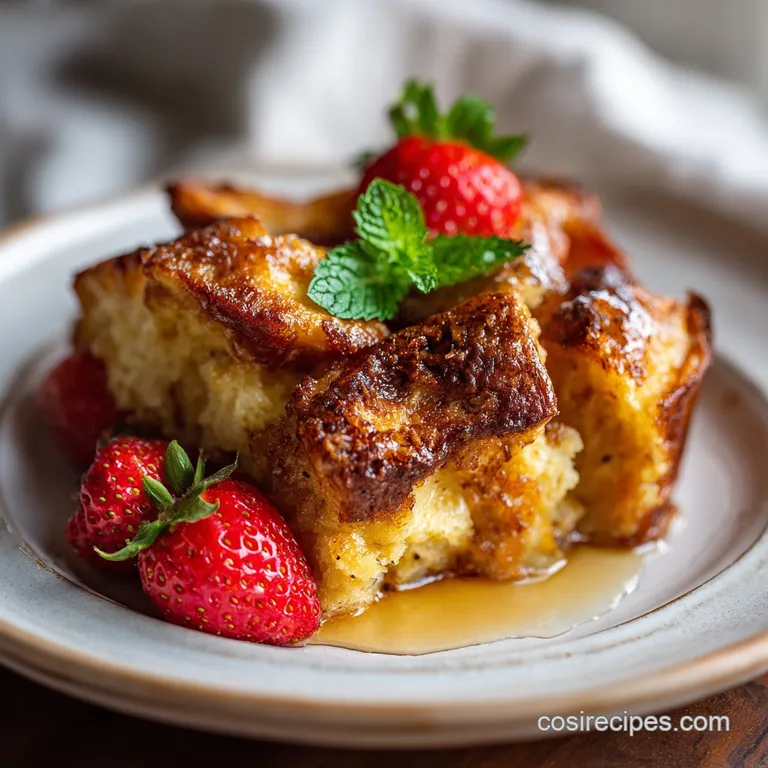
- Time: Active 20 mins, Passive 45 mins, Total 1 hours 5 mins
- Flavor/Texture Hook: Fluffy brioche center with a shattering oat crust
- Perfect for: Holiday mornings or stress free weekend brunching
- The Magic Behind an Iconic Brioche French Toast Casserole
- Technical Specifications for the Perfect Morning Bake
- Selecting the Best Elements for Flavor Balance
- Essential Kitchen Tools for a Flawless Prep
- Crafting the Custard Masterpiece Step-by-Step
- Pro Tips and Avoiding Sogginess
- Adjusting Your Batch Size
- Debunking Common Breakfast Beliefs
- Preservation and Zero Waste Secrets
- Elegant Presentation and Color Balance
- Recipe FAQs
- 📝 Recipe Card
The Magic Behind an Iconic Brioche French Toast Casserole
The scent of cinnamon and warm butter hit me before I even opened the oven door. It’s that specific, cozy aroma that makes a house feel like a home on a Sunday morning. I remember the first time I tried making this; I used cheap white sandwich bread and didn't let it soak long enough. The result?
A sad, soggy mess that looked more like bread soup than a gourmet breakfast. I was devastated, but it taught me the most important lesson in breakfast chemistry: the bread is the soul of the dish.
We've all been there, staring at a recipe wondering if it’s actually worth the effort of buying a specific loaf of bread. Trust me on this one, using a buttery, thick cut loaf for your Brioche French Toast Casserole is the difference between a "meh" breakfast and a "can I have the recipe?" moment.
The brioche acts like a sponge, holding onto that rich custard without falling apart, while the Greek yogurt adds a subtle tang that cuts right through the sweetness. It’s pure magic in a baking dish.
This recipe is my love letter to slow mornings. We aren't just throwing things together; we are building layers of texture and flavor. From the way the blueberries burst and release their jammy juices into the crumb, to the crunch of the cold butter rubbed oat topping, every bite is designed to be a sensory experience.
You’ll get that velvety interior we all crave, topped with a golden, elegant crust that shatters perfectly under a fork.
Protein Denaturation: Eggs set at a specific temperature to create a structural web that holds the milk and bread together.
Starch Retrogradation: Using slightly stale bread allows the starch molecules to better absorb the liquid custard without losing their shape.
Maillard Reaction: The coconut sugar and butter on top undergo a chemical browning that creates complex, nutty flavor profiles.
Acidic Balance: The Greek yogurt breaks down gluten slightly, ensuring the interior stays exceptionally tender rather than rubbery.
| Method | Time | Texture | Best For |
|---|---|---|---|
| Overnight Soak | 8-12 hours | Ultra custardy, pudding like | Large groups/Holidays |
| Quick 20 Min | 1 hours 5 mins | Lighter, bread forward | Spontaneous mornings |
| Stovetop Style | 15 minutes | Crispy edges, soft center | Single servings |
This method comparison shows that while the overnight soak is traditional, our 20 minute prep version holds its own by utilizing the absorbent power of brioche. If you find yourself in a rush, the quick method still delivers a stunning result because we use a high fat custard that penetrates the bread fibers rapidly.
Technical Specifications for the Perfect Morning Bake
| Component | Science Role | Pro Secret |
|---|---|---|
| Large Eggs (6) | Emulsifier & Binder | Whisk until no streaks remain for a silky finish |
| 2% Milk (2 cups) | Hydration Base | Room temp milk absorbs faster than cold from the fridge milk |
| Greek Yogurt (1/2 cup) | Acidic Tenderizer | Full fat yogurt adds a creamy, cheesecake like richness |
| Pure Maple Syrup (1/3 cup) | Natural Humectant | Keeps the center moist even after reheating |
Getting the liquid ratio right is the hardest part of any French toast recipe, but this combination of milk and yogurt creates a thick, stable custard. This prevents the dreaded "pool of liquid" at the bottom of the pan that often plagues thinner batters.
Selecting the Best Elements for Flavor Balance
The key to a truly elegant bake lies in the quality of your pantry staples. Don't reach for the imitation vanilla here; the pure extract provides a floral depth that pairs beautifully with the nutmeg.
- 1 lb Brioche loaf: Cut into 1 inch cubes. Why this? Its high egg/butter content creates the most luxurious, pillowy texture.
- 6 large Eggs: Provides structure. Why this? The fat in the yolks creates the signature "melt in-your mouth" feel.
- 2 cups 2% Milk: The main liquid. Why this? Enough fat for richness without being as heavy as heavy cream.
- 1/2 cup Plain Greek Yogurt: Adds tang. Why this? It thickens the custard and provides a needed acidic balance.
- 1/3 cup Pure Maple Syrup: Natural sweetener. Why this? Adds caramelized notes that white sugar simply lacks.
- 1 tbsp Pure Vanilla Extract: Flavor enhancer. Why this? Bridges the gap between the spices and the sweet brioche.
- 1 tsp Ground Cinnamon: Warmth. Why this? The quintessential aroma of a classic baked breakfast.
- 1/4 tsp Ground Nutmeg: Depth. Why this? Just a pinch makes the custard taste like it came from a French bakery.
- 1/4 tsp Sea Salt: Flavor balancer. Why this? It heightens the sweetness of the syrup and the tartness of the berries.
- 1 cup Fresh Blueberries: The color pop. Why this? They burst during baking, creating pockets of natural fruit syrup.
- 1/2 cup Rolled Oats: For the topping. Why this? Provides a rustic, wholesome crunch to contrast the soft bread.
- 1/4 cup All purpose flour: Topping binder. Why this? Helps the butter and sugar form a cohesive, crumbly streusel.
- 2 tbsp Coconut sugar: Topping sweetener. Why this? It has a lower melting point and deep molasses flavor.
- 2 tbsp Cold Unsalted Butter: Cubed. Why this? Essential for creating those flaky, golden brown bits on top.
| Original Ingredient | Substitute | Why It Works |
|---|---|---|
| Brioche Loaf | Challah | Similar egg rich dough. Note: Slightly less buttery but very sturdy. |
| Greek Yogurt | Sour Cream | Same acidity and fat content. Note: Adds a slightly richer, tangier profile. |
| Coconut Sugar | Brown Sugar | Similar moisture. Note: Brown sugar is sweeter; reduce by 1 tsp. |
| Fresh Blueberries | Frozen Berries | Same flavor. Note: Don't thaw them first or they will bleed purple. |
Substituting ingredients in a bake like this is relatively safe as long as you maintain the fat to liquid ratio. If you want to lean into the color balance, similar to the technique used in my Southern Yellow Squash recipe, you can swap the berries for other colorful stone fruits like diced peaches or raspberries.
Essential Kitchen Tools for a Flawless Prep
You don't need a professional kitchen to pull this off, but a few specific tools make the process much smoother. A large, shallow 9x13 inch baking dish is your best friend here because it allows for maximum surface area meaning more crispy topping for everyone.
I highly recommend using a serrated bread knife to cube your brioche. A dull knife will squish the airy bread, making it harder for the custard to penetrate the center. You'll also want a sturdy whisk to ensure the Greek yogurt is fully incorporated into the eggs; nobody wants a stray clump of yogurt in their breakfast slice!
A stand mixer isn't necessary, but a large mixing bowl with a pour spout makes transferring the custard to the dish much less messy.
Crafting the Custard Masterpiece step-by-step
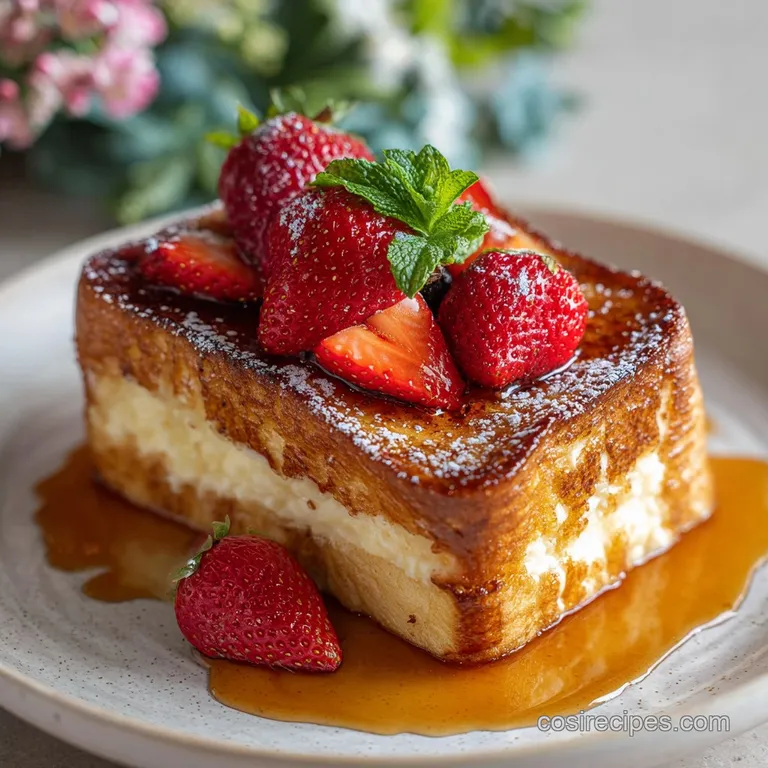
- Prepare the bread. Slice your 1 lb brioche loaf into uniform 1 inch cubes. Note: Uniformity ensures even absorption of the custard.
- Grease the dish. Coat a 9x13 baking dish with butter or non stick spray until every corner is glistening.
- Whisk the liquids. Combine 6 eggs, 2 cups milk, 1/2 cup yogurt, 1/3 cup syrup, and vanilla until the mixture is pale and smooth.
- Add the aromatics. Stir in 1 tsp cinnamon, 1/4 tsp nutmeg, and 1/4 tsp salt. Note: Whisking the spices into the liquid prevents "cinnamon clumps" on the bread.
- Layer the bread. Place half of the brioche cubes in the dish and sprinkle with half of the blueberries.
- Pour the custard. Add the remaining bread and pour the egg mixture over the top until the bread is saturated but not swimming.
- Create the topping. Mix 1/2 cup oats, 1/4 cup flour, 2 tbsp coconut sugar, and 2 tbsp cold butter until it resembles coarse sand.
- Chill the assembly. Let the dish sit for at least 20 minutes (or overnight) until the bread feels heavy and damp.
- Bake the casserole. Preheat oven to 350°F (180°C) and bake for 45 mins until the top is golden and the center doesn't jiggle.
- Rest and serve. Let the dish stand for 10 minutes until the custard fully sets and becomes sliceable.
1. The Staling Science
If your bread is too fresh, it already contains a lot of moisture, which limits how much custard it can take on. To fix this, I often pop the cubes on a baking sheet in a 300°F (150°C) oven for about 10 minutes.
This dries them out without browning them, creating the perfect dry sponge for our vanilla scented soak.
2. Protein Stabilized Custard
The Greek yogurt in this recipe acts as a stabilizer. While the eggs provide the structure, the yogurt adds thickness to the liquid, ensuring it clings to the bread cubes rather than sinking to the bottom. This is how we achieve that uniform, fluffy texture from the top layer to the very bottom of the pan.
3. Controlled Caramelization
The coconut sugar in the streusel topping has a higher mineral content than white sugar. This means it caramelizes at a slightly lower temperature, giving you that dark, rich, almost toffee like flavor on the oat crust without needing to overbake the delicate custard underneath.
Pro Tips and Avoiding Sogginess
The biggest pitfall people face with any baked toast casserole is the "soggy bottom" syndrome. This usually happens if the oven temperature is too low or if the bread wasn't dry enough. Always ensure your oven is fully preheated before the dish goes in.
Why Your Casserole is Soggy
If the center feels wet or undercooked after 45 minutes, it's likely due to the bread cubes being too large or the dish being too deep. A shallow dish allows heat to penetrate the center more efficiently.
| Problem | Root Cause | Solution |
|---|---|---|
| Burnt Topping | Sugar caramelizing too fast | Tent with foil for the last 15 minutes of baking. |
| Dry Bread Pockets | Uneven custard distribution | Press the bread down firmly into the liquid before baking. |
| Rubbery Texture | Overbeating the eggs | Whisk just until combined; don't incorporate too much air. |
Common Mistakes Checklist
- ✓ Use cold butter for the topping to ensure a flaky, not greasy, crust.
- ✓ Don't skip the resting period after baking; the custard needs time to firm up.
- ✓ Pat your fresh blueberries dry after washing to avoid adding extra water.
- ✓ Use a 9x13 dish; a smaller, deeper dish will lead to an unevenly cooked center.
- ✓ If using frozen berries, add them last and do not stir excessively.
Adjusting Your Batch Size
Scaling this recipe is quite simple because the ratios are forgiving. If you’re cooking for a smaller crowd, you can easily halve the recipe.
Downscaling (1/2 batch): Use an 8x8 inch square pan. Use 3 eggs, 1 cup milk, and 1/4 cup yogurt. Reduce the baking time to about 30-35 minutes. Since you're using half an egg count, it’s straightforward, but keep a close eye on the center jiggle around the 30 minute mark.
Upscaling (2x batch): Don't try to double this into one giant deep pan. Instead, use two separate 9x13 dishes. This ensures the heat distribution remains consistent. You can use 12 eggs, but reduce the total milk by about 1/4 cup to prevent the mixture from becoming too thin in large volumes.
Keep the spices at 1.5x the original amount to avoid an overpowering cinnamon flavor.
Debunking Common Breakfast Beliefs
Many people believe that you must soak the bread overnight for a good Brioche French Toast Casserole. This is actually a myth! While an overnight soak is convenient for meal prep, a 20 minute soak with high-quality brioche is often enough.
In fact, soaking too long can sometimes lead to a texture that is too much like bread pudding and not enough like French toast.
Another misconception is that you need heavy cream for a "restaurant quality" custard. Using 2% milk combined with Greek yogurt actually provides a better mouthfeel. The protein in the yogurt provides a clean finish on the palate, whereas heavy cream can sometimes leave a fatty film that masks the delicate flavors of the vanilla and nutmeg.
Preservation and Zero Waste Secrets
Storage: This casserole keeps beautifully in the fridge for up to 4 days. Wrap it tightly in plastic wrap or store slices in an airtight container. To reheat, avoid the microwave if you want to keep the topping crispy.
Instead, pop a slice into a toaster oven or air fryer at 350°F (180°C) for 5-8 minutes.
Freezing: You can freeze the baked casserole for up to 2 months. Let it cool completely, slice it into individual portions, and wrap each slice in foil before placing them in a freezer bag. Thaw overnight in the fridge before reheating.
Zero Waste: If you have leftover brioche crusts or crumbs from cubing the bread, don't toss them! Toss them with a little melted butter and cinnamon sugar and bake them alongside the casserole to make "crouton treats" for snacking.
If you have leftover custard liquid, it makes an excellent base for a small batch of bread pudding or can even be used as a rich base for French toast on the stove the next day.
Elegant Presentation and Color Balance
To make this dish truly master level, we need to focus on the visual "wow" factor. An elegant presentation relies on a thoughtful garnish strategy. I like to use a "Rule of Three" for color accents to make the golden brown bake pop.
- Deep Blue/Purple: The baked blueberries provide the first layer of color. Add a few fresh, uncooked berries on top after baking for a contrast in texture and hue.
- Snowy White: A light dusting of powdered sugar through a fine mesh sieve adds an elegant finish and highlights the craggy peaks of the oat topping.
- Vibrant Green: A tiny sprig of fresh mint placed in the center of the dish adds a professional touch and a refreshing scent.
While it’s not a Yum Yum Sauce Recipe, a drizzle of maple cream or a dollop of extra Greek yogurt on the side provides a beautiful ivory contrast to the dark berries. Serve it on a white platter to let the golden hues of the brioche shine. When you pull this out of the oven, the "shatter" of the crust and the vibrant "burst" of the berries will make it the centerpiece of any table. It’s all about creating that inviting, fluffy look that promises a warm, comforting meal. Enjoy every bite!

Recipe FAQs
What is the ideal bread type for this casserole?
Brioche loaf cut into 1 inch cubes. Its high egg and butter content absorbs the custard beautifully without dissolving, creating a pillowy, luxurious center.
How long must the casserole soak before baking?
At least 20 minutes, or overnight for best results. A minimum soak allows the starch molecules to absorb the liquid custard without collapsing, preventing a soggy bottom.
How do I prevent the oat topping from burning before the center is cooked?
Tent the casserole loosely with aluminum foil halfway through baking. This shields the coconut sugar and butter topping from excessive direct heat while allowing the center to fully set.
Can I substitute the Greek yogurt with heavy cream?
No, substitute with sour cream if necessary, but avoid straight heavy cream. The yogurt provides essential acidity that tenderizes the gluten, preventing a rubbery texture that high fat cream can sometimes create.
How do I dry out brioche cubes that are too fresh?
Bake the cubes at 300°F (150°C) for about 10 minutes. This dries them slightly, creating the perfect porous sponge necessary for maximum custard absorption without browning the bread.
What temperature should the oven be set to?
Preheat the oven to 350°F (180°C). Ensure the oven is fully preheated before placing the dish inside to guarantee even heat penetration and proper protein denaturation.
How should I store leftovers to maintain the topping's crispness?
Reheat portions in a toaster oven or air fryer, not the microwave. Store cooled leftovers tightly wrapped in the refrigerator for up to 4 days, then reheat at 350°F (180°C) for 5-8 minutes to re-crisp the oat streusel.
Brioche French Toast Casserole
Ingredients:
Instructions:
Nutrition Facts:
| Calories | 381 calories |
|---|---|
| Protein | 13.6g |
| Fat | 13.2g |
| Carbs | 53.4g |
| Fiber | 1.8g |
| Sugar | 19.2g |
| Sodium | 468mg |
