Spaghetti Aglio E Olio: Silky and Nutty
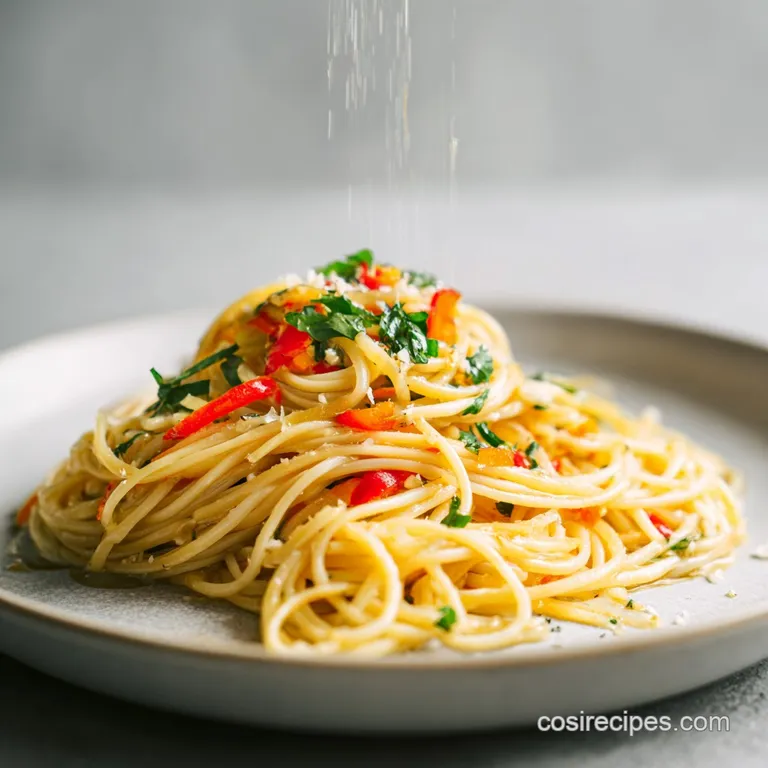
- Time:5 minutes prep + 15 minutes cook = 20 minutes total
- Flavor/Texture Hook: Silky, nutty, and subtly spicy
- Perfect for: Quick weeknight dinners or late night cravings
Starch Suspension: The pasta water acts as a bridge between the oil and the noodles, creating a thick sauce instead of a greasy puddle.
Infusion Control: Starting garlic in cold oil allows the flavor to seep out slowly without the cloves becoming bitter or burnt.
Carryover Hydration: Finishing the pasta in the skillet allows the noodles to absorb the flavored oil and water, seasoning them from the inside out.
Precision Decision Checkpoints
| Cooking Phase | Target Detail | Estimated Time | Visual Cue |
|---|---|---|---|
| Garlic Prep | Paper thin | 3 minutes | Translucent slivers |
| Pasta Boil | Underdone | 8-10 minutes | Chalky white center |
| Skillet Finish | Emulsified | 2 minutes | Glossy, thick coating |
Building this dish is about layering simple flavors. Because there are so few ingredients, the quality of each one really matters. If you use a bitter, low quality oil, the whole dish will taste off. If your garlic is old and sprouting, you'll get a harsh aftertaste. We want fresh, vibrant, and clean flavors here.
| Ingredient | Science Role | Pro Secret |
|---|---|---|
| Extra Virgin Olive Oil | Primary Fat | Use the good stuff; it’s the sauce base. |
| Starchy Pasta Water | Emulsifier | Never toss it; it binds the oil to the pasta. |
| Fresh Garlic | Flavor Core | Slice it, don't press it, for a mellow sweetness. |
| Red Pepper Flakes | Heat Source | Bloom them in the oil to release fat soluble spice. |
Perfect Recipe Specs and Checkpoints
Before you start boiling the water, let’s talk about the specs. We are aiming for three solid servings here. You’ll need 340g of spaghetti that’s about three quarters of a standard pound box.
We’re using 80ml of extra virgin olive oil, which might feel like a lot, but remember: the oil IS the sauce. You also need 8 large cloves of garlic. Yes, eight. We’re not being shy today.
The timing is critical. We have a 5 minutes prep time for all that slicing and a 15 minutes cook time. That 20 minutes total is non negotiable if you want that al dente bite. Don't forget your 2 tablespoons of kosher salt for the water.
Pasta water should taste like the sea, or the noodles will be boring.
| Method | Total Time | Texture | Best For |
|---|---|---|---|
| Stovetop | 20 minutes | Silky and al dente | Authentic, fresh flavor |
| Oven Baked | 45 minutes | Soft and crusty | Large crowds/casseroles |
The stovetop method is vastly superior for Spaghetti Aglio e Olio because it allows you to control the emulsion. In the oven, the oil and water often separate, leaving you with dry noodles on top and a pool of grease on the bottom.
Plus, the stovetop version gives you those beautiful, golden garlic slivers that stay tender rather than getting chewy or bitter.
The Essential Building Blocks
Let’s gather the lineup. This is where we talk about swaps, because I know sometimes the pantry is bare.
- 340g spaghetti: The classic choice. Why this? The long strands provide the perfect surface area for the oil sauce.
- Substitute: Linguine or Bucatini. Both hold the sauce beautifully.
- 2 tablespoons kosher salt: For the boiling water. Why this? It’s the only chance you have to season the pasta itself.
- Substitute: Sea salt, but use 1.5 tablespoons as it's finer.
- 80ml extra virgin olive oil: The heart of the dish. Why this? It provides the fat, flavor, and silky mouthfeel.
- Substitute: high-quality avocado oil, though you'll miss the peppery olive notes.
- 8 large cloves fresh garlic: Sliced thin. Why this? Slicing releases flavor slowly without the harshness of minced garlic.
- Substitute: Shallots for a sweeter, milder vibe, but it's not traditional.
- 0.5 teaspoon red pepper flakes: For a gentle hum of heat. Why this? It cuts through the richness of the oil.
- Substitute: A pinch of cayenne or a sliced fresh Thai chili.
- 15g fresh Italian parsley: Finely chopped. Why this? It adds a necessary grassy freshness to the finish.
- Substitute: Fresh basil or even a bit of lemon zest.
- 120ml pasta cooking water: The "liquid gold." Why this? The starch acts as a natural thickener for the sauce.
- Substitute: There is no substitute. Don't let it go down the drain!
- 1 teaspoon lemon juice: Just a squeeze. Why this? The acidity brightens the heavy fat from the oil.
- Substitute: A drop of white wine vinegar or Verjus.
Equipment for Professional Results
You don't need a fancy kitchen to pull this off, but two specific things will make your life much easier. First, a large heavy bottomed skillet. I prefer stainless steel or a well seasoned cast iron. You need the surface area to toss the pasta and the oil together effectively.
A small saucepan just won't cut it you'll end up with clumps and uneven coating.
Second, get yourself a pair of sturdy tongs. Slicing the garlic into "paper thin" slivers is much easier with a very sharp chef's knife or a mandoline if you’re feeling brave. You also need a large stockpot that can hold at least 4 liters of water.
If the pot is too small, the pasta will release too much starch too quickly and stick together into a gummy mass.
Chef's Tip: Freeze your garlic for about 10 minutes before slicing. It firms up the cloves, making it much easier to get those translucent, professional looking slivers without them slipping under your knife.
From Prep to the Plate
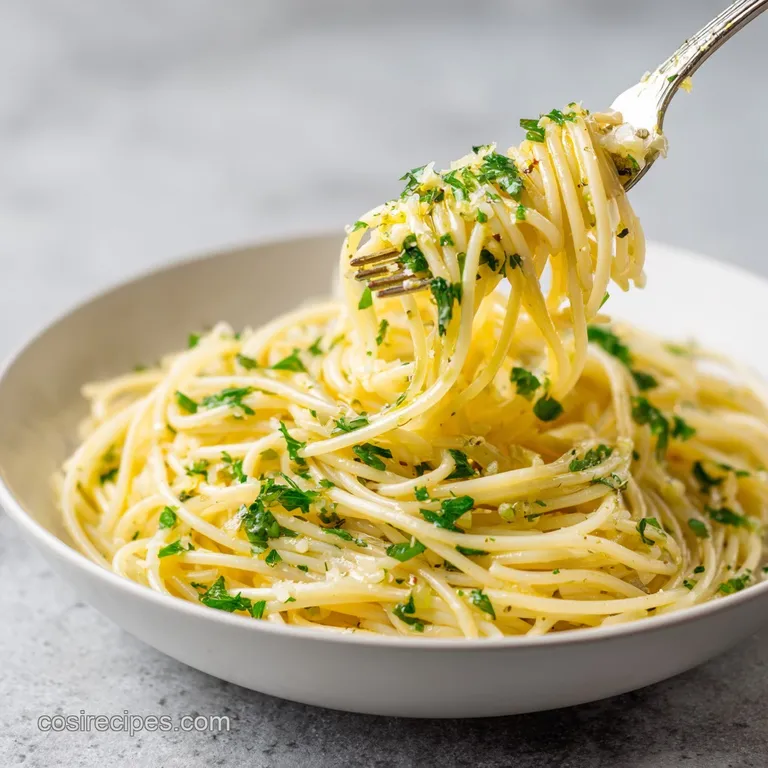
Alright, let's get cooking. Follow these steps closely the order of operations is everything when you're working with such simple ingredients.
- Boil the water. Bring 4 liters of water to a rolling boil in your large stockpot. Add the 2 tablespoons of kosher salt. It should taste like a clean ocean.
- Prep the aromatics. While the water is heating, peel your 8 cloves of garlic and slice them into paper thin, translucent slivers. Chop your 15g of parsley finely.
- Start the pasta. Drop the 340g of spaghetti into the boiling water. Set a timer for 2 minutes less than what the package says. We want it very underdone.
- Infuse the oil. In a large cold skillet, combine the 80ml of olive oil and the garlic slivers. Note: Starting cold prevents the garlic from burning instantly.
- Gently heat. Turn the heat to medium low. Watch as the oil warms and the garlic starts to soften and turn a very pale, champagne gold.
- Add the spice. Stir in the 0.5 teaspoon of red pepper flakes. Cook for exactly 30 seconds until the oil turns a faint orange and smells toasted.
- Save the water. Carefully scoop out 120ml of the starchy pasta water using a heat proof measuring cup before you drain the noodles.
- The big merge. Transfer the undercooked noodles directly into the skillet with the garlic oil. Pour in that reserved 120ml of pasta water.
- Emulsify. Turn the heat up to medium high. Toss everything vigorously with your tongs for 2 minutes until the liquid vanishes and the noodles are coated in a glossy, creamy sauce.
- The finish. Turn off the heat. Stir in the chopped parsley and the 1 teaspoon of lemon juice. Serve immediately while it's steaming.
Fixing Common Cooking Mistakes
Even with a simple dish like this, things can go sideways. The most common heartbreak is burnt garlic. Once garlic goes past golden into dark brown, it turns acrid and bitter. There's no saving it you have to start over.
If you find your pasta is too dry, it’s usually because the heat was too high or you didn't save enough water.
The Bitter Burnt Garlic
If your garlic smells sharp or looks like dark wood, you've overcooked it. This happens fast! Always keep your heat low during the infusion phase. If it starts to brown too quickly, pull the pan off the burner immediately to kill the carryover heat.
Dealing With Dry Pasta
If the noodles look dull instead of shiny, you need more moisture. This is why we save that pasta water. If you already used your 120ml and it's still dry, add a splash more hot water or a tiny drizzle of fresh oil at the very end.
| Problem | Root Cause | Solution |
|---|---|---|
| Greasy mouthfeel | Lack of starch | Add more pasta water and toss longer to emulsify. |
| Bland flavor | Not enough salt | Season the boiling water more heavily next time. |
| Tough noodles | Overcooked | Pull the pasta 2 minutes early from the water. |
Common Mistakes Checklist
- ✓ Never use pre peeled or jarred garlic (it tastes like chemicals).
- ✓ Don't drain the pasta into a colander in the sink (you'll lose the water).
- ✓ Stop the garlic at "pale gold," not "golden brown."
- ✓ Use a large skillet to ensure every strand gets coated.
- ✓ Always add the lemon juice at the very end to keep the flavor bright.
Adaptations and Easy Scaling
If you're cooking for a larger group, say 6 people, don't just double everything blindly. For the spices and salt, use a 1.5x multiplier rather than 2x. Too much red pepper can overwhelm the delicate oil. If you need to make a massive batch, work in two separate skillets.
It's much easier to get the emulsion right when the pan isn't overcrowded.
If you have kids who aren't fans of the spicy garlic punch, you might want to try something like this Taco Spaghetti recipe instead. It's a completely different flavor profile but uses the same noodle base.
Adding an Umami Boost
While not traditional, some people love adding two anchovy fillets to the oil with the garlic. They melt away and add a deep, savory saltiness that is incredible. You could also toss in a handful of toasted breadcrumbs at the end for a "poor man's parmesan" crunch.
The gluten-free Swap
You can absolutely use gluten-free spaghetti. Just be aware that GF pasta releases much less starch into the water. To compensate, you might need to whisk a half teaspoon of cornstarch into your 120ml of pasta water before adding it to the skillet to help the sauce thicken. For another take on savory, non Italian garlic noodles, check out these Hibachi Noodles for a buttery, soy infused alternative.
Storage and Keeping It Fresh
This dish is best eaten the second it leaves the pan. However, if you have leftovers, they’ll stay good in an airtight container in the fridge for up to 3 days. I don't recommend freezing it; the oil and starch emulsion will break, and the noodles will turn to mush when they thaw.
To reheat, don't use the microwave if you can avoid it it makes the oil separate and the garlic taste funky. Instead, put the pasta back in a skillet with a splash of water or a tiny bit of chicken broth. Toss it over medium heat just until it's warmed through and the sauce becomes glossy again.
Zero Waste Tip: Don't throw away those parsley stems! They have a ton of flavor. Finely mince the top inch of the stems along with the leaves for extra crunch and flavor, or toss the longer stems into your next batch of homemade veggie stock.
Best Ideas for Side Dishes
Since Aglio e Olio is quite rich and fatty, you want sides that offer acidity and crunch. A simple arugula salad with a sharp lemon vinaigrette is the classic pairing. The peppery greens cut right through the olive oil.
Carryover Cooking Precision
When you move the pasta from the pot to the skillet, it's still cooking. That's why we pull it 2 minutes early. If you wait until it's perfectly soft in the water, it will be overcooked and mushy by the time the sauce is ready. Think of the skillet as the second half of the cooking process.
The Cold Start Method
Most people wait for the oil to shimmer before adding garlic. Don't do that here. By starting the garlic in cold oil, you allow the cell walls of the garlic to break down slowly. This creates a sweet, mellow garlic flavor that permeates the entire 80ml of oil, rather than just flavoring the outside of the cloves.
This recipe is proof that you don't need a pantry full of expensive ingredients to eat like royalty. Just remember: watch your garlic, save your water, and toss like your life depends on it! Enjoy your dinner or your midnight snack.
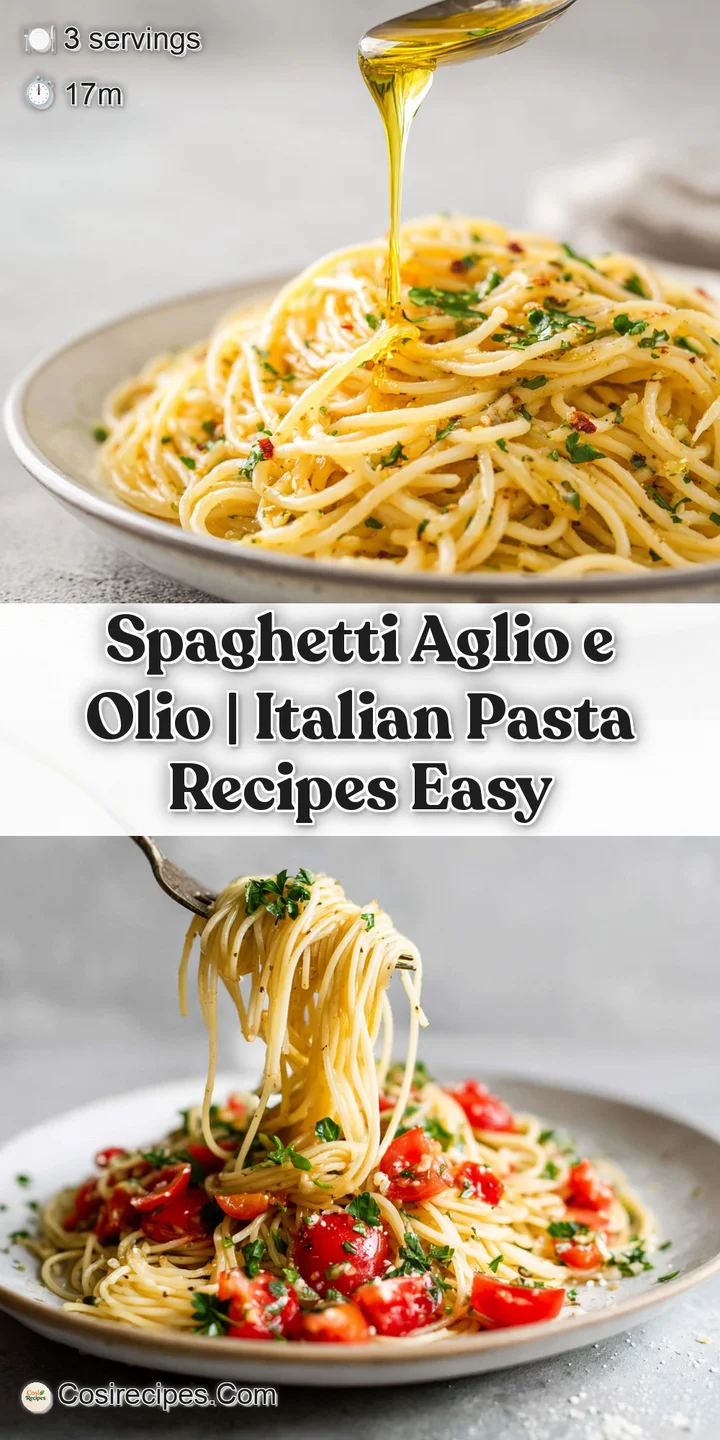
Recipe FAQs
What is the secret to great spaghetti aglio e olio?
Emulsify the sauce with starchy pasta water. Reserving 120ml of the water and tossing it vigorously with the oil and pasta over medium high heat is what transforms simple ingredients into a creamy, glossy coating.
What is aglio e olio made of?
Use only spaghetti, kosher salt, extra virgin olive oil, garlic, red pepper flakes, fresh Italian parsley, and lemon juice. These core ingredients rely on high-quality and precise technique to develop the classic flavor profile.
How do you pronounce aglio e olio?
Say "ah-lyo eh oh-lyo." The "g" in aglio is silent, functioning to soften the "l" sound, similar to the "lli" in million.
What are common aglio e olio mistakes?
Avoid burning the garlic or forgetting to reserve pasta water. If the garlic turns dark brown, it becomes bitter; you must start in a cold skillet to gently coax out the flavor, and the starchy water is essential for creating the emulsion.
Is it necessary to use a high-quality olive oil for this dish?
Yes, because the oil is a primary flavor component. Since the recipe uses minimal ingredients, a flavorful extra virgin olive oil significantly impacts the final taste of the dish.
How to reheat leftovers without ruining the texture?
Place the pasta in a skillet over medium heat with a splash of water. Avoid the microwave, as it causes the oil to separate and the garlic flavor to turn funky, while the skillet method helps restore the glossy consistency.
Is it true I can freeze my leftover aglio e olio for later?
No, this is a common misconception. Freezing causes the delicate emulsion of oil and starch to break, resulting in mushy, unappealing noodles upon thawing.
Classic Spaghetti Aglio E Olio
Ingredients:
Instructions:
Nutrition Facts:
| Calories | 650 calories |
|---|---|
| Protein | 14.8 grams |
| Fat | 26.1 grams |
| Carbs | 88.3 grams |
| Fiber | 3.8 grams |
| Sugar | 3.1 grams |
| Sodium | 485 milligrams |
