Easy Hibachi Fried Rice Recipe
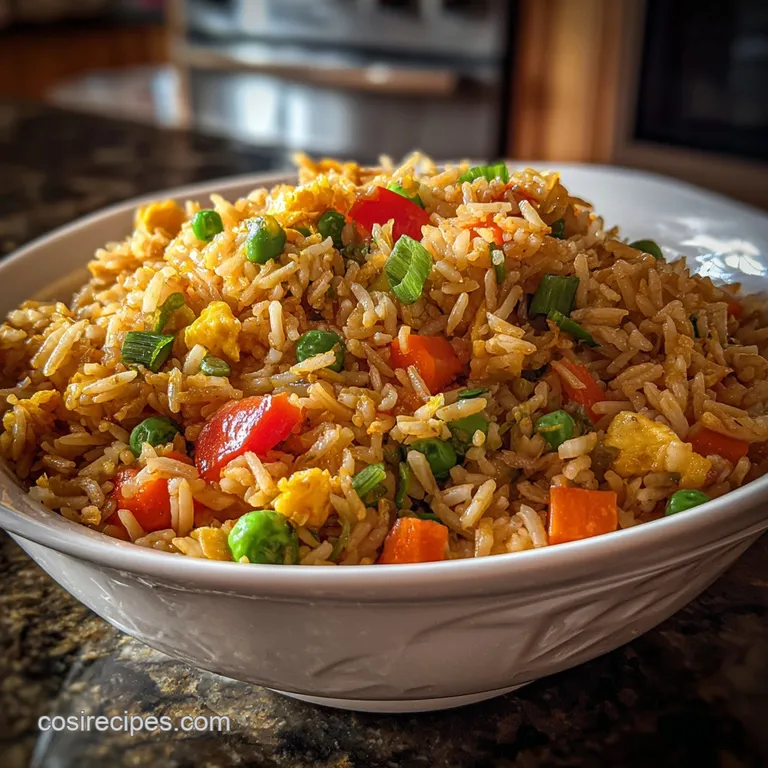
- Time: Active 10 mins, Passive 10 mins, Total 20 mins
- Flavor/Texture Hook: Smoky charred grains with velvety butter notes
- Perfect for: Recreating restaurant favorites for weeknight dinners
- Mastering This Easy Hibachi Fried Rice Recipe
- Decoding Why Hibachi Rice Works
- Essential Hibachi Ingredients And Swaps
- Necessary Tools For Better Searing
- Step By Step Cooking Guide
- Avoiding Mushy Rice And Mistakes
- Adding Protein And Flavor Variations
- Storing And Reheating Your Leftovers
- Myths About Fried Rice
- Best Ways To Serve Rice
- Easy Hibachi Fried Rice Recipe FAQs
- 📝 Recipe Card
Mastering This Easy Hibachi Fried Rice Recipe
The first time I sat at a hibachi grill, I wasn't watching the onion volcano or the flying shrimp. I was staring at the rice. I watched that massive slab of butter hit the flat top, followed by a mountain of cold rice that began to sizzle and dance as the chef tossed it with rhythmic precision.
The aroma of toasted sesame oil and browning butter was so addictive, I knew I had to decode it for my own kitchen.
I spent months making soggy, sad rice at home until I realized I was overcomplicating the process. You don't need a thousand dollar teppanyaki grill to get those smoky, charred edges. You just need to understand how heat interacts with cold starch.
It took a few "mushy" disasters to realize that fresh rice is actually the enemy here. Once I switched to cold, day old Jasmine rice, everything clicked.
We've all been there ordering takeout because we crave that specific savory punch, only to be disappointed by a greasy box of lukewarm grains. This easy hibachi fried rice recipe is about reclaiming that experience.
It's fast, it's practical, and honestly, it’s better than the restaurant version because we control the quality of the butter and the salt levels. Let's get into the mechanics of why this works.
Decoding Why Hibachi Rice Works
The Starch Retrogradation Effect
Starch Crystallization: Cooling rice for 12 hours allows the amylose molecules to realign into a firm structure. This "retrogradation" prevents the grains from bursting or turning into mush when they hit the over high heat pan.
Maillard Reaction: The combination of unsalted butter and soy sauce at high temperatures creates a complex browning effect. This interaction produces the deep, savory notes that give the rice its "steakhouse" depth.
Fat Based Insulation: Coating each grain in a thin layer of toasted sesame oil and butter creates a barrier. This prevents the soy sauce from soaking into the grain, which keeps the interior fluffy while the exterior crisps.
| Method | Prep Time | Grain Texture | Best For |
|---|---|---|---|
| The Fast Method | 30 minutes | Slightly softer | Last minute cravings |
| The Classic Way | 24 hours | Individual, firm grains | Authentic restaurant results |
| Pressure Cooker | 45 minutes | Chewier grain | Bulk meal prepping |
The difference between a "good" rice and an addictive one often comes down to the heat of your pan. If the pan isn't hot enough, the vegetables will steam rather than sear, releasing moisture that ruins your texture.
You want to hear a constant, aggressive sizzle from the moment the 4 tbsp unsalted butter hits the surface until the last green onion is tossed in.
Essential Hibachi Ingredients And Swaps
To truly decode the hibachi experience, you have to look at the components as more than just "stuff in a pan." Every element has a job. The 1 tbsp toasted sesame oil isn't just for fat; it’s for that aromatic, nutty finish that hits your nose before the rice even touches your tongue.
The Component Deep Dive
| Ingredient | Science Role | Pro Secret |
|---|---|---|
| Jasmine Rice | High amylopectin | Use 4 cups of cold rice for structural integrity. |
| Unsalted Butter | Fat & Milk Solids | Browns quickly to add a nutty, velvety flavor. |
| Soy Sauce | Umami & Salt | Always use low sodium to control the seasoning levels. |
| Large Eggs | Protein Binder | Whisk lightly for ribbons of velvety texture. |
When selecting your vegetables, consistency is key. We are using 1/2 cup sweet onion and 1/2 cup carrots, both diced small. Small cuts ensure they soften in the same 10 minutes it takes to fry the rice, preventing crunchy raw carrot surprises in your bowl.
Smart Substitutions
| Original Ingredient | Substitute | Why It Works |
|---|---|---|
| Jasmine Rice | Basmati Rice | Similar long grain structure; stays separate when fried. |
| Soy Sauce | Tamari | Provides the same umami punch while being gluten-free. |
| Unsalted Butter | Ghee | Higher smoke point but keeps that addictive dairy flavor. |
| Sweet Onion | Shallots | A more delicate, garlicky sweetness that melts into the rice. |
Why this? Using day old Jasmine rice is non negotiable for that distinct, separate grain texture found in steakhouses.
Necessary Tools For Better Searing
You don't need a flat top grill, but you do need surface area. A large carbon steel wok or a heavy 12 inch cast iron skillet (like a Lodge) is your best friend here. These materials hold onto heat like a champ, which is vital when you dump 4 cups of cold rice into the pan.
If the temperature drops too fast, the rice will stick and steam.
A wide, flat spatula is also essential. In hibachi cooking, we aren't just stirring; we are pressing and tossing. You want to be able to press the rice against the hot metal to encourage that "shatter" on the edges of the grains. I also keep a small prep bowl for the 3 large eggs.
Having them lightly beaten and ready to go prevents you from overcooking the vegetables while you're fumbling with eggshells.
Chef's Tip: Freeze your butter for 10 minutes before dicing it. Cold butter chunks melt more slowly, giving you more time to coat the rice before the milk solids burn.
step-by-step Cooking Guide
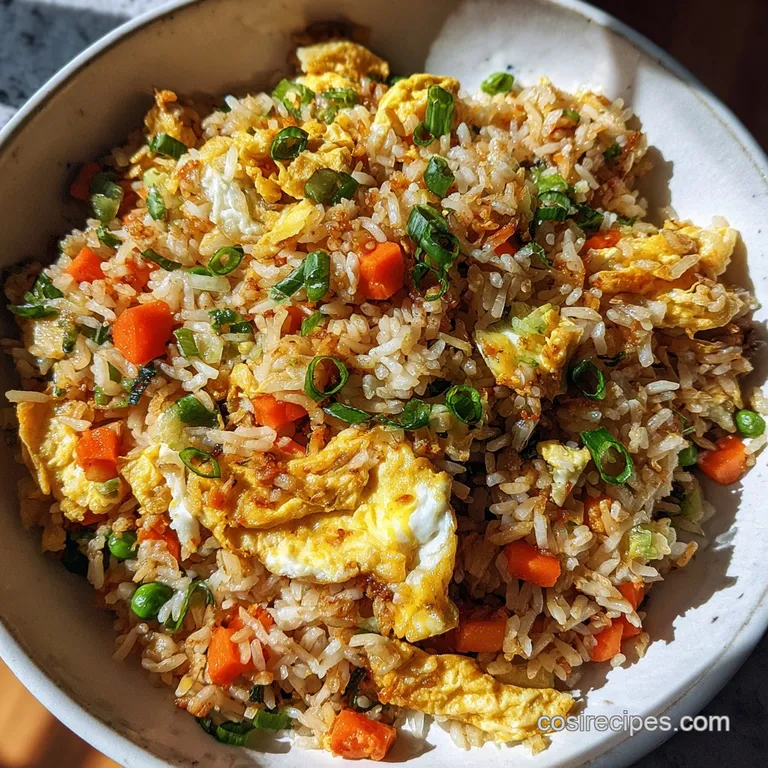
Let's break this down into a flow. Fried rice moves fast. Once you start, you won't have time to chop a single green onion. Have all your hibachi fried rice ingredients measured and ready in small bowls (mise en place).
- Sizzle the aromatics. Melt 2 tbsp of the unsalted butter in a large skillet over medium high heat. Add the 1/2 cup sweet onion and 1/2 cup carrots. Note: We want the onions translucent but the carrots to still have a slight bite.
- Scramble the eggs. Push the vegetables to the edges of the pan. Pour the 3 beaten eggs into the center. Cook 1-2 mins until just set but still velvety. Break them into small pieces and mix with the veg.
- Heat the base. Add another 1 tbsp of butter and the 4 cups of cold Jasmine rice. Sauté 3-4 mins until grains are separated and hot. You should hear the rice "pop" as it fries.
- Infuse the aromatics. Stir in the 2 cloves minced garlic, 1/2 tsp onion powder, and 1/4 tsp ground ginger. Note: We add garlic now so it doesn't burn during the initial over high heat rice sear.
- Add the garden mix. Toss in the 1/4 cup thawed peas. Since they are already cooked, they just need 60 seconds to warm through and stay bright green.
- Apply the umami glaze. Drizzle the 3 tbsp low sodium soy sauce and 1 tbsp toasted sesame oil over the rice.
- Season and sear. Sprinkle the 1/4 tsp salt and 1/4 tsp cracked black pepper. Toss 2 mins until the rice absorbs the liquid and begins to crisp.
- The finishing touch. Add the final 1 tbsp of butter and the 2 sliced green onions. Note: This "cold butter finish" creates a glossy, restaurant style coating.
- Final Rest. Remove from heat and let it sit for 1 minute before serving to allow the flavors to settle.
Avoiding Mushy Rice And Mistakes
The biggest heartbreak in an easy hibachi fried rice recipe is ending up with a sticky, clumped mess. This usually happens because of "moisture creep." If your rice was cooked with too much water, or if you added too many wet vegetables, the steam will win the battle against the sear.
Why Your Rice Clumps
If you find your rice is sticking, it’s usually because the pan wasn't hot enough or you used fresh, warm rice. Warm rice still has active surface starches that act like glue. By using cold rice, those starches are locked away inside the grain.
| Problem | Root Cause | Solution |
|---|---|---|
| Rice is mushy | Excess moisture | Spread rice on a tray and air dry for 30 mins before frying. |
| Bland flavor | Lack of aromatics | Increase the ginger or use a dash of MSG (the secret umami). |
| Eggs are rubbery | Overcooked eggs | Remove eggs from the pan once set and add back at the end. |
Common Mistakes Checklist
- ✓ Never use fresh rice; the steam will turn the dish into porridge.
- ✓ Preheat the pan for 3 full minutes before adding the first knob of butter.
- ✓ Don't overcrowd the pan; if doubling the recipe, work in two batches.
- ✓ Use cracked black pepper, not fine powder, for those distinct spicy pops.
- ✓ Add the soy sauce to the sides of the pan, not directly on the rice, to caramelize it slightly.
Adding Protein And Flavor Variations
While this is a simple hibachi fried rice, it’s a perfect canvas for leftovers. I often toss in whatever is in the fridge. The trick is to cook your proteins separately and add them back in at the very end so they don't steam the rice.
Protein Power Ups
- Shrimp: Sear 1/2 lb of peeled shrimp with a little garlic butter first. Remove and set aside.
- Steak: Use leftover ribeye or sirloin, diced into 1/2 inch cubes.
- Chicken: Thigh meat is better than breast here; it stays juicy under the high heat.
Dietary Swaps
If you are looking for a lighter version, you can swap half the rice for cauliflower rice. However, you must squeeze every drop of water out of the cauliflower first, or it will ruin the texture of the real rice.
For a vegan version, use a high-quality vegan butter and a "just egg" substitute, though you'll lose some of that specific dairy browning.
Decision Shortcut If you want extra crispiness, let the rice sit undisturbed in the pan for 60 seconds before the final toss. If you want more umami, add a teaspoon of oyster sauce or hoisin sauce with the soy.
If you want spicy hibachi, toss in a teaspoon of chili crunch or sriracha at the very end.
Storing And Reheating Your Leftovers
Fried rice is one of those rare dishes that actually holds up well. I usually make a double batch specifically for lunches. The fats in the butter and sesame oil help keep the grains from drying out too much in the fridge.
- Storage: Store in an airtight container in the fridge for up to 4 days.
- Freezing: You can freeze this! It lasts about 2 months. Freeze it in a single layer on a sheet tray first, then move to a bag to prevent it from becoming one giant block.
- Reheating: Avoid the microwave if possible. Reheat in a skillet with a tiny splash of water and a half teaspoon of butter. The water creates steam to soften the grain, while the butter re crisps the exterior.
- Zero Waste: Have leftover veggie scraps? Finely mince broccoli stems or cabbage and toss them in with the onions. They add great texture and fiber.
Myths About Fried Rice
Myth 1: You must have a wok to make good fried rice. Actually, a large cast iron skillet often works better on standard electric or induction stoves because it has more contact with the heating element. A wok is designed for the "lick" of a gas flame, which most home kitchens lack.
Myth 2: Soy sauce is the only seasoning you need. Wrong. The "hibachi" flavor comes from the trinity of butter, onion powder, and garlic. Soy sauce provides salt and color, but the butter provides the soul. If you only use soy sauce, you just have basic takeout rice.
Myth 3: You can use any rice. Long grain rice like Jasmine or Basmati is essential. Short grain rice (like sushi rice) has too much starch and will always clump together, no matter how much you fry it. Keep the short grains for your rolls and the long grains for your stir fry.
Best Ways To Serve Rice
Serving this rice is all about the "wow" factor. In a steakhouse, it’s served in a small, tight bowl shaped mound. You can mimic this at home by packing the rice into a small bowl and inverting it onto a plate. It keeps the heat trapped inside and looks professional.
I love serving this alongside a quick ginger soy chicken or some garlic butter shrimp. If you really want the full experience, make a quick "Yum Yum Sauce" (mayo, ketchup, sugar, paprika, and garlic powder) to drizzle over the top.
The creamy, tangy sauce against the smoky, buttery rice is exactly what makes those restaurant meals so addictive.
Don't forget the extra green onions on top for a hit of fresh crunch. This dish is meant to be eaten hot, right out of the pan, while the grains still have that slight "shatter" from the sear. It’s a decoding of a classic that you'll find yourself making every single week. Enjoy the sizzle!
Easy Hibachi Fried Rice Recipe FAQs
What are the ingredients in hibachi fried rice?
The core ingredients are day-old Jasmine rice, unsalted butter, low sodium soy sauce, and eggs. You also need aromatics like sweet onion, garlic, carrots, and toasted sesame oil for the signature flavor profile.
What do hibachi chefs squirt on rice?
Hibachi chefs primarily use unsalted butter and sometimes a splash of cooking sake or water. The butter provides the necessary fat for searing and the milk solids create the nutty, browned flavor when cooked on high heat.
Why does hibachi fried rice taste so good?
It tastes good due to the high heat searing causing the Maillard reaction on the cold, dry grains. This process creates smoky, charred edges on the rice while the butter adds a rich, velvety mouthfeel.
What's the secret to hibachi flavor?
The secret is using cold, day-old rice combined with a heavy dose of browned butter and toasted sesame oil. This layering of fats ensures the grains are coated and fry instead of steam, locking in savory depth.
How do I prevent my homemade hibachi rice from becoming mushy?
Always use rice that has been refrigerated for at least 12 hours to allow starch retrogradation. Cook the rice in small batches on the hottest setting possible to ensure aggressive searing, not steaming.
How do I achieve that characteristic slightly charred texture?
Press the rice flat against the hot surface of your cast iron or wok for about 60 seconds before tossing. This maximizes contact between the grain and the pan, encouraging the edges to crisp up nicely.
What kind of rice must I use for authentic texture?
You must use long grain rice, preferably Jasmine. Short grain rice has too much starch and will inevitably clump and turn gummy, regardless of cooking technique.
Easy Hibachi Fried Rice
Ingredients:
Instructions:
Nutrition Facts:
| Calories | 419 kcal |
|---|---|
| Protein | 10.2 g |
| Fat | 19.2 g |
| Carbs | 50.4 g |
| Fiber | 1.6 g |
| Sugar | 2.1 g |
| Sodium | 512 mg |
