Baked Salmon Recipe in Foil with Asparagus
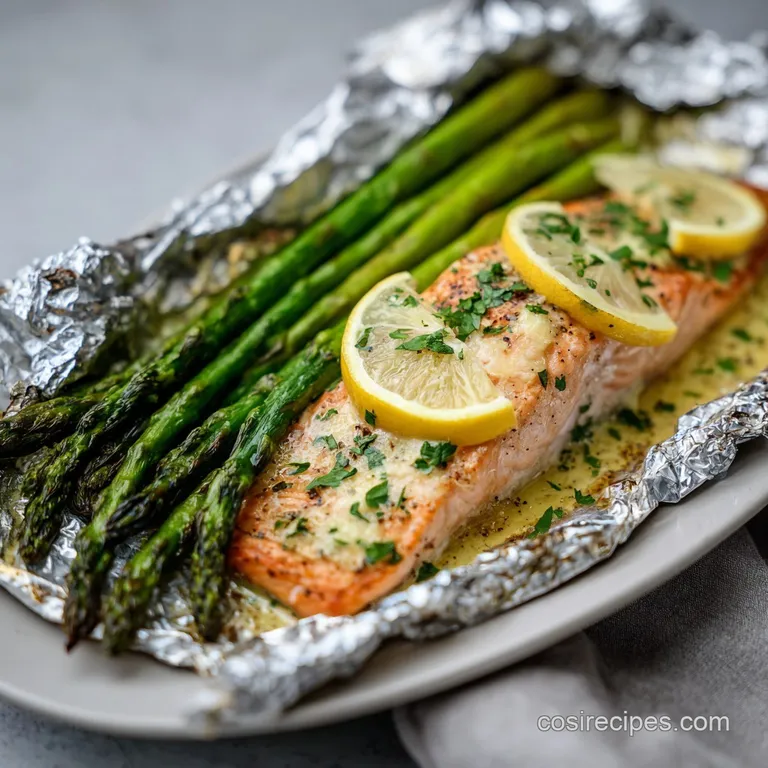
- Master the Perfect Baked Salmon Recipe in Foil
- Thermodynamics of the Vapor Trap
- Essential Recipe Specifications
- Component Analysis
- Elements for Fresh Flavor
- Kitchen Gear for Success
- Step-by-Step Cooking Guide
- Expert Advice and Fixes
- Tasty Variations to Try
- Debunking Kitchen Myths
- Fresh Storage and Reuse
- Perfect Serving Suggestions
- Recipe FAQs
- 📝 Recipe Card
Master the Perfect Baked Salmon Recipe in Foil
The scent of garlic hitting warm butter is enough to make anyone lose their mind, but when you add the bright, citrusy zing of lemon, it’s a whole different story. I remember the first time I tried making salmon without a plan; it ended up as a dry, sad piece of fish that even my cat wouldn't touch.
This baked salmon recipe in foil with asparagus and lemon garlic butter sauce makes an incredibly flavorful and easy weeknight dinner.
We’re going for a texture that’s so buttery it practically melts the second it hits your tongue. By sealing everything into a neat little silver envelope, you’re creating a private steam chamber where the fish poaches in its own juices and the lemon garlic emulsion.
It’s the ultimate hack for anyone who’s ever been intimidated by cooking seafood at home. You’ll get that velvety, tender finish every single time without having to stand over a hot stove or scrub a crusty pan afterward.
Thermodynamics of the Vapor Trap
Conduction and Steam: The aluminum foil acts as a thermal conductor that surrounds the fish with even heat while trapping moisture. This prevents the protein fibers from tightening too quickly, which usually leads to a tough, dry texture.
Emulsification Stability: Melting the butter with lemon juice and garlic creates a temporary emulsion that coats the salmon. As the heat rises, this sauce thickens slightly, clinging to the flaky layers rather than just running off into the bottom of the packet.
Aromatic Infusion: Because the packet is sealed, the volatile compounds in the garlic and lemon zest are forced back into the flesh of the salmon. This results in a deeper flavor profile than traditional open air roasting.
| Fillet Thickness | Internal Temp | Rest Time | Visual Cue |
|---|---|---|---|
| 0.5 inch | 145°F (63°C) | 3 minutes | Opaque and pale pink |
| 1.0 inch | 145°F (63°C) | 5 minutes | Flakes easily with fork |
| 1.5 inches | 145°F (63°C) | 5 minutes | Center is no longer translucent |
Essential Recipe Specifications
Getting the timing right is the difference between a flaky masterpiece and a rubbery mess. We’re looking for a total cook time of about 15 minutes, but keep an eye on the thickness of your fillets. If you’re using thinner cuts, they might be done closer to 12 minutes.
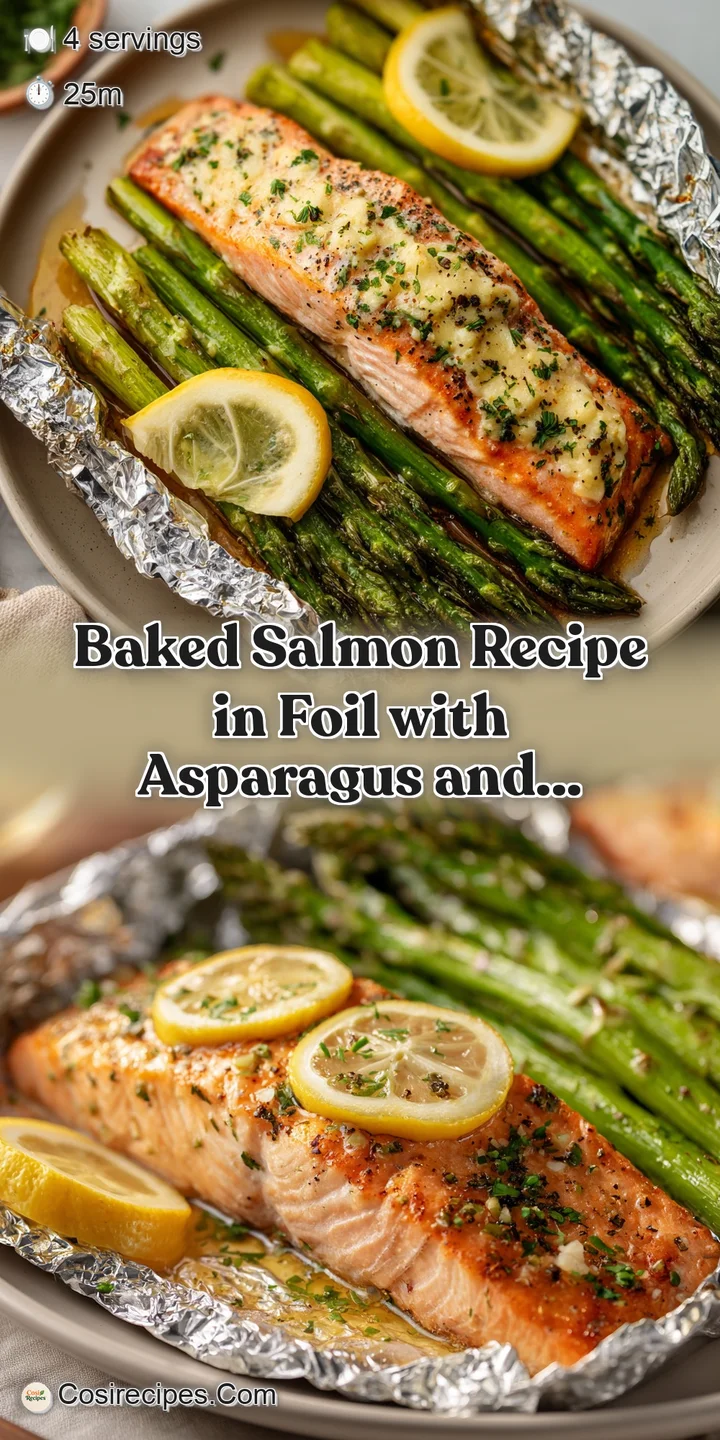
The prep is a breeze at just 10 minutes, making the total journey from fridge to table a quick 25 minutes.
If you’re hosting a larger crowd, you can easily double the recipe in foil by using two separate baking sheets. Just make sure the packets aren’t overlapping so the air can circulate freely. For another fast seafood option, my Hibachi Shrimp Recipe is a great way to keep that fresh, healthy vibe going throughout the week.
Component Analysis
| Ingredient | Science Role | Pro Secret |
|---|---|---|
| Salmon Fillets | Protein Base | Pat dry to ensure the garlic butter sticks to the surface. |
| Unsalted Butter | Fat & Texture | Use European style butter for a higher fat content and creamier finish. |
| Fresh Garlic | Flavor Catalyst | Mince it finely so it dissolves into the sauce during the bake. |
| Lemon Zest | High Note Aroma | Grate only the yellow part; the white pith is bitter and ruins the sauce. |
Elements for Fresh Flavor
- 4 (6 oz) salmon fillets: Why this? The fat content in salmon keeps it moist during over high heat baking. (Substitute: Steelhead trout for a similar texture)
- 1 lb fresh asparagus: Why this? The woody ends are removed to ensure every bite is tender. (Substitute: Fresh green beans)
- 2 tbsp olive oil: Why this? Provides a high smoke point for roasting the vegetables. (Substitute: Avocado oil)
- 1 tsp sea salt: Why this? Enhances the natural oils of the fish. (Substitute: Kosher salt)
- 0.5 tsp freshly cracked black pepper: Why this? Adds a subtle, sharp bite to the citrus. (Substitute: White pepper)
- 4 tbsp unsalted butter, melted: Why this? Forms the base of our velvety lemon sauce. (Substitute: Ghee)
- 4 cloves garlic, minced: Why this? Provides a pungent, savory backbone. (Substitute: 1 tsp garlic powder)
- 1 tbsp fresh lemon juice: Why this? Cuts through the richness of the butter. (Substitute: Lime juice)
- 1 tsp lemon zest: Why this? Contains essential oils for a powerful citrus punch. (Substitute: Dried lemon peel)
- 0.5 tsp dried oregano or dill: Why this? Adds an earthy, Mediterranean herbaceous note. (Substitute: Dried thyme)
- 1 lemon, sliced into rounds: Why this? Acts as a buffer between the heat and the fish. (Substitute: Orange slices)
- 1 tbsp fresh parsley, chopped: Why this? A fresh finish to brighten the dish. (Substitute: Fresh chives)
Kitchen Gear for Success
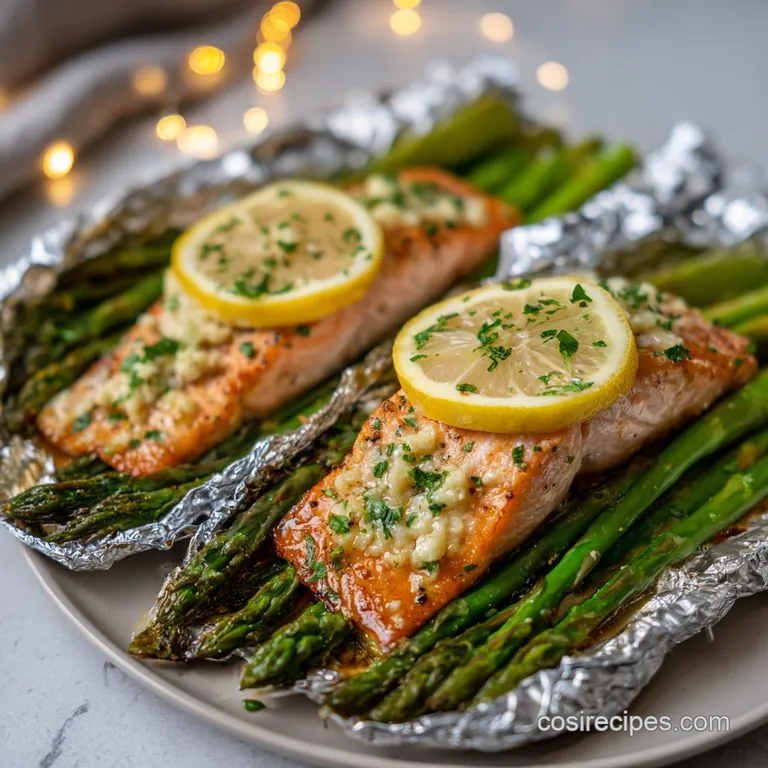
You don't need much, but a heavy duty aluminum foil is your best friend here. Cheap, thin foil tends to tear when you're folding the edges, which lets all that precious steam escape. You'll also want a large rimmed baking sheet to catch any potential drips.
Chef's Tip: Freeze your butter for 10 minutes before melting it. It sounds counterintuitive, but it helps the milk solids stay slightly more intact when you whisk in the lemon juice, giving you a thicker sauce.
A sharp knife for trimming the asparagus and a zester are also essential. If you want to take your sauce game to the next level, you might want to look at a dedicated Lemon Butter Sauce recipe for other fish dishes.
step-by-step Cooking Guide
Phase 1: Preparation and Emulsion
- Preheat your oven to 400°F (200°C). Note: A hot oven is crucial for immediate steam generation.
- Trim the woody ends off the 1 lb fresh asparagus and toss them in 2 tbsp olive oil with a pinch of salt.
- Whisk together 4 tbsp melted butter, 4 minced garlic cloves, 1 tbsp lemon juice, 1 tsp zest, and 0.5 tsp dried oregano.
Phase 2: Building the Infusion Packets
- Lay out four large squares of heavy duty foil.
- Divide the asparagus evenly among the foil sheets, placing them in the center.
- Place one 6 oz salmon fillet on top of each asparagus bed. Watch for the sizzle if your ingredients are room temp.
- Season the fish with the remaining sea salt and cracked black pepper.
Phase 3: The Precision Seal and Bake
- Drizzle the garlic butter mixture generously over each fillet.
- Top each piece with a lemon slice and a sprinkle of parsley.
- Fold the sides of the foil over the salmon and seal the ends tightly. Ensure no gaps remain to trap the steam.
- Bake for 15 minutes until the salmon is opaque and flakes easily.
Expert Advice and Fixes
One mistake I once made was overcrowding the foil. If you bunch the asparagus up too much, the stalks at the bottom stay raw while the top ones get mushy. Space them out into a single layer so they can roast properly in the oil.
Why Your Salmon Is Rubbery
If the fish feels like a bouncy ball, it’s overcooked. This usually happens if the oven is too cold and the fish sits in there too long, or if you left it in the foil too long after taking it out. The carryover heat continues to cook the protein even once it's on the counter.
Why the Asparagus Is Soggy
Water is the enemy of a good roast. If you wash your asparagus right before putting it in the foil without drying it, you're essentially boiling it. Pat those spears dry with a paper towel before tossing them in the oil.
| Problem | Root Cause | Solution |
|---|---|---|
| Bland taste | Lack of salt on the fish | Season the salmon directly before adding the butter sauce. |
| Foil sticking | Not enough oil | Lightly grease the foil or the asparagus bed before placing the fish. |
| Grey appearance | No browning | Open the foil for the last 2 minutes and use the broiler. |
✓ Pat salmon completely dry before seasoning (prevents a watery mess) ✓ Preheat your baking sheet in the oven for 5 minutes for a faster start ✓ Use fresh garlic only; the jarred stuff has a metallic aftertaste ✓ Let the fish rest in the closed foil for 3
minutes before opening ✓ Double fold the edges of the foil to create a true pressure seal
Tasty Variations to Try
If you want to swap things up, try a Mediterranean twist. Add a handful of kalamata olives and some halved cherry tomatoes into the packet. The tomatoes will burst and create a beautiful, jammy sauce that mingles with the lemon butter.
For a dairy-free alternative, you can use ghee or even a high-quality avocado oil. The flavor won't be as "French bistro," but the healthy fats from the avocado oil pair beautifully with the salmon. If you're looking for a different protein entirely, this technique works wonders with white fish too, like in a Baked Cod with recipe.
The Decision Shortcut
- If you want a crispy top, open the foil and broil for 2-3 minutes at the very end.
- If you want extra tender veg, slice the asparagus thinner or use baby spears.
- If you want a spicier kick, add a pinch of red chili flakes to the butter mixture.
| Cooking Method | Time | Texture | Best For |
|---|---|---|---|
| Oven (Foil) | 15 minutes | Silky and moist | Easy cleanup and meal prep |
| Stovetop (Pan) | 10 minutes | Crispy skin/crust | Immediate serving |
| Air Fryer | 12 minutes | Very flaky | Small batches (1-2 people) |
Debunking Kitchen Myths
A common misconception is that the shiny side of the foil must face inward to reflect heat. In reality, for a standard home oven, it makes almost zero difference which side faces the fish.
The heat is transferred mostly through convection and conduction, not radiation, so don't stress about which way the foil is facing.
Another myth is that you must bring salmon to room temperature before cooking. While it helps with evenness, the foil method is so forgiving that you can pull the fillets straight from the fridge. The steam environment is much more gentle than a searing hot cast iron pan, so the risk of a cold center is minimal.
Fresh Storage and Reuse
Storage: Keep any leftovers in an airtight container in the fridge for up to 3 days. I don't recommend freezing the cooked salmon, as the texture becomes grainy once thawed.
Zero Waste: Don't throw away those trimmed asparagus ends! You can toss them into a freezer bag and use them later to flavor a vegetable stock. If you have leftover salmon, flake it into a salad the next day or mix it with a little mayo and celery for a high protein "salmon salad" sandwich.
Perfect Serving Suggestions
When you're ready to eat, don't just dump the salmon onto a plate. Open the foil carefully watch out for that initial blast of steam and pour all those buttery juices right over the fish. It’s basically liquid gold.
This dish is naturally low carb, but if you want something heartier, it pairs beautifully with a side of fluffy quinoa or even some simple roasted potatoes.
Right then, you're all set to make a meal that looks fancy but actually took less effort than a frozen pizza. Trust me, once you see how flaky this turns out, you'll never go back to basic baking. Let's crack on and get that oven preheated!
Recipe FAQs
What is the ideal oven temperature for baking salmon in foil?
400°F (200°C). This higher heat is crucial for quickly generating the steam needed inside the foil packet to keep the fish moist.
How long should I bake a standard 1 inch thick salmon fillet?
Bake for 15 minutes. The salmon should reach an internal temperature of 145°F and flake easily when tested with a fork.
Is it true that I must use the dull side of the aluminum foil facing the food?
No, this is a common misconception. For home ovens, the difference in heat reflection between the shiny and dull sides is negligible; focus instead on ensuring a tight seal.
How do I ensure my asparagus cooks fully without overcooking the salmon?
Trim the woody ends and slice them thinly before assembly. If you are using thick spears, consider tossing them in oil and roasting them on the baking sheet for 5 minutes before placing the fish packets on top.
How do I create a flavorful, non-watery garlic butter sauce in the foil?
Whisk the melted butter vigorously with the lemon juice and zest immediately before drizzling. Patting the salmon dry first ensures the sauce adheres to the protein rather than just sitting in excess moisture.
Can I substitute the salmon with another protein, like shrimp?
Yes, you can substitute with shrimp, but reduce the cooking time significantly. Shrimp requires much less time to cook through; check for doneness around 10 minutes, much faster than the salmon bake time.
What is the best way to serve this dish if I want a heartier meal?
Serve the foil contents over a bed of whole grains or creamy potatoes. This flavorful, citrus infused butter sauce pairs wonderfully with starches, much like the sauce base we use in the Shrimp and Grits recipe.
Foil Baked Salmon Dinner
Ingredients:
Instructions:
Nutrition Facts:
| Calories | 542 kcal |
|---|---|
| Protein | 37g |
| Fat | 41g |
| Carbs | 6g |
| Fiber | 3g |
| Sugar | 2g |
| Sodium | 620mg |
