Grilled Grouper Recipe: Flaky and Buttery
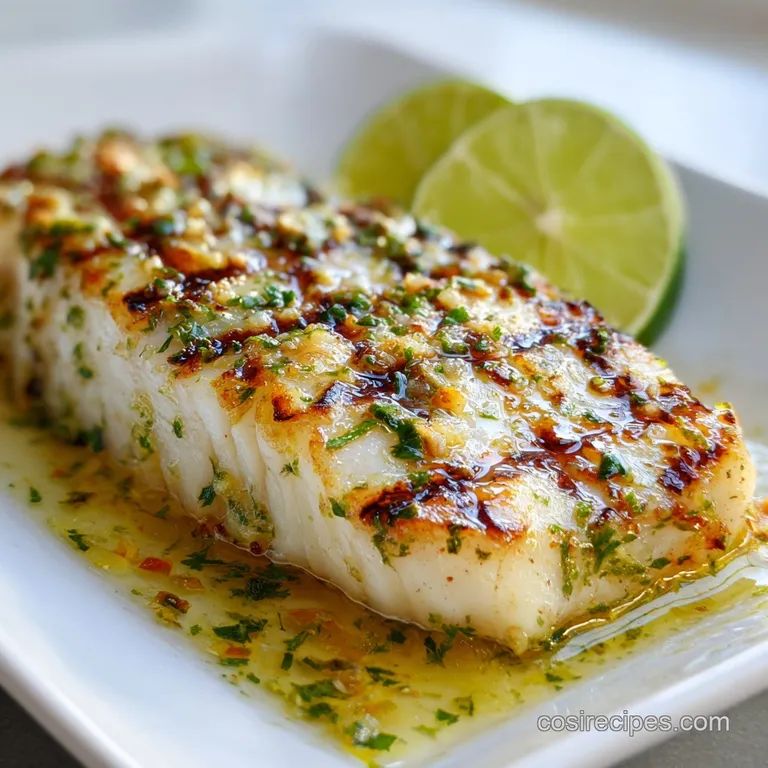
- Time: Active 15 minutes, Passive 8 minutes, Total 23 minutes
- Flavor/Texture Hook: Flaky, charred, and buttery
- Perfect for: High end weekend dinners or healthy weeknight meals
- The Best Fresh Grilled Grouper Recipe
- Why This Method Succeeds
- Essential Preparation Details
- Components for the Perfect Flake
- Tools for Grilling Success
- Mastering the Cooking Process
- Solving Common Grilling Errors
- Adaptations for Special Diets
- Scaling the Recipe
- Myths About Grilling Fish
- Storage and Waste Reduction
- The Best Side Dishes
- Recipe FAQs
- 📝 Recipe Card
The Best Fresh Grilled Grouper Recipe
Picture this: the sun is dipping low, the grill is roaring, and the first fillet hits the grate with an immediate, violent sizzle. That sound is the promise of a perfect crust. I remember the first time I tried to grill grouper on a whim after a trip to the Gulf coast.
I didn't know then that grouper is a lean, sturdy fish that demands respect and a lot of fat to keep it from turning into a dry brick. I messed up that first batch, but it taught me that the secret lies in the contrast between the over high heat sear and a rich, velvety finish.
There’s something truly special about the way a fresh grouper fillet behaves over an open flame. It has this incredible ability to take on smoke while remaining light and clean.
You get that salty, charred exterior that practically shatters when you bite into it, followed immediately by the mild, sweet flavor of the fish itself. It’s a Mediterranean inspired dream that doesn't require a culinary degree, just a little bit of patience and a very hot grill.
We’re going to build layers of flavor here, from the earthy thyme in the marinade to the bright, zesty punch of the garlic lemon butter that melts into every crevice of the fish.
Why This Method Succeeds
- Thermal Bridging: Avocado oil has a high smoke point, allowing the heat to conduct efficiently into the flesh without the oil breaking down or tasting bitter.
- Protein Coagulation Control: Salting the fish 15 minutes before grilling draws out just enough moisture to tighten the surface proteins, ensuring the fillet stays firm and doesn't fall through the grates.
- Carryover Precision: Pulling the fish just before it hits the final temperature allows the residual heat to finish the center, preventing that rubbery, overcooked texture.
- Emulsified Finishing: The cold butter meeting the hot fish creates a momentary emulsion with the lemon juice, coating the proteins in a silky fat layer that mimics the richness of fattier fish like salmon.
| Thickness | Internal Temp | Rest Time | Visual Cue |
|---|---|---|---|
| 1.5 cm | 60°C | 2 mins | Opaque throughout |
| 2.5 cm | 63°C | 3 mins | Flakes easily with fork |
| 3.5 cm | 65°C | 5 mins | Center is firm and white |
If you are looking to expand your seafood repertoire beyond this recipe, you might want to try my Grilled Shrimp Skewers recipe which uses a similar over high heat technique for a completely different texture.
Essential Preparation Details
The Physics of the Flake: Grouper proteins are arranged in "w" shaped layers called myotomes, held together by collagen. When we hit 63°C, that collagen melts, allowing the layers to slide apart into those big, beautiful flakes we love.
| Ingredient | Science Role | Pro Secret |
|---|---|---|
| Avocado Oil | Heat Transfer | Use it to "seal" the grates and the fish simultaneously. |
| Lemon Zest | Essential Oils | Contains zest oils that withstand heat better than acidic juice. |
| Kosher Salt | Moisture Management | Pulls proteins together for a tighter, more "steak like" bite. |
Before we get the fire started, let’s talk about the fish itself. Freshness is everything. If you can’t get fresh grouper, frozen is fine, but you have to thaw it completely and pat it bone dry. Any surface moisture is the enemy of a good sear; it will steam the fish rather than grilling it.
Trust me, I've tried to rush it before, and the result was a soggy mess that stuck to everything.
| Fresh Grouper | Frozen Grouper | Result Impact |
|---|---|---|
| Firm, translucent flesh | Opaque, slightly softer | Fresh has a cleaner, sweeter finish. |
| No excess liquid | Drips water when pressed | Frozen requires extra drying time to sear. |
Components for the Perfect Flake
To get this dish right, you’ll need these exact items from your pantry and the fishmonger. Don't skimp on the quality of the butter here it's the star of the show once the fish leaves the heat.
- 4 Grouper Fillets (200g each): Look for skinless, 2.5 cm thick cuts. Why this? Thick cuts withstand the grill’s high heat without drying out internally.
- 1 tsp Kosher salt: Use a coarse grain for better coverage.
- 1/2 tsp Coarse black pepper: Adds a subtle, woody heat.
- 60 ml Avocado oil: Why this? Its 270°C smoke point prevents acrid flavors during searing.
- 2 cloves Garlic, microplaned: Becomes a paste that sticks to the fish.
- 1 tbsp Fresh thyme, minced: Adds an earthy, Mediterranean backbone.
- 1 tsp Lemon zest: Provides bright aromatics without the acid.
- 55g Unsalted butter, softened: The base for our finishing sauce.
- 1 tbsp Fresh parsley, chopped: For a burst of green freshness.
- 1/2 tsp Smoked paprika: Mimics the flavor of a wood fired grill.
- 1 tbsp Fresh lemon juice: The essential acid to cut through the butter.
If you don't have avocado oil, you can use grapeseed oil or light olive oil, but avoid extra virgin olive oil for the actual grilling as it will smoke and turn bitter. For the herb, oregano makes a lovely substitute for thyme if you want a more robust, Greek style flavor profile.
Tools for Grilling Success
Having the right gear makes the difference between a relaxing cook and a stressful one. You don't need a thousand gadgets, but a few specific tools are non negotiable for fish.
Chef's Tip: Use a "fish spatula" its long, flexible, slotted design allows you to get under the delicate fillets without breaking them. Regular spatulas are often too thick and will tear the crust you worked so hard to build.
- Gas or Charcoal Grill: Ensure it can reach a steady 200°C.
- Cast Iron Grill Grates: These hold heat better than wire racks, giving you those professional looking char marks.
- Instant read Thermometer: Essential for hitting that 63°C sweet spot.
- Small Mixing Bowl: For the compound butter.
- Long handled Tongs: To safely move the fillets if needed.
Mastering the Cooking Process
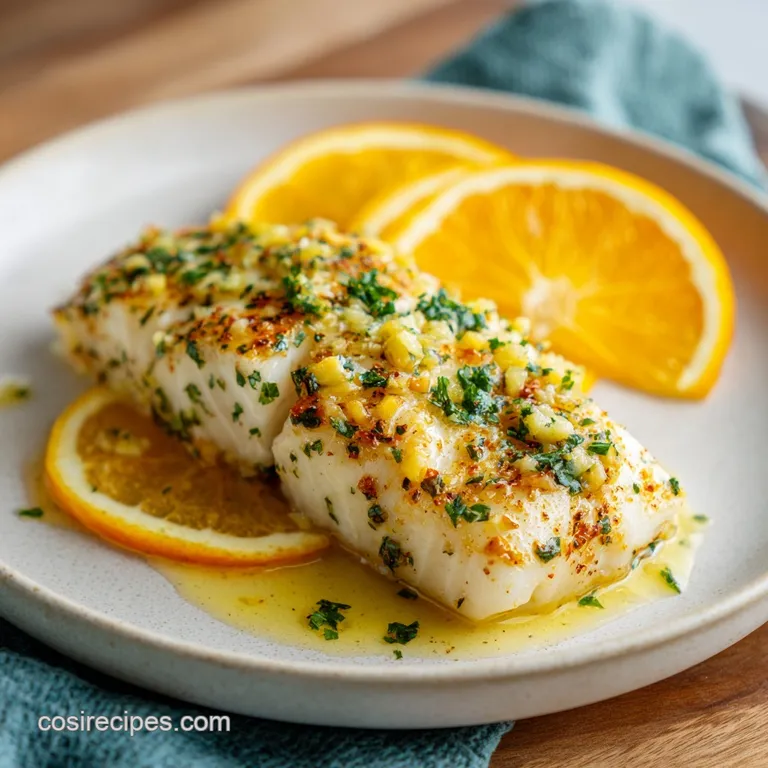
Preparing the Fillets
- Dry the fish. Use paper towels to pat the 4 grouper fillets until they are completely dry to the touch. Note: This is the most important step for a crispy exterior.
- Apply the seasoning. Rub the fillets with 30 ml of avocado oil, then sprinkle evenly with the kosher salt and black pepper.
- Create the marinade. In a small dish, mix the remaining avocado oil with the microplaned garlic, minced thyme, and lemon zest.
- Coat the fish. Brush the garlic thyme mixture onto both sides of the fillets and let them sit at room temperature for 15 minutes.
Mastering the Grill Temperature
- Preheat the grill. Aim for a medium high heat (about 200°C). Clean the grates thoroughly with a wire brush once hot.
- Oil the grates. Dip a folded paper towel in a bit of oil and, using tongs, wipe it across the hot grates to create a non stick surface.
Achieving the Perfect Flip
- Sear the first side. Place the fillets on the grill. Cook for 4 to 5 minutes without moving them until they release easily from the grate. Note: If the fish resists, it’s not ready to flip yet.
- The gentle flip. Using your fish spatula, carefully turn the fillets over. Cook for another 3 to 4 minutes until the internal temperature reaches 63°C.
Finishing the Citrus Garlic Butter
- Mix the butter. While the fish cooks, mash the softened butter with parsley, smoked paprika, and lemon juice until smooth.
- Rest and serve. Remove the fish from the grill and immediately top each fillet with a dollop of the compound butter. Let it rest for 3 minutes as the butter melts into a velvety glaze.
Solving Common Grilling Errors
Why Your Fish Sticks
The most heartbreaking moment is when you go to flip the fish and half of it stays on the grill. This usually happens because the grill wasn't hot enough or the fish was too wet. When the cold, wet protein hits a luke warm grate, it forms a mechanical bond rather than searing and releasing.
| Problem | Root Cause | Solution |
|---|---|---|
| Fish Tearing | Flip attempted too early | Wait for the fish to "self release" from the grate. |
| Bitter Char | Oil smoking too much | Use avocado oil instead of extra virgin olive oil. |
| Dry Center | Overcooked by even 1 minute | Pull at 60°C and let carryover heat do the rest. |
Cooking fish can feel intimidating, but it really comes down to heat management. If you feel like your grill is running too hot, move the fish to a cooler zone and close the lid for a minute. It's better to cook a little slower than to incinerate the outside while the inside stays raw.
Common Mistakes Checklist
- ✓ Never skip the drying step; moisture equals steam, not sear.
- ✓ Preheat your grill for at least 10 minutes before the fish touches it.
- ✓ Don't move the fish once it's down; let that crust form undisturbed.
- ✓ Use an instant read thermometer; guessing leads to rubbery fish.
- ✓ Always let the fish rest for a few minutes so the juices redistribute.
Adaptations for Special Diets
This recipe is naturally quite healthy, but you can tweak it depending on your goals. Grouper is a fantastic source of lean protein, making it a staple for many clean eating plans.
- Keto/Low Carb: This recipe is already perfectly keto friendly. To boost the fats, you can double the amount of compound butter or serve it with a side of sliced avocado.
- dairy-free: Replace the unsalted butter with a high-quality vegan butter substitute or simply use a finishing drizzle of cold pressed extra virgin olive oil mixed with the lemon and herbs.
- Spicy Blackened Version: If you want more kick, swap the thyme and lemon zest for a heavy coating of blackened seasoning (cayenne, onion powder, and extra paprika) before grilling.
If you're looking for a vegetable side that fits these dietary needs, my Southern Yellow Squash recipe is a classic companion, though you might want to skip the breadcrumbs if you're strictly low carb.
Scaling the Recipe
Scaling Down (2 servings) If you're just cooking for two, simply halve the ingredients. However, I suggest making the full amount of compound butter anyway. It stays perfectly in the fridge and is incredible on top of a steak or even spread on warm bread the next day.
Cook times will remain the same as long as you aren't crowding the grill.
Scaling Up (8-10 servings) When cooking for a crowd, work in batches. Keep the first batch in a warm oven (about 60°C) on a wire rack while you finish the rest. Don't stack the fillets, or the bottom ones will lose their crispy exterior.
You may need to clean and re oil the grates between batches to prevent sticking.
Myths About Grilling Fish
Myth: You must grill fish with the skin on to keep it together. While skin can provide a protective barrier, a firm fish like grouper holds up beautifully without it if your grates are hot and well oiled. The flesh itself develops a fantastic crust that skin sometimes prevents.
Myth: Fish should be brought to room temperature before grilling. Unlike a thick ribeye, fish can actually benefit from being slightly chilled when it hits the grill.
Because it cooks so fast, a cold center gives you a little more "buffer room" to get a hard sear on the outside without overcooking the interior.
Storage and Waste Reduction
- Fridge
- Place leftovers in an airtight container for up to 2 days. The texture will soften, so it's best enjoyed cold in a salad or lightly reheated.
- Freezer
- I don't recommend freezing cooked grouper as the delicate flake turns mushy upon thawing.
- Reheating
- Use a pan over medium low heat with a splash of water and a lid to gently steam it back to temperature without drying it out.
Zero Waste Tips If you have leftover grilled grouper, don't throw it away! Flake the cold fish and mix it with a little mayo, lime juice, and cilantro for the best fish tacos of your life.
If you bought a whole fish and have the skeleton, simmer it with onion, celery, and peppercorns for 20 minutes to create a light, clean fish stock for future soups.
The Best Side Dishes
Grouper is the star, but it needs a supporting cast that won't overshadow its delicate flavor. Since we have those bright Mediterranean notes of lemon and thyme, think of sides that offer a bit of crunch or creaminess.
I personally love serving this with a simple heap of jasmine rice to soak up that melting garlic butter. If you want something a bit more traditional, a side of Southern Fried Okra Recipe provides a fantastic textural contrast to the soft, flaky fish. The earthiness of the okra balances the citrus beautifully. Another great option is a simple charred asparagus or a bright cucumber and tomato salad with plenty of red wine vinegar. Whatever you choose, keep it fresh and simple to let the grilled grouper shine.
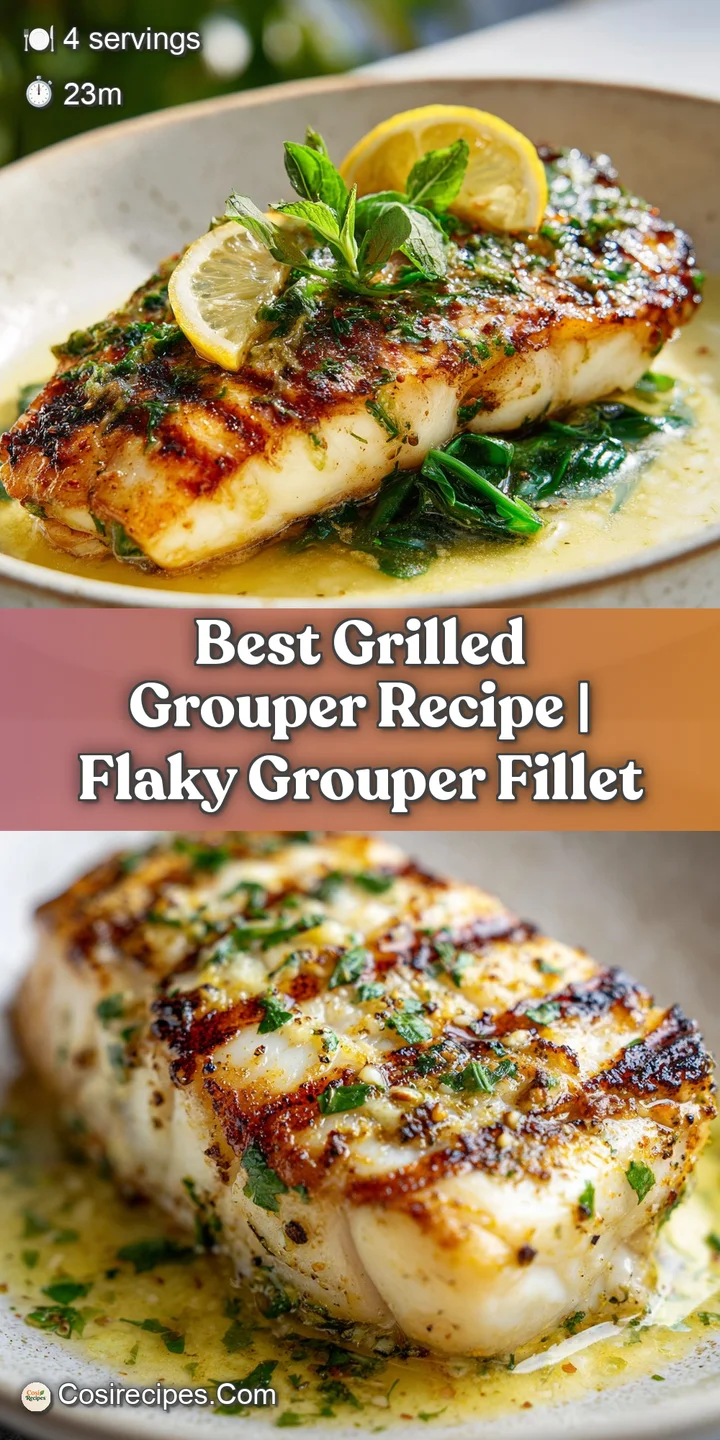
Recipe FAQs
Is grouper a good fish to grill?
Yes, grouper is excellent for grilling. Its firm, lean flesh holds up well to high heat without immediately falling apart, allowing you to achieve a beautiful exterior char.
What is the best way to cook a grouper?
Grilling over medium high heat is best for flavor contrast. The high heat creates the sought after charred crust while the relatively quick cook time keeps the inside moist and flaky.
Is grouper best grilled or blackened?
It depends on your preference, but grilling offers more textural complexity. Blackening creates an intense crust and flavor profile, while grilling allows the fish’s mild, clean flavor to shine through the smoke.
What temperature do you grill grouper at?
Target a medium high heat, approximately 200°C (400°F). This temperature is hot enough to sear the outside quickly, which is crucial for preventing sticking and developing the crust.
How long do you grill a 2.5 cm thick grouper fillet?
Grill for 4 5 minutes per side. You must rely on the internal temperature hitting 63°C, as fish thickness varies; aiming for this temperature ensures perfect flakiness.
What is the secret to keeping grilled fish from sticking to the grates?
Ensure the grill is fully preheated and immediately oil the hot grates. If you are mastering surface searing here, apply that same principle of preheating your pan surface to our technique in the Homemade Spaetzle Recipe to prevent dough from welding to the bottom.
Can I substitute the high smoke point oil for olive oil when grilling grouper?
No, stick to oils with a smoke point over 250°C. Standard extra virgin olive oil burns and creates bitter, acrid flavors before the fish cooks through, so use avocado or grapeseed oil instead.
Grilled Grouper Recipe Perfect
Ingredients:
Instructions:
Nutrition Facts:
| Calories | 408 kcal |
|---|---|
| Protein | 39.2 g |
| Fat | 27.4 g |
| Carbs | 1.4 g |
| Fiber | 0.3 g |
| Sugar | 0.2 g |
| Sodium | 612 mg |
