Homemade Hibachi Steak Recipe
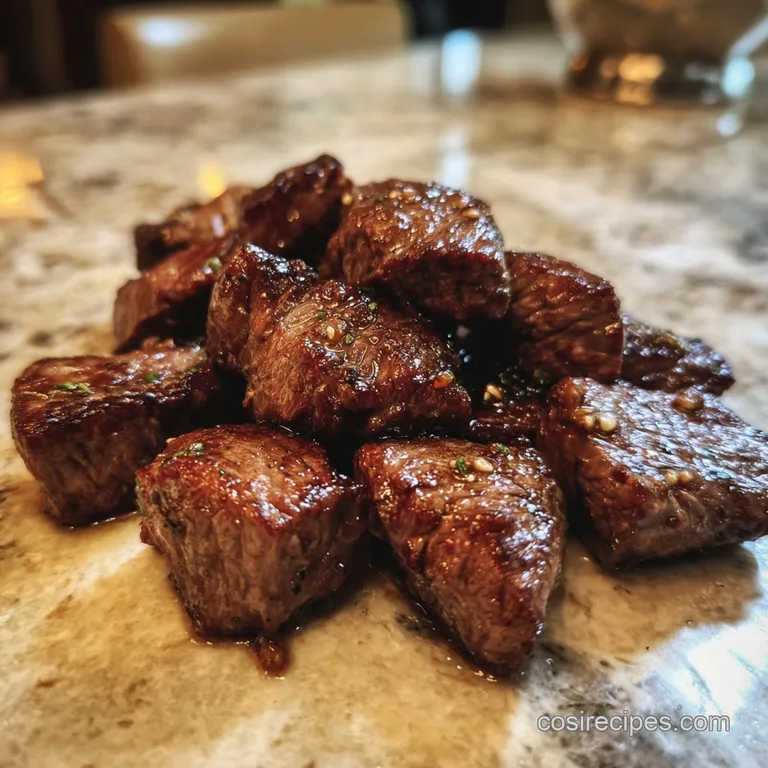
- Time: Active 15 minutes, Passive 10 minutes, Total 25 minutes
- Flavor/Texture Hook: Buttery, mahogany seared steak with a velvety garlic glaze
- Perfect for: A quick weeknight dinner that feels like a weekend celebration
- Decoding the Secret Flavor Science of Hibachi Steak
- Component Analysis: The Foundation of Flavor
- Simple Kitchen Tools for Authentic Restaurant Results
- Step-By-Step Guide to Searing Your Hibachi Steak
- Pro Fixes for Common Hibachi Steak Issues
- Smart Swaps for Your Homemade Hibachi Steak
- Debunking Hibachi Myths
- How to Properly Store Hibachi Steak Leftovers
- Best Side Dishes to Serve With Hibachi Steak
- Recipe FAQs
- 📝 Recipe Card
The sound of a heavy steak hitting a hot pan is a universal language, isn't it? That immediate sizzle tells you everything you need to know about how good dinner is going to be. I remember my first time sitting at a hibachi grill, watching the chef toss shrimp tails into their hat and making an onion volcano.
But what I really remember was the steak. It had this incredible, deep brown crust and a salty, buttery finish that I just couldn't replicate at home for years. My first few tries were, honestly, a bit of a disaster.
I'd crowd the pan, the meat would release all its moisture, and I'd end up with grey, steamed steak bites that tasted like sadness.
I've spent a lot of time decoding what makes that restaurant version so addictive. It isn't just the flashy knife skills; it's about the physics of the sear and the timing of the butter.
I eventually realized that my home stove could actually produce that same mahogany crust if I just stopped moving the meat around so much. This hibachi steak recipe is the result of all those failed, soggy attempts.
We’ve stripped away the need for a massive flat top grill and replaced it with smart, practical steps that work in a standard cast iron or heavy stainless steel skillet.
We’re going to focus on getting the pan screaming hot, using an oil with a high smoke point, and finishing with a compound butter that melts into a savory glaze. You don't need to be a professional chef to pull this off. You just need to follow a few reliable steps and trust the heat.
Once you taste that first bite of steak finished with a splash of fresh lemon and garlic soy butter, you'll never feel the need to pay for the "show" at a steakhouse again.
Decoding the Secret Flavor Science of Hibachi Steak
The Maillard Reaction: High heat triggers a chemical reaction between amino acids and reducing sugars, creating that deep brown crust and complex savory flavor. For this hibachi steak recipe, patting the meat dry is non negotiable because moisture is the enemy of browning; it creates steam instead of a sear.
Fat Based Flavor Delivery: Butter is used at the very end of the cooking process because its milk solids burn quickly at high temperatures. By adding it as a finisher, we get the velvety mouthfeel and rich aroma without the bitterness of scorched dairy.
Acidity as a Contrast: A tiny splash of fresh lemon juice at the end acts as a flavor brightener. It cuts through the heavy fat of the butter and the saltiness of the soy sauce, making the beefy notes of the sirloin pop.
| Thickness of Steak | Internal Temp | Rest Time | Visual Cue |
|---|---|---|---|
| 1 inch cubes | 135°F (Medium Rare) | 3 minutes | Deep mahogany crust, rosy center |
| 1 inch cubes | 145°F (Medium) | 3 minutes | Firm to touch, slight pink center |
| 1 inch cubes | 160°F (Well) | 2 minutes | Very firm, no pink visible |
The resting period is one of those steps people often skip when they're hungry, but it's vital for a succulent result. When you cook meat, the muscle fibers tighten and push the juices toward the center. If you cut into those steak bites immediately, all that flavorful juice runs out onto the plate.
Giving it just three minutes allows the fibers to relax and reabsorb the liquid, ensuring every piece is tender.
Component Analysis: The Foundation of Flavor
| Ingredient | Science Role | Pro Secret |
|---|---|---|
| Sirloin or NY Strip | Protein structure | Choose highly marbled cuts; fat equals flavor and tenderness. |
| Unsalted Butter | Emulsification | Use room temp butter so it melts instantly into the soy sauce glaze. |
| Low sodium Soy Sauce | Umami booster | Low sodium prevents the dish from becoming a salt bomb during reduction. |
| Avocado Oil | Heat stability | Its 500°F smoke point allows for a violent sear without the oil breaking down. |
When selecting your meat for this hibachi steak recipe, don't feel like you have to buy the most expensive filet mignon. A good New York Strip or even a well marbled top sirloin works beautifully because they have enough fat to stay juicy during the over high heat blast.
I've even used ribeye when it was on sale, though you have to be careful with the extra fat flare ups.
The Full Ingredient List: 680g (1.5 lbs) Sirloin or New York Strip steak, trimmed and cut into 1 inch cubes Why this? Sirloin offers the best balance of beefy flavor and lean tenderness for quick searing. 15ml (1 tbsp) Avocado or Grapeseed oil Why
this? You need a high smoke point oil to prevent acrid smoke in your kitchen. 2g (1/2 tsp) Kosher Salt 2g (1/2 tsp) Coarse Black Pepper 45g (3 tbsp) Unsalted Butter, softened Why this? Softened butter emulsifies faster into the sauce than cold butter. 3 cloves Garlic,
minced 15ml (1 tbsp) Low sodium Soy Sauce (for steak glaze) 5ml (1 tsp) Fresh Lemon Juice 2 medium Zucchini, sliced into thick half moons 1 large Sweet Onion, cut into 1 inch chunks 150g (5 oz) Mushrooms, sliced thick 15ml (1 tbsp) Low sodium Soy Sauce (for vegetables) 5ml (1 tsp) Toasted Sesame Oil
If you are looking to round out the meal, this steak is a natural partner for a side of Hibachi Fried Rice recipe. The rice acts like a sponge for any leftover garlic butter that escapes the steak.
Simple Kitchen Tools for Authentic Restaurant Results
You don't need a professional griddle to make this work. In fact, a heavy bottomed cast iron skillet is my preferred tool for this hibachi steak recipe. Cast iron has high thermal mass, meaning it won't drop in temperature significantly when you drop the cold meat into it.
If you don't have cast iron, a heavy stainless steel pan (like an All Clad) is your next best bet. Avoid non stick pans if possible; they aren't designed for the extreme heat we need to get that restaurant style crust, and the coatings can degrade at high temperatures.
A pair of long handled tongs is also essential. You want to be able to flip the steak bites individually and quickly to ensure they get color on at least two sides. I also recommend a good kitchen vent fan or opening a window. We are cooking at high heat, and while avocado oil helps, there will be some smoke.
It’s a sign that the Maillard reaction is doing its job!
step-by-step Guide to Searing Your Hibachi Steak
1. Preparing the Steak Bites and Marinade
Pat the 680g of steak cubes completely dry with paper towels. Note: Surface moisture creates steam, which prevents browning. Season them generously with the kosher salt and coarse black pepper just before they hit the pan. If you salt them too early, the salt will draw out moisture, making the meat wet again.
2. Whisking the Compound Butter
In a small bowl, mash the 45g of softened butter with the 3 cloves of minced garlic. Note: Preparing this "garlic soy butter" beforehand ensures you aren't fumbling with individual ingredients while the steak is over cooking. Keep it at room temperature so it’s ready to melt.
3. Searing for Maximum Mahogany Color
Heat your skillet over high heat for 3-4 minutes until the oil is shimmering and just starting to wisps of smoke. Add the steak bites in a single layer, ensuring they aren't touching. Note: If the pan is too full, the temperature will drop.
Sear for 2 minutes until a dark brown crust forms on the bottom before flipping.
4. The Garlic Butter Finish
Once the steak is seared on most sides (about 4 minutes total), add the garlic butter mixture, 15ml of soy sauce, and the 5ml of lemon juice. Toss the steak bites until they are glossy and coated in a bubbling sauce.
Remove the steak from the pan immediately to a warm plate and let it rest.
5. Blistering the Hibachi Vegetables
In the same pan (don't wipe it out!), add the toasted sesame oil. Toss in the zucchini, onions, and mushrooms. Cook over high heat for 3-5 minutes until the onions are translucent and the zucchini edges are charred.
Pour in the remaining 15ml of soy sauce and toss one last time before serving.
Chef's Tip: If you're cooking for a crowd, sear the steak in two separate batches. It takes an extra 4 minutes but prevents the meat from "stewing" in its own juices, which is the most common mistake home cooks make.
If you enjoy the process of recreating these favorites, you might also want to try a Hibachi Chicken Recipe for a different protein option on those busy weeknights.
Pro Fixes for Common Hibachi Steak Issues
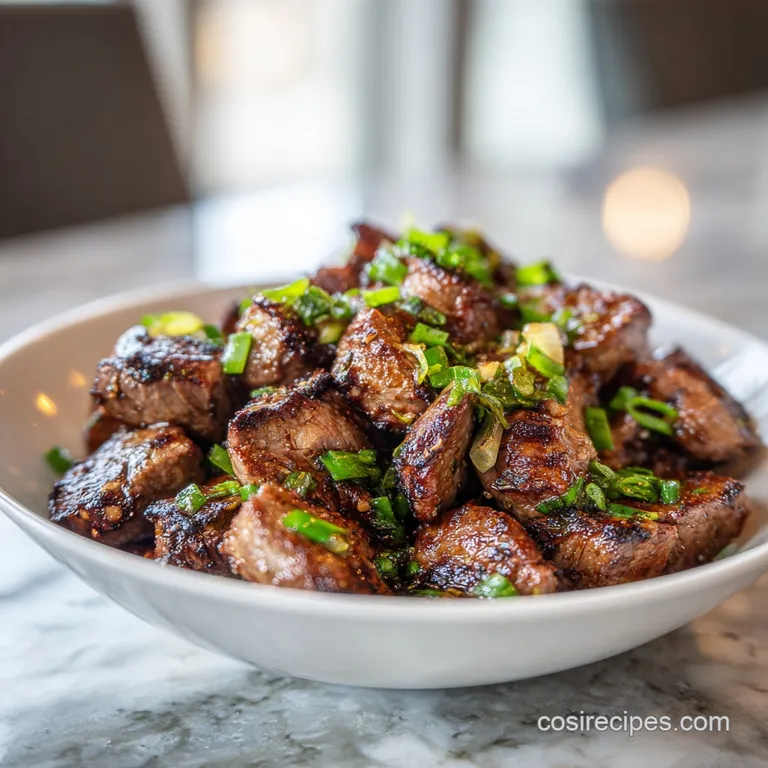
Why Your Hibachi Steak is Tough
If the meat feels like rubber, it’s usually a result of overcooking or using a cut with too much connective tissue. For this hibachi steak recipe, you really want to pull the meat off the heat when it’s about 5 degrees below your target temperature, as "carryover cooking" will continue to raise the internal temp while it rests.
Why Your Hibachi Steak is Watery
This usually happens because the pan wasn't hot enough or you overcrowded the meat. When too much meat hits a lukewarm pan, the temperature drops, and the steak begins to release its internal juices rather than searing them in. This liquid then boils the meat.
| Problem | Root Cause | Solution |
|---|---|---|
| Greying meat | Pan temperature too low | Heat pan until oil shimmers/smokes slightly before adding meat. |
| Burnt garlic | Added too early | Only add the garlic butter in the last 60 seconds of cooking. |
| Soggy vegetables | Overcrowding or low heat | Cook vegetables in a single layer over high heat; don't stir constantly. |
Common Mistakes Checklist
- ✓ Did you pat the steak dry? Even a little surface water will ruin your crust.
- ✓ Is your pan heavy? Thin pans lose heat too quickly to sear properly.
- ✓ Are you using the right oil? Butter or olive oil will smoke and burn before the steak is done.
- ✓ Did you let it rest? Cutting too soon loses all that addictive garlic butter juice.
- ✓ Is the garlic fresh? Pre minced jarred garlic has a metallic aftertaste that ruins the sauce.
Smart Swaps for Your Homemade Hibachi Steak
Scaling this recipe up or down is fairly straightforward, but you have to be mindful of pan space. If you are doubling the recipe for 8 people, do not try to fit 3 lbs of meat in one skillet. You’ll need to work in four batches or use two separate pans simultaneously.
When scaling down for two people, you can usually cook the steak and the vegetables at the same time if you have a large enough skillet (12 inches or more).
| Original Ingredient | Substitute | Why It Works |
|---|---|---|
| Sirloin Steak | Flank Steak | Great flavor but must be sliced against the grain for tenderness. |
| Soy Sauce | Tamari | A perfect 1:1 swap for those needing a gluten-free option. |
| Avocado Oil | Ghee (Clarified Butter) | High smoke point like oil but with a built in buttery flavor. |
For a variation that takes the party outside, a blackstone hibachi steak recipe follows the exact same principles but allows you to cook everything at once. The large surface area of a griddle means you can have your steak searing on one side and your Homemade Hibachi Noodles recipe tossing on the other without any temperature drops.
Debunking Hibachi Myths
One of the biggest myths is that you need a "hibachi sauce" marinade. In reality, a true hibachi steak recipe relies on seasoning the meat at the very last second. Marinating steak in soy sauce for hours can actually break down the proteins too much, giving the meat a mushy, "cured" texture rather than a steakhouse bite.
The flavor comes from the surface sear and the finishing butter.
Another misconception is that the "yum yum sauce" or "ginger sauce" should be cooked with the meat. These are meant to be cold dipping sauces. Adding them to the hot pan will cause the mayo based sauces to break and become greasy.
Keep the pan flavors simple garlic, butter, and soy and save the fancy sauces for the table.
How to Properly Store Hibachi Steak Leftovers
Storage: Leftovers can be kept in an airtight container in the fridge for up to 3 days. However, steak is notorious for getting tough when reheated. To keep it tender, I recommend reheating it in a skillet over medium heat with a tiny splash of water and a lid.
This creates a bit of steam that softens the meat without overcooking it further.
Zero Waste: If you have leftover steak and vegetables, they make an incredible breakfast hash. Chop everything into smaller pieces and fry them up with some leftover potatoes.
You can also toss the cold steak into a wrap with some crunchy greens and a drizzle of that ginger dipping sauce for a quick lunch. The garlic butter that solidifies in the container is liquid gold don't scrape it off; let it melt back into the meat as you reheat it.
Best Side Dishes to Serve With Hibachi Steak
To truly recreate the restaurant experience, you need the right supporting cast. While the steak is the star, the meal feels incomplete without those classic sides. Most people gravitate toward rice, but don't overlook the power of noodles.
If you want a traditional feel, go with: A bowl of clear onion soup to start the meal. A ginger salad with that bright, orange carrot ginger dressing. A side of sautéed bean sprouts for extra crunch.
This hibachi steak recipe is all about the balance of salt, fat, and heat. When you pull it all together, it’s not just a meal it’s a decoding of that restaurant magic you can now pull off any night of the week in your own kitchen.
Keep the heat high, the butter ready, and don't forget that final squeeze of lemon!
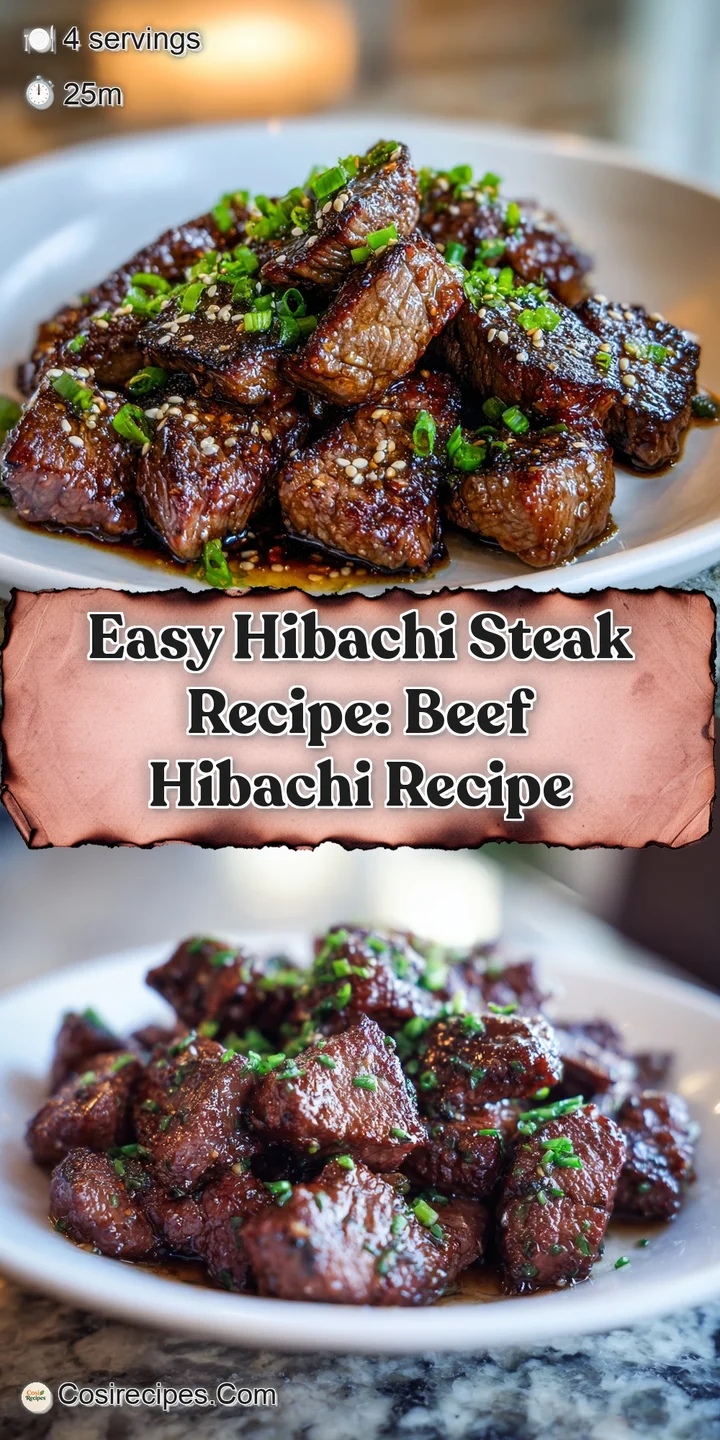
Recipe FAQs
What do they put on hibachi steak to make it taste like the restaurant?
A compound garlic butter finished with lemon juice and soy sauce. The restaurant flavor comes less from a marinade and more from intense, high heat searing followed by this quick, rich finish right before serving.
What should I marinate my steak in for hibachi?
No, avoid marinating entirely for an authentic taste. Marinating steak in soy sauce for long periods breaks down the protein, resulting in a texture that is mushy instead of steakhouse tender.
What's the secret to that mahogany, restaurant style sear?
Use an oil with a very high smoke point, like avocado oil, and ensure the pan is screaming hot. Moisture is the enemy of browning; pat your steak cubes completely dry before seasoning them.
Why does my steak turn grey instead of brown when I cook it?
False. Your pan temperature is too low, causing the meat to steam instead of sear. You need a heavy bottomed pan, like cast iron, that holds heat well so the temperature doesn't crash when the meat is added.
How do I properly season the steak without ruining the flavor?
Season generously with salt and pepper immediately before the steak hits the hot pan. If you salt the meat minutes ahead of time, the salt draws moisture to the surface, creating steam and inhibiting that crucial brown crust.
Can I use butter to cook the steak from the start?
No, use a high smoke point oil first, then add butter near the end. Butter's milk solids will burn quickly at searing temperatures; save it for the final minute to create a glossy, flavorful glaze that coats the meat.
What is the best cut of meat to use for this high heat technique?
Top sirloin or New York strip cut into 1 inch cubes works best. These cuts balance beefy flavor with enough marbling to stay juicy during the rapid cooking process, much like the cuts used in recipes requiring precise temperature control, such as our Grilled Shrimp Skewers recipe.
Homemade Hibachi Steak Recipe
Ingredients:
Instructions:
Nutrition Facts:
| Calories | 442 kcal |
|---|---|
| Protein | 38.4 g |
| Fat | 23.8 g |
| Carbs | 10.8 g |
| Fiber | 2.2 g |
| Sugar | 4.9 g |
| Sodium | 565 mg |
