Homemade Spaetzle Recipe: Buttery German Noodles
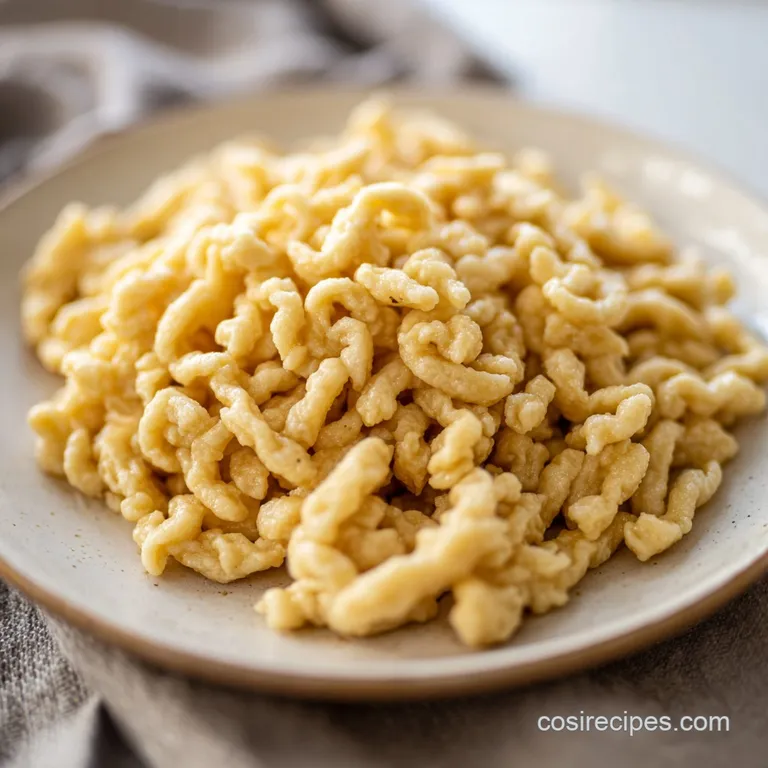
- Time: Active 30 minutes, Passive 10 minutes, Total 40 minutes
- Flavor/Texture Hook: A velvety interior with a golden, buttery sizzle on the outside.
- Perfect for: Cozy Sunday dinners or a flavorful side for hearty roasts.
- Why This Homemade Spaetzle Recipe Always Wins
- Key Timings for This Noodle Recipe
- The Flour and Egg Component Analysis
- Tools Needed for Tiny German Dumplings
- The Step-by-Step Cooking Flow
- Avoiding Common Mistakes and Pro Fixes
- Easy Swaps and Creative Variations
- Keeping Leftovers Fresh and Flavorful
- The Best Dishes to Pair With
- Recipe FAQs
- 📝 Recipe Card
Why This Homemade Spaetzle Recipe Always Wins
I still remember the first time I saw a real German chef make these. We were in a tiny, wood paneled tavern where the aroma of nutmeg and browning butter was so thick you could almost taste it.
He didn’t use a machine; he just flicked dough off a wooden board into boiling water with a speed that looked like magic. It was mesmerizing. I went home and tried to recreate it, failing miserably at first with clumps of dough that looked more like water logged bread than noodles.
But then I figured out the secret. It’s all about the hydration of the batter and that specific "flick" of the wrist. Once you decode the ratio of flour to eggs, you realize this is the most addictive side dish you'll ever make.
This homemade spaetzle recipe is designed to give you those irregular, craggy shapes that catch every drop of sauce. It’s rustic, it’s soulful, and honestly, once you’ve had them fresh, the dried stuff in the bag will never suffice again.
We are going for a texture that is substantial enough to hold up to a heavy gravy but tender enough to melt in your mouth. We’ve all had that gummy, flavorless version at some buffet, right? This isn't that.
We're focusing on the Maillard reaction at the end, giving each little noodle a chance to sizzle in the pan until the edges turn golden and slightly crisp. It’s a total game changer for your dinner rotation.
The Physics of the Plunge: When the high egg batter hits boiling water, the proteins denature and solidify instantly, trapping the starch in a firm but flexible matrix. The small amount of milk provides enough hydration to keep the center velvety rather than rubbery.
- High Egg to Flour Ratio: This creates a structure that is rich in protein, allowing the noodles to hold their shape without becoming mushy.
- Nutmeg Infusion: Adding a hint of nutmeg mimics the traditional flavor profile, cutting through the richness of the butter and eggs.
- Air Incorporation: Beating the batter until it bubbles introduces tiny air pockets, making the finished spaetzle lighter and more airy.
- Cold Shocking: Moving the noodles from boiling water to a cold rinse stops the cooking process, preventing a gummy overcooked exterior.
| Method | Time | Texture | Best For |
|---|---|---|---|
| Stovetop Sauté | 5 minutes | Crispy edges, buttery | Side dishes and quick meals |
| Oven Baked | 20 minutes | Soft, chewy, cheesy | Casseroles (Käsespätzle) |
| Cold Salad | 0 minutes | Firm, clean, neutral | Summer pasta salad swaps |
The stovetop method is my personal favorite because it adds that addictive crunch to the exterior. Much like the technique I use in my Hibachi Fried Rice recipe, the high heat and fat create a flavorful crust that makes the dish stand out.
Key Timings for This Noodle Recipe
| Component | Science Role | Pro Secret |
|---|---|---|
| 400g All purpose flour | Provides the gluten structure and bulk | Use a mid protein flour for the best chew |
| 4 Large eggs | Acts as the primary binder and fat source | Room temperature eggs emulsify faster into the flour |
| 150ml Whole milk | Hydrates the starch and softens the crumb | Don't use skim milk; the fat helps prevent sticking |
| 0.25 tsp Ground nutmeg | Flavor enhancer through aromatic compounds | Always use freshly grated nutmeg for a sharper aroma |
The interaction between these ingredients is what defines the "homemade spaetzle recipe" experience. If you use too much milk, the batter becomes a crepe like liquid. Too little, and you’re making pasta dough that requires a rolling pin.
We are looking for that sweet spot where the dough is "shaggy" and slow moving.
The Flour and Egg Component Analysis
You don't need a massive pantry for this, but the quality of your basics matters. Since we are decoding a classic, let's look at what we are working with and how to swap if you're in a pinch.
- 400g All purpose flour: The foundation of the noodle. Why this? It has the perfect protein balance for a tender yet firm bite.
- Substitute: 00 Flour. It makes the noodles even more velvety but slightly less "chewy."
- 4 Large eggs: These provide the color and the structural "bounce." Why this? Eggs are the glue that holds the irregular shapes together in boiling water.
- Substitute: 5 Medium eggs if you don't have large ones. Keep the volume consistent.
- 150ml Whole milk: This provides the moisture needed to make the batter drop able. Why this? Whole milk adds a subtle richness that water lacks.
- Substitute: Water or unsweetened almond milk. Note: Water yields a slightly tougher noodle.
- 1 tsp Fine sea salt: Essential for seasoning the dough from the inside out. Why this? Flour is bland; salt is the volume knob for flavor.
- Substitute: Kosher salt (use 1.5 tsp as it's less dense).
- 0.25 tsp Ground nutmeg: The "secret" ingredient that makes it taste authentic. Why this? It adds a warm, earthy depth that complements butter perfectly.
- Substitute: Mace or a tiny pinch of allspice.
- 45g Unsalted butter: For the final pan sear that creates that addictive crust. Why this? Butter browns beautifully and adds a nutty finish.
- Substitute: Ghee or olive oil. Ghee won't burn as easily at high temperatures.
- 2 tbsp Fresh parsley: For a pop of color and freshness. Why this? It cuts through the heavy, rich flavors of the egg and butter.
- Substitute: Fresh chives or dried parsley (use 1 tsp dried).
If you are serving this alongside a heavy main, like the smoky flavors in a Cowboy Beans Recipe, the simple ingredients of the spaetzle act as a perfect neutral canvas.
Tools Needed for Tiny German Dumplings
You really don't need a "Spaetzlehobel" (the traditional grater) to master this homemade spaetzle recipe. I’ve made this many times using just a standard box grater or even a colander with large holes.
If you want to go truly old school, a wooden cutting board and a bench scraper work, though that takes a bit more practice to get the "flick" right.
A large stockpot is essential because these noodles need room to dance. If you crowd the pot, they will stick together and form a giant, doughy mess. You’ll also want a slotted spoon (a "spider" is even better) to fish them out quickly once they float to the surface.
For the finishing touch, a heavy bottomed skillet, like a cast iron or a thick stainless steel pan, is the best choice for achieving that golden sizzle.
The step-by-step Cooking Flow
- Whisk the dry. Combine 400g all purpose flour, 1 tsp fine sea salt, and 0.25 tsp ground nutmeg in a large bowl. Note: Mixing the nutmeg into the flour ensures it's evenly distributed without clumps.
- Combine the wet. In a separate jug, lightly beat the 4 large eggs with 150ml whole milk until streak free.
- Form the batter. Create a well in the flour and pour in the egg mixture. Stir with a wooden spoon until bubbles start to form in the dough. Note: This air incorporation is what keeps the noodles light.
- Let it rest. Cover the bowl and let the batter sit for 10 minutes. Note: This allows the gluten to relax and the flour to fully hydrate.
- Boil the water. Fill a large pot with water and a generous pinch of salt, bringing it to a rolling boil.
- Drop the dough. Use a spaetzle maker or a large hole colander to press the dough into the water. Work in batches to avoid sticking.
- Watch for the float. Cook for about 2 minutes until the noodles rise to the surface and look plump.
- Cold rinse. Scoop the noodles out and drop them into a bowl of cold water or rinse under a tap. Note: This removes excess surface starch and stops the cooking.
- Drain thoroughly. Shake off as much water as possible before the next step to prevent splattering in the pan.
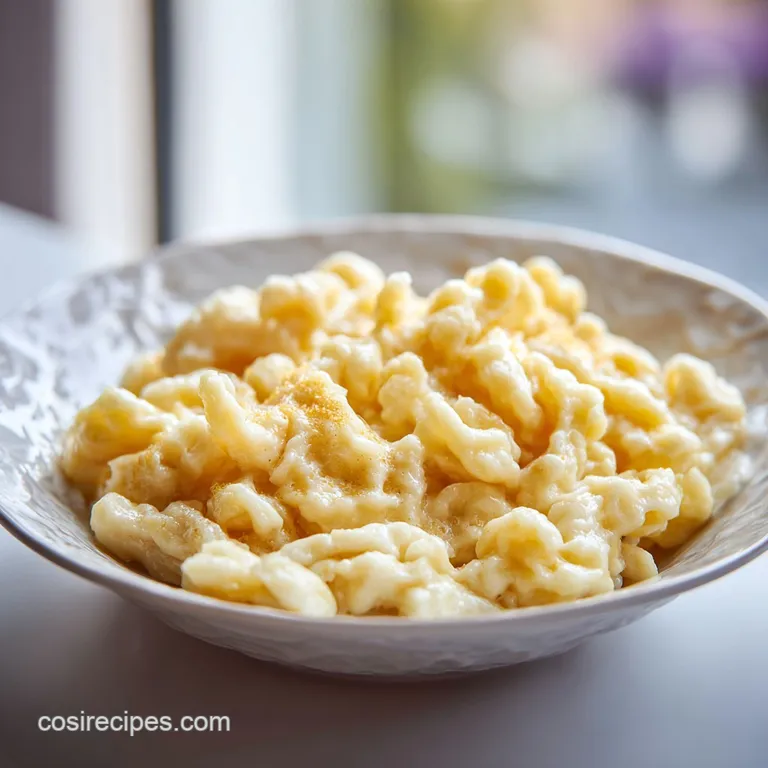
- The golden finish. Melt 45g unsalted butter in a skillet over medium high heat. Add the noodles and sauté until the edges are golden and crisp.
- Garnish and serve. Toss with 2 tbsp finely chopped parsley and a pinch of black pepper before serving.
Chef's Tip: If you are using a colander to drop the dough, use the back of a ladle to push the batter through. The pressure helps create uniform "teardrop" shapes that look professional.
Avoiding Common Mistakes and Pro Fixes
Why Your Spaetzle Turned Out Mushy
If your noodles feel like wet bread, it’s usually because the water wasn't at a full boil or you crowded the pot. Spaetzle needs an immediate "heat shock" to set the exterior protein.
If the water temperature drops too much, the starch begins to dissolve into the water before the egg can set, resulting in a gummy texture.
The Mystery of the Disappearing Noodles
Sometimes, if the batter is too thin, the dough will simply dissolve or break into tiny "dust" particles in the boiling water. This happens if the flour to liquid ratio is off. You want a batter that is thick enough to hold its shape for a second on a spoon before slowly sliding off.
| Problem | Root Cause | Solution |
|---|---|---|
| Tough/Rubbery noodles | Over mixing the batter | Mix only until bubbles form, then stop |
| Batter won't pass through holes | Dough is too thick | Whisk in 1 tbsp of milk at a time |
| Noodles sticking in skillet | Pan not hot enough | Wait for the butter to foam and subside before adding |
Common Mistakes Checklist
- ✓ Always salt your boiling water like you would for pasta; the dough needs that seasoning.
- ✓ Don't skip the rest period; 10 minutes makes the difference between "snappy" and "tough."
- ✓ Rinse the noodles in cold water after boiling to ensure they don't turn into a solid block of starch.
- ✓ Use a high smoke point fat if you want a very deep brown, or stick to butter for the best flavor.
- ✓ Make sure the noodles are dry before they hit the butter to get that "shatter" on the edges.
Easy Swaps and Creative Variations
dairy-free Adaptations and Swaps
If you need to avoid dairy, this homemade spaetzle recipe is surprisingly forgiving. You can swap the milk for a neutral unsweetened nut milk or even a light vegetable broth for extra savory depth. For the frying stage, use a high-quality vegan butter or a flavorful olive oil.
The texture will be slightly less "creamy," but the addictive chew remains.
How to make "Käsespätzle" (Cheese Spaetzle)
This is the ultimate comfort food version. Instead of just sautéing in butter, you layer the boiled noodles with shredded Emmental or Gruyère cheese and caramelized onions. Bake it in a 375°F oven for 15 minutes until the cheese is bubbling and stringy.
It's basically the European version of Mac and Cheese, but much more sophisticated.
Herbal and Spiced Infusions
You can easily "flavor spike" the dough. Try adding 1 tablespoon of finely minced wild garlic or a teaspoon of smoked paprika to the flour. If you're serving this with a creamy sauce, a Yum Yum Sauce Recipe can actually be a fun, non traditional dip for the crispy pan-fried version don't knock it until you try the creamy on-crispy combo!
Keeping Leftovers Fresh and Flavorful
Storage Guidelines You can keep cooked, un-sautéed spaetzle in the fridge for up to 3 days. Store them in an airtight container with a tiny drizzle of oil to keep them from clumping together.
If you've already fried them, they are best eaten immediately, as the crispiness will soften in the fridge.
Freezing and Reheating To freeze, spread the boiled and cooled noodles on a baking sheet in a single layer. Once frozen solid, transfer them to a freezer bag. They will stay good for up to 2 months. When you're ready to eat, don't thaw them!
Drop the frozen noodles directly into a hot pan with plenty of butter. They will defrost and crisp up at the same time.
Zero Waste Tips If you have leftover batter that isn't enough for a full batch, you can thin it out with a little extra milk and fry it like a savory crepe. Also, don't toss the parsley stems; finely mince them and add them to the boiling water to infuse a subtle herbal note into the noodles themselves.
The Best Dishes to Pair With
Because this homemade spaetzle recipe is so rich and buttery, it begs for something with a bit of acidity or a heavy sauce. It is the classic partner for Sauerbraten (German pot roast) or a creamy Mushroom Schnitzel. The noodles act like little sponges, soaking up whatever gravy you put near them.
If you want to break from tradition, try serving these crispy bits alongside a bright, acidic slaw or even a roasted chicken. The key is to have a textural contrast the soft, chewy center of the spaetzle paired with something crunchy or juicy makes for a very addictive plate.
Decision Shortcut If you want a classic German vibe, toss with butter, parsley, and serve with gravy. If you want a hearty main, bake with three types of cheese and crispy onions.
If you want a quick snack, fry them extra long until they are deeply browned and dip in a savory sauce.
Precision Checkpoints
- Rest Time: Exactly 10 minutes to allow starch granules to swell.
- Batter Consistency: Should take 2 full seconds to fall from a lifted spoon.
- Boil Time: Remove 30 seconds after the last noodle reaches the surface to ensure the center isn't raw.
The Myth of the "Special Flour"
Many people think you need imported German flour to make an authentic homemade spaetzle recipe. The truth is, the eggs do the heavy lifting here. Standard all purpose flour from your local grocery store works perfectly because the egg proteins provide the necessary structure that high protein bread flour usually would.
The Myth of the Sinking Spaetzle
There is a common belief that if spaetzle sinks and stays down, the batter is ruined. Not true! It just means your water isn't boiling vigorously enough or your dough is a bit dense.
Give them a gentle poke with a spoon to unstick them from the bottom, and as long as they eventually float, they are perfectly fine to eat.
The Myth of Manual Labor
You don't need to beat the dough for 20 minutes by hand. While the "bubbles" are important, a modern stand mixer with a paddle attachment on medium speed can achieve the same aeration in about 3 minutes. Your forearms will thank you, and the results are identical.
Recipe FAQs
What kind of flour is used for spaetzle?
All-purpose flour is the recommended standard. This flour provides the ideal balance of gluten structure needed for that signature chewy texture without becoming tough or overly dense.
What are the main ingredients in traditional spaetzle?
Flour, eggs, milk, salt, and a hint of nutmeg are the essentials. The high ratio of eggs to flour creates the necessary protein structure, while the milk hydrates the mixture to a perfect, slow moving batter consistency.
Can spaetzle dough be made ahead of time?
Yes, but only for a short rest period. Let the batter sit for about 10 minutes to allow the gluten to relax, but avoid making it hours ahead, as it can become too slack and dissolve when cooked.
Can I make spaetzle without a press or specialized tool?
Yes, use a large holed colander or a standard box grater. For a colander, press the dough through gently with a ladle; for a grater, simply hold it over the boiling water and scrape the dough off the back.
Should I rinse the spaetzle after boiling?
Yes, rinse them immediately in cold water. This crucial step stops the cooking process instantly and washes away excess surface starch, which prevents the noodles from becoming gummy or sticking together.
Is it necessary to pan-sear the spaetzle after boiling?
No, it is not strictly necessary, but highly recommended for texture. Sautéing in butter creates those desirable golden, slightly crisp edges that give the noodle a wonderful textural contrast to the soft interior.
What is the purpose of adding nutmeg to the dough?
Nutmeg provides the authentic, warm German flavor profile. It cuts through the richness of the eggs and butter, elevating the simple dough into a traditional, aromatic side dish.
Homemade Spaetzle Recipe Guide
Ingredients:
Instructions:
Nutrition Facts:
| Calories | 434 kcal |
|---|---|
| Protein | 14g |
| Fat | 13g |
| Carbs | 63g |
| Fiber | 2g |
| Sugar | 2g |
| Sodium | 500mg |
