Lemon Butter Sauce: Silky and Tangy
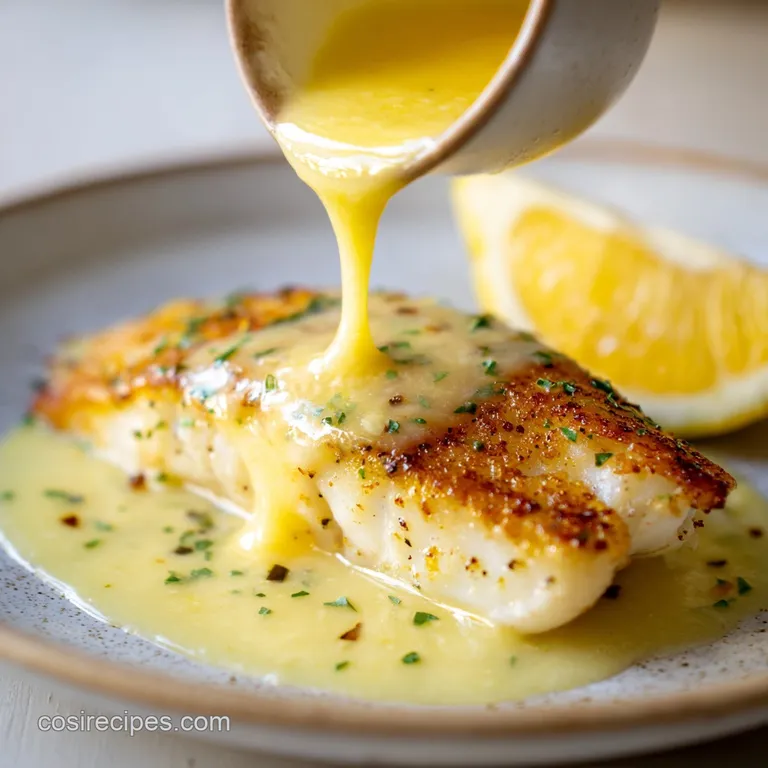
- Time: Active 5 mins, Passive 5 mins, Total 10 mins
- Flavor/Texture Hook: Silky, velvety finish with a sharp, tangy citrus kick
- Perfect for: Quick weeknight seafood dinners and light Mediterranean lunches
- Achieving Professional Results with Lemon Butter Sauce
- Essential Recipe Success Metrics
- Component Analysis
- Sourcing the Fresh Ingredients Needed
- Must Have Tools for Silky Texture
- Cooking Steps for Velvety Finish
- Resolving Common Emulsion Mistakes
- Creative Flavor Profile Variations
- Smart Storage and Sustainability Tips
- Modern Plating and Presentation Ideas
- Lemon Butter Sauce FAQs
- 📝 Recipe Card
Achieving Professional Results with Lemon Butter Sauce
Close your eyes and imagine that sharp, mouth watering scent of fresh lemon zest hitting a hot pan. Then comes the wine, bubbling away until it smells like a concentrated orchard. That’s the moment I knew I had finally cracked the code to the best lemon butter sauce for fish I’ve ever made.
For years, my sauces were either too greasy or they’d split the second they touched the plate, but this method changed everything.
You don't need a culinary degree to master this, just a bit of patience with your stovetop. We’ve all been there staring at a broken, oily mess and wondering where it went wrong. Let’s be real, fish is expensive, and you deserve a sauce that respects the delicate nature of a good fillet.
This version is light, healthy, and captures that classic Mediterranean vibe we all crave.
We are going to skip the heavy creams and flour thickeners. Instead, we’re leaning into the pure physics of an emulsion. It’s a simple trick that yields a velvety result every single time. Whether you’re drizzling this over a Pan Seared Branzino recipe or a simple piece of tilapia, the bright acidity will make the flavors pop.
Essential Recipe Success Metrics
The Cold Butter Bond: When cold butter cubes are whisked into a hot reduction, the milk solids and fats don't just melt; they suspend. This creates a stable, thickened texture without needing starch.
Keeping the butter refrigerator cold is the secret because it allows the temperature to drop slowly, preventing the fat from separating instantly.
| Method | Total Time | Texture | Best For |
|---|---|---|---|
| Stovetop Reduction | 10 mins | Silky & Light | Seafood & Vegetables |
| Microwave Shortcut | 3 mins | Thinner & Oily | Quick dipping only |
| Cold Emulsion | 8 mins | Velvety & Thick | Professional plating |
The stovetop reduction is truly the gold standard for this sauce for fish. By simmering the shallots and wine first, you build a foundation of flavor that a microwave simply can't replicate. It’s the difference between a "fine" meal and something that feels like a treat.
Component Analysis
| Ingredient | Science Role | Pro Secret |
|---|---|---|
| Lemon Juice | Primary Acid | Use fresh only; bottled juice lacks the bright terpene aromas. |
| Cold Butter | Emulsifier | Higher fat content (82%+) creates a more stable, velvety finish. |
| Dry White Wine | Flavor Solvent | The alcohol helps release flavor compounds that water can't. |
| Shallots | Aromatic Base | Mince them tiny so they melt into the sauce texture. |
This combination of ingredients works because the acidity of the lemon and wine balances the richness of the butter sauce. Without that sharp citrus, the butter would feel heavy and cloying on the palate.
Sourcing the Fresh Ingredients Needed
- 60ml freshly squeezed lemon juiceWhy this? Provides the essential acid spike for the emulsion.
- 30ml dry white wineWhy this? Adds depth; use Sauvignon Blanc or Pinot Grigio.
- 1 small shallot, finely minced (15g)Why this? Provides a subtle savory backbone without overpowering.
- 2 cloves garlic, smashedWhy this? We infuse the flavor then remove them for smoothness.
- 85g unsalted butter, cold/cubedWhy this? Crucial for the "mounting" technique to create thickness.
- 1g fine sea saltWhy this? Sharpens all the other flavor notes.
- 0.5g white pepperWhy this? Adds heat without the black specks in the sauce.
- 15g non pareil capers, drainedWhy this? Adds a salty, briny punch that pairs with fish.
- 5g fresh Italian parsleyWhy this? For color and a clean, grassy finish.
- 1 tsp lemon zestWhy this? Contains the oils that provide the actual "lemon" scent.
Chef's Tip: If you find the sauce too tart, don't add sugar. Instead, whisk in one extra cube of cold butter. The fat will coat your tongue and mellow out the acidic bite naturally.
Must Have Tools for Silky Texture
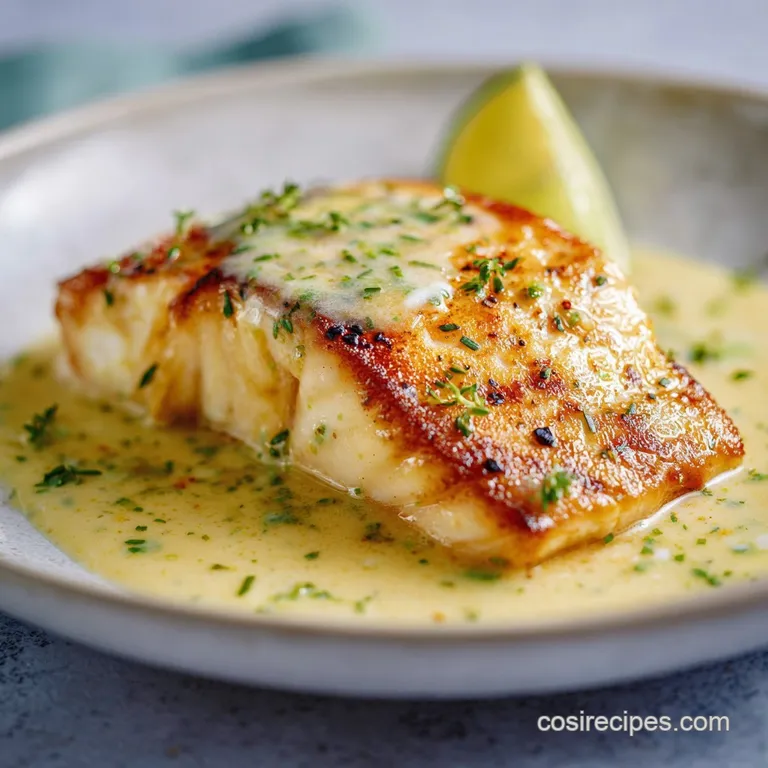
To get that perfect butter sauce for fish, you really need a small, heavy bottomed stainless steel saucepan. Avoid aluminum pans, as the high acidity of the lemon can react with the metal and give your sauce a weird metallic tang.
A small whisk is also better than a fork here; you need to incorporate air and fat quickly.
I also highly recommend a fine mesh strainer if you want that ultra smooth, restaurant look. While I love the bits of shallot, sometimes a formal dinner calls for a crystal clear, velvety drizzle. Having a silicone spatula nearby is also handy for scraping every last drop of that liquid gold out of the pan.
Cooking Steps for Velvety Finish
- Place the 60ml lemon juice, 30ml white wine, minced shallots, and smashed garlic in a small saucepan. Note: This starts our flavor base.
- Simmer over medium heat for about 3-4 minutes until the liquid reduces by half.
- Remove the smashed garlic cloves with a spoon and discard. Note: We only wanted their essence, not the texture.
- Turn the heat down to the lowest possible setting. The pan should be warm, not screaming hot.
- Add two cubes of the 85g cold butter to the pan.
- Whisk vigorously until the butter is mostly melted and looks creamy.
- Continue adding the remaining butter one or two cubes at a time, whisking constantly.
- Once all the butter is in, remove the pan from the heat immediately until the sauce looks glossy and opaque.
- Stir in the salt, white pepper, capers, parsley, and lemon zest.
- Serve immediately over your favorite seafood, like this Baked Cod with recipe.
Resolving Common Emulsion Mistakes
Why Your Sauce Separated
If your sauce looks like yellow oil floating on top of clear juice, it "broke." This usually happens because the pan was too hot or the butter was added too fast. When the fat melts instantly into a liquid rather than suspending, the emulsion fails.
Why Your Sauce Is Thin
A thin sauce usually means you didn't reduce the lemon and wine enough at the start. That initial reduction creates a concentrated syrupy base that helps the butter "grip" the liquid.
| Problem | Root Cause | Solution |
|---|---|---|
| Oily/Broken | Heat was too high | Whisk in a teaspoon of cold water off the heat. |
| Too Salty | Caper brine or salted butter | Add a splash of wine and an extra cube of unsalted butter. |
| Bitter Taste | Burnt garlic or zest | Strain the sauce and add fresh parsley to brighten it. |
Common Mistakes Checklist
- ✓ Never use room temperature butter; it will melt too fast and break the sauce.
- ✓ Don't let the sauce boil once you start adding the butter.
- ✓ Pat your capers dry before adding them so they don't add excess vinegar.
- ✓ Keep whisking even after you think it's done to ensure total stability.
Creative Flavor Profile Variations
If you want to scale this recipe up for a dinner party, the math is simple. For 8 people, double all ingredients but only use 1.5x the salt. Liquids should be reduced slightly longer to reach that same syrupy consistency.
If you're scaling down for a solo meal, use a very small butter melting pot to prevent the liquid from evaporating too quickly.
| Original Ingredient | Substitute | Why It Works |
|---|---|---|
| White Wine | Chicken or Veg Stock | Adds savory depth without the alcohol acidity. |
| Shallots | Red Onion (Minced) | Similar bite, but slightly more pungent. |
| Parsley | Fresh Dill | Dill is a classic partner for salmon and trout. |
The Garlic Herb Intensive
For a punchier version, don't remove the garlic. Mince it as finely as the shallots and let it soften in the reduction. Add a pinch of red pepper flakes at the end for a "Scampi" style kick that works wonders on shrimp.
The dairy-free Swap
While nothing beats real butter, you can use a high-quality plant based butter stick. Look for brands that use oils with higher saturated fats (like coconut or palm) to ensure it actually emulsifies rather than just turning into oil.
Smart Storage and Sustainability Tips
Lemon butter sauce is best served fresh. Because it’s a physical emulsion, it doesn't like being reheated. If you do have leftovers, keep them in a small airtight container in the fridge for up to 3 days. When you're ready to use it, don't microwave it!
Place the container in a bowl of warm water and stir gently until it reaches a thick, pourable consistency again.
For a zero waste approach, save your lemon husks! After squeezing the 60ml of juice, throw the spent lemon halves into a jar of white vinegar. After two weeks, you’ll have a fantastic natural cleaner that smells like a dream.
Also, any leftover sauce that has solidified makes a killer "compound butter" to top a steak or a baked potato the next day.
Modern Plating and Presentation Ideas
One big myth is that you should drown the fish in sauce. Let's be real, you worked hard for that crispy skin! To keep things fresh, spoon the sauce onto the plate first, then nestle the fish on top. This keeps the top of the fillet "shatter crisp" while the bottom soaks up all that creamy, zesty goodness.
Another misconception is that you need flour or cornstarch for a thick sauce for fish. In reality, a proper "beurre blanc" style sauce like this one relies entirely on temperature control. Starch can actually dull the bright citrus notes we want to highlight.
- If you want a glossy finish, whisk in the butter in a circular motion, never zig zag.
- If you want more texture, add the capers at the very last second so they stay plump.
- If you want an airy feel, use a milk frother for 10 seconds right before serving.
This simple lemon butter sauce for fish is all about the balance of fat and acid. Once you feel the resistance of the whisk as the sauce thickens, you'll know you've nailed it. It’s a kitchen skill that feels like a magic trick, turning basic fridge staples into a velvety, restaurant style experience.
Trust me, once you go fresh, you'll never look at a bottled sauce the same way again. Give it a go tonight with some fresh parsley and a good piece of fish you won't regret it!
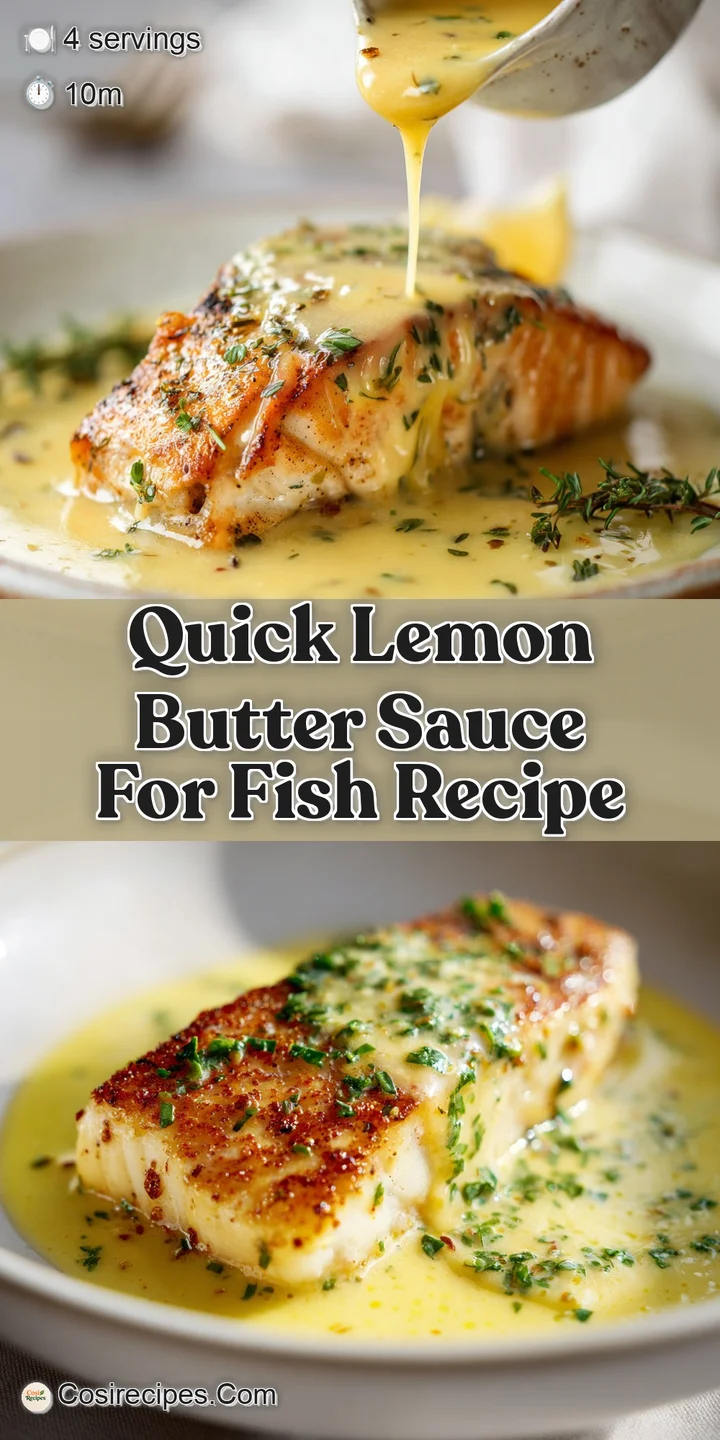
Lemon Butter Sauce FAQs
What is the required internal temperature for the sauce right before adding the butter?
The pan must be barely warm, not hot. The base reduction should cool just enough so that when you add the first cubes of cold butter, they melt slowly, not instantly separate into oil.
How do I fix a lemon butter sauce that has split into oil and liquid?
Whisk in one teaspoon of ice-cold water off the heat. The sudden introduction of cold liquid can sometimes shock the emulsion back into a stable state, especially if the heat was the primary issue.
How to achieve a thick, velvety texture without using flour or cream?
Reduce the liquid base by half before mounting with cold butter. This concentrates the natural sugars and acids, creating a thicker liquid that suspends the butter fat more effectively, much like the technique used to stabilize the sauce in a good Shrimp and Grits recipe.
Is it true that using room temperature butter is acceptable for this recipe?
No, stick with refrigerator cold butter. Room temperature butter melts too quickly when added to the warm reduction, causing the fat to separate instantly, which results in an oily, broken sauce.
What liquid can I substitute for white wine if I am avoiding alcohol?
Use high-quality, low-sodium chicken or vegetable broth. While you lose some acidity, the broth provides necessary liquid for reduction and adds a savory depth that complements the lemon well.
How do I make this sauce ahead of time for easier preparation?
Do not reheat it by boiling; gently re-emulsify it using warm water. Store the finished sauce in the fridge and, when ready to serve, place the container into a bowl of warm (not hot) water, stirring constantly until it regains its glossy texture.
When should I add the lemon zest for maximum aroma?
Stir the zest in right at the very end, off the heat. The oils in the zest are delicate; adding them early exposes them to too much heat, which causes them to dissipate quickly and lose their powerful fragrance.
Lemon Butter Sauce For Fish
Ingredients:
Instructions:
Nutrition Facts:
| Calories | 168 kcal |
|---|---|
| Protein | 0.4 g |
| Fat | 17.4 g |
| Carbs | 2.1 g |
| Fiber | 0.2 g |
| Sugar | 0.7 g |
| Sodium | 232 mg |
