Pork Chops with Apples and Apple Juice
- Time: Active 15 minutes, Passive 20 minutes, Total 35 minutes
- Flavor/Texture Hook: Silky, pan seared pork with tart, velvety apple reduction
- Perfect for: Elegant weeknight dinners or a comforting Sunday family meal
- Create a Savory Masterpiece with Apples and Apple Juice
- Why This Sweet and Tangy Glaze Pairs Perfectly
- Timing and Measurements for the Best Results
- Essential Tools for a Professional Finish
- Bringing the Pork and Fruit Together
- Common Mistakes and Quick Fixes for Glazes
- Flavor Variations and Dietary Adjustments
- Keeping Your Leftovers Fresh and Flavorful
- Presentation and Pairing Suggestions
- Recipe FAQs
- 📝 Recipe Card
Create a Savory Masterpiece with Apples and Apple Juice
There is something inherently magical about the way pork and fruit dance together on a plate, a tradition that stretches back centuries through the countryside of Normandy and the orchards of old Europe.
I remember the first time I saw a pan deglazed with a splash of cider and a handful of sliced fruit; the way the room suddenly filled with that sharp, sweet, and soul warming aroma was an absolute revelation.
In those rural kitchens, nothing was wasted, and the natural sweetness of the harvest was used to masterfully balance the richness of the meat, creating a dish that feels both elegant and deeply grounded.
When you bring this recipe to your own table, you aren't just making dinner; you are tapping into that rustic elegance. The hiss of the pork hitting the hot avocado oil, the gentle soften of the shallots, and that moment when the liquid begins to bubble and thicken into a syrupy glaze it is pure kitchen theater.
It is a master class in layering simple flavors to achieve a result that tastes far more complex than the 35 minutes of effort would suggest.
This isn't about hiding the meat under a heavy sauce; it's about celebrating the marriage of textures. You get that initial crunch from the seared crust, followed by the tender, juicy interior of the chop, and finally the soft, yielding bite of a warm apple wedge.
We use bone in chops here because they hold onto their moisture better under heat, ensuring every forkful is as silky and tender as the last. It is comfort food that wouldn't look out of place at a high end bistro, and I can't wait for you to see how easy it is to pull off.
Why This Sweet and Tangy Glaze Pairs Perfectly
Understanding how these ingredients interact is what separates a good cook from a kitchen master. We aren't just tossing things in a pan; we are using specific techniques to manipulate sugar, fat, and acid into a cohesive, velvety sauce.
- Maillard Mastery: High heat transforms the proteins on the surface of the pork into a deep brown crust, creating complex flavor molecules known as fond that stick to the pan.
- Acidic Deglazing: The apple cider vinegar physically releases those caramelized bits from the skillet, dissolving them back into the sauce to provide a deep, umami rich base.
- Pectin Power: As the sliced apples simmer, they release natural pectins into the liquid, which acts as a gentle thickener to help the glaze reach that perfect syrupy consistency.
- Cold Fat Emulsion: Swirling in cold, grass fed butter at the very end binds the water based juice and the rendered fats together, creating a glossy sheen that doesn't separate.
| Cooking Method | Total Time | Resulting Texture | Best For |
|---|---|---|---|
| Traditional Skillet | 35 minutes | Deeply caramelized crust and crisp tender fruit | Classic weeknight luxury |
| Oven Finish | 40 minutes | More uniform doneness for very thick chops | Beginner friendly precision |
| Slow Cooker | 4 hours | Fall apart tender meat with jammy apples | Hands off meal prep |
Choosing the right method depends on your schedule, but the stovetop version we are focusing on today provides the best contrast between the seared exterior and the delicate glaze.
The skillet allows you to monitor the reduction of the liquid in real time, ensuring you never end up with a watery sauce or overcooked fruit.
Timing and Measurements for the Best Results
Success in the kitchen often comes down to the details that aren't always written in the recipe. For this dish, the thickness of your pork and the sugar content of your juice play massive roles in the final outcome.
I always recommend using a heavy bottomed skillet like a cast iron or a heavy stainless steel pan because it retains heat much better than thin aluminum, which is vital for getting that mahogany sear without burning the surface.
| Component | Science Role | Pro Secret |
|---|---|---|
| Bone in Pork Chops | Provides insulation for the meat to stay juicy | Pat the surface bone dry with paper towels before seasoning |
| Granny Smith Apples | High acidity and firm structure that won't turn to mush | Leave the skin on for better texture and color |
| Apple Juice | Primary sugar source for the syrup reduction | Use "no sugar added" to control the final sweetness level |
| Grass fed Butter | Emulsifier and flavor enhancer | Use it straight from the fridge so it melts slowly into the sauce |
The interaction between the apple cider vinegar and the apple juice is the "secret sauce" here. The vinegar cuts through the natural sugars, preventing the dish from tasting like a dessert, while the chicken bone broth adds a layer of depth that rounds out the fruitiness. If you want a deeper flavor profile, you could even try a baked apple fritters inspired twist by adding a tiny pinch of cinnamon to the reduction, though the fresh thyme usually provides enough earthy balance on its own.
Essential Tools for a Professional Finish
You don't need a kitchen full of gadgets, but two things are non negotiable: a heavy skillet and an instant read thermometer. Because pork can go from perfect to parched in a matter of sixty seconds, knowing the exact internal temperature is your best defense.
We are aiming for a pull temperature of 135°F because the meat will continue to cook as it rests, eventually hitting that safe and succulent 145°F.
| Original Ingredient | Substitute | Why It Works |
|---|---|---|
| Avocado Oil | Ghee or Light Olive Oil | Both have high smoke points suitable for searing. |
| Apple Cider Vinegar | White Wine Vinegar | Maintains the necessary acidity without the fruity notes. |
| Fresh Thyme | Dried Thyme (1/2 tsp) | Provides the same earthy notes. Note: Add earlier in the simmer. |
| Shallots | Red Onion (finely minced) | Offers a similar mild sweetness and sharp bite. |
While I love the elegance of fresh shallots, don't let a trip to the store stop you if you only have a red onion on hand. The goal is that subtle aromatic base that helps the fruit flavors pop. Just ensure whatever you use is minced very finely so it melts into the sauce rather than leaving chunky bits.
Bringing the Pork and Fruit Together
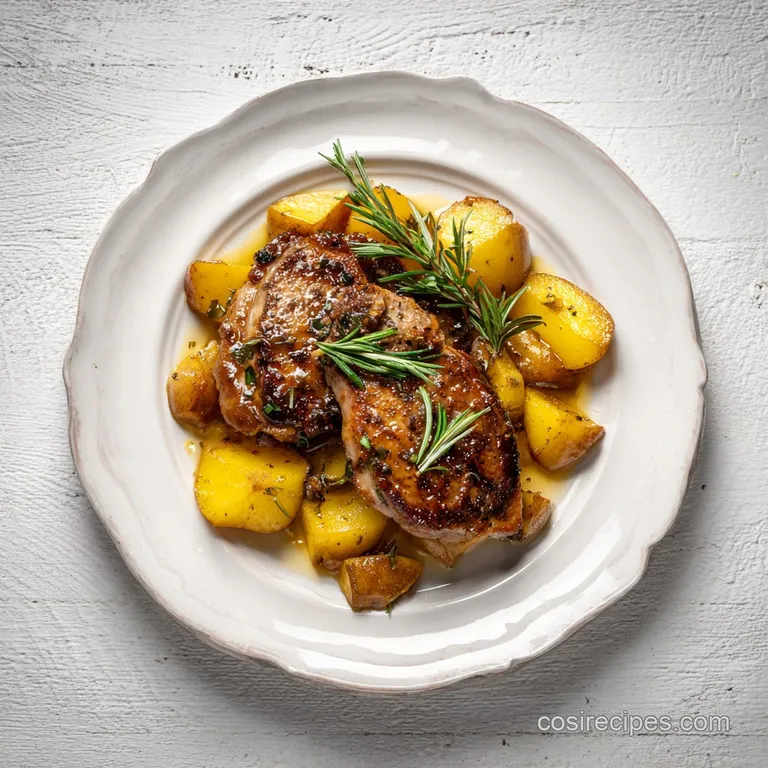
- Prep the meat. Pat the 4 bone in pork chops extremely dry with paper towels. Note: Surface moisture creates steam, which prevents a golden crust from forming.
- Season heavily. Dust both sides of the chops with the 1 tsp kosher salt and 0.5 tsp cracked black pepper.
- Start the sear. Heat 2 tbsp avocado oil in a 12 inch heavy bottomed skillet over medium high heat. Browning starts when the oil is shimmering and just beginning to smoke.
- Cook the pork. Place chops in the skillet and sear for 3–5 minutes per side. Remove when a deep mahogany crust forms and internal temperature hits 135°F (57°C). Set them aside on a plate to rest.
- Sauté aromatics. In the same pan, toss in the 2 sliced apples and minced shallot. Sauté for 3 minutes until the apples have golden edges but aren't falling apart.
- Deglaze the skillet. Pour in 2 tbsp apple cider vinegar, using a wooden spoon to scrape up all the brown bits from the bottom.
- Build the sauce. Add 1 cup apple juice, 0.25 cup bone broth, and 2 sprigs of thyme. Simmer for 5-7 minutes until the liquid reduces by half and looks syrupy.
- Mount with butter. Turn the heat to low and swirl in 1 tbsp cold salted grass fed butter until the sauce is glossy and velvety.
- The final glaze. Return the pork and any accumulated juices to the pan. Coat the chops for 1 minute until they reach 145°F (63°C).
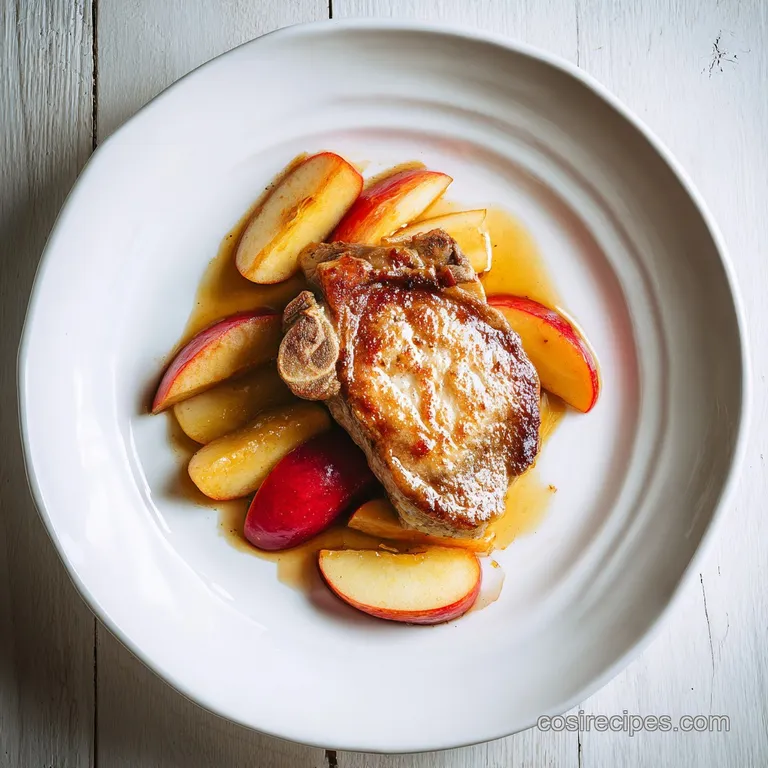
- Serve. Plate the chops immediately with the warm apple wedges draped over the top, drizzling every last drop of glaze over the meat.
Common Mistakes and Quick Fixes for Glazes
The most frequent hurdle in this recipe is the consistency of the sauce. If your pan is too large or your heat is too high, the liquid can evaporate before the flavors have a chance to meld. Conversely, if you don't simmer it long enough, you'll end up with a thin, watery liquid that runs right off the pork.
It should coat the back of a spoon a texture chefs call "nappe."
Why Your Sauce is Too Thin
If you find your liquid isn't thickening, it's usually because the heat was too low. The reduction process requires a steady simmer to drive off the water and concentrate the sugars and pectins.
Simply turn the heat up slightly and keep a close eye on it; it can go from "watery" to "burnt" very quickly once it starts to get syrupy.
Why Your Pork is Dry
Pork chops are lean, and "carryover cooking" is a real thing. If you wait until the thermometer reads 145°F in the pan, the meat will likely hit 155°F or 160°F by the time you eat it, which leads to a tough texture.
Pulling at 135°F and letting it rest while you make the sauce is the secret to that elegant, juicy finish.
| Problem | Root Cause | Solution |
|---|---|---|
| Sauce is broken/greasy | Butter was added to boiling liquid | Remove pan from heat before swirling in cold butter. |
| Apples are mushy | Sliced too thin or cooked too long | Keep wedges at 1/2 inch thickness and sauté briefly. |
| Bitter aftertaste | The fond (brown bits) burned | If bits look black instead of brown, wipe pan and start sauce fresh. |
Common Mistakes Checklist:
- ✓ Always pat the meat dry; even a little moisture will ruin your sear.
- ✓ Use room temperature pork chops to ensure even cooking throughout the center.
- ✓ Don't overcrowd the skillet; sear in batches if your pan isn't 12 inches wide.
- ✓ Keep the apple slices uniform so they all reach that "crisp tender" state at the same time.
- ✓ Rest the meat for at least 5 minutes before the final 1 minute glaze coat.
Flavor Variations and Dietary Adjustments
If you want to scale this recipe up for a dinner party, the math is relatively simple. For 8 servings, you'll want to use two skillets rather than one giant one. This ensures you have enough surface area to sear the meat properly and reduce the sauce efficiently.
If you try to crowd 8 chops into one pan, you'll end up poaching the meat in its own juices rather than searing it.
Chef's Tip: If you're out of apple juice, a dry hard cider makes an incredible substitute. It's less sweet and adds a complex, fermented depth to the final reduction.
For those looking for a different fruit profile, you can easily swap the apples for firm pears (like Bosc). They hold their shape beautifully and offer a slightly more floral aroma. If you are a fan of warm spices, a tiny pinch of cloves or nutmeg added with the thyme can make the whole kitchen smell like a holiday morning. For another comforting fruit based treat, you might enjoy my apple dumpling recipe which uses similar flavor profiles in a sweet application.
Keeping Your Leftovers Fresh and Flavorful
Because this recipe relies on a delicate emulsion of butter and fruit sugars, reheating can be a little tricky. You want to avoid the microwave if possible, as it tends to make the pork rubbery and the sauce oily. Instead, place the chops and apples in a small skillet with a splash of water or extra apple juice.
Cover the pan and heat over low until just warmed through.
- Fridge
- Keep in an airtight container for up to 3 days. The sauce will thicken into a jelly like consistency when cold; this is normal due to the natural pectins and gelatin in the bone broth.
- Freezer
- I don't recommend freezing the cooked apples as the texture becomes very soft upon thawing. However, you can freeze the seared pork chops separately for up to 2 months.
- Zero Waste
- If you have leftover glaze and apples but no pork, they make a stunning topping for oatmeal or even a scoop of vanilla bean ice cream the next day.
Presentation and Pairing Suggestions
When it comes to serving, this dish is a star that deserves a simple supporting cast. A pile of fluffy mashed potatoes is the classic choice, as the starch acts like a sponge for that golden glaze.
If you want something lighter, a simple arugula salad with a lemon vinaigrette provides a peppery contrast to the sweet apples.
To truly master the presentation, don't just dump the pan over the meat. Place the chop in the center of the plate, artfully arrange 3-4 apple wedges alongside it, and then spoon the glossy sauce over the top. Garnish with a tiny sprig of fresh thyme to hint at the aromatics inside.
It's a dish that looks as good as it tastes, proving that with a few smart techniques and a couple of apples, you can create something truly elegant. Give it a try this weekend, and I promise your kitchen will smell better than it has in years!

Recipe FAQs
Can apple juice help with diabetes?
No, it is not recommended for blood glucose management. Apple juice is a concentrated source of fructose and lacks the fiber found in whole fruit, which can lead to rapid spikes in blood sugar.
Can apple juice lower LDL?
No, there is no clinical evidence to support this. While apples contain beneficial compounds like polyphenols, the juice does not provide the cholesterol lowering soluble fiber present in the whole fruit.
Is apple juice good for iron deficiency?
No, apple juice is not a reliable source of iron. It contains negligible amounts of iron and will not assist in correcting a deficiency.
Can real apple juice help a sore throat?
Yes, it can be soothing. The liquid provides hydration, and the natural sugars can coat the throat, though it should not be considered a medical treatment.
Is it true I must use high sugar juice for the best glaze?
No, this is a common misconception. We use no-sugar added juice to control the reduction; if you enjoyed the acidity balancing technique here, you can see how we apply similar flavor layering in our grilled shrimp skewers.
How to achieve a thick, syrupy glaze?
Simmer the liquid until it reduces by half and coats the back of a spoon. This stage, known as nappe, ensures the glaze clings to the meat rather than remaining thin and watery.
How to keep apple slices from turning mushy?
Sauté the apples for exactly 3 minutes. Stopping once they develop golden edges keeps the centers firm enough to hold their shape during the final glazing steps.
Pork Chops With Apple Juice
Ingredients:
Instructions:
Nutrition Facts:
| Calories | 508 kcal |
|---|---|
| Protein | 37.5 g |
| Fat | 28.4 g |
| Carbs | 24.2 g |
| Fiber | 3.1 g |
| Sugar | 18.6 g |
| Sodium | 710 mg |
