Roasted Red Potatoes Oven Recipe
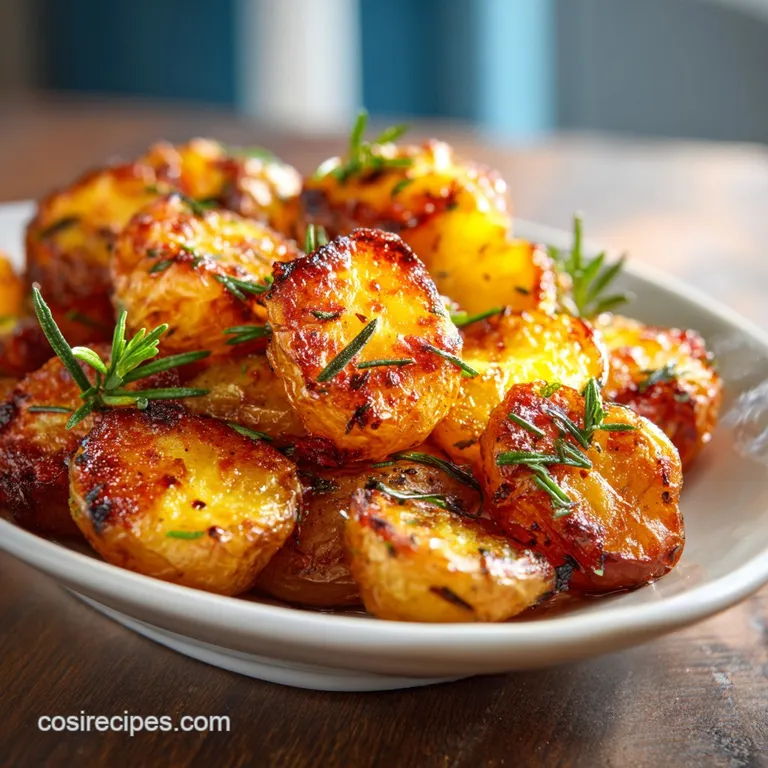
- Time: Active 10 minutes, Passive 30 minutes, Total 40 minutes
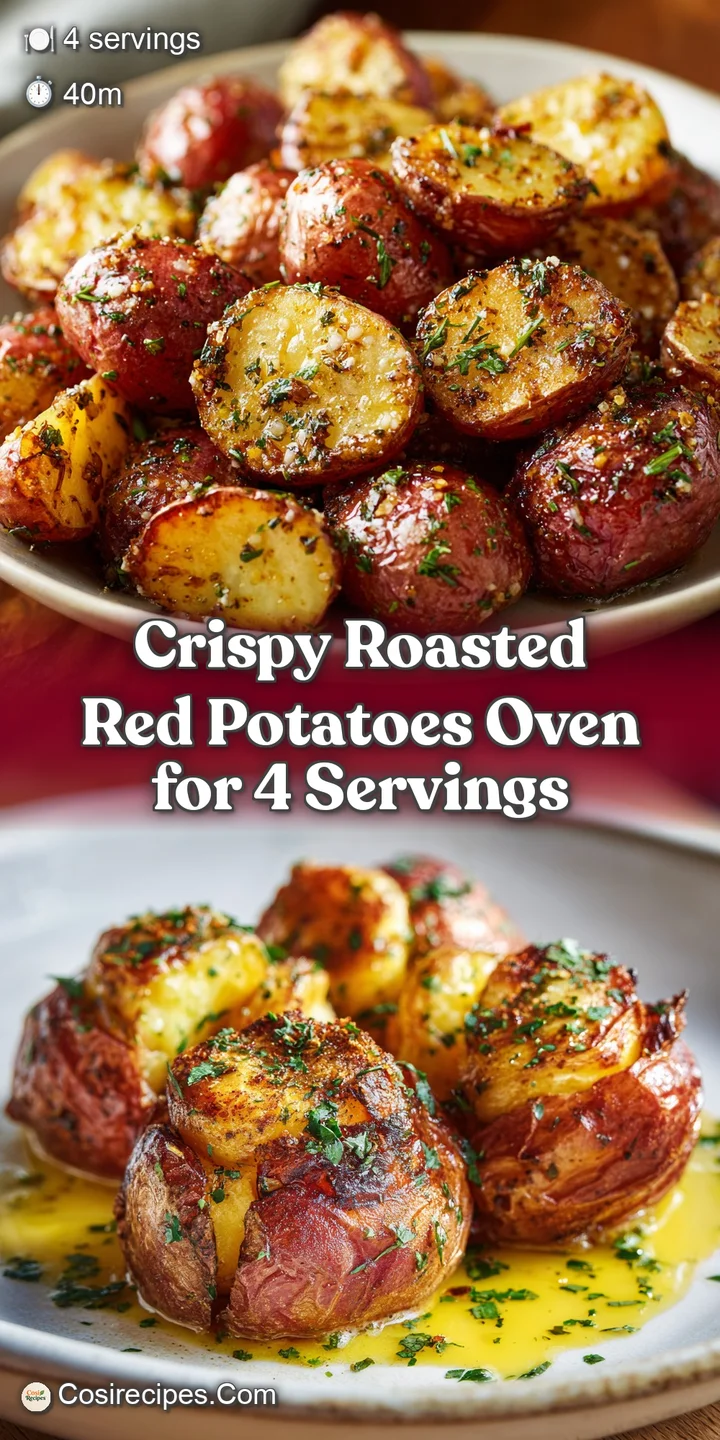
- Flavor/Texture Hook: Shatter crispy skin with a creamy, fluffy interior
- Perfect for: Busy weeknight dinners or no fuss holiday side dishes
- Decoding the Perfect Roasted Red Potatoes Oven
- The Science of the Crunch
- Component Analysis
- Gathering Your Elements
- Essential Tools for Roasting
- Executing the Perfect Roast
- Fixing Texture and Flavor Flaws
- Scaling for Any Crowd
- Simple Substitutes and Variations
- The Truth About Roasting
- Storage and Waste Reduction
- Best Serving and Pairing Ideas
- Recipe FAQs
- 📝 Recipe Card
Decoding the Perfect Roasted Red Potatoes Oven
I still remember the first time I tried to recreate those restaurant style potatoes at home. I chopped up a bag of reds, tossed them in a bit of oil, and shoved them in the oven. What came out was a sad, gray, steamed mess that stuck to the pan like glue. The aroma was okay, but the texture? Completely forgettable.
I realized right then that roasting isn't just about heat; it's about managing moisture and maximizing surface contact.
That failure sent me on a bit of a mission to decode what actually happens inside that oven. I started experimenting with different fats, varied temperatures, and even the way I cut the spuds.
Eventually, I hit the jackpot with a combination of high heat and a specific seasoning blend that creates a crust so loud it practically crackles when you bite into it.
Now, whenever I pull a tray of these out of the oven, the sizzle is the first thing people notice. The kitchen fills with that earthy scent of toasted rosemary and garlic, and the potatoes look like little golden nuggets of joy.
We've made these for everything from quick Tuesday night chicken dinners to big Sunday roasts, and they never fail to disappear first.
The Science of the Crunch
Surface Starch Gelatinization: When the high heat of the oven hits the wet starch on the cut surface of the potato, it forms a thin, glue like layer that eventually dehydrates into a rigid, crispy shell.
The Maillard Reaction: At 400°F, the proteins and natural sugars in the red potatoes react with the heat to create hundreds of different flavor compounds and that deep, golden brown color.
Vapor Pressure Release: By cutting the potatoes into smaller uniform pieces, we increase the surface area to volume ratio, allowing internal steam to escape rapidly so the exterior can fry in the olive oil rather than steaming.
| Method | Time | Texture | Best For |
|---|---|---|---|
| High Heat (400°F) | 30 minutes | Shatter crispy skin | Quick weeknights |
| Low & Slow (325°F) | 60 minutes | Leathery, tough skin | Not recommended |
| Par boiled then Roasted | 45 minutes | Extra craggy edges | Weekend projects |
Choosing the right method is the difference between a side dish that's "just fine" and one that people actually fight over. While par boiling is a classic chef trick, for a busy home cook, the over high heat method we're using today delivers about 90% of the result with 50% less effort.
It's all about that initial thermal shock when the potatoes hit the hot pan.
Component Analysis
| Ingredient | Science Role | Pro Secret |
|---|---|---|
| Red Bliss Potatoes | Waxy texture | Keep the skins on for extra structural integrity and fiber |
| Extra Virgin Olive Oil | Heat conductor | Don't skimp; the oil essentially fries the potato surface in the oven |
| Flaky Sea Salt | Moisture drawer | Large flakes create "salt pockets" that pop on the tongue |
| Smoked Paprika | Color catalyst | It provides a deep red hue that suggests a wood fired flavor |
Gathering Your Elements
- 1.5 lbs Small Red Bliss Potatoes: These stay creamy inside while the thin skin crisps up beautifully. Why this? Waxy potatoes hold their shape better than floury Russets when roasted.
- 2 tbsp Extra Virgin Olive Oil: Provides the fat needed for the frying effect. Why this? high-quality oil adds a peppery finish that compliments the herbs.
- 1 tsp Flaky Sea Salt: For that crunch and flavor. Why this? Flakes stick to the uneven surfaces better than fine table salt.
- 1/2 tsp Freshly Cracked Black Pepper: For a subtle, biting heat.
- 1 tsp Garlic Powder: Provides uniform flavor without the risk of burning fresh cloves. Why this? Fresh garlic often chars and turns bitter at 400°F.
- 1 tbsp Fresh Rosemary: Finely minced for an aromatic punch.
- 1/2 tsp Smoked Paprika: For a hint of sweetness and a gorgeous charred look.
If you are planning a full Mediterranean spread, these potatoes are a natural partner for a Baked Red Snapper recipe. The acidity of the fish cuts through the richness of the roasted spuds perfectly.
Essential Tools for Roasting
You don't need a kitchen full of gadgets to get this right, but a heavy duty rimmed baking sheet is non negotiable. A flimsy sheet will warp under the high heat, causing your oil to pool in the corners and leaving half your potatoes dry and the other half greasy.
I prefer a half sheet pan made of heavy gauge aluminum because it conducts heat evenly across the entire surface.
A sharp chef's knife is your second best friend here. We want clean, sharp edges on our potato halves. Ragged cuts lead to uneven browning. Also, skip the parchment paper if you want maximum crunch.
While it makes cleanup easier, it acts as an insulator, preventing the potatoes from making direct contact with the hot metal. If you're worried about sticking, just make sure your pan is well coated with the oil.
Executing the Perfect Roast
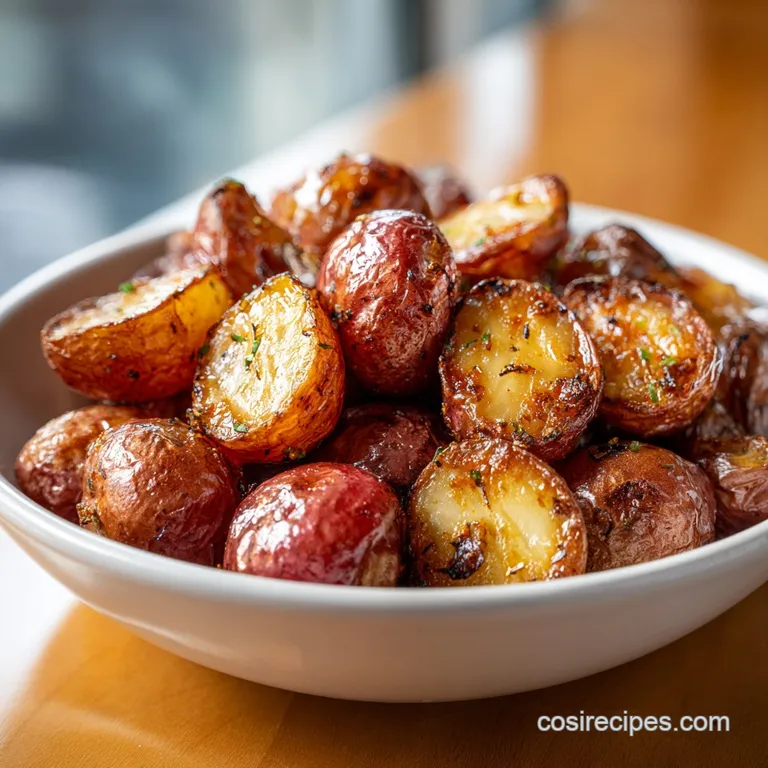
- Preheat the oven. Set your temperature to 400°F (200°C) and place your empty baking sheet inside while it heats. Note: A preheated pan gives the potatoes an immediate sear.
- Wash and dry. Clean the 1.5 lbs Small Red Bliss Potatoes thoroughly, then pat them completely dry with a kitchen towel. Note: Any surface moisture will turn into steam and prevent crisping.
- Halve the spuds. Cut each potato in half, or quarters if they are larger, aiming for uniform 1 inch pieces.
- Whisk the coating. In a large bowl, combine 2 tbsp Extra Virgin Olive Oil, 1 tsp Garlic Powder, 1 tbsp minced Rosemary, and 1/2 tsp Smoked Paprika.
- Toss for coverage. Add the potatoes to the bowl and use your hands to massage the oil blend into every crevice.
- Arrange the pan. Carefully pull out the hot tray and spread the potatoes in a single layer, cut side down. Listen for the immediate sizzle.
- Season the tops. Sprinkle with 1 tsp Flaky Sea Salt and 1/2 tsp Freshly Cracked Black Pepper.
- Roast for 20 minutes. Slide the pan into the middle rack and leave them undisturbed.
- Flip and finish. Use a metal spatula to flip the potatoes and roast for another 10 minutes until the edges are deep brown and blistered.
- Rest briefly. Let them sit on the pan for 2 minutes before serving. Note: This allows the steam to redistribute slightly so they don't fall apart.
Chef's Tip: If you want that "extra" crunch, toss the potatoes in the bowl with a teaspoon of cornstarch before adding the oil. It creates a micro thin batter that shatters when you bite into it.
Fixing Texture and Flavor Flaws
One of the biggest heartaches in the kitchen is pulling out a tray of potatoes that look beautiful but feel like rubber. Usually, this comes down to one of two things: overcrowding or under seasoning. If the potatoes are too close together, they "breathe" on each other, creating a steam pocket that softens the skin.
Why Your Potatoes Are Mushy
If your spuds lack that signature crunch, it's likely because the oven temperature dropped or the potatoes were still damp when they went in. Water is the enemy of the roast. If you see liquid pooling on the pan, your heat isn't high enough to evaporate it quickly.
| Problem | Root Cause | Solution |
|---|---|---|
| Sticking to pan | Pan wasn't preheated | Use a metal spatula and wait 2 more mins before flipping |
| Burnt herbs | Mincing too large | Mince rosemary until it's almost a dust to blend with oil |
| Uneven browning | Overcrowded tray | Use two pans or roast in batches to allow airflow |
Common Mistakes Checklist
- ✓ Never skip the "pat dry" step; dry potatoes are crispy potatoes.
- ✓ Don't use a glass baking dish; glass doesn't conduct heat well enough for a sear.
- ✓ Avoid flipping them too early; let the bottom crust develop for at least 20 minutes.
- ✓ Resist the urge to add fresh garlic at the start; it will burn before the potatoes are done.
- ✓ Use enough oil; it should look like the potatoes are glistening, not just damp.
For those who love a bit of variety in their starch game, this over high heat technique is actually quite different from the low moisture environment needed for a Scalloped Potatoes recipe. Where these reds are all about the exterior crunch, scalloped versions focus on the internal creaminess.
Scaling for Any Crowd
When you're cooking for a crowd, it's tempting to just double the recipe and throw it all on one tray. Don't do it! You'll end up with steamed potatoes.
Scaling Up (Double or Triple): If you're doing 3 lbs of potatoes, use two separate baking sheets. You'll need to rotate them halfway through the cooking time (top to bottom and front to back) to ensure even heat distribution.
For spices, you can double the paprika and garlic powder, but be cautious with the salt start with 1.5x the salt and taste at the end.
Scaling Down (Half Recipe): If you're just cooking for one or two, use a smaller toaster oven tray or a cast iron skillet. Reduce the oil slightly, but keep the temperature at 400°F.
The cook time will likely remain the same because the physical size of the potato chunks hasn't changed.
| Servings | Potato Weight | Pan Size | Cook Time |
|---|---|---|---|
| 2 People | 0.75 lbs | 9x9 inch square | 25-30 mins |
| 4 People | 1.5 lbs | Half Sheet Pan | 30 mins |
| 8 People | 3.0 lbs | Two Half Sheets | 35-40 mins |
Simple Substitutes and Variations
| Original Ingredient | Substitute | Why It Works |
|---|---|---|
| Extra Virgin Olive Oil | Duck Fat | Higher smoke point and incredibly rich, savory flavor |
| Fresh Rosemary | Dried Thyme | Use half the amount; adds a floral, earthy note |
| Smoked Paprika | Chili Powder | Adds a mild kick and similar reddish color |
Deciding on Your Flavor Profile If you want a Zesty Finish, toss the finished potatoes with fresh lemon zest and parsley right before serving. If you want Maximum Savory, sprinkle 2 tablespoons of grated Parmesan cheese over the potatoes during the last 5 minutes of roasting.
If you want a Spicy Kick, swap the paprika for cayenne pepper and add a pinch of red pepper flakes to the oil.
The Truth About Roasting
There is a common myth that you must soak potatoes in cold water before roasting to remove starch. While this is great for deep frying French fries, it's often counterproductive for simple oven roasting.
Soaking adds internal moisture that can be hard to cook out in 30 minutes, often leading to a soggy center. If you want a crispy exterior, skipping the soak and focusing on a over high heat sear is actually more effective.
Another myth is that red potatoes can't be as crispy as Russets. While Russets have more starch, red potatoes have a higher sugar content. This means they caramelize faster and develop a much more complex, sweet and savory crust than their larger counterparts. You just have to be brave with the heat!
Storage and Waste Reduction
Storage: These potatoes are best eaten fresh, but they will keep in the fridge for up to 4 days. Store them in an airtight container once they have cooled completely. To reheat, avoid the microwave at all costs it will turn them into rubber.
Instead, pop them back into a 400°F oven or an air fryer for 5 minutes to restore the crunch.
Freezing: You can freeze roasted potatoes, though the texture will soften slightly. Freeze them in a single layer on a tray first, then transfer to a freezer bag for up to 3 months. Reheat directly from frozen at 425°F for 10-15 minutes.
Zero Waste: Never throw away the tiny potato fragments or the leftover seasoned oil in the bowl. Those little bits turn into "potato croutons" that are the best part of the tray.
If you have leftovers that you don't want to eat plain, smash them into a hot skillet the next morning and top with a fried egg for the best breakfast hash you've ever had.
Best Serving and Pairing Ideas
These potatoes are incredibly versatile. I love serving them alongside a simple roast chicken or a seared steak. The smoked paprika and rosemary give them a sophisticated profile that works just as well for a fancy dinner as it does for a casual BBQ.
If you have any leftovers, they are brilliant tossed into a salad with some arugula, goat cheese, and a balsamic glaze.
If you're looking for a meatless option that still feels substantial, try pairing these with a side of roasted Mediterranean vegetables. The textures play off each other perfectly. For a faster weeknight meal, these are a "must have" with my Baked Cod recipe, as the lemon butter from the fish acts almost like a sauce for the potatoes. Honestly, just make sure you make enough no matter how many I roast, the pan always ends up scraped clean. Trust me on this, once you nail that over high heat technique, you'll never go back to boiled potatoes again.
Recipe FAQs
What temperature should I roast red potatoes at?
Roast at 400°F (200°C). This high temperature ensures rapid moisture evaporation, leading to a shatteringly crisp exterior without steaming the interior.
Are red potatoes any good for roasting?
Yes, they develop excellent flavor. Red potatoes are waxy, meaning they hold their structure well, and their natural sugars caramelize beautifully at high heat for a sweet crust.
How long should you roast potatoes in the oven at 400°F?
Plan for 30 minutes total cook time. Roast undisturbed for 20 minutes to develop the first crust, then flip and roast for a final 10 minutes until deep golden brown.
Can you roast red potatoes at 350 degrees?
No, 350°F is too low for optimal crisping. At that temperature, the potatoes tend to dry out or become leathery before they ever achieve true crispness because the moisture steams off too slowly.
What is the secret to getting crispy roasted potatoes?
Ensure direct, undisturbed contact with a hot metal pan. You must preheat your sheet pan in the oven; the immediate sear upon contact starts the crucial dehydration process.
Should I toss roasted potatoes with cheese halfway through?
Yes, add Parmesan during the final 5 minutes. If you add hard cheese too early, it can burn or slide off into the oil; adding it late allows it to melt into a thin, savory crust.
How should I cut red potatoes for roasting to ensure even cooking?
Halve them, aiming for uniform 1 inch pieces. Uniformity is critical for consistent texture; aim for all pieces to have similar surface area so they cook at the same rate.
Roasted Red Potatoes Oven
Ingredients:
Instructions:
Nutrition Facts:
| Calories | 183 kcal |
|---|---|
| Protein | 3.3 g |
| Fat | 7.0 g |
| Carbs | 28.0 g |
| Fiber | 3.8 g |
| Sugar | 1.3 g |
| Sodium | 585 mg |
