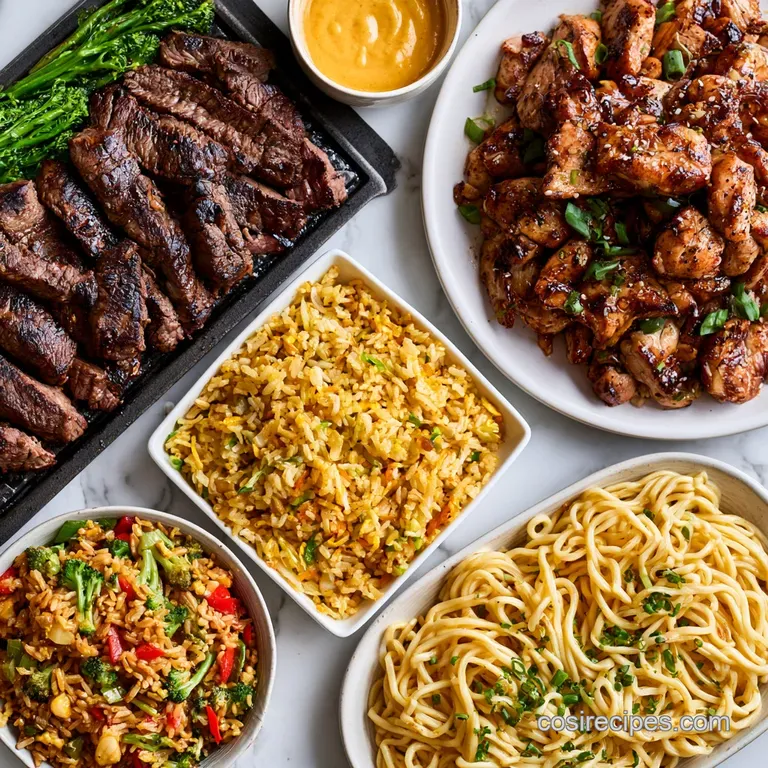
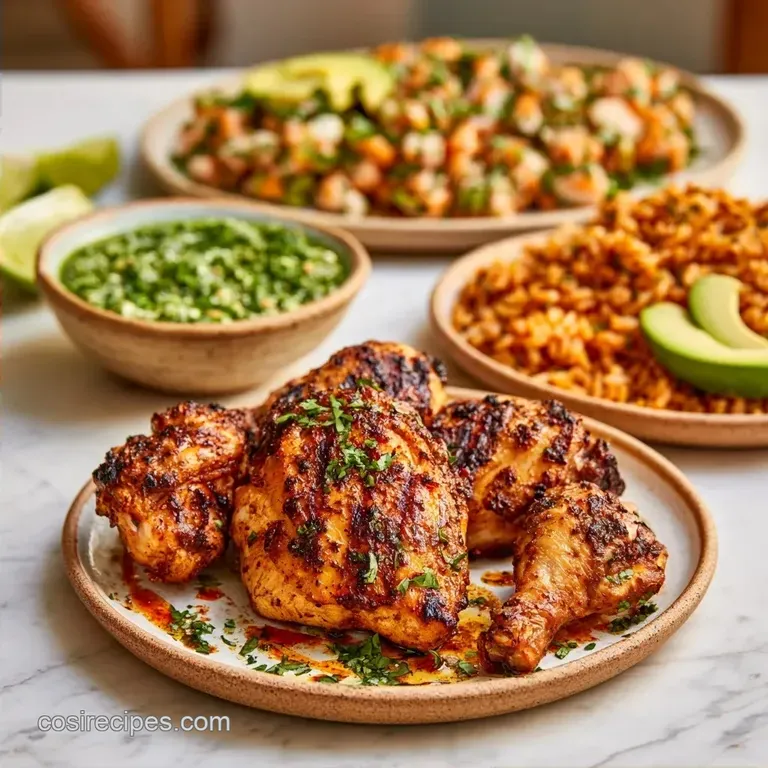
Japanese steakhouses are as much about the technique as the food, but you don't need a massive griddle to get those same flavors at home. Bringing these meals into your own kitchen allows for faster preparation and complete control over the seasoning levels.
Whether you're craving chicken, steak, or just a large bowl of hibachi style fried rice recipe with plenty of sauce, these components fit together for a full meal. This collection focuses on the high-heat searing and soy-butter finishes that define the classic teppanyaki style.
Hibachi Proteins for the Main Course
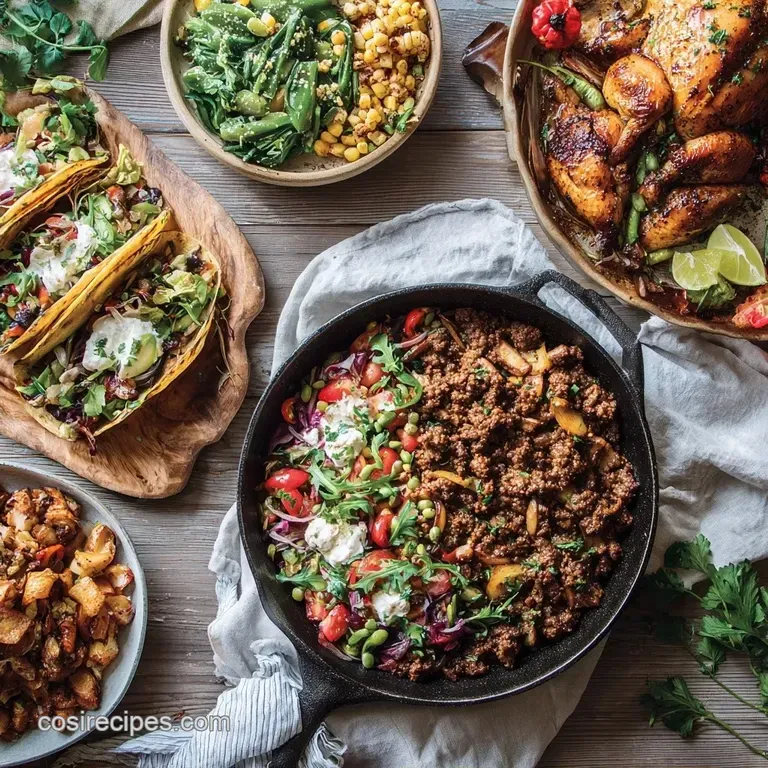
Searing proteins at high heat is the foundation of any teppanyaki-style meal. These recipes focus on steak and chicken, using specific soy-based glazes to create a dark, savory crust that differs from the softer textures of the vegetable and starch sides.
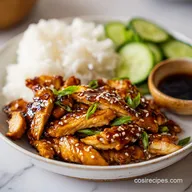
Searing small, bite-sized pieces of poultry ensures a golden exterior without drying out the meat. This version uses a light glaze that mimics the traditional Japanese steakhouse cooking method.
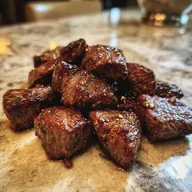
High heat is the key to getting a proper crust on these beef cubes. Finishing them with a soy-butter glaze adds a rich, glossy coating that stays juicy.
These starch-based sides act as the base for your proteins and sauces. Unlike standard steamed rice, these versions use garlic butter and high-heat frying to develop a richer flavor profile that matches the intensity of the grilled meats.
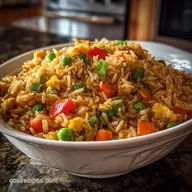
This quick rice dish relies on cold grains and high heat to ensure a slightly crispy texture. A heavy dose of garlic butter and soy sauce provides that savory finish.
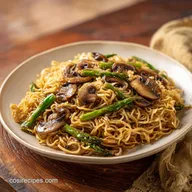
These soft, wheat-based noodles are tossed in a savory brown sauce with plenty of butter. They serve as a substantial alternative to rice and take only minutes to prepare.
Condiments provide the essential balance to the rich, buttery flavors of the grilled mains. These recipes include both the popular mayo-based pink sauce and a zesty mustard option, allowing you to customize the flavor profile of every bite.
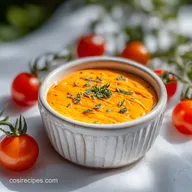
This creamy, tangy condiment uses mayo and paprika to capture the iconic steakhouse flavor. It's a chilled sauce that pairs exceptionally well with both grilled seafood and fresh vegetables.
Often served with beef, this bold sauce provides a sharp contrast to the rich proteins. It's a dairy-free option that balances the meal with its slightly spicy kick.
What is the difference between Hibachi and Teppanyaki?
Hibachi traditionally refers to a small charcoal grill, while teppanyaki is the flat-top griddle style most common in Japanese steakhouses for cooking rice and proteins.
Can I use a regular frying pan for these recipes?
Yes, a large cast-iron skillet or a carbon steel wok works well for high-heat searing if you do not have a flat-top griddle.
What is the key to hibachi style fried rice?
Starting with cold rice and using a generous amount of garlic butter and soy sauce is essential for achieving the correct texture and savory flavor.
How long does homemade yum yum sauce stay fresh?
Most mayonnaise-based sauces keep well in an airtight container in the refrigerator for about one week, and often taste better the second day.
Which proteins work best for a home hibachi night?
Chicken breast, sirloin steak, and shrimp are the most traditional choices because they cook quickly and hold up well to high-heat searing.