Authentic German Potato Pancakes Recipe
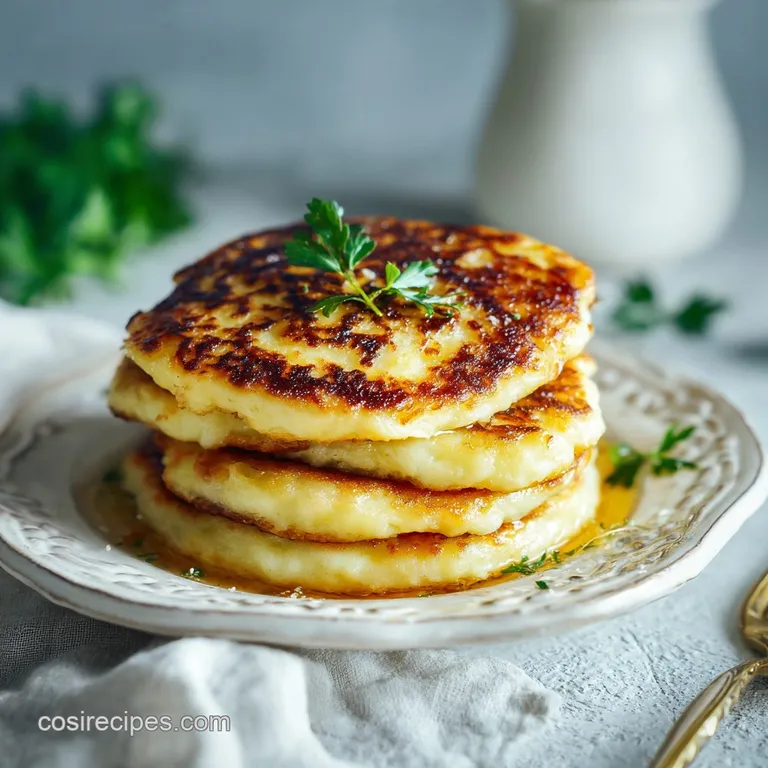
- Time: Active 20 minutes, Passive 15 minutes, Total 35 minutes
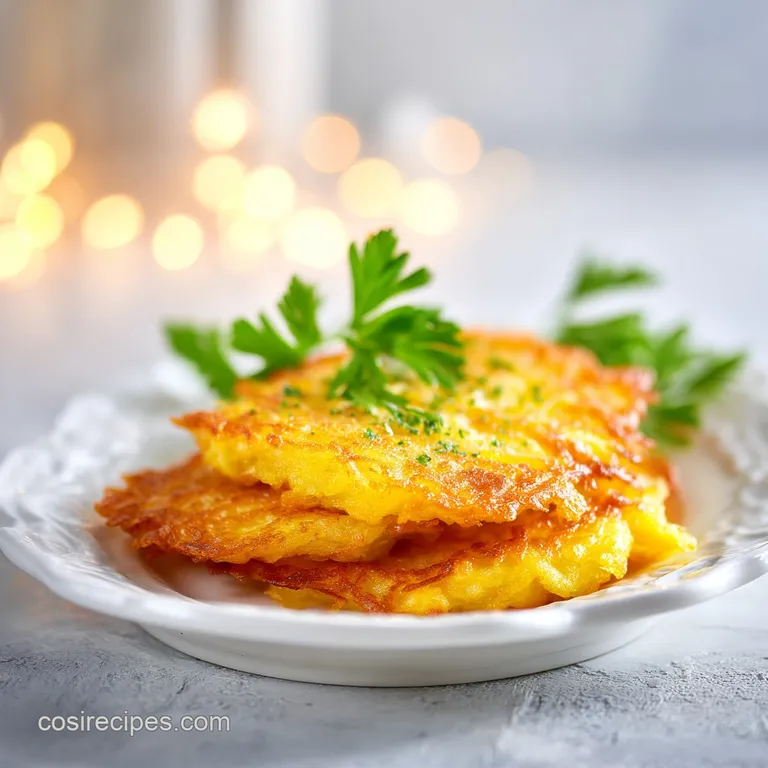
- Flavor/Texture Hook: Shatter crisp edges with a velvety, nutmeg scented potato interior
- Perfect for: Cozy weekend brunches or a traditional German themed dinner night
- Mastering the Crispy Authentic German Potato Pancakes
- Why This Works
- Component Analysis for Texture
- Sourcing the Best Ingredients
- Essential Equipment for Success
- Executing the Golden Fry
- Solving Common Texture Issues
- Tasty Variations to Try
- Proper Scaling Guidelines
- Proper Storage and Reheating
- Flavorful Pairings to Serve
- Recipe FAQs
- 📝 Recipe Card
Mastering the Crispy Authentic German Potato Pancakes
The sound of a box grater hitting a Russet potato is the rhythm of my childhood weekends. I remember standing in my tiny apartment kitchen, trying to recreate the magic of those street side stalls, only to end up with a grey, soggy pile of mush.
I realized that my mistake was treating them like hash browns, when in reality, these are more like savory fritters that demand respect for their starch content.
Right then, let's talk about that specific sizzle. When the first dollop of potato batter hits the hot oil, it should sound like a round of applause. If it doesn't, your oil is too cold and you're making potato sponges, not pancakes.
I've spent years decoding the exact moment to flip them, and it all comes down to watching those "lacy" edges turn a deep chestnut brown while the center remains pale and bubbling.
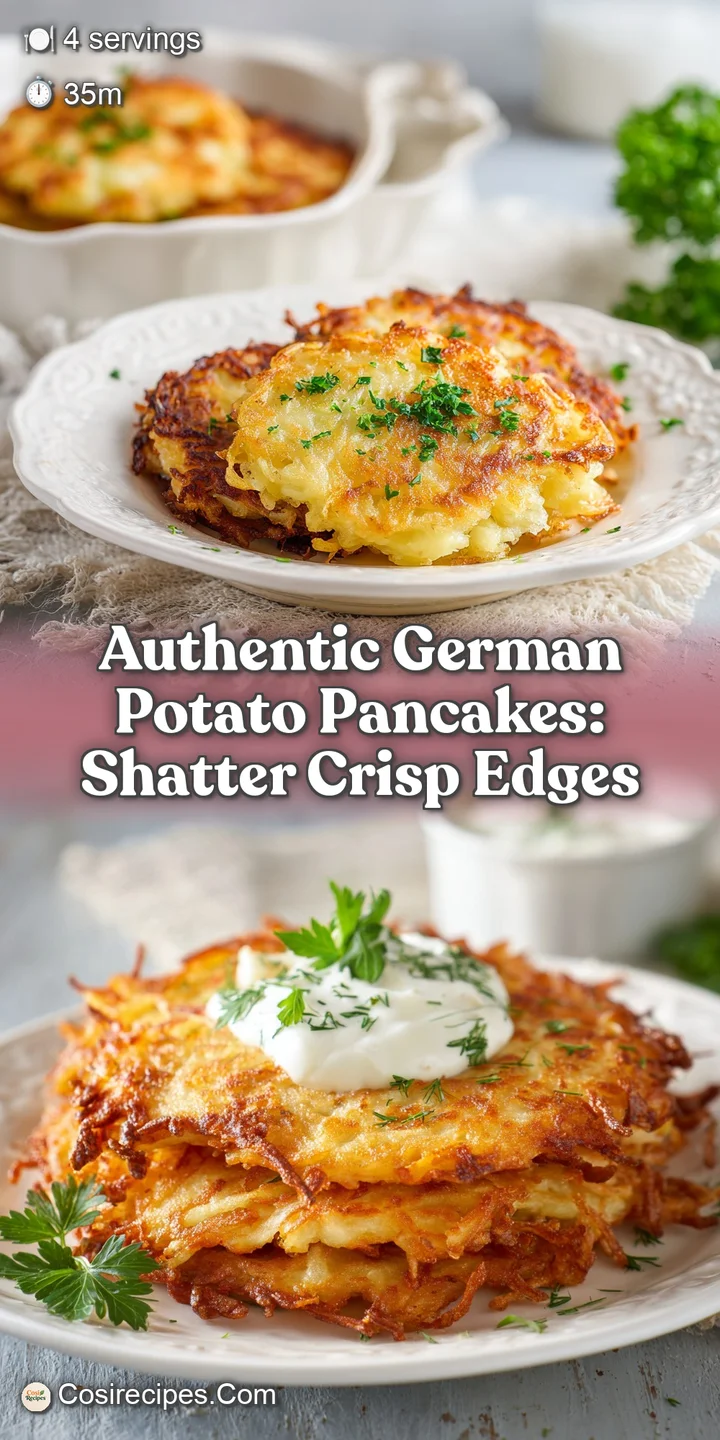
Trust me, once you nail the moisture extraction, there is no going back to the frozen stuff. We are aiming for a texture that is practically addictive, where the edges shatter like glass and the middle stays soft enough to soak up a dollop of cold applesauce.
It is a simple dish, but the technique is everything, and we're going to get it right today.
Why This Works
- The Starch Water Extraction Logic: Removing the liquid prevents the potatoes from steaming in the pan, allowing the exterior to fry into a crisp shell.
- Onion Sulfur Interaction: The grated onion doesn't just add flavor, its natural juices help slow down the oxidation process that turns potatoes grey.
- Nutmeg Aromatic Bridge: This tiny amount of spice cuts through the starch and fat, adding a sophisticated depth that defines the authentic profile.
- Maillard Reaction Maximization: Small amounts of all purpose flour bind with the potato proteins to create a more stable surface for browning.
| Method | Time | Texture | Best For |
|---|---|---|---|
| Cast Iron Skillet | 15 minutes | Maximum shatter crisp | Traditional authenticity |
| Non Stick Pan | 18 minutes | Even browning, less oil | Easier cleanup |
| Air Fryer | 20 minutes | Chewier, less fat | Healthy ish snacking |
The choice of cooking vessel changes the outcome significantly. While a non stick pan is forgiving, it doesn't hold heat as well as a heavy skillet, which is why I always reach for my Lodge cast iron when I want those jagged, crispy edges that define this dish.
Component Analysis for Texture
| Ingredient | Science Role | Pro Secret |
|---|---|---|
| Russet Potatoes | High starch content | Never soak them after grating or you lose the natural glue. |
| Yellow Onion | Moisture and acidity | Grate it directly into the potatoes to prevent browning. |
| Large Eggs | Protein binder | Beat them separately to ensure even distribution in the batter. |
| All Purpose Flour | Starch reinforcement | Use just enough to absorb the remaining micro moisture. |
Sourcing the Best Ingredients
- 1 kg Russet potatoes: These are non negotiable because their high starch and low moisture levels create the best crunch. Why this? Starch is the key to achieving a structural shatter rather than a limp fry.
- 1 large yellow onion: Provides a savory base that balances the earthy potato. Why this? Yellow onions have higher sugar than whites, aiding in the caramelization process.
- 2 large eggs: The glue that keeps your pancake from falling apart in the oil.
- 3 tbsp all purpose flour: Acts as a secondary binder. Substitute with potato starch for a grain free version.
- 1 tsp fine sea salt: Essential for drawing out moisture and highlighting the potato flavor.
- 0.25 tsp freshly grated nutmeg: The "secret" ingredient that makes these taste truly German.
- 0.5 cup neutral oil for frying: Use something with a high smoke point like canola or grapeseed.
Essential Equipment for Success
You don't need a professional kitchen, but a few specific tools make this process significantly less messy. A sturdy box grater is your best friend here, specifically the side with the medium sized holes. If you use the fine holes, you get a puree; if you use the large holes, you get hash browns.
We want that middle ground for the classic texture.
A clean tea towel or a piece of cheesecloth is also vital. You're going to be squeezing those potatoes with a lot of force, so make sure it's a towel you don't mind getting a little stained with potato juice. Finally, a heavy bottomed skillet is the way to go.
It maintains a steady temperature even when you drop in cold batter, which prevents the pancakes from absorbing too much oil.
Executing the Golden Fry
- Peel the potatoes. Wash your 1 kg Russet potatoes and remove the skins completely.
- Grate the vegetables. Use a box grater to shred the potatoes and the large yellow onion into a large bowl. Note: Mixing them immediately helps the onion juice protect the potatoes from turning brown.
- Squeeze the liquid. Transfer the mixture to a clean tea towel and twist it until the liquid stops dripping entirely.
- Recover the starch. Let the squeezed liquid sit in a bowl for 2 minutes, pour off the water, and scrape the white sludge at the bottom back into your potatoes.
- Whisk the binders. In a separate small bowl, beat the 2 large eggs with the 1 tsp fine sea salt and 0.25 tsp nutmeg.
- Combine the batter. Fold the egg mixture and 3 tbsp all purpose flour into the potatoes until no dry flour pockets remain.
- Heat the oil. Pour 0.5 cup neutral oil into your skillet and heat over medium high until a small piece of potato sizzles instantly.
- Form the pancakes. Drop 2-3 tablespoons of batter into the pan and flatten slightly with a spatula.
- Fry the first side. Cook for 3-4 minutes until the edges are dark golden and rigid.
- Flip and finish. Flip carefully and cook for another 2-3 minutes until the bottom is bronzed and crispy.
Solving Common Texture Issues
Why Your Pancakes Are Sogginess
If your pancakes feel heavy or oily, it usually means the temperature dropped too much during cooking. Cold batter in a lukewarm pan acts like a sponge. Always wait for the oil to shimmer before the next batch. Another culprit is failing to squeeze the potatoes hard enough.
You want them to feel almost dry to the touch before adding the eggs.
Why Your Pancakes Fall Apart
This is almost always a binder issue. If you find the shreds aren't sticking together, your eggs might have been too small, or the potatoes were too wet. Sometimes, if you skip the recovered starch from the potato water, you lose that natural "glue" that helps the flour do its job.
| Problem | Root Cause | Solution |
|---|---|---|
| Excessive Splatting | Too much surface water | Dry the grated potatoes more thoroughly with a towel. |
| Grey Color | Oxidation | Grate the onion first and mix it in immediately. |
| Raw Centers | Heat is too high | Lower heat to medium and cook for a minute longer. |
Common Mistakes Checklist
- ✓ Never wash the grated potatoes; you'll lose the essential starches.
- ✓ Don't overcrowd the pan; fry only 3 or 4 at a time to keep the oil hot.
- ✓ Use a kitchen scale for the potatoes to ensure the egg to potato ratio is exact.
- ✓ Let the finished pancakes drain on a wire rack, not just paper towels, to keep the bottoms crisp.
- ✓ Grate the onion on the same holes as the potatoes for a seamless texture.
Tasty Variations to Try
If you want to step away from the classic version, you can easily adapt this base. For a savory twist, I sometimes add a handful of chopped chives or a bit of crumbled bacon directly into the batter. It reminds me of the Authentic German Potato recipe where the vinegar and bacon play off the starch so well.
For a gluten-free option, simply swap the all purpose flour for a 1:1 gluten-free blend or use an extra tablespoon of potato starch. If you’re feeling adventurous, mixing in half a cup of grated parsnip or carrot adds a subtle sweetness that pairs beautifully with the nutmeg.
| Original Ingredient | Substitute | Why It Works |
|---|---|---|
| All Purpose Flour | Potato Starch | Same binding power. Note: Results in a slightly more "glassy" crunch. |
| Yellow Onion | Shallots | Similar flavor. Note: Adds a more delicate, garlicky sweetness. |
| Neutral Oil | Clarified Butter (Ghee) | Higher smoke point. Note: Adds a rich, buttery aroma to the crust. |
If you're looking for a completely different texture profile, you might enjoy trying a Fluffy Japanese Pancakes recipe, which focuses on air and height rather than the dense, crispy shred of the German style.
Proper Scaling Guidelines
If you're cooking for a crowd, don't just double everything blindly. When doubling the recipe (to 8 servings), I find that the salt and nutmeg should only be increased by 1.5x to avoid over seasoning, as the flavor concentrates during frying.
You will also need to work in batches, keeping the finished pancakes in a 200°F (95°C) oven on a wire rack to maintain their crunch.
For scaling down to a single serving, use one small potato and half a beaten egg. It’s a bit finicky, but it works perfectly for a quick solo lunch. Just remember that smaller batches lose heat faster, so keep a close eye on your oil temperature to ensure it doesn't spike and burn the smaller amount of batter.
Proper Storage and Reheating
Storage: These are best fresh, but you can keep them in the fridge for up to 3 days. Store them in an airtight container with pieces of parchment paper between the layers to prevent them from sticking together.
Freezing: You can freeze these for up to 2 months. Freeze them flat on a baking sheet first, then transfer to a freezer bag. Do not thaw them before reheating; go straight from the freezer to the oven for the best texture.
Reheating: Never use a microwave unless you want a rubbery mess. The best way to regain the crunch is in a 375°F (190°C) oven or a toaster oven for about 5-8 minutes.
If you're in a rush, a dry skillet over medium heat also works wonders to crisp up the exterior again.
Zero Waste Tip: Don't throw away those potato peels! Toss them with a little oil and salt and roast them at 400°F (200°C) for 15 minutes for a quick kitchen snack while you're frying the main batch.
Flavorful Pairings to Serve
The traditional way to eat these is with a side of cold applesauce and a dollop of sour cream or Schmand. The contrast between the hot, salty pancake and the cool, sweet sauce is what makes the experience. If you want a more substantial meal, these serve as a brilliant side for a meat dish like an Authentic German Frikadellen recipe, where the savory meat juices can be soaked up by the potato.
For a modern brunch twist, top them with smoked salmon, a squeeze of lemon, and some fresh dill. The acidity of the lemon cuts through the fried exterior perfectly. Honestly, I've even been known to top them with a fried egg and some hot sauce on a Tuesday morning when I need something comforting.
Whatever you choose, just make sure you serve them hot the window for that ultimate shatter crisp texture is narrow!
Recipe FAQs
What is a German potato pancake called?
They are most commonly called Kartoffelpuffer. They may also be referred to as Reibekuchen, especially in Western Germany, distinguishing them slightly by size or regional preparation.
What is the secret to the best potato pancakes?
Squeeze out almost all the moisture from the grated potato and onion mix. This aggressive moisture removal prevents the batter from steaming in the oil, ensuring a deep, shatter crisp exterior rather than a soft, oily sponge.
What is the German version of latkes?
Kartoffelpuffer is the direct German equivalent of latkes. While both rely on grated potato, Kartoffelpuffer often incorporate a small amount of nutmeg for a distinct aromatic profile.
Are latkes and German potato pancakes the same?
No, they are similar but not identical due to seasoning and binders. Latkes traditionally rely heavily on onion and often use matzo meal or no flour, whereas Kartoffelpuffer consistently use a small amount of all-purpose flour and frequently feature nutmeg.
How to prevent my grated potatoes from turning grey before frying?
Grate the onion directly into the bowl with the shredded potatoes immediately. The natural sulfur compounds released by the onion juice act as a mild antioxidant, slowing down the rate at which the potatoes oxidize and turn grey.
How to ensure the pancakes cook through without burning the outside?
Fry in a heavy bottomed skillet over medium high heat, ensuring the oil is shimmering hot before adding the batter. If you are cooking a very large batch, transfer the finished, drained pancakes to a low oven to keep them warm while you finish the frying.
Can I use potato starch instead of flour in this recipe?
Yes, using potato starch is an excellent gluten-free swap. The resulting texture will be slightly different; if you enjoyed controlling the dry ingredient ratio here, you'll notice the potato starch creates a more structurally rigid, almost glassy crust, similar to the principles used in our Italian Almond Cookies recipe binder ratios.
Authentic German Potato Pancakes
Ingredients:
Instructions:
Nutrition Facts:
| Calories | 374 kcal |
|---|---|
| Protein | 9.2 g |
| Fat | 14.0 g |
| Carbs | 53.8 g |
| Fiber | 3.8 g |
| Sugar | 3.2 g |
| Sodium | 592 mg |
