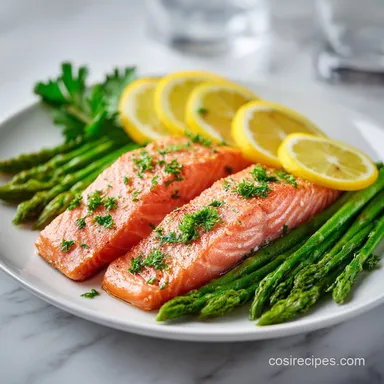
Baked Salmon Asparagus Foil Packs: Silky and Fresh
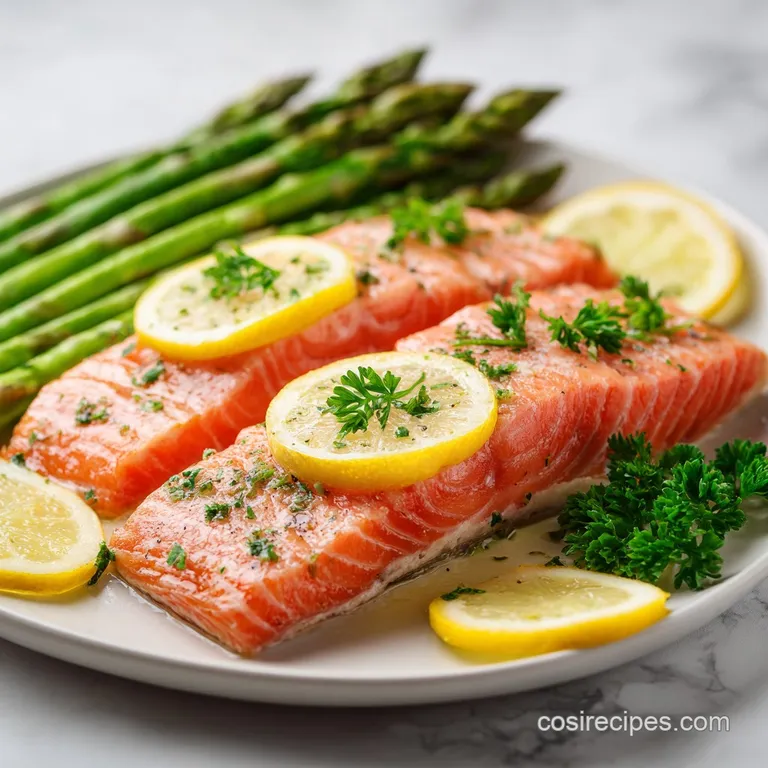
- Time:10 minutes active + 20 minutes cook = Total 35 minutes
- Flavor/Texture Hook: Silky, butter basted salmon with a bright, zesty snap
- Perfect for: Busy weeknights, low carb meal prep, or a light date night
- The Secret to a Stress Free baked salmon asparagus foil packs recipe
- Quick Glance at the Timing and Yield
- The Logic Behind the Steam
- Component Analysis
- Fresh Components for a Silky Finish
- Simple Tools for a Zero Cleanup Meal
- Step-by-Step Guide to a Velvet Texture
- Fixing Common Foil Packet Mishaps
- Troubleshooting Common Issues
- Creative Twists for Your Salmon Packs
- Preservation Secrets
- Serving Suggestions and Final Touches
- Recipe FAQs
- 📝 Recipe Card
The Secret to a Stress Free baked salmon asparagus foil packs recipe
That first hiss of steam when you peel back the foil is honestly the best part of the whole process. I remember the first time I tried this, I used those thin, cheap foil sheets from the discount store. Halfway through, the bottom of one pack ripped, the butter leaked everywhere, and my salmon ended up dry and sad.
It was a total disaster that left me with a charred baking sheet and a very hungry partner.
Since then, I've learned that the "equipment" matters just as much as the fish. I switched to heavy duty foil and developed a specific crimping technique to lock in every drop of moisture. Now, it's my go to when I've had a long day and the thought of washing a frying pan makes me want to order takeout.
You can expect a meal that feels fancy but takes almost no effort. We're talking about a meal where the salmon stays juicy and the asparagus doesn't get that mushy, overcooked vibe. This baked salmon asparagus foil packs recipe is all about letting the steam do the heavy lifting while you relax with a glass of wine.
Quick Glance at the Timing and Yield
Right then, let's look at the numbers so you can plan your evening. This recipe is designed for four people, but it's incredibly flexible. Whether you're cooking for a crowd or just yourself, the timing stays relatively consistent as long as you don't overcrowd the pan.
The prep is a breeze, mostly just chopping and folding. The magic happens in the oven, where the lemon and garlic infuse into the fish. Trust me on this, the resting period is non negotiable. If you open the packs the second they come out, you lose that precious steam that finishes the cooking process.
The Logic Behind the Steam
I'm always curious about why some methods just work better than others. After a few "experiments" (and some burnt edges), here is what I've realized about the mechanics of this dish.
The Steam Chamber: By sealing the foil tightly, we create a miniature oven. This traps the moisture from the fish and lemon, essentially poaching the salmon in its own juices and butter.
The Vegetable Raft: Placing the salmon on top of the asparagus isn't just for looks. It keeps the fish from sitting in a puddle of liquid, which prevents the bottom from getting soggy.
Fat Based Flavor Delivery: The melted butter acts as a carrier for the garlic and parsley. Since fat distributes heat evenly, the butter ensures every inch of the fillet is seasoned.
Temperature Carryover: Salmon continues to cook after you pull it from the oven. Resting the sealed packs allows the temperature to stabilize, which is why we pull them at 135-140°F.
| Fillet Thickness | Target Internal Temp | Rest Time | Visual Cue |
|---|---|---|---|
| 1 inch | 135-140°F | 5 mins | Flakes easily with a fork |
| 1.5 inches | 135-140°F | 7 mins | Opaque pink, not translucent |
| 2 inches | 135-140°F | 10 mins | Firm but gives slightly to touch |
Component Analysis
Before we get to the shopping list, let's look at why these specific ingredients matter. I've tried using different fats and acids, but this combo is the gold standard for a reason.
| Ingredient | Science Role | Pro Secret |
|---|---|---|
| Salmon | Protein/Fat | Pat the skin dry first for a cleaner finish |
| Asparagus | Fiber/Structure | Trim exactly 1 inch of woody ends |
| Lemon | Acid/Brightener | Use both juice and slices for layered flavor |
| Butter | Emulsifier | Use unsalted so you can control the salt level |
Fresh Components for a Silky Finish
Get your ingredients ready. I highly recommend getting the freshest salmon you can find, but frozen works too as long as it's thawed completely in the fridge overnight.
- 4 salmon fillets, 6 oz each Why this? Consistent size ensures they all cook at the same rate
- 1 lb asparagus spears, woody ends trimmed Why this? Provides a fresh, earthy contrast to the rich fish
- 2 large lemons (one sliced into rounds, one juiced) Why this? Slices add aroma, juice adds acidity
- 1 tsp salt Why this? Essential for drawing out the natural flavors
- 1/2 tsp black pepper Why this? Adds a subtle heat to balance the butter
- 4 tbsp unsalted butter, melted Why this? Creates a velvety sauce
- 3 cloves garlic, minced Why this? Adds depth and a pungent kick
- 2 tbsp fresh parsley, chopped Why this? Adds a fresh, herbaceous finish
- 1 tbsp lemon juice Why this? Extra punch of brightness
Ingredient Swaps
Sometimes the fridge is empty, or you're cooking for someone with allergies. Here is what I've found works best.
| Original Ingredient | Substitute | Why It Works |
|---|---|---|
| Unsalted Butter | Olive Oil | Similar fat content. Note: Lacks the creamy richness of butter |
| Asparagus | Zucchini | Similar cook time. Note: Release more water, might be softer |
| Fresh Parsley | Fresh Dill | Classic pairing with salmon. Note: Stronger, more "fishy" profile |
| Salmon | Cod or Halibut | Similar lean protein. Note: Check my baked cod with lemon butter for timing |
I've noticed that if you use a substitute like zucchini, it's best to slice it into thick half moons so it doesn't completely disappear into the sauce.
Simple Tools for a Zero Cleanup Meal
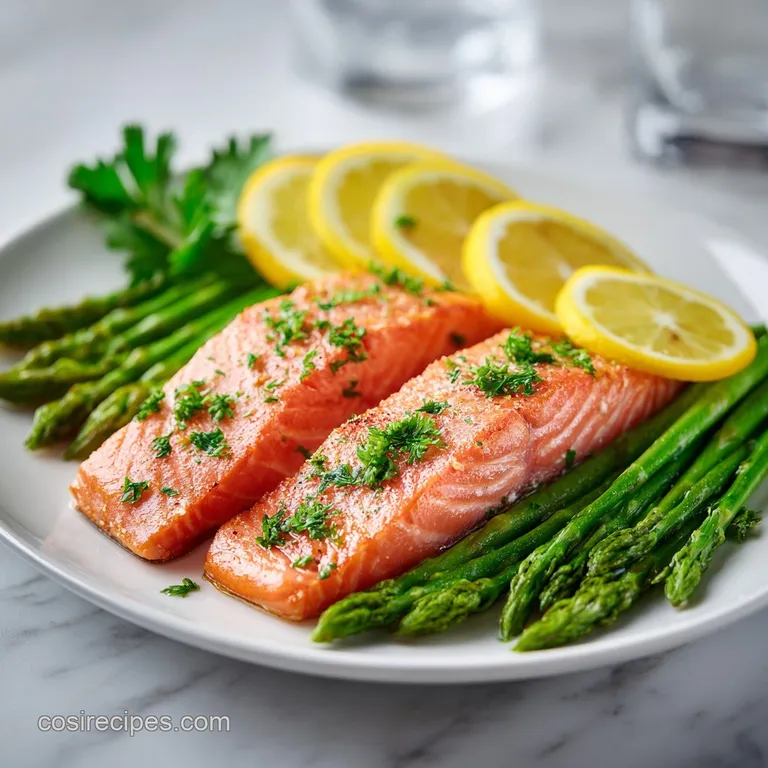
You don't need a fancy kitchen for this. In fact, the goal is to use as little as possible.
- Heavy Duty Aluminum Foil: This is non negotiable. Standard foil often rips or leaks, which ruins the steam effect.
- Rimmed Baking Sheet: The rim is critical. If you use a flat cookie sheet, the butter and lemon juice will drip onto your oven floor, and nobody wants that smoke alarm going off.
- Instant Read Thermometer: This is the only way to be 100% sure your salmon isn't overcooked. According to Serious Eats, pulling salmon at a slightly lower temperature prevents it from becoming dry.
- Small Mixing Bowl: For whisking your butter sauce.
Step-by-step Guide to a Velvet Texture
Let's crack on. Make sure your oven is fully preheated before you start folding the foil, or your timing will be off.
- Preheat your oven to 400°F (200°C). Note: Ensure the oven rack is in the center position
- Cut four large squares of heavy duty aluminum foil. In the center of each square, create a bed of approximately 8-10 asparagus spears to act as a vegetable raft.
- Place one 6 oz salmon fillet atop the asparagus spears in each foil square.
- In a small mixing bowl, whisk together the melted unsalted butter, minced garlic, lemon juice, and chopped fresh parsley.
- Drizzle the lemon garlic butter mixture evenly over the salmon and asparagus.
- Top each salmon fillet with two lemon slices.
- Fold the sides of the foil inward and crimp the edges tightly to create a sealed pouch, ensuring no steam can escape.
- Place the packets on a large rimmed baking sheet and bake for 18-22 minutes, until the salmon reaches an internal temperature of 135-140°F (57-60°C).
- Let the packets rest, sealed, for 5 minutes before opening to allow the juices to redistribute.
Precision Checkpoints
- Temperature Check: 400°F (200°C) oven is mandatory for the right steam speed.
- Internal Temp: 135-140°F (57-60°C) is the "sweet spot" for medium salmon.
- Rest Time: Exactly 5 minutes of resting keeps the fillet from drying out.
Fixing Common Foil Packet Mishaps
Even with a solid plan, things can go sideways. I've spent enough time in the kitchen to know that a few mistakes are inevitable.
Troubleshooting Common Issues
| Issue | Solution | |||||
|---|---|---|---|---|---|---|
| Why Your Salmon Is Rubbery | This usually happens when the salmon is overcooked or the foil wasn't sealed tightly enough, causing the moisture to evaporate. If the fish feels springy or tough, it's likely passed the 145°F mark. | |||||
| Why Your Asparagus Is Soggy | If the asparagus is mushy, you might have used spears that were too thin. Thicker spears hold up better to the steaming process. Also, avoid adding extra water to the packet; the butter and lemon are | |||||
| Why The Foil Ripped | Using lightweight foil or folding the edges too sharply can create tears. Always use heavy duty foil and use a "roll and crimp" motion rather than a sharp fold. | Problem | Root Cause | Solution | -- |
Common Mistakes Checklist
- ✓ Pat the salmon completely dry with paper towels before adding butter.
- ✓ Use heavy duty foil to prevent leaks and burns.
- ✓ Trim the woody ends of the asparagus (about 1 inch).
- ✓ Crimp the foil edges tightly to lock in the steam.
- ✓ Rest the packets for 5 minutes before opening.
Creative Twists for Your Salmon Packs
Once you've mastered the basic baked salmon asparagus foil packs recipe, you can start playing with the flavors. I love treating the butter sauce as a base and swapping out the aromatics.
For a Mediterranean vibe, try adding a few halved cherry tomatoes and some Kalamata olives into the pack. The saltiness of the olives pairs beautifully with the fatty salmon. If you're feeling adventurous, a sprinkle of feta cheese added after baking is a total win.
For those who want something more Asian inspired, swap the butter for sesame oil and the lemon for a splash of soy sauce and ginger. You can replace the asparagus with bok choy or snap peas for a similar crunch. For another healthy seafood option, you might enjoy a baked cod with lemon butter, which uses a similar steaming logic.
Customization Shortcuts
- For a zesty kick: Add 1/2 tsp of red pepper flakes to the butter.
- For extra richness: Add a dollop of pesto under the salmon.
- For a dairy-free version: Use a high-quality vegan butter or extra virgin olive oil.
Preservation Secrets
If you're doing this for meal prep, you've got to be careful. Seafood doesn't love being reheated, as it can quickly become rubbery.
Store any leftovers in an airtight container in the fridge for up to 2 days. I don't recommend freezing cooked salmon, as the texture changes significantly and it loses that velvety feel.
To reheat, don't use the microwave on high. Instead, put the salmon back in a piece of foil with a teaspoon of water or butter and warm it in the oven at 300°F (150°C) for about 10 minutes. This gently brings the temperature up without overcooking the center.
Zero Waste Tips
Don't toss those asparagus ends! I save them in a bag in the freezer to make a vegetable stock later. Also, use the remaining lemon zest in a salad dressing or bake it into some cookies. According to USDA FoodData, lemons are packed with Vitamin C, so find a way to use the whole fruit.
Serving Suggestions and Final Touches
Since the foil packs provide the protein and the veg, you just need a simple side to round it all out. I love serving this with something that can soak up that leftover garlic butter from the bottom of the pack.
A side of creamy scalloped potatoes is a great way to make this feel like a full feast. If you're keeping it light, some fluffy quinoa or a simple wild rice blend works perfectly.
When you serve it, I recommend sliding the whole thing out of the foil and onto a plate. Garnish with an extra sprinkle of fresh parsley and a wedge of lemon. The contrast between the bright green asparagus and the coral colored salmon looks stunning, making this simple meal feel like something from a bistro.
Fresh vs Shortcut Comparison
| Feature | Fresh Ingredients | Frozen/Pre cut Shortcuts |
|---|---|---|
| Texture | Firm, snap fresh asparagus | Softer, slightly waterier veg |
| Flavor | Vibrant, citrusy pop | Milder, more muted flavors |
| Prep Time | 10 minutes | 5 minutes |
Recipe FAQs
How to tell when the salmon is perfectly cooked?
Use a meat thermometer to check for an internal temperature of 135-140°F (57-60°C). The fish should flake easily with a fork and remain moist.
Why is my salmon rubbery?
Overcooking or poor sealing. If the foil isn't crimped tightly, moisture escapes; if cooked past 145°F, the proteins tighten and become tough.
Is it true that thin asparagus always turns out mushy in foil packs?
No, this is a common misconception. While thinner spears cook faster, they only become mushy if overcooked or if extra water is added to the pouch.
What side dish pairs best with these salmon packs?
Roasted potatoes or a light salad. These complement the buttery lemon flavors without overpowering the delicate fish.
Can I add a creamy sauce inside the foil packets?
No, keep the packets lean for better steaming. For a rich finish, drizzle a lemon butter sauce over the fillets after opening the foil.
How to prevent the aluminum foil from ripping?
Use heavy duty aluminum foil. This prevents tears during folding and ensures the steam stays trapped inside the pouch for a velvet texture.
Why do the packets need to rest for 5 minutes?
To redistribute the juices. Letting the salmon rest while sealed ensures the moisture settles back into the meat, preventing it from drying out instantly upon opening.
Baked Salmon Asparagus Foil Packs