Creamy Butternut Squash Pasta Bake
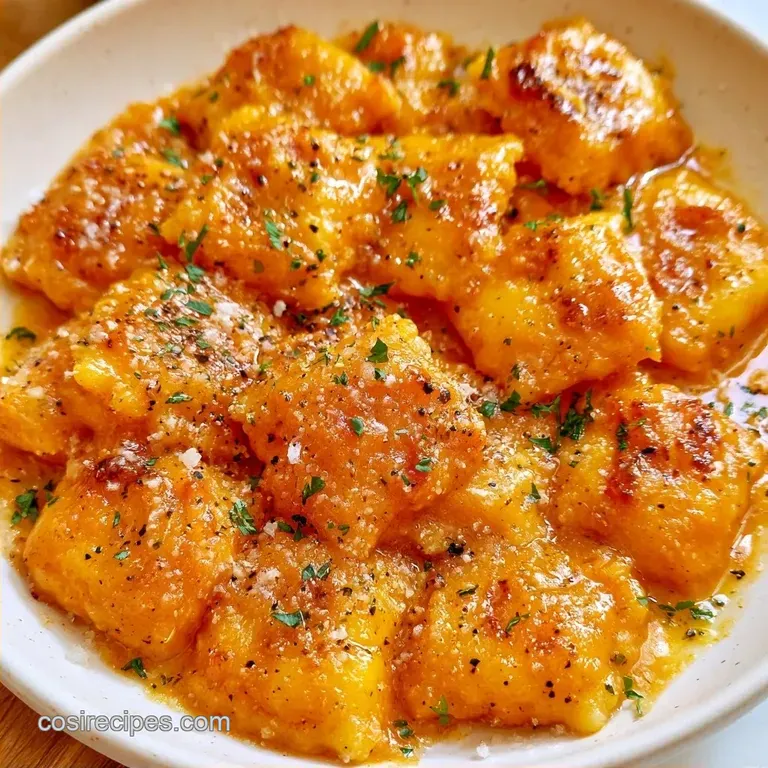
- Prep & Cook: 15 minutes prep + 30 minutes oven time
- What makes it great: A velvety gold sauce paired with a crunchy panko topping
- Perfect for: Easy weeknight dinners or a seasonal gathering
There's nothing quite like the aroma of roasting squash to signal that autumn has arrived. My initial tries at a squash themed pasta were far from successful; I used to boil the squash, which only resulted in a bland, watery puree that left the pasta soggy.
It had no complexity and honestly tasted more like baby food than a meal.
Switching to roasting changed everything. Exposing the squash to high heat caramelizes the natural sugars, intensifying the flavor. This Butternut Squash Pasta Bake depends on that roasted foundation to carry the entire dish.
The result is a lush, golden sauce that coats every piece of pasta, finished with a toasted layer of crumbs and cheese. It's a filling dish that feels sophisticated without demanding hours of your evening.
The Trick Behind the Texture
Over High heat Roasting: Roasting at 400°F browns the squash edges, which adds a nutty flavor that boiling just can't touch.
The Al Dente Gap: Cooking the pasta for 2 minutes less than the box says prevents it from getting mushy during the final oven bake.
What Each Ingredient Does
| Component | Purpose | Substitute Notes |
|---|---|---|
| Butternut Squash | Thickens and flavors the sauce | Pumpkin puree: Works, but less depth |
| Heavy Cream | Adds richness and stability | Full fat coconut milk: Good for dairy-free |
| Panko Breadcrumbs | Creates a crispy contrast | Regular breadcrumbs: Less crunch |
| Parmesan | Adds a salty, umami kick | Pecorino: Stronger, saltier taste |
Right then, let's talk about how to get this on the table. Since we're blending the sauce, the texture is what makes this Butternut Squash Pasta Bake addictive. If you're looking for more ways to use this vegetable, my maple roasted squash is a great side for other meals.
Gathering Your Essentials
- 2 lbs butternut squash, peeled and cubed Why this? Provides the creamy, sweet base
- 2 tbsp olive oil Why this? Helps squash brown in the oven
- 1 tsp kosher salt
- ½ tsp black pepper
- 3 cloves garlic, minced
- 1 cup heavy cream Why this? Emulsifies the sauce for a rich finish
- ½ cup reserved pasta cooking water Why this? Starch helps the sauce stick to pasta
- ½ cup grated Parmesan cheese Why this? Adds a savory, salty balance
- 1 tsp dried sage or thyme
- 1 lb penne or rigatoni pasta Why this? Ridges hold onto the thick sauce
- 2 cups shredded mozzarella cheese Why this? Gives that classic gooey pull
- ½ cup panko breadcrumbs
- 2 tbsp melted butter
- ¼ cup grated Parmesan cheese
| Original Ingredient | Substitute | Why It Works |
|---|---|---|
| Heavy Cream | Cashew Cream | Similar thickness. Note: Slightly nuttier taste |
| Penne Pasta | gluten-free Penne | Holds shape well. Note: Cook 1 min less than suggested |
| Sage | Fresh Rosemary | Similar earthy profile. Note: Use 1 tsp chopped |
Before we get to the oven, make sure you have a blender. You could use an immersion blender, but a standard blender gets the sauce much smoother.
Equipment Needed
- Large baking sheet
- Large pot for boiling pasta
- High speed blender or food processor
- 9x13 inch baking dish
- Colander
- Mixing bowl
From Prep to Plate
Phase 1: The Roasted Foundation
- Set your oven to 400°F (200°C).
- On a baking sheet, coat the diced butternut squash in olive oil, salt, and pepper.
- Roast for 20–25 minutes until the centers soften and the edges turn a deep mahogany when poked with a fork.
Phase 2: Crafting the Creamy Sauce
- Bring a large pot of salted water to a boil. Simmer the pasta for 2 minutes shorter than the package suggests. Note: This ensures the pasta stays al dente and avoids overcooking during the bake.
- Save 1 cup of the cooking water before draining the pasta.
- Combine the roasted squash, minced garlic, heavy cream, dried herbs, and ½ cup of Parmesan in a blender.
- Blend until the consistency is velvety and smooth. Stir in a bit of the saved pasta water if the sauce is too thick.
Phase 3: The Final Assembly and Bake
- Using a large bowl or pot, stir together the partially cooked pasta, the creamy squash puree, and the shredded mozzarella.
- Pour the mixture into a 9x13 inch baking pan.
- Mix the panko breadcrumbs with melted butter and the final ¼ cup of Parmesan, then spread it evenly over the pasta.
- Bake until the top is golden brown and the sauce is bubbling.
Chef's Note: For a deeper flavor profile, try roasting whole garlic cloves alongside the squash before blending. This mellows the garlic and enhances the richness of the sauce.
Avoiding Kitchen Disasters
If you've ever made a pasta bake and ended up with something that looks like soup, you're not alone. The biggest hurdle with a Butternut Squash Pasta Bake is the moisture balance. Too much water in the squash or too much cream can make the dish runny.
Another issue is the pasta texture. If you cook the pasta fully before putting it in the oven, it'll absorb the sauce and turn into mush. Sticking to that 2 minute undercook rule is what saves the dish. If your sauce feels too thick, don't just add water. Use that starchy pasta water, which acts like a glue to keep the sauce and noodles together. For a different take on creamy sauces, check out this homemade cheese sauce for a more traditional vibe.
Sauce Too Thick
When the squash is particularly dry, the blender might struggle. Stir in a bit more pasta water until it pours easily.
Pasta Too Mushy
This happens if the pasta was boiled too long initially. Next time, pull the noodles while they still have a firm "bite" in the center.
Topping Not Brown
If the cheese is melted but not golden, move the dish to the top rack for 3-5 minutes or hit it with the broiler.
| Problem | Root Cause | Solution |
|---|---|---|
| Runny Sauce | Too much cream or watery squash | Add more Parmesan or bake 5 mins longer |
| Bland Flavor | Not enough salt in pasta water | Stir in a pinch of salt or nutmeg at the end |
| Dry Pasta | Sauce absorbed too quickly | Add a splash of milk before baking |
Adjusting the Batch Size
Adjusting the size of this butternut squash pasta bake is simple, as long as you keep an eye on the liquid ratios.
Cutting it in half: Opt for an 8x8 inch baking pan. If you decide to use an egg binder, beat one egg and use half of it, though for this particular recipe, you can just halve every ingredient. Decrease the baking time by approximately 20%.
Doubling the recipe: Avoid using a single 9x13 pan to prevent the dish from overflowing or remaining undercooked; use two pans instead. Only increase the salt and spices to 1.5x. Liquids can be fully doubled, but be mindful of your blender's capacity to avoid spills.
Common Kitchen Myths
While some suggest using a knife to peel the squash, a reliable vegetable peeler is far more efficient and safer. There's no need to fret over perfectly uniform cubes, since they will eventually be blended into the sauce.
You also don't need to sauté the pasta in butter to enhance the taste. While that technique works for other meals, roasting the squash already creates a deep, rich flavor for this bake. Adding extra fat at this stage only makes the final dish overly greasy.
Make-ahead and Leftover Tips
This meal stays delicious for several days. Keep any remains sealed and chilled for no more than 4 days. Since the pasta often drinks up the sauce, stir in a tablespoon of milk or water before microwaving to restore the creamy texture.
If you prefer to freeze it, allow the dish to cool entirely. Slice it into portions, wrap each piece in foil, and store in the freezer for up to 2 months. To warm them up, bake at 350°F (175°C) under foil for 20 minutes, then remove the foil and bake for 10 more minutes to crisp up the top.
Make a nutritious treat from the squash seeds instead of discarding them. Rinse, pat dry, coat with a bit of salt and oil, and roast at 325°F (160°C) for 15 minutes.
How to Serve and Enjoy
I love serving this Butternut Squash Pasta Bake with a sharp, acidic side to cut through the richness. A simple arugula salad with lemon vinaigrette or some roasted Brussels sprouts works perfectly.
If you want to make it a full feast, garlic bread is a natural companion. Just be sure to let the pasta bake rest for 5-10 minutes after it comes out of the oven. This lets the sauce set, so you get clean slices instead of a puddle on the plate.
Make It Your Own
The base of this Butternut Squash Pasta Bake is highly adaptable, making it easy to customize the flavors to your preference.
For a Vegan Version
Substitute the heavy cream with full fat coconut milk and use a vegan parmesan alternative. Use cashew based shreds instead of mozzarella and vegan butter for the panko topping.
For an Extra Protein Punch
Mix in some shredded rotisserie chicken or cooked Italian sausage before adding the mixture to the baking dish. Stirring in kale or spinach also adds vibrant color and extra nutrients.
For a Nutty Twist
Incorporate a handful of toasted pecans or walnuts into the panko topping. This crunch complements the natural sweetness of the squash perfectly.
For gluten-free Needs
Opt for a high-quality corn or brown rice penne. Be careful with the boiling time, as gluten-free pasta can go from firm to mushy much faster than wheat based varieties.
Recipe FAQs
Which sauce flavors pair best with butternut squash pasta?
A creamy blend of roasted squash, heavy cream, and Parmesan creates a rich, velvety base.
Tip: Add a pinch of dried sage or thyme to enhance the earthy autumn flavor.
Is it true that you should skip boiling the pasta before baking?
No, this is a common misconception. Pasta needs to be par-cooked first to ensure a consistent texture throughout the dish.
Tip: Boil it for 2 minutes less than the package directions to keep it from overcooking.
How to use pumpkin instead of butternut squash?
Swap the cubed squash for an equal amount of pumpkin cubes or puree.
Tip: If using puree, skip the roasting step and blend it directly with the cream and cheese.
Can this pasta bake be made without garlic?
Omit the minced garlic from the blender mixture to keep the dish garlic free.
Tip: Increase the dried sage or thyme slightly to maintain a strong savory profile.
Why does the pasta get mushy in the oven?
Overcooking the noodles during the initial boil leaves too little structure for the final bake.
Tip: If you enjoyed mastering the al dente gap here, see how the same principle works in our beef noodle casserole.
What is the best way to roast the squash for this dish?
Toss cubes in olive oil, salt, and pepper, then bake at 400°F for 20 25 minutes.
Tip: Look for mahogany colored edges to ensure the sugars have properly caramelized.
Butternut Squash Pasta Bake