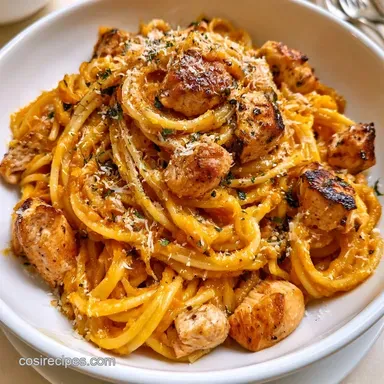
Creamy Chicken Butternut Squash Pasta
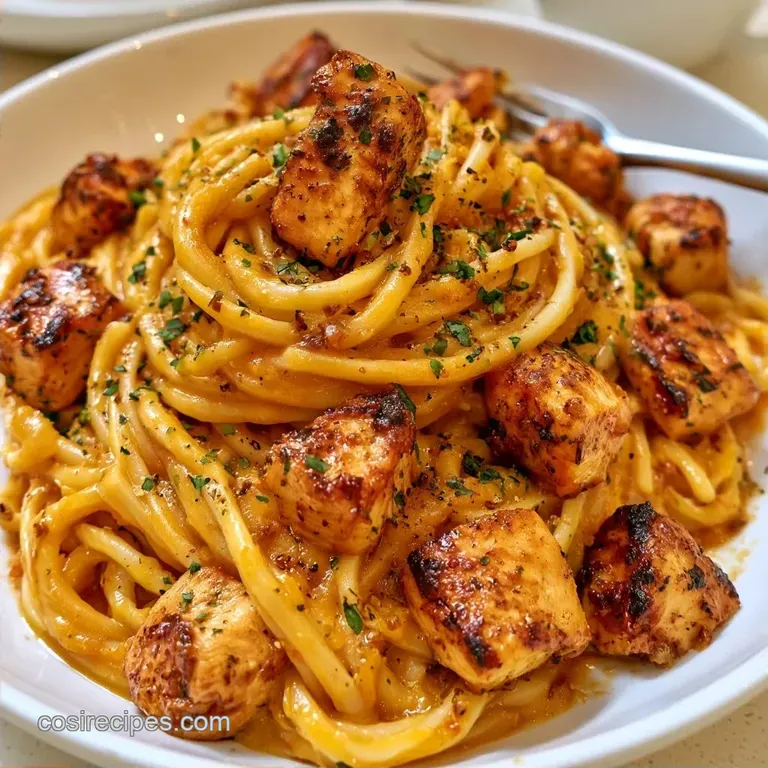
- Time: 10 minutes prep + 30 minutes cooking
- The Highlight: Silky golden sauce with savory seared chicken
- Perfect for: Autumn meal prep or cozy weeknight dinners
Chicken Butternut Squash Pasta Specs
I love starting my Tuesday nights with the aroma of chicken searing in olive oil. This recipe takes me back to a rainy October, when my family craved a comforting dinner that felt like a warm embrace. I had some leftover squash puree in the fridge and decided to see if I could turn it into something truly craveable.
Your whole home will smell of warm nutmeg and garlic while this simmers. No fancy equipment is required just a large pot and a little patience while the chicken browns. This Chicken Butternut Squash Pasta is built on simplicity, using smart substitutions to keep costs low and flavor high.
The dish balances the natural sweetness of the squash with a salty hit of Parmesan. It is rich, satisfying, and surprisingly quick to assemble once the prep is done. Now, let's get into the steps to make it happen.
Why it works: The squash provides a thick base that carries the nutmeg's aroma. Adding pasta water at the end creates a stable emulsion, ensuring the sauce clings to the rigatoni instead of sliding off.
| Method | Time | Texture | Best For |
|---|---|---|---|
| Fresh Puree | 40 min | Thick and Hearty | Home cooked feel |
| Canned Puree | 30 min | Smoother, Lighter | Busy weeknights |
The Essential Building Blocks
I once thought any squash would do, but butternut is the best choice because it's creamier and has less water. I'd suggest avoiding pumpkin puree here; it's far too earthy and lacks the depth needed for this particular sauce.
Ingredient Deep Dive
| Component | Purpose | Substitute Notes |
|---|---|---|
| Butternut Puree | Base thickness | Pumpkin: Earthier, less sweet |
| Heavy Cream | Creaminess | Full fat coconut milk: Nutty, dairy-free |
| Parmesan | Salty punch | Pecorino: Bolder, saltier tang |
| Rigatoni | Sauce grip | Penne: A good alternative, but holds less sauce |
The Shopping List
- 680g boneless skinless chicken breast, cubed into 1 inch pieces Why this? Keeps the dish lean yet tender
- 30ml olive oil Why this? Great for searing at high heat
- 3g salt
- 1g black pepper
- 720ml butternut squash purée Why this? Creates the golden color and thickness
- 110g yellow onion, finely diced
- 15g garlic, minced
- 30g unsalted butter Why this? Imparts a rich, nutty flavor to the onions
- 2g ground nutmeg Why this? Balances out the sweetness of the squash
- 120ml heavy cream Why this? Stabilizes the consistency of the sauce
- 50g freshly grated Parmesan cheese
- 450g rigatoni or penne pasta Why this? Ridges are perfect for catching the thick sauce
- 120ml reserved pasta cooking water
I typically use store-bought puree to save time, but if you roast your own, just blend it until smooth. If you want a completely different flavor profile, my Peruvian Chicken is another fantastic way to prepare chicken breasts.
Essential Kitchen Tools
You can get away with very little here, which is why I love this recipe. A large pot is the main requirement, as it handles the searing and the sauce building in one go.
I prefer using a slotted spoon to remove the chicken. It leaves the browned bits in the pan, which we definitely want for the sauce. A sturdy colander for the pasta and a whisk or wooden spoon for the sauce are all you really need.
Making the Pasta
Phase 1: Searing the Chicken
Warm the olive oil in a large pot over medium high heat. Season the chicken cubes with salt and pepper. Brown the meat in the pot for 5–7 mins until the edges are mahogany colored. Use a slotted spoon to transfer the chicken to a plate.
Phase 2: Building the Sauce Base
In that same pot, melt the butter. Sauté the diced onion for 5 mins until translucent. Toss in the minced garlic for 30 seconds until fragrant. Mix in the ground nutmeg and butternut squash purée.
Keep stirring for 2 mins to blend the flavors.
Phase 3: The Final Emulsion
Cook the pasta in salted water until al dente. Reserve 120ml of the starchy water before draining. Transfer the pasta straight into the squash sauce. Mix in the Parmesan cheese, heavy cream, and browned chicken.
Should the sauce be too thick, incorporate the saved pasta water one tablespoon at a time until the sauce is velvety and coats the noodles.
Chef's Note: Be careful not to overcook the pasta. Since it will simmer in the sauce for a few more minutes, remove it from the water while it still has a slight bite.
Fixing Common Issues
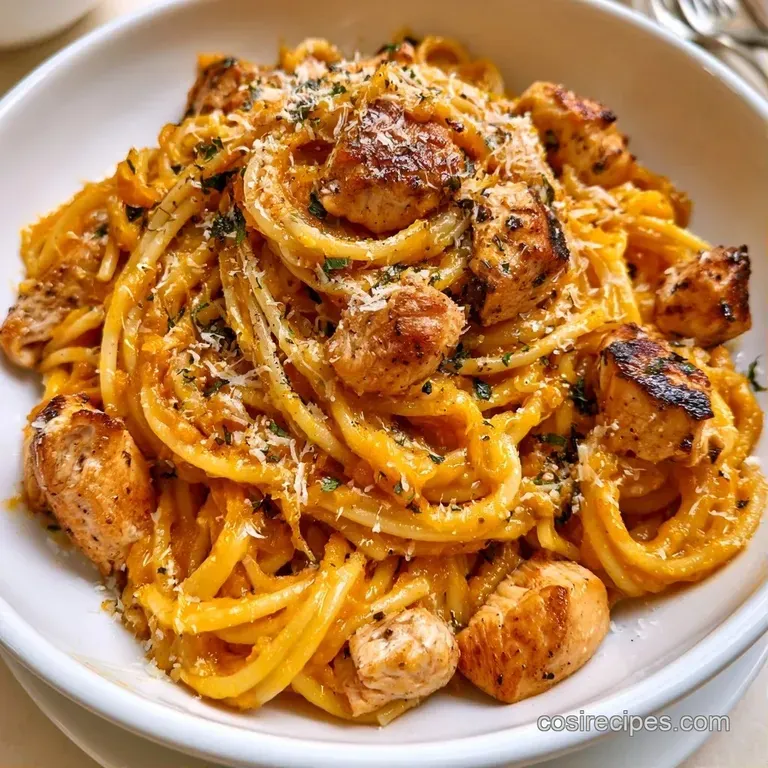
It’s possible for the sauce to become too dense, resembling mashed potatoes rather than a pasta glaze. This usually happens when the puree is too thick or the liquids are over reduced. Keep some pasta water on hand.
Solving a Thick Sauce
If the sauce looks dull or heavy, it needs more liquid. Starchy pasta water helps break the fat's surface tension, thinning the consistency without sacrificing flavor.
Preventing Dry Chicken
Searing the chicken for too long can make it rubbery. Remove it as soon as it’s browned, even if it’s slightly undercooked in the middle, as it will finish cooking in the sauce.
Stopping Sauce Separation
If you notice oil droplets on the surface, the temperature is too high. Lower the heat and stir in a bit of cream or pasta water to re-emulsify the sauce.
| Problem | Fix |
|---|---|
| Sauce too thick | Stir in reserved pasta water tbsp by tbsp |
| Chicken is tough | Limit searing to 5 mins |
| Sauce separating | Turn down heat and stir in cream |
Tasty Recipe Variations
If you're watching your budget, you can replace the heavy cream with a combination of milk and a teaspoon of cornstarch. It won't be quite as rich, but the creamy appearance remains.
Want a Healthier Version?
Substitute plain Greek yogurt for the heavy cream. Be sure to stir it in at the very end after removing the pot from the heat so the yogurt doesn't curdle.
Looking for a Gourmet Twist?
Stir in a handful of fresh kale or baby spinach during the final step. These greens wilt in about 60 seconds and offer a lovely color contrast to the golden Chicken Butternut Squash Pasta.
Can I make this dairy-free?
Swap the cream for coconut milk and the Parmesan for nutritional yeast. The coconut flavor works surprisingly well with the squash and nutmeg.
- - For more heat
- Mix some red pepper flakes in with the garlic.
- - For extra depth
- Stir a teaspoon of soy sauce into the puree.
- - For a bake
- Move everything to a baking dish, top with mozzarella, and broil for 5 mins.
| Premium Ingredient | Budget Substitute | Impact | Savings |
|---|---|---|---|
| Fresh Butternut | Canned Puree | Smoother texture | High |
| Heavy Cream | Whole Milk | Less richness | Medium |
| Fresh Parmesan | Grated Shaker | Saltier, less nutty | Medium |
Keeping Leftovers Fresh
Keep this dish in a sealed container in the refrigerator for as long as 3 days. You will notice the consistency becomes thicker as the pasta soaks up the liquid.
When freezing, it is best to store the chicken and sauce apart from the noodles. Freezing everything together often results in mushy pasta once thawed. The sauce remains good for around 2 months.
When warming it back up, stir in a bit of milk or water. Use medium low heat to ensure the sauce stays emulsified.
To minimize waste, save your squash peels if you are roasting your own. Coat them in salt and oil, then roast at 200°C until they are crunchy for a nutritious snack.
Best Way to Serve
This dish is quite rich, so I like to pair it with something bright. A simple arugula salad with lemon vinaigrette cuts through the creaminess of the sauce.
If you want something heartier, a slice of toasted sourdough is great for mopping up the extra sauce. For another cheesy experience, you might enjoy this cheese sauce recipe to drizzle over some steamed broccoli on the side.
Pan Truths
There's a common belief that searing chicken "seals in" the juices. In reality, searing doesn't stop moisture loss. Instead, it creates a brown crust that adds deep, savory flavor.
Some people think you need to roast the squash for hours to get the flavor. While roasting is great, using a high-quality puree gives you the same thickness in a fraction of the time.
Why This Recipe Wins
The magic of this Chicken Butternut Squash Pasta comes from the contrast of flavors. The nutmeg acts as a bridge between the sweet squash and the savory chicken.
Using rigatoni is a deliberate choice. The larger holes capture the thick puree, ensuring every bite is loaded with sauce rather than the sauce just pooling at the bottom of the bowl.
It's a meal that feels expensive but relies on humble ingredients. By focusing on the sear of the chicken and the emulsion of the sauce, you get a result that beats most restaurant versions of this autumn favorite.
Recipe FAQs
What meat goes best with butternut squash pasta?
Seared chicken breast provides the best savory contrast to the sweet squash.
Tip: season cubes with salt and pepper and sear until mahogany colored for maximum flavor.
How to thin out a squash sauce that is too thick?
Stir in reserved starchy pasta water one tablespoon at a time.
Tip: keep the water hot to avoid cooling down the rest of the dish.
Is it true that butternut squash is too sweet for savory pasta?
No, this is a common misconception. The addition of salted Parmesan and nutmeg balances the sweetness perfectly.
Tip: sauté the onions and garlic first to add necessary aromatic depth.
Which pasta shapes hold this creamy sauce best?
Rigatoni or penne are ideal because their hollow centers capture the thick puree.
Tip: if you prefer a different style of noodle, the technique for making homemade spaetzle creates a similar hearty texture.
Do other flavor profiles complement butternut squash?
Creamy bases with nutty or salty elements work best.
Tip: if you enjoy this savory sweet balance, you might like experimenting with a savory fruit sauce in other dishes.
Chicken Butternut Squash Pasta