Hibachi Chicken Recipe: Homemade Steakhouse Style
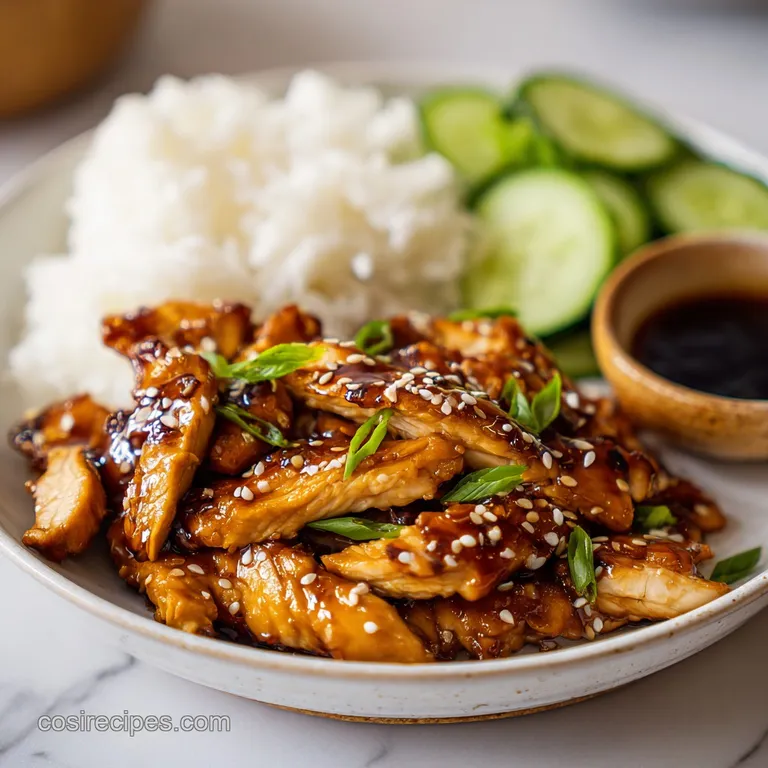
- Time: Active 15 minutes, Passive 15 minutes, Total 30 minutes
- Flavor/Texture Hook: Savory sweet glazed chicken with buttery crisp vegetables
- Perfect for: High protein weeknight dinners or addictive meal prep
- Decode the addictive flavors of this hibachi chicken recipe
- The Physics of the over High heat Maillard Sizzle
- Master the heat with these essential recipe specifications
- Selecting quality components for a balanced hibachi chicken recipe
- Minimal kitchen tools for maximum steakhouse flavor at home
- Executing the sear with these detailed step-by-step instructions
- Solving common texture issues with a professional troubleshooting guide
- Adapting your meal with creative twists and dietary swaps
- Debunking Hibachi Myths
- Smart storage methods and zero waste kitchen preservation secrets
- Perfect side dish pairings for the ultimate home experience
- Recipe FAQs
- 📝 Recipe Card
Decode the addictive flavors of this hibachi chicken recipe
You know that specific sound at a hibachi grill? That rhythmic clack clack clack of the metal spatulas dancing across the flat top, followed by the sudden, intense aroma of toasted sesame oil hitting the heat.
I spent years thinking I needed a professional grade flat top grill and a chef’s hat to get that flavor at home. Honestly, I used to just dump soy sauce on chicken and wonder why it tasted like a salt lick instead of that balanced, savory sweet bite we all crave.
The secret isn't just the heat - it's the timing and the acid. I remember one Tuesday night when I was particularly desperate for a takeout fix but didn't want to spend $40. I grabbed a heavy cast iron skillet, cranked the heat until it was almost screaming, and realized that the "hibachi" flavor is actually a trio of soy, ginger, and a sudden hit of lemon at the very end.
That lemon juice is the "aha!" moment that cuts through the salt and makes the flavors pop.
We are going to skip the massive amounts of butter often used in restaurants and focus on high-quality searing techniques. This version is lighter but keeps that addictive quality because we’re making a "skinny" version of the pink sauce using Greek yogurt.
It’s creamy, tangy, and honestly, I might prefer it over the mayonnaise heavy original. Let’s get into how we make this happen in a regular kitchen with zero flaming onion volcanoes required.
The Physics of the over High heat Maillard Sizzle
Surface Area Maximization: Cutting the chicken into uniform 1 inch cubes increases the surface area exposed to the pan, ensuring more Maillard reaction crust per bite.
Flash Acidification: Adding lemon juice at the final stage of cooking creates a chemical bridge between the heavy soy sodium and the fats, brightening the overall flavor profile instantly.
High Smoke Point Searing: Avocado oil stays stable up to 520°F, allowing the chicken to develop a deep brown crust without the oil breaking down and becoming bitter.
| Chicken Thickness | Internal Temp | Rest Time | Visual Cue |
|---|---|---|---|
| 1 inch cubes | 165°F | 3 minutes | Opaque white center, golden exterior |
| 1.5 inch chunks | 165°F | 5 minutes | Firm to the touch, no pink juice |
| Sliced strips | 165°F | 2 minutes | Edges start to curl and brown |
This quick decision table helps you time the cook perfectly based on how you prep your protein. If you’re in a rush and cut the pieces smaller, you’ll need to watch that sear closely so they don't dry out. The 1 inch cube is my favorite because it stays juicy while getting that "hibachi" look.
Master the heat with these essential recipe specifications
When we talk about this hibachi chicken recipe, we're aiming for a specific texture profile: a velvety interior and a crisp, glazed exterior. This requires a bit of prep before the pan even gets hot. You want to make sure your chicken is patted completely dry with paper towels.
Any moisture on the surface of the meat will turn into steam, and steam is the enemy of a good sear.
| Component | Science Role | Pro Secret |
|---|---|---|
| Avocado Oil | Heat Transfer | Use it for the high smoke point to prevent acrid smoke in the kitchen. |
| Toasted Sesame Oil | Aromatic Finishing | Never sear with this; add it at the end to preserve its delicate flavor molecules. |
| Fresh Ginger | Enzymatic Softening | Contains zingibain which naturally tenderizes the chicken fibers as it marinates. |
| Greek Yogurt | Emulsification Base | Provides a creamy mouthfeel for the sauce with a fraction of the fat found in mayo. |
The timing for this dish is incredibly fast once you start. We’re looking at exactly 15 minutes of hands on cooking. Because we are working with high heat, I recommend having every single ingredient measured out and sitting right next to your stove.
If you have to stop and mince garlic while the chicken is in the pan, you’ll end up with rubbery meat.
Selecting quality components for a balanced hibachi chicken recipe
For the base, you'll need 1.5 lbs chicken breast, cut into 1 inch cubes. Why this? Breast meat stays lean and picks up the marinade flavors faster than thighs. You'll also need 2 tbsp avocado oil for the over high heat cooking and 3 tbsp low sodium soy sauce, divided between the marinade and the veg.
For the aromatics and brightness, grab 1 tbsp fresh lemon juice, 1 tsp toasted sesame oil, 3 cloves garlic (minced), and 1 tsp fresh ginger (grated). Don't forget 0.5 tsp black pepper for a bit of bite.
The vegetables provide that essential crunch: 1 medium zucchini (quartered and sliced), 1 large sweet onion (cut into 1 inch chunks), and 4 oz mushrooms (sliced). We’ll use 1 tsp butter at the very end for that authentic steakhouse finish.
Finally, for that "skinny" pink sauce, you’ll need 0.5 cup non fat Greek yogurt, 2 tbsp tomato paste, 1 tbsp rice vinegar, 1 tsp garlic powder, 1 tsp smoked paprika, 1 tbsp honey, and 2 tbsp water to thin it out.
| Original Ingredient | Substitute | Why It Works |
|---|---|---|
| Avocado Oil | Grapeseed Oil | Both have high smoke points. Note: Avoid extra virgin olive oil as it will smoke too early. |
| Low Sodium Soy Sauce | Tamari | Naturally gluten-free. Note: Keep the amount the same for the savory "umami" hit. |
| Honey | Maple Syrup | Provides the necessary sugar for caramelization. Note: Adds a slightly woodsy note. |
| Non fat Greek Yogurt | low-fat Sour Cream | Similar tang and texture. Note: Increases the fat content slightly but stays creamy. |
If you want to go the extra mile, you can use a high-quality Yum Yum Sauce Recipe if you prefer the traditional mayo based version over the Greek yogurt substitute I've suggested here.
Minimal kitchen tools for maximum steakhouse flavor at home
You don't need a massive teppanyaki grill to make this work. A heavy bottomed skillet is your best friend here. I personally use a 12 inch cast iron skillet (like a Lodge) because it retains heat beautifully, which is crucial when you drop cold chicken into the pan.
If you don't have cast iron, a large stainless steel pan works too, but avoid non stick if possible, as high heat can damage the coating.
A good set of tongs is also vital. You want to be able to flip the chicken pieces individually or toss the vegetables quickly. I also recommend a microplane for the ginger and garlic. It turns them into a paste that coats the chicken evenly rather than leaving you with burnt chunks of garlic in the pan.
Chef’s Tip: If your chicken is sticking to the pan, it’s not ready to be flipped. The meat will naturally "release" from the surface once a proper crust has formed. Be patient for those first 3 minutes!
Executing the sear with these detailed step-by-step instructions
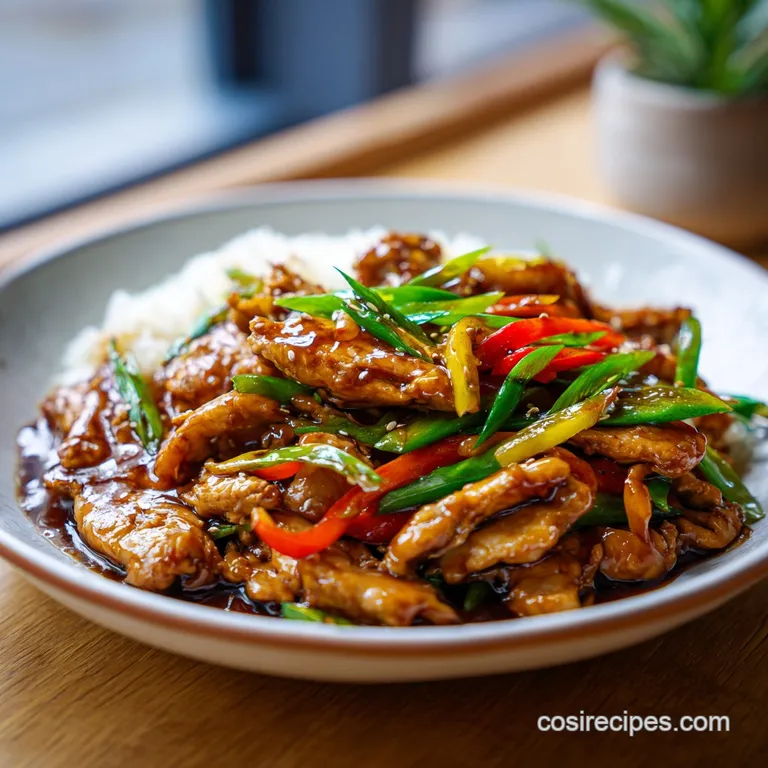
- Whisk the sauce. Combine the Greek yogurt, tomato paste, rice vinegar, garlic powder, smoked paprika, honey, and water in a small bowl. Note: Making this first allows the flavors to meld while you cook.
- Prep the chicken. Toss the 1.5 lbs chicken breast cubes with 1 tbsp of the soy sauce, the minced garlic, and grated ginger.
- Heat the skillet. Place your pan over medium high heat and add 1 tbsp of avocado oil. Wait until the oil is shimmering and just starting to wisps of smoke.
- Sear the protein. Add the chicken in a single layer. Cook for 3 minutes without moving them to get that deep golden crust.
- Finish the chicken. Toss the chicken and cook for another 4 minutes. Add the lemon juice and 1 tsp toasted sesame oil in the last 60 seconds.
- Clear the pan. Remove the chicken to a plate and cover it loosely with foil. Note: This prevents carryover cooking from drying the meat out.
- Sauté the aromatics. Add the remaining 1 tbsp oil to the same pan. Throw in the onions and mushrooms and sear for 3 minutes until the edges are dark brown.
- Add the greens. Stir in the zucchini and the remaining soy sauce. Cook for 2-3 minutes until the zucchini is tender crisp.
- The Butter Finish. Add 1 tsp butter to the vegetables at the very end. Stir until melted and glossy.
- Combine and serve. Return the chicken to the pan just to warm through for 30 seconds, then plate immediately with the sauce on the side.
Serve this alongside a fresh Hibachi Fried Rice recipe to really drive home that restaurant quality experience in your own dining room.
Solving common texture issues with a professional troubleshooting guide
Why Your Chicken Is Rubbery
If your chicken feels like a bouncy ball, you likely overcooked it or used heat that wasn't high enough. Low heat causes the juices to leak out, effectively "boiling" the chicken in its own liquid. You need that initial over high heat contact to seize the proteins and lock in the moisture.
Rescuing a Lackluster Sauce
Sometimes the yogurt sauce can taste a bit flat. This usually happens if the tomato paste is too metallic or the yogurt is exceptionally tart. A tiny pinch of extra salt or another teaspoon of honey usually fixes the balance instantly.
| Problem | Root Cause | Solution |
|---|---|---|
| Soggy Vegetables | Overcrowding the pan | Cook in two batches if your skillet is smaller than 12 inches. |
| Burnt Garlic | Added too early | Ensure garlic is part of the marinade paste so it’s protected by the chicken juices. |
| Thin/Watery Sauce | Too much water | Add an extra tablespoon of Greek yogurt to thicken the emulsion. |
Common Mistakes Checklist
- ✓ Pat the chicken completely dry before adding the marinade to ensure a proper sear.
- ✓ Preheat your cast iron skillet for at least 5 minutes on medium high.
- ✓ Don't stir the chicken immediately; let it sit for 3 minutes to develop a crust.
- ✓ Use low sodium soy sauce to prevent the final dish from becoming an "over salted" mess.
- ✓ Let the chicken rest for 3 minutes before serving so the juices redistribute.
Adapting your meal with creative twists and dietary swaps
If you want to change things up, this method works incredibly well with other proteins. You can easily swap the chicken for 1 inch cubes of sirloin steak or even large shrimp. Just remember that shrimp only need about 2 minutes per side, so adjust your timing accordingly.
For a keto friendly version, swap the honey in the sauce for a liquid monk fruit sweetener and serve the chicken over cauliflower rice instead of traditional white rice. You'll still get all that ginger soy goodness without the carb count.
Managing Portions and Scaling
- Down (1-2 servings): Use a smaller 8 inch skillet. You can still use a whole egg if making fried rice on the side, just beat it and use half.
- Up (6-8 servings): You MUST work in batches. If you put 3 lbs of chicken in one skillet, the temperature will drop, the meat will steam, and you'll lose that crispy texture.
- Baking Alternative: If you are cooking for a crowd and can't stand over the stove, you can roast the chicken and veg at 400°F (200°C) on a large sheet pan, though you'll miss out on that specific skillet char.
| If you want... | Do this... |
|---|---|
| Extra Crunch | Add 1/2 cup of toasted sliced almonds at the very end. |
| Spicy Kick | Whisk 1 tsp of Sriracha or chili garlic sauce into the pink sauce. |
| More Umami | Add 1/2 tsp of MSG or a splash of Worcestershire sauce to the marinade. |
Debunking Hibachi Myths
Searing "seals in" the juices. This is one of the oldest myths in the book. Searing actually creates flavor through the Maillard reaction, but it doesn't create a literal waterproof seal. Moisture is lost regardless of the sear; the key to juiciness is not overcooking the internal temperature.
You need a flat top grill for authenticity. While the showmanship happens on a flat top, the flavor comes from the interaction of soy, sugar, and over high heat fat. A heavy skillet actually provides better heat retention than many home grade electric griddles.
Smart storage methods and zero waste kitchen preservation secrets
Storage: You can keep the cooked chicken and vegetables in an airtight container in the fridge for up to 4 days. The sauce should be stored separately and will stay fresh for about a week.
I don't recommend freezing the cooked zucchini as it becomes quite mushy upon thawing, but the chicken freezes beautifully for up to 3 months.
Zero Waste: Don't throw away those mushroom stems or onion ends! Throw them into a freezer bag. Once the bag is full, you can simmer them with some water and ginger scraps to make a quick, savory vegetable broth that’s perfect for a starter soup.
If you have leftover sauce, it’s incredible as a spread on a turkey sandwich the next day it’s essentially a fancy, seasoned aioli.
Perfect side dish pairings for the ultimate home experience
To truly replicate the steakhouse vibe, you need the right sides. While the chicken is the star, the supporting cast matters. I always start with a simple ginger salad just iceberg lettuce with a dressing made of blended ginger, celery, and rice vinegar.
If you're looking for a more "Southern fusion" twist, a small side of Southern Chow Chow recipe actually provides a fantastic vinegary crunch that complements the savory chicken. However, for a traditional feel, stick to the basics.
Creating the Full Steakhouse Experience
If you really want to go all out, try making a batch of Charleston Red Rice recipe if you want something different than the usual hibachi rice. The tomato base of the red rice actually pairs surprisingly well with the smoky paprika in our pink sauce.
Whatever you choose, make sure you serve everything hot. Hibachi is best when the steam is still rising off the plate and that toasted sesame aroma is at its peak. It’s a fast, addictive meal that proves you don't need a professional chef to have a "restaurant night" on a random Tuesday.
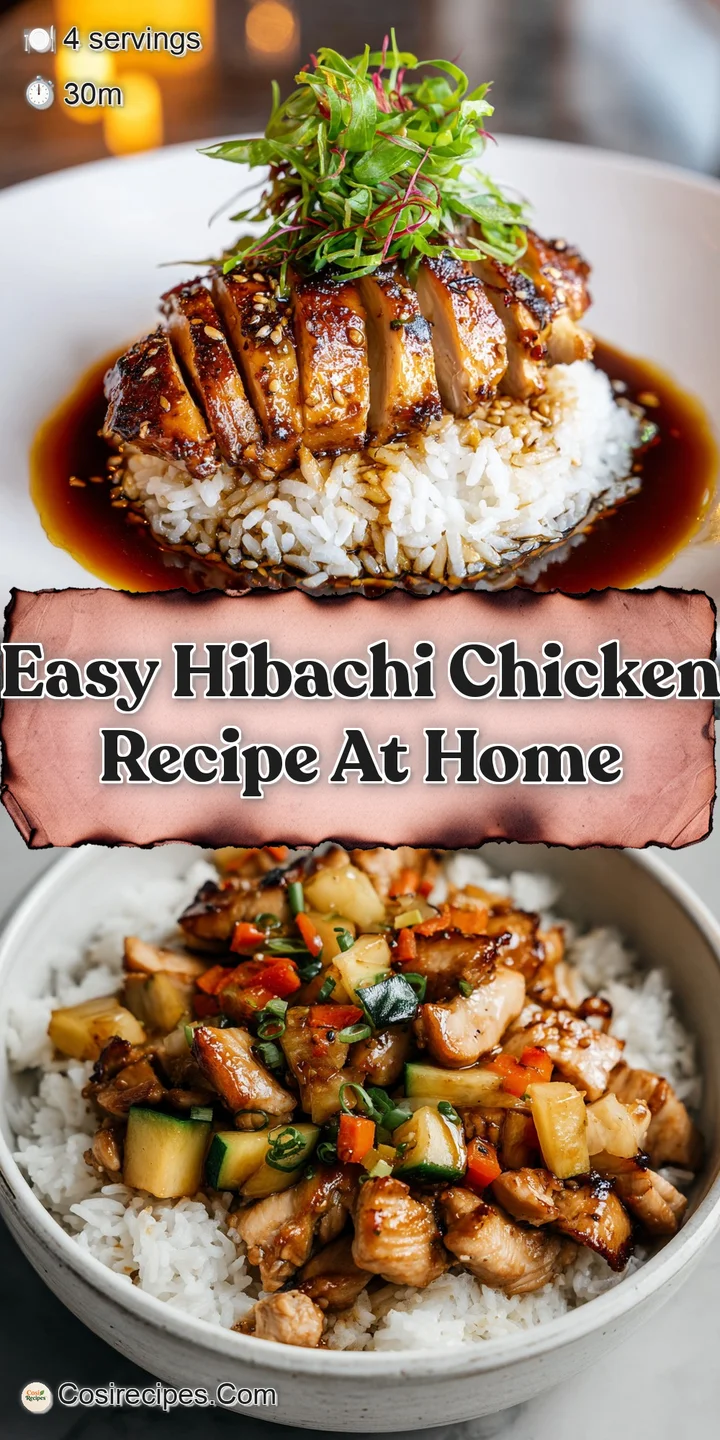
Recipe FAQs
What seasoning is on hibachi chicken?
Ginger, garlic, and soy sauce are the primary seasonings. These aromatics are mixed with the chicken before searing to build a savory base flavor that is enhanced by high heat.
What do hibachi chefs squirt on chicken?
Chefs typically use mirin (sweet rice wine), sake, or sometimes a small amount of water or broth. In this home version, we use a quick blast of fresh lemon juice at the end to brighten the cooked soy and salt flavors.
What's the secret to hibachi flavor?
The secret is flash acidification and high heat searing. Hitting the hot pan with acid (like lemon juice) just before plating cuts through the salt and fat, making the existing flavors pop immediately.
Should I marinate chicken for hibachi?
Yes, a short marinade is highly recommended for flavor infusion. Toss the chicken pieces with garlic, ginger, and soy sauce for at least 15 minutes before cooking to penetrate the meat.
How to get the charred crust on hibachi chicken?
Sear the chicken in a very hot, heavy skillet with a high smoke point oil like avocado oil. Do not overcrowd the pan and let the chicken sit untouched for three minutes to develop the Maillard reaction crust.
Do I need to use a lot of butter for authentic flavor?
No, you do not need large amounts of butter for the primary sear. Use high smoke point oil for the cook, and add just one teaspoon of butter at the very end with the vegetables for aromatic finish and glaze.
Can I make the pink sauce healthier?
Yes, substitute mayonnaise with non-fat Greek yogurt. This swap maintains the necessary creaminess and tang while significantly reducing the fat content of the traditional sauce.
Easy Hibachi Chicken Recipe
Ingredients:
Instructions:
Nutrition Facts:
| Calories | 438 kcal |
|---|---|
| Protein | 57 g |
| Fat | 15 g |
| Carbs | 14 g |
| Fiber | 2 g |
| Sugar | 8 g |
| Sodium | 440 mg |
