Fluffy Yeast Doughnuts Recipe
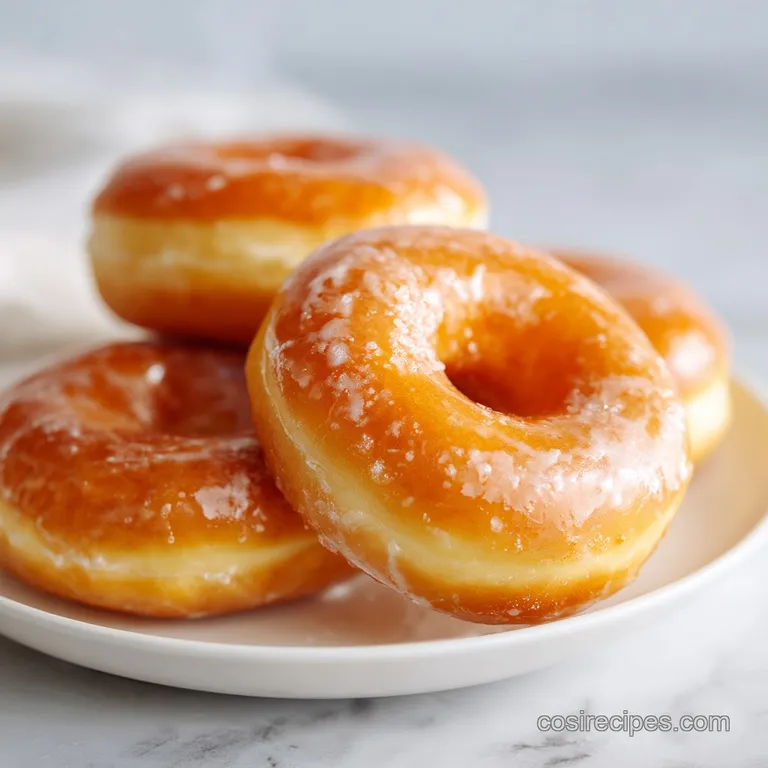
- Time: Active 2 hours 30 mins, Passive 15 minutes, Total 2 hours 45 mins
- Flavor/Texture Hook: Airy, honey sweetened crumb with a shattering vanilla glaze.
- Perfect for: Weekend brunch, special celebrations, or a slow Sunday morning project.
- Master the Fluffiest Ever Homemade Yeast Doughnuts Recipe
- Exploring the Science That Makes These Doughnuts Light and Airy
- Component Analysis for Creating the Fluffiest Doughnut Ever
- Essential Kitchen Tools for a Successful Frying Experience
- Step by Step Guide to Creating Cloud Like Dough
- Solving Common Problems and Avoiding Typical Frying Mistakes
- Simple Flavor Variations and Smart Ingredient Substitutions
- Storage Guidelines and Simple Reheating Methods for Freshness
- Thoughtful Pairings to Complete Your Morning Breakfast Experience
- Recipe FAQs
- 📝 Recipe Card
Master the Fluffiest Ever Homemade Yeast Doughnuts Recipe
There is a specific, quiet magic that happens in a kitchen at dawn when the first batch of dough hits the oil. I remember the first time I tried a yeast doughnuts recipe; it was a disaster of oily, dense rings that could have doubled as doorstops.
But then, I caught the scent of real vanilla bean paste and saw the way a properly proofed dough expands into a golden balloon. That hiss and sizzle as they float on the oil is the soundtrack to a successful morning.
We are going for that classic "light as-air" feel here. Forget those heavy, cake like versions; these are the ones that practically melt when they hit your tongue. We’ve swapped granulated sugar for honey to keep the crumb moist and used bread flour to ensure they have enough structure to hold that beautiful circular shape without deflating.
You’ll see those tiny black flecks of vanilla bean floating in the glaze, and trust me, the aroma is enough to pull anyone out of bed.
Exploring the Science That Makes These Doughnuts Light and Airy
Understanding the "why" behind the dough helps you troubleshoot before a mistake even happens. It isn't just about mixing ingredients; it's about managing biological and chemical reactions to get that signature lift.
- The Physics of the Rise: Yeast consumes the honey, releasing carbon dioxide gas that gets trapped in the gluten "balloons" created by the bread flour, leading to a light, airy crumb.
- Hygroscopic Tendencies: Honey is a humectant, meaning it attracts and holds onto water molecules, which keeps your doughnuts from drying out as they cool.
- Lipid Interference: Adding the 75g of softened butter at the end of kneading coats the gluten strands, preventing them from becoming too tough and ensuring a velvety texture.
- Maillard Reaction Speed: The natural sugars in the milk and honey react with the heat of the oil to create that iconic golden amber color within seconds.
| Method | Total Time | Resulting Texture | Best For |
|---|---|---|---|
| Traditional Deep Fry | 2 hours 45 mins | Crispy exterior, airy core | The authentic bakery experience |
| Cold Fermentation | 14 hours | Complex flavor, sturdier crumb | Planning ahead for morning prep |
| Air Fryer Alternative | 2 hours 35 mins | Bread like, less greasy | A lighter, everyday treat |
If you enjoy the precision required for this dough, you might also find the technique of working with flour and eggs in our Homemade Spaetzle Recipe quite rewarding. Both require a gentle touch to ensure the final product stays tender rather than tough.
Component Analysis for Creating the Fluffiest Doughnut Ever
Selecting the right elements is the difference between a mediocre snack and a masterwork. We aren't just looking for sweetness; we're looking for balance and structural integrity.
| Ingredient | Science Role | Pro Secret |
|---|---|---|
| 500g Bread Flour | Provides high protein (12-14%) for a strong gluten network. | Sift it twice to incorporate air for an even lighter crumb. |
| 7g Active Dry Yeast | The primary leavening agent responsible for the "fluff." | Bloom it in 40°C milk; any hotter and you'll kill the culture. |
| 40g Honey | Provides food for yeast and retains moisture. | Use a mild wildflower honey to avoid overpowering the vanilla. |
| 1 tsp Vanilla Bean Paste | Delivers concentrated flavor and visual "specks." | Add this to the wet ingredients to ensure even distribution. |
Ingredients & Substitutes
- 500g bread flour: Use All Purpose flour if needed. Why this? Bread flour provides the chew and height needed for a bakery style lift.
- 240ml whole milk: 2% milk or unsweetened almond milk. Why this? The fat in whole milk creates a tender, rich dough.
- 7g active dry yeast: Instant yeast (use same amount).
- 2 large eggs: 1/2 cup plain Greek yogurt.
- 75g unsalted butter: Salted butter (omit the fine sea salt).
- 40g honey: Maple syrup or agave nectar.
- 1 tsp vanilla bean paste: 2 tsp vanilla extract.
- 120g powdered monk fruit: Standard powdered sugar. Why this? Monk fruit provides sweetness without the sugar spike.
Essential Kitchen Tools for a Successful Frying Experience
You don't need a professional kitchen, but a few specific tools will make this yeast doughnuts recipe much easier to manage. A heavy bottomed pot, like a Dutch oven, is vital because it holds heat steadily, preventing the oil temperature from crashing when you add the dough.
Chef's Tip: Freeze your 75g of butter for 10 minutes before adding it to the mixer. Grating it into the dough allows it to incorporate more evenly without overworking the gluten.
A candy thermometer is your best friend here. If the oil is too cold, the dough will absorb it like a sponge, leaving you with a greasy mess. If it's too hot, the outside will burn before the inside finishes cooking. I also highly recommend a wire cooling rack set over a baking sheet for the glazing process.
This allows the excess glaze to drip away, creating that thin, shattering crust we all love.
step-by-step Guide to Creating Cloud Like Dough
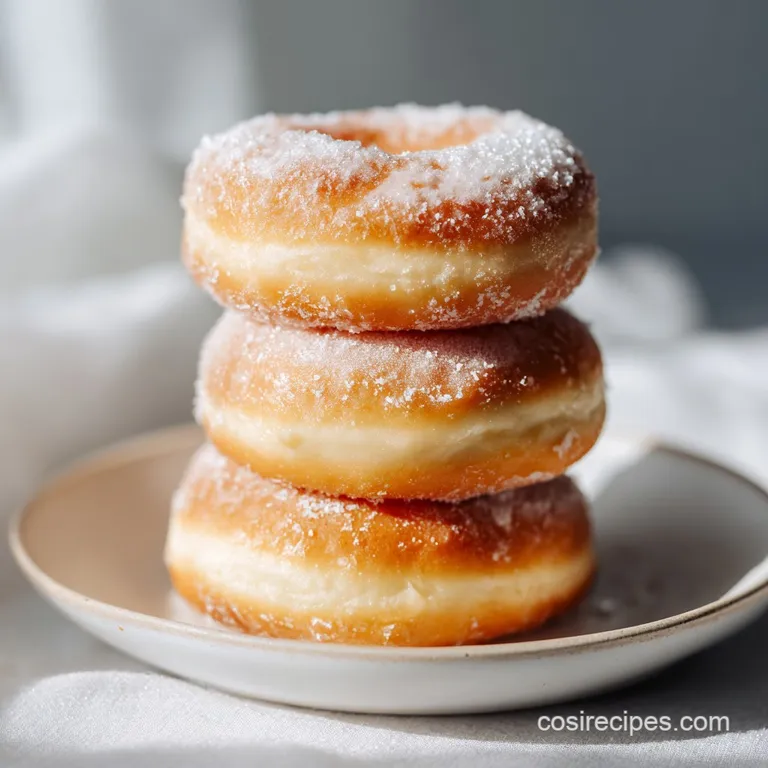
The process requires patience, but the rewards are visible in every bubble of the dough. Follow these steps closely to ensure your doughnuts have that iconic white ring around the middle.
- Warm the milk. Heat your 240ml whole milk to exactly 40°C. Note: This is the "Goldilocks" temp for yeast activation.
- Bloom the yeast. Whisk 7g active dry yeast and 40g honey into the milk and let it sit for 10 minutes until a thick foam forms on top.
- Mix the base. Combine 500g bread flour and 5g fine sea salt in a stand mixer.
- Incorporate wet ingredients. Add the yeast mixture, 2 large eggs, and 1 tsp vanilla bean paste to the flour.
- Knead the dough. Use the dough hook on medium low for 5 minutes until the dough pulls away from the sides.
- Add the butter. Toss in 75g softened butter, one tablespoon at a time, continuing to knead for another 5 minutes until the dough is silky and elastic.
- Manage the first proof. Place dough in a greased bowl, cover, and let rise for 1.5 hours until doubled in size.
- Shape the doughnuts. Roll dough to 1/2 inch thickness and cut into 13 rings. Note: Re roll scraps only once to avoid toughness.
- The final rise. Let the shaped rings rest on parchment paper for 45 minutes until they look puffy and fragile.
- Fry to golden brown. Heat 1 liter vegetable oil to 175°C and fry for 90 seconds per side until deep golden and fragrant.
- Glaze the treats. Whisk 120g powdered monk fruit, 4 tbsp milk, and a pinch of salt, then dip the warm doughnuts until coated in a velvety sheen.
Solving Common Problems and Avoiding Typical Frying Mistakes
Even experienced bakers run into trouble with yeast. The most common heartbreak is the "deflated doughnut," where a beautiful rise disappears the moment you touch it. Usually, this is a sign of over proofing.
Fixing Deflated Doughnuts
If your dough collapses when you try to move it to the oil, it likely sat out too long during the second rise. The gluten structure became too weak to hold the gas. To fix this, you can gently knead the dough back together, let it rest for 15 minutes, and re shape it.
It might be slightly less airy, but it saves the batch.
Preventing Greasy Doughnuts
A greasy doughnut is almost always the result of oil temperature. If your thermometer isn't accurate, or if you crowd the pot with too many doughnuts at once, the oil temp drops. This causes the dough to soak up fat rather than searing the exterior.
| Problem | Root Cause | Solution |
|---|---|---|
| Tough, bready texture | Over kneading or too much flour | Knead only until "tackiness" disappears; use a scale. |
| Raw center | Oil temperature too high | Maintain exactly 175°C; fry in small batches. |
| No "white ring" | Under proofing | Let the second rise continue until dough feels like a marshmallow. |
Common Mistakes Checklist
- ✓ Always check your yeast expiration date; old yeast equals zero lift.
- ✓ Use a thermometer for the milk; anything above 45°C will kill the yeast.
- ✓ Don't skip the "rest" after rolling the dough, or the doughnuts will shrink.
- ✓ Pat the doughnuts dry of any excess flour before frying to keep the oil clean.
- ✓ Let the doughnuts drain on a wire rack, not a flat paper towel, to keep the bottom crispy.
Simple Flavor Variations and Smart Ingredient Substitutions
Once you've mastered the base yeast doughnuts recipe, the variations are endless. You can treat the dough as a blank canvas for different glazes and fillings. For another elegant treat that focuses on creamy textures, you might enjoy exploring a Classic Creme Brulee recipe.
Flavor Accents to Try
- 1. The Dark Speckle
- Use vanilla bean paste in the dough for those beautiful black flecks.
- 2. The Golden Amber
- Ensure the oil stays at 175°C for that deep, rich crust color.
- 3. The Translucent White
- A thin glaze of monk fruit and milk added while the doughnut is warm creates a semi clear, elegant coating.
If you want X, do Y:
- If you want Old Fashioned style, add 1/4 tsp of ground nutmeg to the flour mix.
- If you want filled doughnuts, don't cut the center hole; use a piping bag to inject jam after frying.
- If you want extra crunch, double dip the doughnuts in the glaze after the first layer sets.
Storage Guidelines and Simple Reheating Methods for Freshness
Doughnuts are notoriously short lived, but you can extend their life with a few tricks. The high moisture content from the honey helps, but air is the enemy of the fluff.
Storage: Keep leftovers in an airtight container at room temperature for up to 2 days. Do not refrigerate, as the cold air will cause the starch to recrystallize and become stale faster.
Freezing: You can freeze unglazed doughnuts for up to 2 months. Wrap them individually in plastic wrap and place them in a freezer bag. To serve, let them thaw at room temperature and then apply a fresh glaze.
Reheating: The best way to revive a day old doughnut is a 5-8 second zap in the microwave. This softens the fats and makes the crumb bouncy again. Alternatively, place them in a 150°C oven for 3 minutes to crisp the edges.
Zero Waste Tip: If your doughnuts have gone truly stale, don't toss them! Cut them into chunks, soak them in a custard of eggs and milk, and bake them into a "Doughnut Bread Pudding." The glaze melts into the custard for an incredible dessert.
Thoughtful Pairings to Complete Your Morning Breakfast Experience
The sweetness of a glazed yeast doughnut calls for something to cut through the richness. A dark roast coffee is the classic choice, but there are other ways to round out the meal.
For a full weekend spread, I love serving these alongside a savory protein. If you’re looking for a hearty contrast, consider the smoky depth of a Cowboy Beans Recipe. The saltiness of the beans perfectly balances the honey sweetened dough.
If you are leaning into a lighter brunch, a platter of tart citrus like grapefruit segments or blood oranges cleanses the palate between bites of the velvety dough. And honestly, you can never go wrong with a cold glass of whole milk. It’s a childhood classic for a reason.
Just make sure the milk is as cold as the doughnuts are warm for that temperature contrast that makes breakfast feel like a celebration.
Recipe FAQs
How to make doughnuts with yeast?
Bloom the yeast first in warm milk (40°C) with honey. Combine the activated yeast mixture with flour, eggs, and salt; knead until smooth, add butter last, let it rise until doubled, shape the rings, proof a final time until puffy, and then deep fry at 175°C until golden.
Are Krispy Kreme donuts cake or yeast donuts?
They are yeast donuts. This means they use biological leavening (yeast) instead of chemical leaveners (like baking soda) to achieve their light, airy, melt-in-your mouth texture.
What yeast is best for doughnuts?
Active dry yeast or instant yeast are both suitable. Use active dry yeast by proofing it first in warm milk (around 40°C) to ensure it is active; instant yeast can often be mixed directly into the dry ingredients.
What makes yeast donuts different?
Yeast donuts are leavened by yeast fermentation, creating trapped carbon dioxide bubbles. This process results in an open, airy, and distinctly chewy crumb structure, unlike the dense crumb of a cake donut.
Why are my homemade yeast doughnuts turning out greasy?
The oil temperature dropped too low when you added the dough. You must maintain a steady frying temperature of 175°C; if the oil cools, the dough absorbs it before it can seal the exterior.
Can I substitute honey in the recipe?
Yes, maple syrup or agave nectar are good substitutes for honey. Honey acts as a humectant, helping retain moisture, but these alternatives will provide similar sweetness and aid in the yeast's initial feeding.
How long should the final proofing take?
Allow 45 minutes for the final proof on the counter. The shaped rings should look visibly puffy and feel fragile to the touch, indicating they have enough gas trapped to float beautifully when fried.
Fluffy Yeast Doughnuts Recipe
Ingredients:
Instructions:
Nutrition Facts:
| Calories | 286 calories |
|---|---|
| Protein | 5.8g |
| Fat | 14.3g |
| Carbs | 33.2g |
| Fiber | 1.1g |
| Sugar | 4.2g |
| Sodium | 148mg |
