Healthy Sauteed Vegetables: Crispy and Caramelized
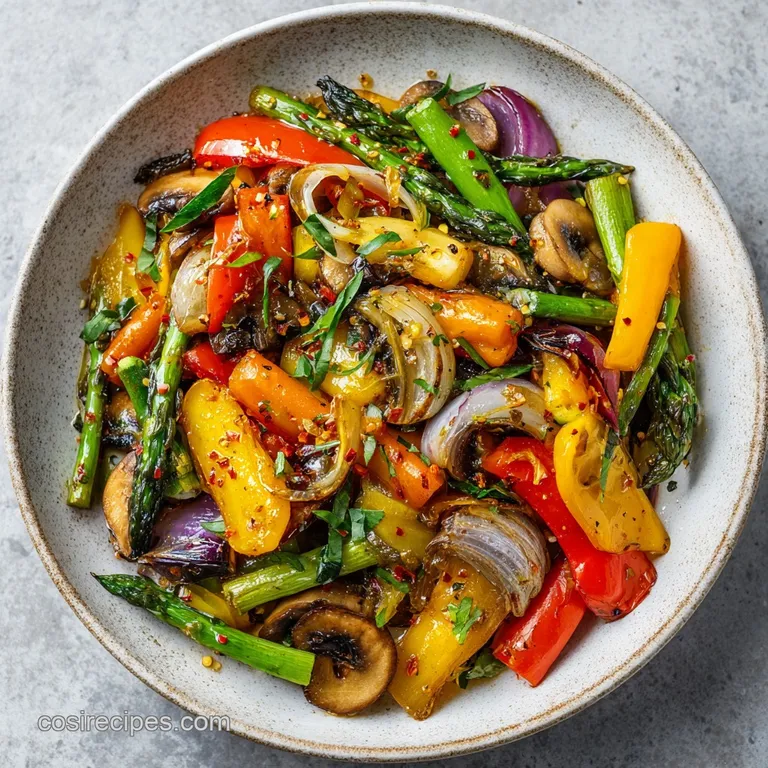
- Time: Active 10 minutes, Passive 0 minutes, Total 20 minutes
- Flavor/Texture Hook: Crispy, caramelized exterior with a snappy, fresh interior
- Perfect for: Quick weeknight side dishes or healthy meal prep
- Fast Results vs Classic Sautéing Methods
- Simple Components for Fresh Flavor Profiles
- Best Tools for Crispy Results
- Simple Components and Their Substitutes
- Creating a Bright Healthy Sauteed Vegetables Recipe
- Fixing Sogginess and Burnt Garlic
- Adapting Your Pan for Seasonal Varieties
- Keeping Leftover Veggies Fresh and Crisp
- Simple Ways to Plate Vibrant Vegetables
- Recipe FAQs
- 📝 Recipe Card
Fast Results vs Classic Sautéing Methods
Most traditional recipes suggest cooking vegetables over medium heat for a long time until they are "tender." In my experience, "tender" is often just a polite word for mushy. By using the method in this healthy sauteed vegetables recipe, we are prioritizing the texture.
We want that "shatter" when you bite into a carrot round, followed by the soft, sweet interior. It is about working quickly and efficiently.
- Surface Evaporation: High heat causes surface moisture to vanish instantly, which allows the natural sugars to brown rather than boil.
- Heat Recovery: Using a heavy bottomed 12 inch skillet ensures the pan temperature doesn't plummet the second you add the broccoli.
- Sequential Layering: Adding carrots first gives them the head start they need, as they are denser than a sliced zucchini.
- Residual Cooking: We pull the pan off the heat just before the veggies look "done" so the carryover heat finishes them to a vibrant snap.
| Method | Cook Time | Texture | Best For |
|---|---|---|---|
| over High heat Sauté | 10 minutes | Crispy & Vibrant | Quick, healthy side dishes |
| Classic Sauté | 18 minutes | Soft & Tender | Casseroles or stews |
| Steaming | 8 minutes | Soft & Moist | low-fat diets (lacks flavor) |
The difference in flavor between these methods is massive. In the over high heat version, the natural sugars in the red bell peppers and carrots caramelize, creating a depth that you just can't get from boiling or slow cooking. If you’ve ever enjoyed a Hibachi Vegetables recipe, you know exactly what kind of char we are aiming for here. It’s that hint of smoke and sweetness that makes the vegetables the star of the plate.
Simple Components for Fresh Flavor Profiles
When you are keeping things simple, the quality of your components matters more than ever. Since we aren't hiding behind heavy sauces or creams, each ingredient needs to bring its A game. I always reach for avocado oil for this because it has a high smoke point.
If you use extra virgin olive oil at these temperatures, it can sometimes turn bitter or start smoking before your carrots even hit the pan.
| Ingredient | Science Role | Pro Secret |
|---|---|---|
| Avocado Oil | Heat Transfer | Its high smoke point allows for searing without the oil breaking down and tasting burnt. |
| Fresh Garlic | Aromatic Base | Slicing rather than mincing prevents the garlic from burning and turning acrid in the high heat. |
| Lemon Juice | Acid Balance | The acid "cuts" through the richness of the oil and brightens the natural earthy notes of the broccoli. |
I've found that using 1.5 tbsp of avocado oil is the "Goldilocks" amount for this recipe. It’s just enough to coat the vegetables and facilitate that beautiful browning, but not so much that they feel greasy. And trust me on the garlic don't even bother with the jarred stuff.
You need the pungent, sharp bite of fresh cloves to really make this dish pop.
Best Tools for Crispy Results
You don't need a kitchen full of professional gear, but a few specific items will make your life much easier. The most important is a 12 inch skillet. If you try to do this in a 10 inch pan, the vegetables will be too crowded, and you'll end up steaming them.
A heavy bottomed stainless steel or cast iron pan is ideal because they hold heat exceptionally well.
- 12 inch Skillet: Essential for giving the 2 cups of broccoli and other veggies room to breathe.
- Sharp Chef’s Knife: You need consistent 1/8 inch slices for the carrots to ensure they cook evenly.
- Metal Spatula: Perfect for scraping up those little browned bits (the "fond") that develop on the bottom of the pan.
If you don't have a large skillet, it is better to cook in two smaller batches. Honestly, don't try to cram everything in at once. It’s tempting when you’re in a rush, but you’ll lose that crispy texture we’re after. It's the same principle I use when making Air Fryer Roasted Cauliflower — space is the secret ingredient for any "roasted" or "sautéed" finish.
Simple Components and Their Substitutes
Before we get to the stove, let's make sure your mise en place is ready. Cooking at high heat moves fast, so you don't want to be chopping a red bell pepper while your garlic is already sizzling. Have everything prepped and measured out according to the list below.
- 2 medium carrots: Sliced into 1/8 inch rounds. Why this? The thinness ensures they soften in the short 10 minute window.
- 2 cups broccoli florets: Cut into bite sized pieces. Why this? Smaller florets maximize the surface area for browning.
- 1 large red bell pepper: Deseeded and sliced into strips. Why this? Adds a necessary sweetness and a pop of color.
- 1 medium yellow squash: Halved and sliced into half moons. Why this? It cooks quickly and provides a silky contrast to the crunchy carrots.
- 1.5 tbsp avocado oil: Why this? Handles high heat better than butter or most olive oils.
- 3 cloves fresh garlic: Thinly sliced. Why this? Slices are more resilient to heat than minced garlic.
- 1 tbsp fresh lemon juice: Why this? Adds a vibrant finishing note that elevates the whole dish.
- Seasonings: Sea salt, cracked black pepper, and optional red pepper flakes.
| Original Ingredient | Substitute | Why It Works |
|---|---|---|
| Avocado Oil | Ghee (Clarified Butter) | High smoke point and adds a rich, nutty flavor to the veggies. |
| Yellow Squash | Zucchini | Very similar water content and texture; interchangeable in this recipe. |
| Lemon Juice | Apple Cider Vinegar | Provides the necessary acidity, though it adds a slightly fruitier tang. |
Chef's Tip: If your broccoli feels a bit limp or old, soak the florets in ice water for 5 minutes before drying them thoroughly. This "shocks" the cells back to life, resulting in a much crispier finish once they hit the hot oil.
Creating a Bright Healthy Sauteed Vegetables Recipe
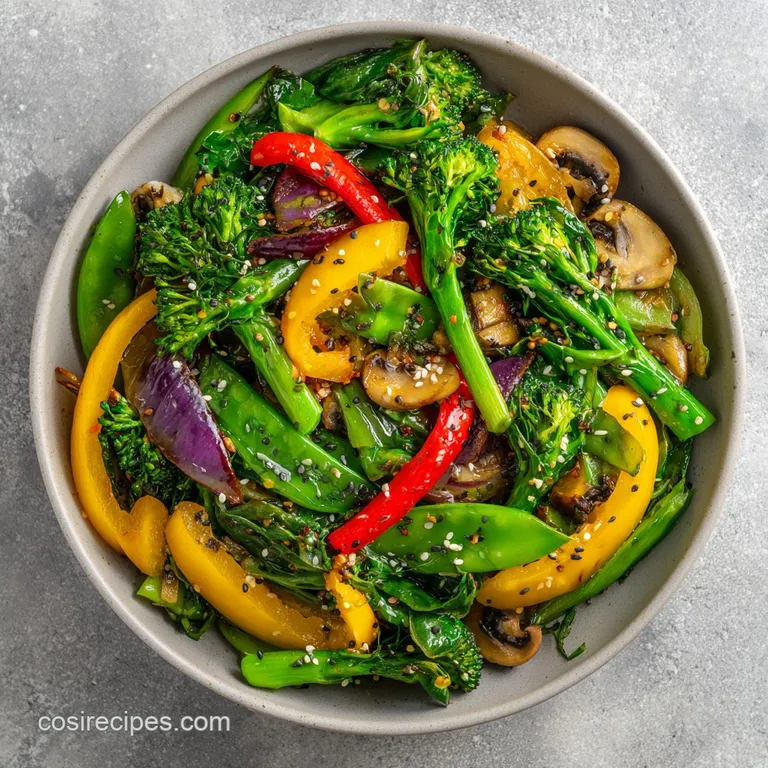
Now we get to the fun part. Put on your favorite playlist because this is going to go fast. We are looking for that specific sizzle the moment the vegetables touch the pan. If you don't hear it, the pan isn't hot enough.
- Dry everything. Pat the carrots, broccoli, and zucchini completely dry with a paper towel. Note: Any surface water will turn into steam and prevent browning.
- Heat the pan. Place your 12 inch skillet over medium high heat. Add the 1.5 tbsp of avocado oil and wait until it shimmers.
- Start the hard veggies. Add the carrots and broccoli florets first. Cook 3-4 minutes, stirring occasionally, until the broccoli turns a vibrant, neon green.
- Add the tender veggies. Toss in the red bell pepper and yellow squash. Sauté 4-5 minutes without stirring too constantly. We want the vegetables to sit still for 30 second intervals to develop a caramelized crust.
- Add the aromatics. Push the veggies to the edges and drop the 3 sliced garlic cloves and red pepper flakes into the center. Cook 1 minute until you smell that incredible garlic aroma.
- Season well. Sprinkle with a pinch of sea salt and cracked black pepper.
- Deglaze with lemon. Pour in the 1 tbsp of lemon juice. It will hiss and steam, picking up all the flavor from the bottom of the pan.
- Toss and serve. Give everything one final toss to coat in the lemon garlic oil.
- Check for doneness. The broccoli should be tender but still have a firm "snap" when bitten.
- Plate immediately. Transfer to a serving dish so the heat of the pan doesn't keep cooking them into mush.
Fixing Sogginess and Burnt Garlic
The biggest hurdle in a healthy sauteed vegetables recipe is usually managing the heat and the timing. If your garlic turns dark brown or black, it will taste bitter and ruin the whole batch. That is why we add it at the very end.
The residual heat of the vegetables and the oil is more than enough to cook it through without the risk of burning.
Why Your Vegetables Are Soggy
If your vegetables look more like they were boiled than sautéed, the culprit is usually one of two things: overcrowding or low heat. When you put too many cold vegetables into a pan at once, the temperature drops.
The vegetables then release their internal moisture, and because the pan isn't hot enough to evaporate it instantly, they sit in a pool of water.
| Problem | Root Cause | Solution |
|---|---|---|
| Vegetables are Mushy | Too much stirring or low heat. | Let them sit undisturbed for 1 minute to sear; increase heat. |
| Garlic is Bitter | Added too early and burned. | Only add garlic for the final 60 seconds of cooking. |
| Broccoli is Raw | Florets were cut too large. | Cut into bite sized pieces or add 1 tsp of water to create a quick steam. |
Common Mistakes Checklist
- ✓ Never salt the vegetables at the very beginning; salt draws out moisture, which leads to steaming.
- ✓ Ensure the oil is "shimmering" before the first vegetable touches the pan.
- ✓ Avoid using frozen vegetables for this specific method; they hold too much water for a true sauté.
- ✓ Don't use a lid! Covering the pan traps steam and kills the crispy texture.
- ✓ Cut your vegetables into uniform sizes so they cook at the same rate.
Adapting Your Pan for Seasonal Varieties
One of the things I love about this healthy sauteed vegetables recipe is how adaptable it is. Once you master the technique of over high heat sautéing, you can swap in almost anything you find at the farmer's market.
The key is to remember the order: hard veggies (root crops) go in first, medium veggies (peppers/broccoli) go in second, and soft veggies (leafy greens/squash) go in last.
- Spring Variation: Use asparagus spears (cut into 2 inch pieces) and snap peas. These cook very quickly, so they only need about 5-6 minutes total.
- Autumn Variation: Try thinly sliced Brussels sprouts and cubes of butternut squash. You’ll need to add an extra 2 minutes to the initial carrot/squash stage.
- Spicy Kick: Instead of red pepper flakes, sauté a deseeded and minced jalapeño with the garlic for a fresh, sharp heat.
If you are cooking for a crowd, remember the scaling rules. When doubling this recipe (to 8 servings), do not try to put 4 cups of broccoli into one pan. Work in two separate batches. For spices, you only need about 1.5x the amount when doubling, as flavors can become overwhelming if you just do a straight 2x.
Keeping Leftover Veggies Fresh and Crisp
Sautéed vegetables are best eaten fresh out of the pan, but life happens, and sometimes you have leftovers. The trick to keeping them from becoming a soggy mess the next day is all in how you store and reheat them.
Never put hot vegetables directly into a sealed container; the steam will trap inside and turn them into mush before they even hit the fridge.
- Storage: Let the vegetables cool completely on a flat plate before moving them to an airtight container. They will stay fresh in the fridge for up to 3 days.
- Freezing: I don't recommend freezing these after they've been sautéed. The cell structure of the zucchini and peppers breaks down when frozen, making them very watery when thawed.
- Reheating: Skip the microwave if you can. It turns the broccoli into a rubbery texture. Instead, toss them back into a hot, dry skillet for 2 minutes. The high heat will "re crisp" the edges.
Zero Waste Tip: If you have leftover sautéed veggies that have lost their crunch, don't throw them away! Chop them up finely and toss them into a morning frittata or an omelet.
They also make a fantastic base for a quick blended soup just add some vegetable broth and a splash of coconut milk.
Simple Ways to Plate Vibrant Vegetables
We eat with our eyes first, and a pile of mixed vegetables can sometimes look a bit messy. To make this look like a professional dish, I like to focus on the color contrast. The bright orange of the carrots against the deep green of the broccoli is already beautiful, but a few final touches can make it spectacular.
- The Zest Factor: Instead of just using the lemon juice, grate a little bit of the lemon zest over the top right before serving. It adds a "velvety" aroma that is much more potent than the juice alone.
- Texture Toppings: A sprinkle of toasted sesame seeds or slivered almonds adds an extra layer of crunch that complements the snap of the vegetables.
- The Plate: Use a wide, shallow bowl rather than a deep one. This prevents the vegetables from piling on top of each other, which helps maintain their individual textures until they reach the table.
Honestly, the most important "presentation" tip is just to serve them immediately. That sizzle you hear in the pan is the sound of flavor being created, and you want your guests (or just yourself!) to experience that while the veggies are still at their peak.
It is a simple, healthy side dish that feels much more sophisticated than the sum of its parts. Happy cooking!
Recipe FAQs
Are sauteed vegetables healthy for weight loss?
Yes, they are an excellent option. This method uses only 1.5 tablespoons of avocado oil for four servings, keeping the calorie count low at 92 kcal per serving while providing essential fiber and nutrients to keep you satiated.
What two vegetables will burn belly fat?
No specific vegetable burns fat on its own. However, incorporating nutrient dense vegetables like broccoli and red bell peppers into your meals helps manage caloric intake while supporting metabolic health through high fiber and antioxidant content.
What is the secret to perfectly sautéed veggies?
Maintain high heat and sequential layering. By using a heavy bottomed 12 inch skillet and adding denser vegetables like carrots before softer ones like zucchini, you ensure everything reaches a crisp, caramelized finish without turning mushy. If you enjoyed mastering the Maillard reaction here, see how we achieve a similar sear on our Honey Garlic Shrimp.
What is the no. 1 healthiest vegetable?
There is no single "healthiest" vegetable. Nutritionists recommend a diverse intake of colors, which is why this recipe combines broccoli, carrots, red bell peppers, and zucchini to provide a broad spectrum of vitamins and minerals.
How to keep vegetables from getting mushy?
Dry the vegetables completely before cooking. Any excess water on the surface causes the vegetables to steam rather than sear, so ensure they are bone dry and never overcrowd your 12 inch skillet.
How to prep these vegetables in advance?
Slice all vegetables up to 24 hours before cooking. Store the cut pieces in an airtight container in the refrigerator to save time, ensuring you keep them completely dry to prevent premature wilting.
How to tell when the vegetables are finished?
Watch for the vibrant color change and a crisp tender texture. Remove the skillet from the heat when the vegetables brighten and begin to show a light caramelized crust, as the residual heat will finish the cooking process perfectly.
Healthy Sauteed Vegetables
Ingredients:
Instructions:
Nutrition Facts:
| Calories | 92 kcal |
|---|---|
| Protein | 2.4 g |
| Fat | 5.7 g |
| Carbs | 10.1 g |
| Fiber | 3.1 g |
| Sugar | 4.2 g |
| Sodium | 78 mg |
