Homemade Hibachi Noodles Recipe
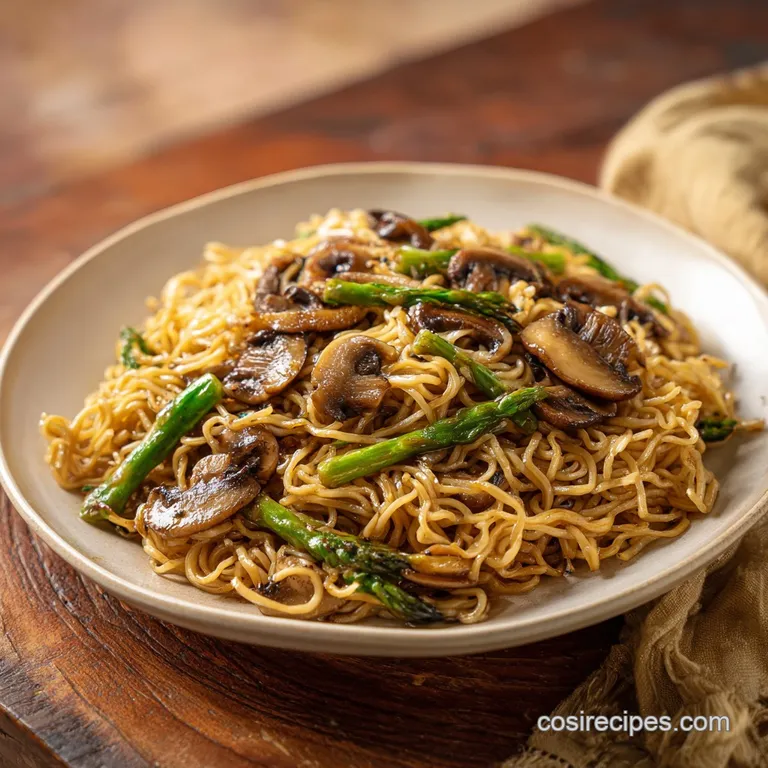
- Time: Active 10 mins, Passive 5 mins, Total 15 mins
- Flavor/Texture Hook: Silky, garlic heavy, and deeply umami
- Perfect for: Recreating the steakhouse experience at home
- Decoding the addictive chemistry in this hibachi noodles recipe
- Understanding the mechanics of high heat searing
- Essential component analysis for maximum flavor
- Selecting high quality elements for restaurant results
- Selecting the right tools for maximum sear
- Step by step flow for silky noodles
- Fixing common texture and seasoning issues
- Simple variations for protein and vegetables
- Debunking heat and butter misconceptions
- Smart storage and reheating for leftovers
- Final touches for a professional look
- High in Sodium
- Recipe FAQs
- 📝 Recipe Card
Decoding the addictive chemistry in this hibachi noodles recipe
You know that specific sound? The rhythmic clack clack clack of metal spatulas hitting a smoking hot griddle while a volcano of onions erupts in the background? That is the sound of my happy place.
For years, I tried to figure out why my home versions tasted like basic lo mein while the steakhouse version had that "I can't stop eating this" quality. It turns out, I was overthinking the sauce and underestimating the power of cold butter.
The first time I nailed it, the kitchen smelled exactly like a Benihana. I realized that the secret isn't some rare Japanese spice, it is the way the sugar and soy sauce caramelize against the noodles at high temperatures.
If you have ever ended up with a pile of mushy, pale noodles, it is likely because the pan wasn't hot enough or you used too much liquid too early. We are going to fix that today.
We are aiming for that specific, slightly chewy texture with dark, seared edges. It is a dish that feels like a guilty pleasure but is actually incredibly simple once you stop treating it like a stir fry and start treating it like a sear.
Trust me, once you see how the garlic butter transforms basic noodles into something this flavorful, you will never settle for the takeout version again.
Understanding the mechanics of high heat searing
- Maillard Reaction: High heat creates a complex chemical reaction between amino acids and reducing sugars, resulting in that distinct browned, savory crust on the noodles.
- Starch Retrogradation: Cooling the noodles after boiling slightly firms up the starch molecules, which prevents them from falling apart or becoming gummy during the over high heat sauté.
- Fat Emulsification: Adding cold, cubed butter at the very end allows the fat to slowly melt into the soy based sauce, creating a velvety, cohesive glaze rather than an oily puddle.
| Method | Time | Texture | Best For |
|---|---|---|---|
| Blackstone Griddle | 4 mins | Maximum char, smoky | Large crowds and authentic flavor |
| Carbon Steel Wok | 5 mins | Even sear, great snap | Achieving "wok hei" on a gas stove |
| Cast Iron Skillet | 7 mins | Heavy browning, tender | Reliable heat retention on electric tops |
Selecting the right cooking vessel is the first step toward success. While a flat top griddle is the gold standard for this hibachi noodles recipe, a heavy cast iron skillet works wonders because it holds onto heat even when you dump in a pound of cold noodles.
This prevents the temperature from dropping, which is the main cause of steaming instead of searing.
Essential component analysis for maximum flavor
| Ingredient | Science Role | Pro Secret |
|---|---|---|
| Lo Mein Noodles | Structural base | Rinse in cold water after boiling to stop the cooking and remove excess surface starch. |
| Unsalted Butter | Emulsifier | Use cold, cubed butter to create a creamy sauce that coats instead of soaking. |
| Toasted Sesame Oil | Flavor carrier | Add this at the very beginning to help the noodles separate and prevent sticking. |
| Low Sodium Soy Sauce | Umami source | Provides the salt and color without making the dish overwhelmingly salty as it reduces. |
A common mistake I once made was using standard salted butter. Because the soy sauce and teriyaki are already heavy hitters in the salt department, unsalted butter is non negotiable here. It gives you total control over the seasoning. If you are looking to round out the meal, this dish pairs perfectly with a protein heavy Hibachi Chicken Recipe or even some grilled shrimp.
Selecting high-quality elements for restaurant results
- 1 lb Lo Mein noodles or thick Yakisoba noodles: These provide the hearty, chewy bite necessary for this hibachi noodles recipe. Why this? They hold their shape under high heat better than thin spaghetti.
- Substitute: Thick spaghetti (boil with 1 tsp baking soda to mimic alkaline noodle texture).
- 2 tbsp toasted sesame oil: Adds a nutty, aromatic base and prevents noodle clumping. Why this? High smoke point and intense aroma define the hibachi profile.
- Substitute: Peanut oil with a drop of toasted sesame seeds.
- 3 tbsp unsalted butter, cold and cubed: The secret to the glossy, rich mouthfeel. Why this? Emulsifies better when added cold to a hot pan.
- Substitute: Vegan butter sticks (high fat content brands like Miyoko's).
- 3 cloves garlic, minced: Essential for that pungent, savory backbone. Why this? Fresh garlic provides a sharper flavor than jarred or powdered versions.
- Substitute: 1 tsp garlic paste.
- 1/4 cup low sodium soy sauce: The primary seasoning and coloring agent. Why this? Allows for sauce reduction without excessive saltiness.
- Substitute: Tamari (for gluten-free needs).
- 2 tbsp teriyaki sauce: Adds sweetness and a slight thickness to the glaze. Why this? Provides a more complex sugar profile than plain sugar alone.
- Substitute: Hoisin sauce (will be thicker and slightly more fermented).
- 1 tbsp granulated sugar: Encourages the caramelization of the noodle edges. Why this? Balances the salt and acidity of the soy sauce.
- Substitute: Brown sugar for a deeper, molasses like undertone.
- 1/2 tsp freshly cracked black pepper: Adds a subtle, woody heat. Why this? Cuts through the richness of the butter and sesame oil.
- Substitute: White pepper for a more floral, sharp bite.
- 2 tbsp toasted sesame seeds: For visual appeal and a crunch. Why this? Enhances the nutty notes of the oil.
- Substitute: Black sesame seeds for high contrast.
- 3 stalks green onions, slivered: Provides a fresh, sharp finish to cut the fat. Why this? The raw crunch balances the soft noodles.
- Substitute: Chives or very finely diced shallots.
Selecting the right tools for maximum sear
You don't need a fancy built in hibachi grill to make this work, but you do need gear that can take the heat. I typically reach for my 12 inch cast iron skillet. It mimics the heat retention of a commercial flat top better than any non stick pan ever could.
If you use a thin non stick pan, the temperature will plummet the moment the noodles hit the surface, and you will end up with "boiled" tasting noodles rather than seared ones.
A long, thin spatula is also a huge help here. You want to be able to get under the noodles and toss them vigorously. If you have a Blackstone or similar outdoor griddle, that is obviously the "authentic" way to go, but for a quick Tuesday night dinner, the stovetop is more than fine.
Just make sure you turn on your vent hood; we want that pan screaming hot.
step-by-step flow for silky noodles
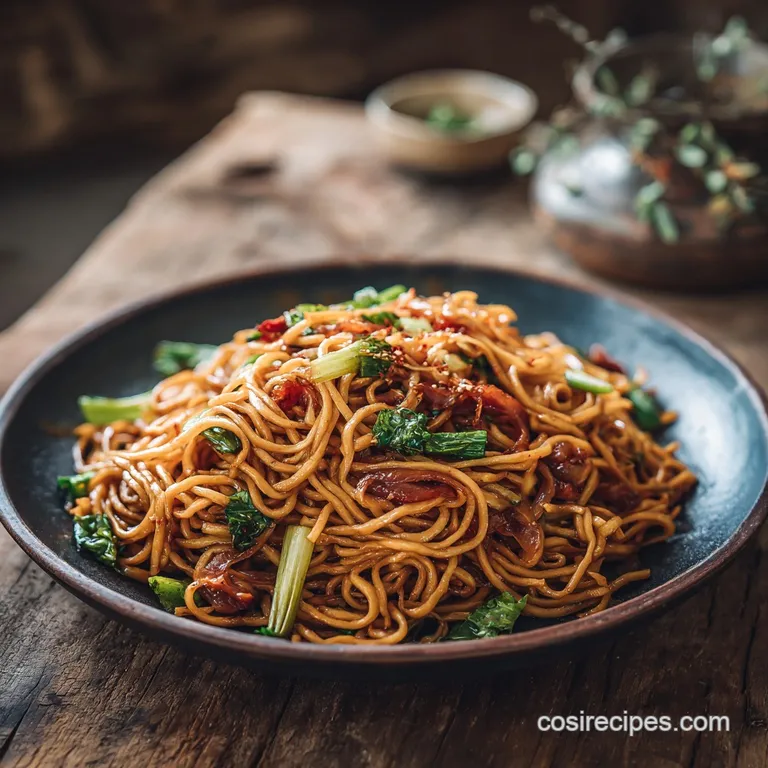
- Boil the noodles. Cook 1 lb Lo Mein noodles according to package directions, but pull them out 1 minute early. Note: This prevents them from becoming mushy during the secondary frying stage.
- Drain and rinse. Run the noodles under cold water immediately. Note: This stops the cooking process and removes excess surface starch to prevent sticking.
- Toss with oil. Drizzle 1 tbsp toasted sesame oil over the cold noodles and toss with your hands. Note: This creates a protective barrier so the noodles stay individual rather than forming a giant clump.
- Heat the pan. Set your skillet or griddle to medium high heat until it starts to wisps of smoke appear. Cook until the air above the pan feels intensely hot.
- Sear the noodles. Add the remaining 1 tbsp sesame oil and the noodles to the pan. Cook 2-3 mins without moving them much until they start to develop golden, crispy edges.
- Add the aromatics. Push the noodles to the side and drop in 3 cloves minced garlic. Cook 30 seconds until fragrant but not browned.
- Deglaze with sauce. Pour in 1/4 cup soy sauce, 2 tbsp teriyaki sauce, 1 tbsp sugar, and 1/2 tsp black pepper. Toss 1 min until the liquid bubbles and starts to coat the noodles.
- The butter finish. Add 3 tbsp cold, cubed butter to the center of the pan. Stir vigorously until the butter melts and creates a glossy, thick glaze.
- Garnish and serve. Remove from heat immediately and top with 2 tbsp toasted sesame seeds and 3 stalks slivered green onions. Serve while steaming and glossy.
Fixing common texture and seasoning issues
One of the biggest heartbreaks is spending time on a dish only to have it come out too salty or too soft. The key with this hibachi noodles recipe is speed. If you find your noodles are sticking to the pan, don't panic.
Usually, this means the pan wasn't quite hot enough when you added the oil, or the noodles still had too much moisture on them.
Overcoming noodle texture failures
If your noodles turned into a "brick" or a gummy mess, it is likely because they were overcooked in the boiling water. Next time, aim for a very firm al dente. If they are already gummy, you can try to save them by spreading them out on a baking sheet and letting them air dry in the fridge for 20 minutes before frying.
This helps the exterior starch firm up so they can still get a bit of a sear.
Rescuing seasoning imbalances
Sometimes the soy sauce reduces faster than expected, making the dish a salt bomb. If this happens, don't add water! Water will ruin the emulsion and make the sauce thin. Instead, add another tablespoon of unsalted butter or a splash of unsweetened rice vinegar.
The fat or the acid will help neutralize the perception of salt without diluting the texture of the sauce.
| Problem | Root Cause | Solution |
|---|---|---|
| Mushy Noodles | Overboiled or crowded pan | Boil 1 min less; cook in two batches if the pan is small. |
| Too Salty | Sauce reduced too far | Add a splash of rice vinegar or extra cold butter to balance. |
| Burnt Garlic | Added too early in the sear | Always add garlic after the noodles have started to brown. |
Common Mistakes Checklist
- ✓ Never skip the cold water rinse; it's the only way to get that "bouncy" texture.
- ✓ Avoid using "regular" soy sauce if you can; low sodium is much more forgiving during reduction.
- ✓ Don't move the noodles immediately; let them sit for 60 seconds to develop those crispy bits.
- ✓ Ensure the butter is actually cold; room temp butter melts too fast and can break the sauce.
- ✓ Use a heavy pan; thin aluminum pans can't maintain the heat needed for a true hibachi sear.
Simple variations for protein and vegetables
If you want to turn this from a side dish into a full meal, it is incredibly easy to adapt. For a "Hibachi Noodles Recipe Chicken" version, I recommend thinly slicing 1 lb of chicken breast and searing it in the pan before you add the noodles.
Remove the chicken once it hits 165°F (74°C), then proceed with the noodle steps, tossing the chicken back in at the very end with the butter. This ensures the chicken stays juicy while the noodles get their dedicated sear time.
For a vegetarian hibachi noodles recipe, you can swap the chicken for extra firm tofu or a mountain of sliced mushrooms. Shiitake or baby bella mushrooms are particularly good here because they provide a similar "meaty" umami that pairs perfectly with the garlic butter. If you are feeling extra fancy, serving this alongside some Hibachi Fried Rice recipe is the ultimate way to recreate the full steakhouse feast at home.
| Group Size | Ingredient Adjustment | Pan Size | Cook Time |
|---|---|---|---|
| 2 People | Use 1/2 lb noodles; keep butter at 2 tbsp | 10 inch skillet | 4 mins |
| 4 People | Use 1 lb noodles; as written above | 12 inch skillet | 5 mins |
| 8 People | Double everything; work in two pans | Two 12 inch pans | 5 mins each |
When scaling this recipe up, the most important thing is not to overcrowd the pan. If you try to cook 2 lbs of noodles in one 12 inch skillet, you will end up steaming them. The steam has nowhere to go, and you'll lose that signature sear.
It is always better to work in batches or use two separate pans simultaneously to maintain that over high heat environment.
Debunking heat and butter misconceptions
There is a common myth that you need "Hibachi Oil" or some special mystery oil to get the flavor right. In reality, most teppanyaki chefs use a blend of soybean oil and toasted sesame oil. The "flavor" people associate with hibachi is actually just garlic infused butter and the caramelization of sugar.
You don't need a 500 degree griddle either; a standard stovetop on high heat is plenty if you use a heavy bottomed pan.
Another misconception is that the butter makes the noodles greasy. If added correctly cold and at the very end the butter actually creates a stable emulsion with the soy sauce. It becomes a creamy coating rather than a puddle of oil.
If your noodles are greasy, it usually means you used too much sesame oil at the start or your pan wasn't hot enough to evaporate the moisture in the sauce.
Smart storage and reheating for leftovers
Storage: These noodles actually hold up surprisingly well. Store them in an airtight container in the fridge for up to 4 days. Because of the high fat content from the butter and sesame oil, they won't stick together as much as plain pasta would.
I don't recommend freezing them, as the texture of the Lo Mein can become somewhat grainy and the sauce tends to break upon thawing.
Zero Waste: If you have leftover veggies in the fridge carrots, bok choy, or even that half head of cabbage shred them thin and toss them in during the searing phase. It’s a great way to clear out the crisper drawer while adding color to the dish.
Also, don't toss the white parts of the green onions! Mince them and sauté them with the garlic for even more depth.
To reheat, avoid the microwave if possible. The microwave tends to make the noodles rubbery. Instead, throw them back into a hot skillet with a tiny splash of water or a half teaspoon of butter. Toss them for 2 minutes until they are heated through and the glaze becomes glossy again.
It’s almost better the second day!
Final touches for a professional look
Presentation is everything when you are trying to impress. In the restaurants, they often pile the noodles high in a tight nest. You can mimic this by using long kitchen tweezers or a large fork to twirl the noodles before placing them on the plate.
This creates height, which always looks more professional than a flat pile.
The garnish isn't just for show either. The fresh pop of green from the slivered onions provides a necessary visual and flavor contrast to the deep brown, savory noodles. I like to slice my onions on a sharp bias (diagonal) to get those long, elegant slivers.
Add a final sprinkle of toasted sesame seeds from a height to ensure even coverage. If you want a bit of heat, a drizzle of chili crunch or a few red pepper flakes can provide a beautiful color contrast against the dark glaze.
Honestly, don't even bother with the low-fat substitutes here. The magic of this hibachi noodles recipe lies in the way the fat carries the garlic and soy flavors. It is a decadent, comforting side dish that feels like a treat because it is. Serve it hot, serve it fast, and watch it disappear in minutes.
Right then, let's get that pan heating up!
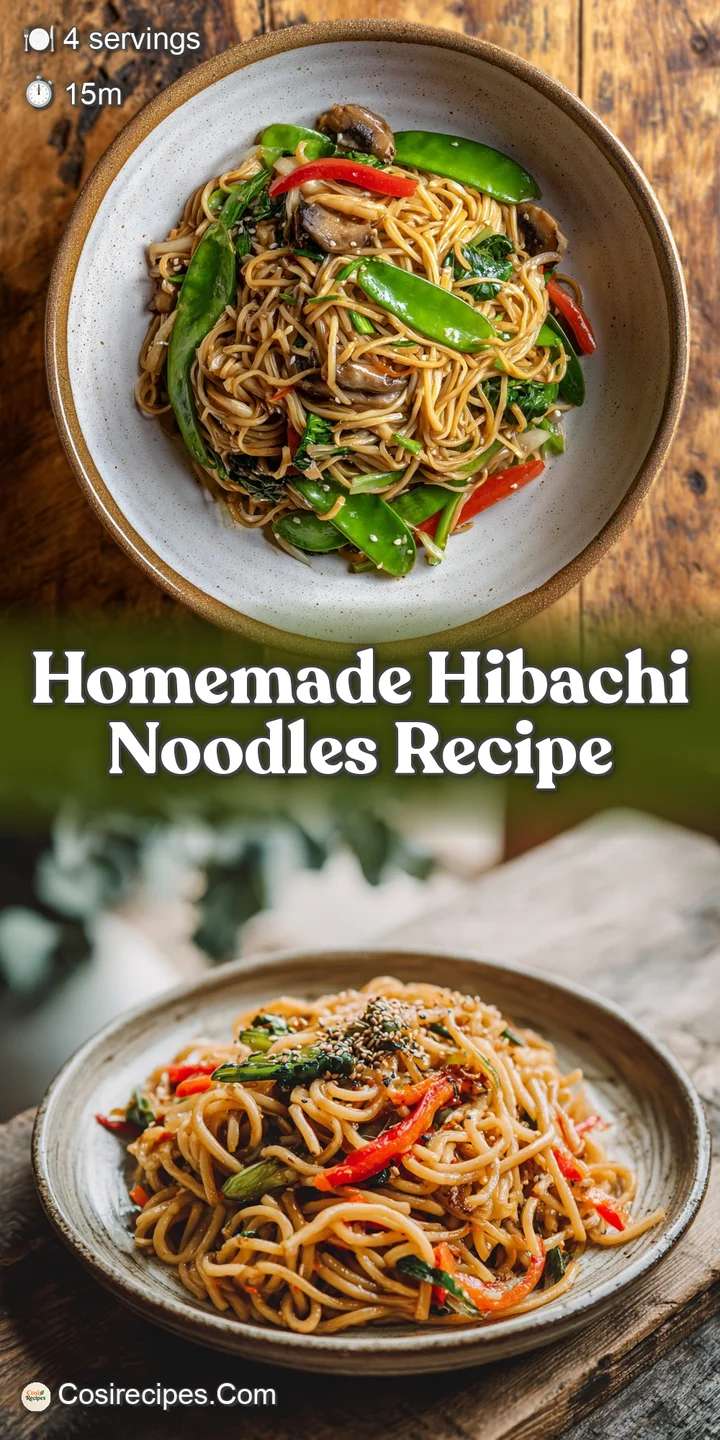
High in Sodium
875 mg mg of sodium per serving (38% of daily value)
The American Heart Association recommends limiting sodium intake to no more than 2,300mg per day for most adults.
Sodium Reduction Tips for Your Lo Mein
-
Dilute Soy Sauce-20%
Reduce the sodium content by diluting the 1/4 cup of low-sodium soy sauce with an equal amount of water (1/4 cup). This will significantly reduce sodium while maintaining flavor. Use even less soy sauce if possible.
-
Reduce Teriyaki Sauce-20%
Teriyaki sauce can be high in sodium. Reduce the amount from 2 tablespoons to 1 tablespoon and see if you can reduce it even further. You can also look for a no-sodium or low-sodium alternative, if available.
-
Season Chicken Wisely-15%
When seasoning the chicken, avoid using any additional salt. Rely on the flavors from the other ingredients, like garlic and pepper, for taste. You can also use sodium free seasoning blends.
-
Noodle Choice-10%
Some noodles may have added sodium. Check the nutrition label of the Lo Mein or Yakisoba noodles and choose a brand with lower sodium content per serving. Rice noodles are typically lower in sodium.
-
Garlic Powder-10%
Use garlic powder instead of fresh garlic. Garlic powder is more concentrated and will give you the taste of garlic without having to add extra salt.
-
Herbs & Spices
Enhance the flavor with fresh or dried herbs and spices! Experiment with ginger, red pepper flakes, or a squeeze of lemon or lime juice to add complexity without sodium.
Recipe FAQs
What sauce is used in hibachi noodles?
A balanced glaze of soy sauce, teriyaki, sugar, and butter. The sauce relies on high heat to quickly reduce the soy and teriyaki, while cold butter is added last to emulsify and create a glossy coating.
What noodles do they use at hibachi places?
Typically Lo Mein or thick Yakisoba noodles are used. These noodles have enough structure to withstand intense searing without breaking down into mush.
What seasonings do you use for hibachi?
Garlic, soy sauce, teriyaki, sugar, and black pepper are essential. The restaurant flavor profile comes mostly from the Maillard reaction achieved by caramelizing these ingredients on high heat, not necessarily a long list of obscure spices.
What oil do you use for hibachi noodles?
Start with toasted sesame oil for flavor, then use butter for the sauce. The initial sear benefits from the high smoke point and nutty flavor of sesame oil; the unsalted butter is crucial later for creating the rich, emulsified glaze.
How do I stop my hibachi noodles from turning gummy?
Rinse the cooked noodles immediately under cold water after boiling. This step halts the cooking process and washes away excess surface starch, which is the primary cause of clumping and gumminess during frying.
Can I substitute the soy sauce with something else if I am sensitive to salt?
Yes, you can use Tamari or coconut aminos, but adjust the sugar. Since Tamari is often less salty than standard soy sauce, you may need to slightly increase the granulated sugar to maintain that classic sweet savory balance we aim for in this style of cooking.
Why do my noodles taste steamed instead of seared?
Your pan was not hot enough when the noodles were added. You must achieve an intensely hot surface smoking hot before introducing the noodles; if you enjoyed mastering the intense heat management here, apply that same concept to our Mediterranean Whole Roasted recipe for perfect crusts.
Hibachi Noodles Recipe At Home
Ingredients:
Instructions:
Nutrition Facts:
| Calories | 565 kcal |
|---|---|
| Protein | 15.2 g |
| Fat | 17.8 g |
| Carbs | 85.4 g |
| Fiber | 3.2 g |
| Sugar | 7.8 g |
| Sodium | 875 mg |
