Homemade Cheese Sauce: Creamy and Versatile

- Time: Active 10 minutes, Passive 5 minutes, Total 15 minutes
- Flavor/Texture Hook: Velvety, glossy, and deeply savory
- Perfect for: Game day nachos, weeknight mac and cheese, or a decadent veggie topper
- Create a Flawless Cheese Sauce Recipe
- Science of the Perfect Silky Texture
- Reliable Specs for Your Kitchen Success
- Ingredient Analysis for Better Sauce Results
- Simple Tools for Great Results Everytime
- Culinary Steps for a Glossy Finish
- Pro Advice to Prevent Sauce Disasters
- Personalizing Your Cheese Sauce Variations
- Keeping Your Leftover Sauce Fresh
- Side Dishes That Love This Sauce
- Recipe FAQs
- 📝 Recipe Card
Create a Flawless Cheese Sauce Recipe
Imagine the sound of a wire whisk scraping against the bottom of a heavy stainless steel pan, the rhythm steady as the butter begins to foam and hiss. As you sprinkle in the flour, the kitchen fills with a scent that reminds me of toasted crackers and warm biscuits.
It is that specific moment where the "wet sand" mixture bubbles lazily that you know you are on the path to something special. I remember the first time I tried to make a sauce like this; I was so impatient that I dumped all the milk in at once, and I ended up with a lumpy, floury mess that looked more like paste than a restaurant favorite.
That kitchen disaster taught me that patience is the secret ingredient. When you finally pour that finished, glossy sauce over a pile of steaming broccoli or a bowl of pasta, the way it coats every surface in a thick, golden blanket is nothing short of addictive.
It is a far cry from the neon yellow stuff you find in a jar. This version has weight, soul, and a hint of smoked paprika that lingers on the tongue. We are going to decode the steps to make sure your sauce is always smooth and never grainy.
This recipe is designed to be your reliable back pocket trick for busy weeknights or hosting friends. By focusing on simple techniques and high-quality fats, we are improving upon the versions you get at local diners.
We want that deep, cheesy flavor to be the star, supported by a texture that stays fluid even as it starts to cool slightly on the plate.
Science of the Perfect Silky Texture
Understanding how these ingredients interact makes the difference between a broken oil slick and a velvety masterpiece. It is all about managing the relationship between fat, water, and starch.
- Starch Shielding: Flour particles surround the fat droplets from the butter, which prevents them from recombining into greasy pools when heat is applied.
- Protein Entanglement: As the milk heats, the starch granules from the flour swell and burst, creating a microscopic web that thickens the liquid body.
- Thermal Stability: Adding the cheese off the heat prevents the proteins from tightening and squeezing out moisture, which is the primary cause of graininess.
| Thickening Goal | Ideal Texture | Visual Cue | Success Rate |
|---|---|---|---|
| Thin Pour | Silky like heavy cream | Coats back of spoon lightly | High |
| Medium Dip | Velvety and clinging | Leaves a thick trail in pan | Reliable |
| Heavy Spread | Thick and spreadable | Holds a soft peak when lifted | Moderate |
When choosing your consistency, remember that the sauce will naturally thicken as it cools. If you are serving this as a dip for pretzels, you might want it slightly thinner than if you were using it as a base for a baked casserole.
Reliable Specs for Your Kitchen Success
Getting the proportions right is the key to a sauce that doesn't taste like raw flour or feel too thin. This cheese sauce recipe relies on a standard 1:1 ratio of fat to flour, which is the foundation for almost every classic white sauce in the culinary world.
| Ingredient | Science Role | Pro Secret |
|---|---|---|
| Unsalted Butter | Fat medium for roux | Melt until foam subsides for best flavor |
| All Purpose Flour | Starch thickening agent | Cook until it smells like toasted nuts |
| Whole Milk | Liquid hydration base | Use room temperature to avoid sudden lumps |
| Sharp Cheddar | Primary flavor profile | Grate it yourself for a smoother melt |
The addition of heavy cream in this recipe acts as an insurance policy. The extra fat in the cream helps stabilize the emulsion, making it much harder for the sauce to "break" or become oily. It adds a luxurious mouthfeel that milk alone simply cannot replicate.
Ingredient Analysis for Better Sauce Results
Every component in this list serves a specific purpose in building that addictive, flavorful profile. We aren't just looking for saltiness; we want complexity and a clean finish.
- 2 tbsp Unsalted Butter: Provides the fat needed to cook the flour. Why this? Using unsalted allows you to control the final seasoning level perfectly.
- 2 tbsp All Purpose Flour: The structural backbone of the sauce. Why this? AP flour has the right protein content for a stable, medium thick roux.
- 1/4 tsp Sea Salt: Enhances the natural saltiness of the cheddar.
- 1.5 cups Whole Milk: The primary liquid that creates the volume. Why this? Fat in whole milk yields a much richer result than skim or 2%.
- 0.5 cup Heavy Cream: For that signature restaurant style decadence.
- 2 cups Sharp Cheddar Cheese: Freshly grated is mandatory here. Why this? Pre shredded cheese is coated in starch that ruins the sauce texture.
- 0.5 cup Monterey Jack: The "melt master" of cheeses. Why this? It has a high moisture content that keeps the sauce incredibly fluid.
- 0.25 tsp Ground Dry Mustard: A classic secret for cutting through the richness.
- 0.125 tsp Smoked Paprika: Adds a subtle depth and a beautiful golden hue.
- 0.25 tsp Garlic Powder: Provides a savory base note without the grit of fresh garlic.
| Original Ingredient | Substitute | Why It Works |
|---|---|---|
| Sharp Cheddar | Gruyère | Same melting point with a nuttier, more earthy flavor profile |
| Whole Milk | Unsweetened Almond Milk | Thinner texture; requires 1 extra tbsp of flour to thicken |
| Monterey Jack | Havarti | Exceptional melting properties and a very mild, buttery finish |
If you are looking for a slightly different application of these savory notes, you might enjoy my homemade pimento cheese which uses similar sharp notes but in a spreadable, cold format. It is a great way to use up any extra cheddar you might have grated.
Simple Tools for Great Results Everytime
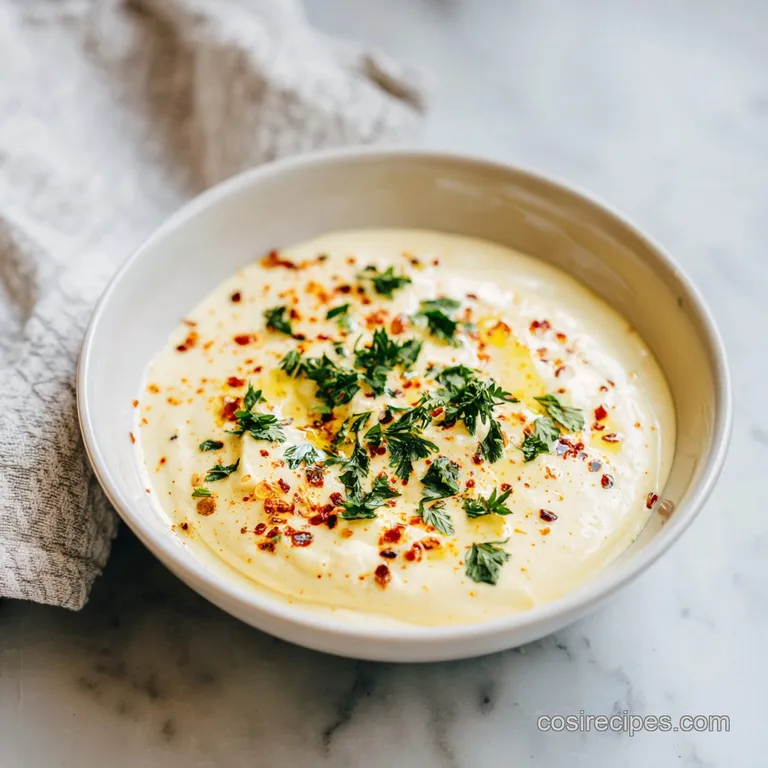
You don't need a kitchen full of gadgets to make a world class cheese sauce. In fact, a minimalist approach usually leads to better control over the temperature and texture.
A heavy bottomed saucepan is your most important ally. Thin pans have hot spots that will scorch the flour or burn the milk before it has a chance to thicken. I prefer a 2 quart stainless steel or enameled cast iron pot. You also need a high-quality whisk.
If you can find a "flat whisk" or a "sauce whisk," they are brilliant for getting into the edges of the pan where the roux likes to hide and burn.
Finally, a box grater is non negotiable. I cannot stress this enough: do not use the bagged cheese. The cellulose they add to keep the shreds from sticking together in the bag will turn your sauce into a gritty, grainy disappointment.
Grating two cups of cheese takes about three minutes and is the single biggest factor in your success.
Culinary Steps for a Glossy Finish
Follow these steps closely, paying attention to the visual and sensory cues. This process moves quickly once the liquid is added, so have everything measured out before you turn on the stove.
- Melt the 2 tbsp unsalted butter in your saucepan over medium heat until the foaming stops and it sizzles slightly.
- Whisk in the 2 tbsp flour and 1/4 tsp sea salt, stirring constantly for 1-2 minutes until it smells nutty and looks like wet sand. Note: This cooks out the raw flour taste.
- Pour in the 1.5 cups milk and 0.5 cup heavy cream very slowly, about 1/4 cup at a time, whisking vigorously until each addition is fully incorporated.
- Continue cooking the mixture for 4-5 minutes, whisking frequently, until the sauce thickens enough to coat the back of a spoon.
- Remove the pan entirely from the heat source to prevent the cheese from overheating and curdling.
- Whisk in the 0.25 tsp dry mustard, 0.125 tsp smoked paprika, and 0.25 tsp garlic powder until the spices are evenly distributed.
- Add the 2 cups sharp cheddar and 0.5 cup Monterey Jack in small handfuls, stirring gently until the residual heat melts them completely.
- Taste the sauce and add a pinch more salt if needed, then serve immediately while it is glossy and flowing.
Pro Advice to Prevent Sauce Disasters
The most common frustration with a cheese sauce recipe is graininess. This usually happens because the cheese was heated too quickly or for too long. Once the cheese proteins "seize," there is no going back to a perfectly smooth state.
Fixing Your Grainy Texture
If you notice small beads or a gritty feeling on your tongue, it’s often due to those pre shredded cheese additives or overheating. If the damage isn't too severe, you can sometimes save it by adding a tiny splash of heavy cream and whisking frantically off the heat.
Adjusting a Thick Sauce
Sometimes the sauce sits for a few minutes and turns into a solid block. Don't panic. Simply place it back over very low heat and whisk in a tablespoon of milk at a time until the desired consistency returns.
Improving a Bland Flavor
If the sauce feels "flat," it likely needs acid or salt. A tiny drop of lemon juice or a half teaspoon of Worcestershire sauce can wake up the cheddar flavors without making the sauce taste like vinegar.
| Problem | Root Cause | Solution |
|---|---|---|
| Oily Separation | Heat was too high | Remove from heat, add a splash of cold milk, and whisk |
| Floury Aftertaste | Roux didn't cook long enough | Cook the butter/flour mix for at least 90 seconds next time |
| Lumpy Consistency | Milk added too fast | Use an immersion blender to smooth it out quickly |
Common Mistakes Checklist
- ✓ Grate your own cheese (avoid cellulose at all costs)
- ✓ Ensure your milk is not ice cold when it hits the roux
- ✓ Cook the roux until it smells like toasted bread, not raw flour
- ✓ Take the pan off the burner before adding any cheese
- ✓ Whisk constantly during the liquid addition phase to prevent lumps
Personalizing Your Cheese Sauce Variations
Once you have the base down, you can decode a dozen different restaurant favorites by just swapping a few spices or cheeses. It is the ultimate kitchen chameleon.
Making Nacho Style Sauce
To turn this into an easy nacho cheese sauce, add a tablespoon of brine from a jar of pickled jalapeños and a dash of cayenne pepper. Swap the sharp cheddar for a mild cheddar or even a Colby Jack for that classic "stadium" flavor.
Velveeta Style Shortcut Version
If you want that specific, ultra processed melt but with better flavor, replace half of the sharp cheddar with cubes of Velveeta. It adds sodium citrate, which acts as a powerful emulsifier, ensuring the sauce stays liquid even if it sits out on a buffet table for an hour.
Flourless Cheese Sauce Alternatives
If you are avoiding grains, you can skip the roux entirely. Simmer the heavy cream and milk until reduced by one third, then whisk in the cheese off the heat. It won't be as stable as a roux based sauce, but it will be incredibly rich.
Pasta Night Sauce Applications
For a cheese sauce recipe for pasta, I like to double the black pepper and add a pinch of nutmeg. The nutmeg doesn't make it taste like dessert; it actually enhances the creamy notes of the dairy and makes the cheddar taste more complex.
Keeping Your Leftover Sauce Fresh
Storing this sauce is simple, but reheating requires a gentle touch. Because of the high fat content, it will solidify into a firm block in the fridge, which is perfectly normal.
Storage: Place the sauce in an airtight container and press a piece of plastic wrap directly onto the surface of the sauce before sealing the lid. This prevents a "skin" from forming. It will stay fresh in the refrigerator for up to 4 days.
I do not recommend freezing this sauce, as the emulsion often breaks during the thawing process, leaving you with a grainy, watery mess.
Zero Waste Tip: If you have just a small amount of leftover sauce, don't throw it out! It makes an incredible spread for a grilled cheese sandwich the next day. You can also dollop it onto a baked potato or stir it into a bowl of steaming rice for a quick lunch.
Side Dishes That Love This Sauce
This sauce is the ultimate companion for a variety of textures. While it is iconic on macaroni, its versatility goes far beyond the pasta bowl.
I love drizzling this over roasted cauliflower or steamed green beans to turn a simple side into the star of the show. It also serves as a fantastic base for a buffalo chicken pizza if you want to skip the tomato sauce and go for something much more indulgent. The tang of the sharp cheddar balances beautifully with spicy buffalo sauce.
| Serving Style | Best Cheese Ratio | Recommended Pairing |
|---|---|---|
| Dipping | 60% Jack / 40% Cheddar | Soft pretzels or crusty sourdough bread |
| Pouring | 50% Jack / 50% Cheddar | Steamed broccoli or roasted potatoes |
| Baking | 80% Cheddar / 20% Jack | Elbow macaroni or cauliflower gratin |
Whether you are using this as a creamy cheese sauce for fries or a dip for a party platter, the key is the temperature. Serve it warm, keep the conversation flowing, and don't be surprised when your friends ask for the recipe before the night is over. It really is that addictive.

Recipe FAQs
How do you make a simple cheese sauce?
Whisk flour into melted butter to create a roux, then gradually incorporate milk and cream. Once thickened, remove from heat and stir in freshly grated cheddar and Monterey Jack until smooth.
What is the secret to a perfect cheddar cheese sauce?
Use freshly grated cheese instead of pre-shredded bags to avoid anti caking agents that ruin the texture. Always remove the saucepan from the heat completely before adding your cheese to ensure the emulsion remains glossy and does not break. If you enjoyed mastering the silky tomato cream technique here, you will find the same emulsion principles apply to achieving this perfect cheese sauce.
What are some common cheese sauce mistakes?
Adding cheese while the saucepan is still over direct heat is the most common error. Excessive heat causes the proteins to seize and separate, leading to a grainy or oily sauce.
How is cheese sauce made?
Build a base by cooking butter and flour for two minutes until it smells nutty, then slowly whisk in dairy. Cook the mixture for four to five minutes until it coats the back of a spoon before folding in your cheese off-heat.
Is it true I must use a roux to get a thick sauce?
Yes, the roux is essential for achieving the correct consistency. Cooking the butter and flour mixture first ensures you remove the raw flour taste and creates the foundation for a stable, velvety sauce.
Why is my cheese sauce clumpy?
Failing to whisk vigorously when adding milk will almost always create lumps. Ensure your milk is at room temperature before adding it to the roux to help it incorporate more smoothly.
Should I use pre-shredded cheese to save time?
No, this is a common misconception. Pre-shredded cheese is coated in cellulose or potato starch, which prevents the cheese from melting properly and leaves you with a gritty sauce rather than a smooth emulsion.
Homemade Cheese Sauce Recipe

Ingredients:
Instructions:
Nutrition Facts:
| Calories | 251 kcal |
|---|---|
| Protein | 10.2 g |
| Fat | 21.3 g |
| Carbs | 5.0 g |
| Fiber | 0.1 g |
| Sugar | 2.6 g |
| Sodium | 321 mg |
