Chicken Tikka Masala: Silky and Spiced
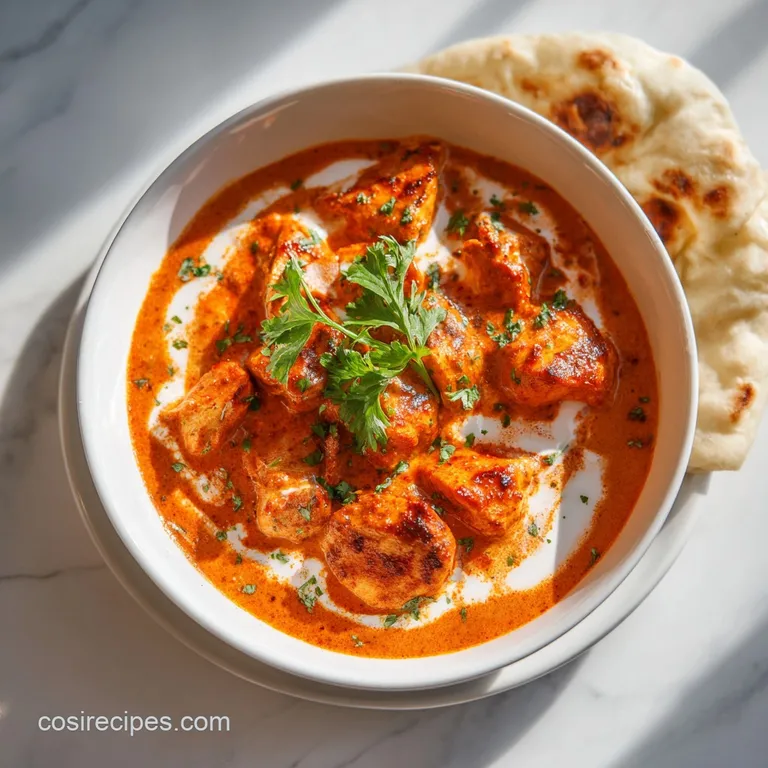
- Time: Active 15 minutes, Passive 30 minutes, Total 45 minutes
- Flavor/Texture Hook: Charred, smoky chicken in a silky, spiced tomato cream sauce
- Perfect for: A weeknight "treat yourself" dinner or impressive meal prep
- Master Your Home Chicken Tikka Masala
- Why This Spicy Sauce Works
- Ingredient Deep Dive Analysis
- Key Ingredients and Smart Swaps
- Essential Tools for Better Curry
- Step By Step Cooking Guide
- Avoid These Common Cooking Mistakes
- Tasty Variations You Can Try
- Scaling the Recipe Properly
- Store and Reheat Your Leftovers
- Best Sides for Your Curry
- Myths About This Dish
- Recipe FAQs
- 📝 Recipe Card
Master Your Home Chicken Tikka Masala
The first time I tried to make this at home, it was a total disaster. I ended up with what looked like a pale, sad tomato soup with boiled chicken chunks floating in it. It lacked that deep, smoky "oomph" you get at a good Indian restaurant. The kitchen didn't smell like a spice market, it smelled like a cafeteria.
I realized then that you can't just throw everything in a pot and hope for the best. You have to understand how to build those layers of flavor, starting with the char on the meat.
Now, I make this at least twice a month because it's so much cheaper than ordering in, and frankly, I like my version better. The secret isn't some expensive gadget, it's about how you treat the spices and how hard you sear that chicken. You want those dark, almost burnt looking edges on the chicken chunks.
That’s where the "Tikka" flavor lives. When that charred crust hits the acidic tomato sauce, it creates this incredible depth that you just can't get any other way.
We’re going to use chicken thighs because they are budget friendly and stay juicy even when we blast them with heat. If you use breasts, they’ll turn into shoe leather by the time the sauce is ready. Trust me, go with the thighs.
We're also using a few smart swaps to keep the grocery bill down while keeping the results high end. Let’s get into why this method actually works so well.
Why This Spicy Sauce Works
- Acidic Tenderization: The lactic acid in the Greek yogurt breaks down the lean muscle fibers in the chicken chunks, ensuring they stay tender during the over high heat searing process.
- Spice Blooming: Sautéing the dry spices in ghee releases their fat soluble flavor compounds, which creates a more complex and integrated sauce than adding them to liquid.
- Maillard Reaction: Searing the marinated chicken at high heat creates charred bits that dissolve into the sauce, adding a smoky "tandoori" profile without a real clay oven.
- Emulsification: Slowly stirring the heavy cream into the warm tomato base prevents curdling and creates that signature velvety, orange tinted texture we all love.
| Method | Time | Texture | Best For |
|---|---|---|---|
| Cast Iron Skillet | 45 minutes | Maximum char, smoky | Getting that restaurant style finish |
| Instant Pot | 30 minutes | Very tender, less char | Busy weeknights and easy cleanup |
| Slow Cooker | 4 hours | Falling apart, mild | Low effort meal prep for families |
This comparison shows that while the Instant Pot is faster, the skillet method we are using today provides the best texture. If you want that specific smoky bite, the over high heat sear in a pan is non negotiable. It’s the difference between a "good" curry and a "wow" curry.
Ingredient Deep Dive Analysis
| Component | Science Role | Pro Secret |
|---|---|---|
| Greek Yogurt | Denatures proteins for tenderness | Use full fat yogurt to prevent the marinade from breaking or becoming watery. |
| Tomato Purée | Provides acidity and bulk | Simmering it until it darkens concentrates the sugars, removing the "raw" canned taste. |
| Kasuri Methi | Adds a nutty, maple aroma | Rub the dried leaves between your palms to release the oils right before stirring them in. |
| Ghee | High smoke point fat | Ghee allows for a harder sear than butter without burning the milk solids. |
The foundation of this dish is the balance between the bright acidity of the tomatoes and the richness of the cream. When you use the right fats, like ghee, you can push the temperature higher, which is essential for getting that charred effect on the chicken.
Key Ingredients and Smart Swaps
- Chicken Thighs (1.5 lbs): Boneless and skinless. Why this? They stay juicy at high heat and are cheaper than chicken breasts.
- Substitute: Extra firm tofu (pressed and seared) for a vegetarian version.
- Greek Yogurt (0.5 cup): Full fat is best. Why this? Provides the thickest coating and most effective tenderization for the marinade.
- Substitute: Plain whole milk yogurt (strain it through a paper towel for 10 mins).
- Ghee (2 tbsp): Clarified butter. Why this? Essential for over high heat searing and that specific buttery, nutty flavor profile.
- Substitute: A mix of 1 tbsp neutral oil and 1 tbsp butter.
- Tomato Purée (14 oz): Smooth canned purée. Why this? Creates a silky sauce without the grit of chopped or crushed tomatoes.
- Substitute: Canned whole tomatoes blended until completely smooth.
- Heavy Whipping Cream (0.75 cup): High fat content. Why this? Provides the iconic velvety mouthfeel and balances the spices.
- Substitute: Full fat coconut milk (adds a slight tropical sweetness).
- Kashmiri Chili Powder (1 tsp): Mild but vibrant. Why this? Gives the sauce its signature red color without being overwhelmingly spicy.
- Substitute: 0.5 tsp smoked paprika mixed with 0.5 tsp cayenne pepper.
- Ginger Garlic Paste (1 tbsp): Equal parts ginger and garlic. Why this? Distributes flavor more evenly than chopped aromatics in the marinade.
- Substitute: 3 cloves minced garlic and 1 inch grated ginger.
| Original Ingredient | Substitute | Why It Works |
|---|---|---|
| Ghee | Avocado Oil | High smoke point for searing, but you lose the buttery flavor. |
| Heavy Cream | Cashew Cream | Soaked and blended cashews provide similar richness for a dairy-free swap. |
| Kashmiri Chili | Paprika + Cayenne | Paprika provides the red color while cayenne adds the missing heat. |
When swapping the cream for coconut milk, keep in mind that the final dish will have a distinct coconut aroma. It’s still flavorful, but it moves the flavor profile slightly toward a Thai style curry. If you’re looking for that "authentic" British Indian restaurant taste, stick with the heavy cream.
Essential Tools for Better Curry
For the best results, I highly recommend using a large cast iron skillet or a heavy bottomed Dutch oven. These pans hold heat much better than thin non stick pans, which is critical for that initial sear.
If the pan loses heat when you add the chicken, the meat will steam instead of searing, and you’ll lose all that flavor.
You will also need a non reactive mixing bowl for the marinade. Since we are using lemon juice and yogurt (both acidic), a metal bowl might give the chicken a slightly metallic taste. Glass or ceramic is the way to go here. A microplane is also a lifesaver for grating the fresh ginger and garlic into a fine paste.
step-by-step Cooking Guide

1. The Acid Tenderization Phase
In a non reactive mixing bowl, combine the 1.5 lbs of chicken chunks, 0.5 cup Greek yogurt, 1 tbsp lemon juice, 1 tsp turmeric, 1 tsp cumin, 1 tsp Kashmiri chili powder, and 1 tbsp ginger garlic paste. Mix thoroughly until every piece is coated. Marinate for at least 20 minutes.
Note: This time allows the acid to start softening the proteins.
2. The Tandoori Style Sear
Heat a large heavy bottomed skillet over high heat with 1 tablespoon of ghee. Once the ghee is shimmering, add the chicken in batches. Sear for 3-4 minutes per side until deeply charred on the edges. Remove and set aside.
Note: Don't worry if the chicken isn't cooked through; it will finish in the sauce.
3. Sautéing the Aromatics
Lower the heat to medium and add the remaining tablespoon of ghee to the same pan. Add the 1 diced yellow onion and sauté for 5-6 minutes until translucent and soft.
Add the 3 cloves of minced garlic and 1 inch of grated ginger, cooking for 1-2 minutes until fragrant.
4. The Spice Bloom
Add the 1 tbsp garam masala, 1 tsp coriander, 1 tsp cumin, 0.5 tsp cardamom, and 0.5 tsp smoked paprika directly into the fat in the pan. Toast the spices for 30-60 seconds until the kitchen smells like a spice market. This step is vital for depth.
5. Concentrating the Base
Pour in the 14 oz of tomato purée. Stir to scrape up any charred bits from the chicken. Simmer for 10-15 minutes on medium low heat until the sauce thickens and turns a dark brick red color.
6. The Creamy Emulsion
Slowly stir in the 0.75 cup of heavy whipping cream. The sauce should turn that iconic vibrant orange. Add the seared chicken back into the pan along with any juices that escaped.
7. Finishing the Simmer
Simmer for an additional 5-8 minutes until the chicken is fully cooked through and the sauce is glossy. If the sauce feels too thick, add a splash of water.
8. The Final Flourish
Crush the 1 tbsp of dried fenugreek leaves (Kasuri Methi) between your palms and stir them into the sauce. Garnish with the 0.25 cup of fresh cilantro. Serve immediately while hot.
Avoid These Common Cooking Mistakes
Why Your Sauce Is Gritty
A grainy or gritty texture usually happens if the spices didn't bloom properly in the fat or if you used crushed tomatoes instead of a smooth purée. If you find your sauce is already gritty, you can use an immersion blender before adding the chicken back in, though this is a "save" rather than the goal.
Why the Flavor Is Bland
If the dish tastes "flat," it’s likely because the onions weren't cooked long enough or the spices were added to the liquid instead of being toasted in the ghee. Another common culprit is a lack of salt. The acidity of the tomatoes needs enough salt to really "pop."
| Problem | Root Cause | Solution |
|---|---|---|
| Chicken is tough | Not marinated long enough | Ensure at least 20 mins in the yogurt mix. |
| Sauce is too thin | Not reduced enough | Simmer the tomato base longer before adding cream. |
| Bitter aftertaste | Burned spices | Only toast spices for 30-60 seconds on medium heat. |
- ✓ Pat the chicken chunks dry if they seem too wet before marinating.
- ✓ Ensure the pan is screaming hot before the chicken hits the ghee.
- ✓ Don't skip the fenugreek; it's the secret to that restaurant smell.
- ✓ Use full fat dairy to ensure the sauce stays emulsified and rich.
- ✓ Taste the sauce before adding the chicken back to check for salt.
Tasty Variations You Can Try
If you want to speed things up, you can try a Garlic chicken fried rice on the side instead of traditional naan. It adds a whole different layer of savory garlic that works surprisingly well with the Tikka sauce. For those who like things spicy, try adding 2-3 slit green chilies during the onion sautéing phase.
Another great twist is the "Dhungar" method for a truly smoky flavor. You light a small piece of natural charcoal until it's glowing, place it in a small metal bowl, and set that bowl inside the finished curry pot.
Drop a teaspoon of ghee on the coal so it starts smoking, then cover the pot with a lid for 3-5 minutes. It infuses the entire dish with a wood fired aroma that is absolutely addictive.
If you enjoy the flavor profile of seared chicken but want something more "fusion," you might like an Hibachi chicken recipe for a different night. It uses similar over high heat techniques but with a soy ginger focus instead of the tomato cream base.
Scaling the Recipe Properly
When you want to double this recipe for a party, don't just double everything blindly. For the spices, I recommend starting at 1.5x the amount and then tasting. Spices like turmeric and cardamom can become overwhelming if scaled exactly. However, for the chicken and tomato purée, you can go a full 2x.
- Scaling Down (0.5x): Use a smaller 10 inch skillet. You may need to reduce the simmering time for the tomato base by about 5 minutes as it will concentrate much faster in a smaller volume.
- Scaling Up (2x): You must work in more batches for the chicken sear. If you crowd the pan, the chicken will release water and steam instead of charring. Use a large Dutch oven to handle the increased volume of sauce.
| Servings | Chicken Amount | Pan Size | Cook Time |
|---|---|---|---|
| 2 people | 0.75 lbs | 10 inch skillet | 35 minutes |
| 4 people | 1.5 lbs | 12 inch skillet | 45 minutes |
| 8 people | 3.0 lbs | Large Dutch Oven | 60 minutes |
Store and Reheat Your Leftovers
This is one of those magical dishes that actually tastes better the next day. As it sits in the fridge, the spices continue to meld into the cream and chicken. You can keep this in an airtight container in the fridge for up to 3 days. When reheating, do it gently on the stove over low heat.
If you microwave it on high, the cream might separate, leaving you with an oily mess. Add a tiny splash of water or milk to loosen the sauce as it warms up.
For freezing, this dish holds up surprisingly well for about 2 months. The heavy cream does a good job of staying stable, though the texture of the chicken might soften slightly. Thaw it completely in the fridge overnight before reheating on the stovetop.
I don't recommend freezing the rice with it; it's better to make a fresh batch of basmati when you're ready to eat.
To keep things zero waste, don't throw away the cilantro stems! Chop them very finely and sauté them with the onions. They have even more flavor than the leaves. Also, if you have leftover sauce but no chicken, it makes an incredible base for a "Tikka" style shakshuka the next morning.
Just poach a couple of eggs directly in the warmed up sauce.
Best Sides for Your Curry
The classic pairing is, of course, fluffy basmati rice and garlic naan. If you want to get fancy, try making a quick jeera rice by sautéing a teaspoon of cumin seeds in butter before adding your water and rice. It adds a nutty aroma that complements the cumin in the Tikka Masala perfectly.
For a fresh contrast, a simple kachumber salad (diced cucumber, tomato, and red onion with lemon juice) provides a crunchy, bright break from the richness of the cream sauce. A dollop of mango chutney on the side also adds a nice sweet and sour element that plays well with the smoky char of the chicken.
Myths About This Dish
One of the biggest misconceptions is that this is an ancient Indian recipe. It was actually popularized (and likely invented) in the UK! It’s the ultimate "fusion" food, combining Indian techniques with British preferences for gravy heavy dishes.
Knowing this helps you realize that there is no "one true way" to make it as long as it has that charred chicken and creamy tomato base, you're doing it right.
Another myth is that you need a Tandoor oven to get the right flavor. While a 900°F clay oven is great, we've decoded that flavor by using a heavy cast iron pan and the "Dhungar" smoking method. You can achieve 95% of that flavor at home with just a standard stove.
Finally, don't believe the idea that more chili means more "authentic" flavor. Tikka Masala is meant to be balanced and mild to medium; it's not a heat bomb like a Vindaloo.
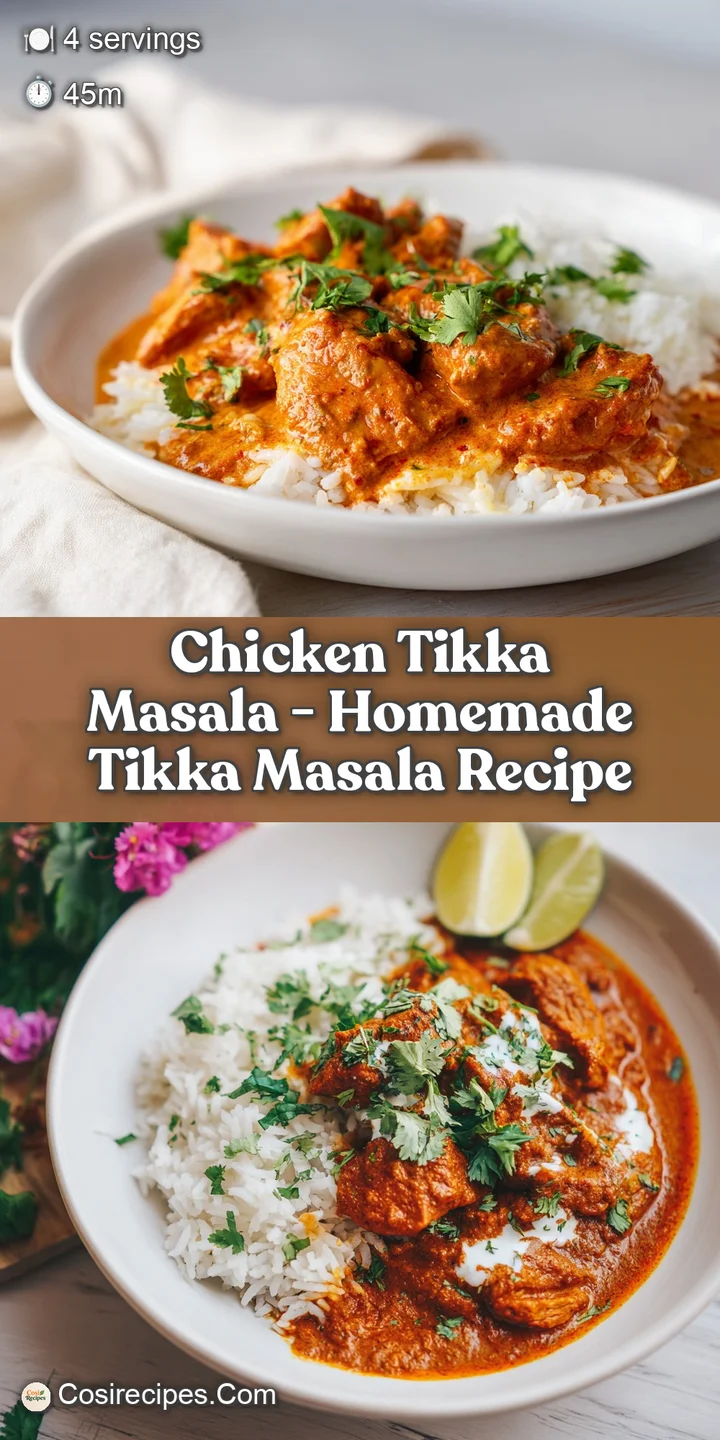
Recipe FAQs
Is chicken tikka masala Indian or British?
It is widely considered a British invention. While inspired by Indian culinary traditions, the dish likely originated in restaurants in the United Kingdom to cater to local palates by adding a creamy sauce to dry-roasted chicken.
What is the secret to a great tikka masala?
Char your chicken properly. Searing the marinated chicken in a hot skillet with ghee creates a charred exterior that provides essential depth of flavor to the final sauce. If you enjoyed mastering this high heat searing technique, the same principle of color equals-flavor works perfectly for our Honey Garlic Shrimp.
Is chicken tikka masala spicy or not?
It is generally mild to medium. The use of heavy cream and tomato purée balances the heat from the Kashmiri chili powder, resulting in a rich, savory profile rather than an aggressively fiery one.
What are the ingredients for chicken tikka masala?
You will need chicken thighs, Greek yogurt, and a specific spice blend. Key components include ginger garlic paste, garam masala, tomato purée, heavy whipping cream, and the essential finishing touch of dried fenugreek leaves.
How to ensure the sauce doesn't break or look oily?
Simmer the tomato purée thoroughly before adding cream. Ensuring the sauce thickens and darkens properly allows the flavors to concentrate; once you add the heavy cream, use low heat to gently emulsify the mixture without letting it boil rapidly.
How to substitute chicken thighs for breasts?
Swap them if preferred, but reduce the cooking time. Boneless chicken thighs remain juicy during the 5-8 minute final simmer, whereas breast meat can easily dry out if cooked for the same duration; keep a close eye on the texture if making the switch.
How to make the flavor more fragrant?
Toast your spices in the ghee. Adding the garam masala, coriander, cumin, cardamom, and smoked paprika to the hot fat for 30-60 seconds before adding the liquids releases essential oils that significantly amplify the aromatic profile of the dish.
Homemade Chicken Tikka Masala

Ingredients:
Instructions:
Nutrition Facts:
| Calories | 488 kcal |
|---|---|
| Protein | 36.4 g |
| Fat | 31.2 g |
| Carbs | 14.8 g |
| Fiber | 2.6 g |
| Sugar | 6.8 g |
| Sodium | 745 mg |
