Homemade Orange Cake: Moist and Zesty
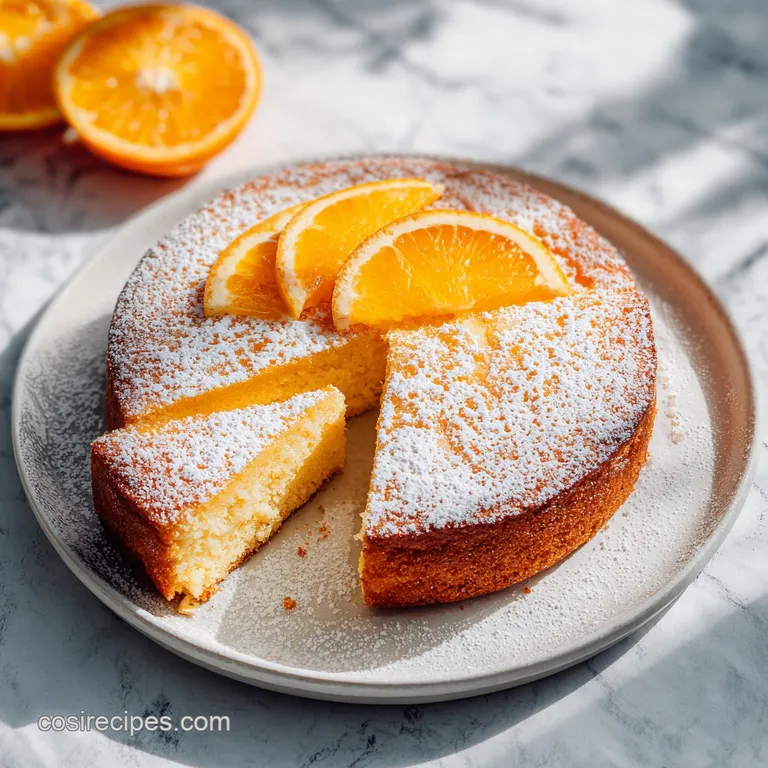
- Time: Active 20 minutes, Passive 45 minutes, Total 65 minutes
- Flavor/Texture Hook: A velvety, tender crumb with a concentrated, zesty citrus punch.
- Perfect for: Elegant weekend brunches, sophisticated afternoon tea, or a bright holiday dessert.
- Create the Ultimate Moist Homemade Orange Cake
- Reasons This Citrus Method Works
- Portioning for Every Event Size
- Ingredients Secret to Success
- Secrets for Bright Citrus Flavor
- Precise Measurements and Timing
- Essential Ingredients for Results
- Necessary Tools for Success
- Step by Step Baking Instructions
- Solving Common Baking Problems
- Customizing Your Citrus Cake
- Maintaining Freshness and Quality
- Complementary Flavors for Serving
- Kitchen Myths About Citrus Baking
- Recipe FAQs
- 📝 Recipe Card
Create the Ultimate Moist Homemade Orange Cake
The moment you begin simmering fresh orange juice on your stovetop, your kitchen transforms. There is a specific, heady aroma that fills the air a mix of bright zest and deepening sweetness that no bottled extract can ever replicate.
I remember the first time I tried making a citrus cake; I simply poured raw juice into a standard batter. The result was a pale, soggy mess that tasted more like damp flour than a sunny grove.
It was a frustrating afternoon, but it taught me the most valuable lesson in fruit based baking: water is the enemy of flavor concentration.
This homemade orange cake is the result of moving past those early mistakes. We are not just making a cake that happens to have orange in it; we are building a dessert that celebrates the fruit in its most vibrant form.
By reducing the juice, we strip away the excess water and leave behind a potent nectar that colors the batter naturally and provides a sophisticated, tangy backbone. It is a quick win for anyone who wants a bakery quality result with minimal fuss, as long as you follow the rhythm of the reduction.
You can expect a slice that feels substantial yet light, thanks to the addition of almond meal. It doesn't just crumble away; it yields to the fork with a silky resistance. Whether you are serving this at a spring brunch or just want something bright to cut through a gray Tuesday, this recipe delivers a consistent, impressive payoff.
We are going to walk through the logic of why these specific fats and flours work together so you can bake with total confidence every single time.
Reasons This Citrus Method Works
Understanding the "why" behind your bake makes you a more intuitive cook. This recipe deviates from the standard "cream butter and sugar" path for very specific reasons that directly impact how the cake feels on your tongue.
- Concentrated Flavor Profile: Simmering the juice from 1 cup down to 1/2 cup removes water while keeping the essential acids and sugars. This prevents the batter from becoming too thin while maximizing the citrus punch.
- Reverse Creaming Technique: By mixing the fat (oil and yogurt) into the dry ingredients first, we coat the flour particles in lipids. This creates a physical barrier that prevents gluten from over developing when we add the liquids, resulting in a velvet like texture rather than a bready one.
- Dual Fat Stability: Olive oil provides moisture that stays liquid at room temperature (keeping the cake soft for days), while Greek yogurt adds acidity. This acidity reacts with the baking powder to create a consistent, airy lift.
- Almond Meal Architecture: The inclusion of almond meal adds healthy fats and a subtle nuttiness, but more importantly, it breaks up the gluten network. This ensures the cake has a "shatter on-the tongue" tenderness that all purpose flour alone cannot achieve.
Portioning for Every Event Size
Before we get into the whisking and zesting, let's talk about how this recipe scales. Whether you are baking for a quiet house or a large garden party, knowing the adjustments ahead of time saves you from mid recipe math panic.
| Servings | Ingredient Adjustments | Pan Size | Cook Time |
|---|---|---|---|
| 6 People | Halve all ingredients (use 2 small eggs) | 6 inch Round | 32-35 minutes |
| 12 People | Follow standard recipe exactly | 9 inch Loaf or 8 inch Round | 45 minutes |
| 24 People | Double all ingredients | Two 9 inch Loaf Pans | 48-52 minutes |
When you are doubling the recipe for a larger crowd, remember that oven hot spots become more of an issue. I always recommend rotating your pans halfway through the 45 minutes to ensure both loaves develop that gorgeous, golden brown crust at the same rate.
If you find yourself with extra batter, these work beautifully as muffins just drop the bake time to about 18-22 minutes.
Ingredients Secret to Success
Every component in this bake has a job to do. We aren't just tossing things in a bowl; we are creating a chemical harmony. Here is the deep dive into why these specific items are sitting on your counter.
| Component | Role in the Bake | Pro Secret |
|---|---|---|
| Navel Orange Reduction | Primary flavor and acid source | Bloom the zest in the hot juice to release the aromatic oils before they hit the batter. |
| Greek Yogurt | Moisture and leavening catalyst | Always use full fat yogurt; the extra lipids contribute to the velvety crumb we’re after. |
| Almond Meal | Texture modifier and moisture lock | Toast the almond meal for 5 minutes in a dry pan before using to deepen the cake's complexity. |
| Extra Virgin Olive Oil | Shelf life extender and fat source | Choose a "fruity" or "mild" oil; it complements the citrus without overpowering it with bitterness. |
The interaction between the olive oil and the almond meal is particularly interesting. Unlike butter, which hardens when cold, these fats remain supple. If you enjoy a delicate, nutty crunch in your treats, you might find my Almond Cookies recipe to be a perfect companion for your next baking session.
Secrets for Bright Citrus Flavor
One thing nobody tells you is that the zest is actually more important than the juice. The zest contains the essential oils the "perfume" of the orange while the juice provides the "flavor." If you skip the zesting process or do it poorly, your cake will taste sweet but flat.
I always use a microplane to get only the bright orange outer layer; if you hit the white pith underneath, you'll introduce a bitter note that the sugar can't fully mask.
Another secret is the "blooming" of those oils. By adding the zest to the orange juice while it is still hot from the reduction process, the heat helps extract those oils. It’s like steeping tea.
This small step ensures the citrus flavor is distributed evenly throughout the batter, rather than just being little flecks of orange skin.
Chef's Note: If your oranges feel hard, roll them firmly against the counter with your palm for 10 seconds before juicing. This breaks the internal membranes and can yield up to 20% more juice!
Precise Measurements and Timing
Success in baking is often a game of numbers. While I love "eyeballing" a soup, I never eyeball a homemade orange cake. Precision is the difference between a master level dessert and something that's just "okay."
- 1. The Reduction
- You must simmer 1 cup of juice until it measures exactly 1/2 cup (120ml). If you have too much, the batter will be too wet; too little, and it won't be moist enough.
- 2. The Temperature
- Ensure your oven is preheated to exactly 350°F (175°C). Use an oven thermometer if you have one, as many home ovens can be off by 25 degrees.
- 3. The Doneness
- The cake is done when a skewer inserted into the center comes out clean, usually at the 45 minutes mark. The internal temperature should be between 200°F and 210°F.
| Method | Total Time | Texture | Best For |
|---|---|---|---|
| Fast (Raw Juice) | 55 minutes | Soggier, less flavor | Not recommended |
| Classic (Reduction) | 65 minutes | Velvety, intense | Every occasion |
| Overnight (Cold Bloom) | 12 hours | Deepest zest flavor | Advanced prep |
Essential Ingredients for Results
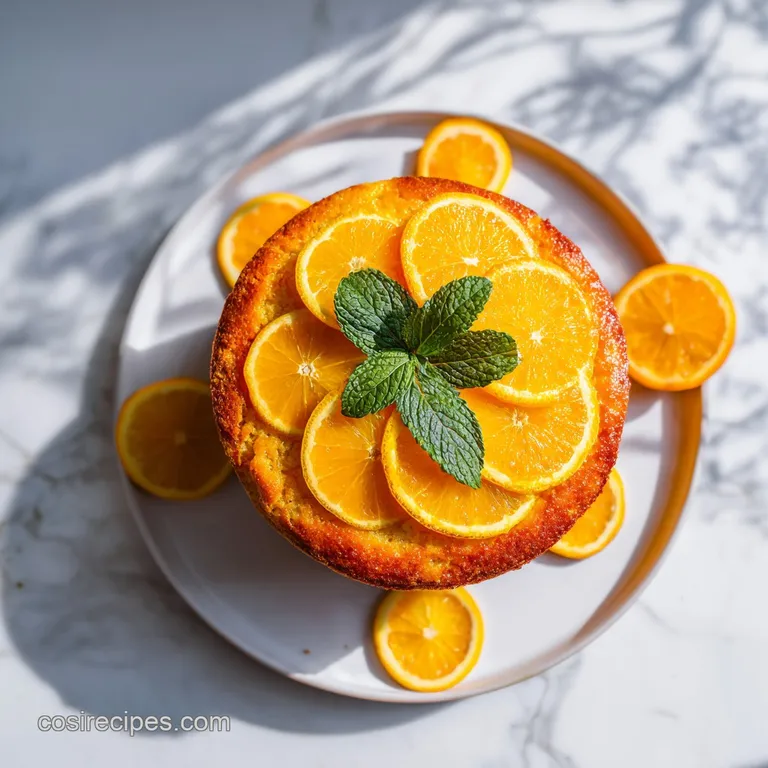
Let's gather our elements. Please stick to these measurements for the most reliable results.
- 3 large fresh Navel oranges: Zested and then juiced to yield 1 cup of juice. Why this? Navels are seedless and provide the most consistent sweetness for baking.
- 2 tbsp honey or maple syrup:Why this? Adds a floral depth that granulated sugar lacks.
- 1.5 cups (190g) all purpose flour:Why this? Provides the gluten structure needed for a loaf cake.
- 0.5 cup (50g) almond meal:Why this? Creates a tender, "melt in-your mouth" crumb texture.
- 0.75 cup (150g) coconut sugar or monkfruit sweetener:Why this? Keeps the glycemic index lower while adding caramel notes.
- 1.5 tsp baking powder:Why this? The primary lift mechanism for our dense batter.
- 0.5 tsp sea salt:Why this? Sharpens the citrus flavors and balances the sweetness.
- 3 large eggs: Room temperature. Why this? They emulsify much better into the fats when not cold.
- 0.5 cup (120g) plain Greek yogurt:Why this? Adds moisture and fat without the heaviness of sour cream.
- 0.5 cup (120ml) extra virgin olive oil: Or melted coconut oil. Why this? Ensures the cake stays moist for up to 4 days.
- 0.5 cup powdered erythritol or organic powdered sugar:Why this? For the final aesthetic and flavor burst glaze.
- 2 tbsp reserved orange reduction:Why this? This is the secret to a glaze that actually tastes like orange.
Necessary Tools for Success
You don't need a professional kitchen, but having the right tools makes the process much more enjoyable. I used to try zesting oranges with a standard box grater, and honestly, it was a nightmare of scraped knuckles and wasted fruit.
- Microplane Zester: Essential for getting that fine, fragrant zest without the bitter pith.
- Small Saucepan: For the juice reduction. A heavy bottomed pan prevents the sugars in the juice from scorching.
- 9 inch Loaf Pan: Or an 8 inch round pan. I prefer a light colored metal pan over glass, as glass can sometimes lead to over browned edges.
- Whisk and Spatula: A sturdy whisk for the dry ingredients and a silicone spatula for folding the batter.
- Parchment Paper: Never skip this. Even the best "non stick" pans can have bad days. A parchment "sling" makes removing the cake a breeze.
step-by-step Baking Instructions
- Reduce the juice. Place 1 cup of fresh orange juice in a small saucepan over medium heat. Simmer until reduced to approximately 1/2 cup. Note: This takes about 10-12 minutes depending on your stove.
- Bloom the zest. Stir in the orange zest while the liquid is hot. until you smell a strong citrus aroma. Let the mixture cool to room temperature.
- Reserve for glaze. Measure out 2 tablespoons of the cooled orange reduction and set it aside for the final drizzle.
- Whisk dry ingredients. In a large bowl, whisk together the all purpose flour, almond meal, sweetener, baking powder, and sea salt. until no lumps remain.
- Apply reverse creaming. Add the olive oil and Greek yogurt to the dry ingredients. Mix on low speed until the mixture looks like wet sand. Note: This prevents over mixing later.
- Incorporate eggs. Add the 3 large eggs one at a time, mixing briefly after each addition. until the batter looks glossy.
- Final flavor addition. Pour in the remaining orange reduction and mix on low until a smooth emulsion forms. Do not over beat at this stage.
- Prepare for baking. Pour the batter into your greased and parchment lined pan. Smooth the top with a spatula.
- Bake the cake. Bake at 350°F (175°C) for 45 minutes. until the top is golden and a skewer comes out clean.
- Cool and glaze. Let the cake cool completely in the pan for 15 minutes, then move to a wire rack. Whisk the powdered sugar with the reserved 2 tablespoons of orange reduction and drizzle it over the cold cake.
Solving Common Baking Problems
Baking is a science, and sometimes the lab results aren't what we expected. If your cake didn't turn out quite right, it's usually a small mechanical error that is very easy to fix for next time.
Why Your Cake Sunk in the Center
A sunken middle is usually caused by one of two things: under baking or opening the oven door too early. When you open the door in the first 30 minutes, the rush of cold air can collapse the delicate air bubbles before the structure has set.
Another culprit is expired baking powder; if it's been in your pantry for over six months, it might not have enough "oomph" to hold the cake up.
Fixing a Dry Crumb
If the cake feels crumbly or dry, you likely over measured the flour. When using measuring cups, never scoop directly into the bag. This packs the flour down and can give you 20% more than the recipe intends. Instead, spoon the flour into the cup and level it off with a knife.
Plus,, check your oven temperature; a "hot" oven will bake the edges too fast and dry out the interior.
| Problem | Root Cause | Solution |
|---|---|---|
| Dense/Heavy Texture | Over mixing eggs | Mix only until the yellow streaks disappear to avoid whipping in too much air. |
| Bitter Aftertaste | Zested too deep | Use a light touch with the microplane; avoid the white pith at all costs. |
| Greasy Bottom | Under emulsified fat | Ensure eggs and yogurt are at room temperature so they bond correctly with the oil. |
Common Mistakes Checklist:
- ✓ Check baking powder freshness by dropping a pinch in hot water (it should bubble instantly).
- ✓ Pat your oranges dry before zesting so the microplane doesn't slip.
- ✓ Ensure the orange reduction is cooled to room temperature before adding to the eggs (or you'll scramble them!).
- ✓ Let the cake cool completely before glazing, otherwise, the glaze will just melt and soak in rather than sitting on top.
Customizing Your Citrus Cake
While the classic version is hard to beat, sometimes you want to shake things up based on what's in your pantry or the dietary needs of your guests.
- If you want a deeper color
- Use blood oranges instead of Navels; the reduction will be a stunning ruby red.
- If you want more crunch
- Fold in 1/2 cup of toasted chopped walnuts or pistachios at the very end.
- If you want it more decadent
- Add 1/2 cup of dark chocolate chips; orange and chocolate are a match made in heaven.
| Original Ingredient | Substitute | Why It Works |
|---|---|---|
| All Purpose Flour | 1 to-1 gluten-free Blend | The almond meal already aids the structure, making this an easy swap. Note: Texture may be slightly grainier. |
| Greek Yogurt | Sour Cream (full fat) | Similar acidity and fat content. Note: Results in a slightly richer, heavier crumb. |
| Coconut Sugar | Granulated White Sugar | Provides a cleaner sweetness but loses the caramel undertones. |
If you find yourself in a morning mood and want a different kind of fruity treat, this cake is actually a great follow up to my Dutch Baby Pancake, which also relies on a beautiful egg emulsion for its lift.
Maintaining Freshness and Quality
Because this cake uses olive oil and yogurt, it has a much better shelf life than a standard butter based sponge. However, citrus can be delicate, so storage matters.
- Room Temperature
- Keep the glazed cake in an airtight container for up to 3 days. If it's particularly humid, move it to the fridge.
- Fridge
- This cake actually tastes wonderful cold! It will stay fresh for up to 6 days in the refrigerator.
- Freezer
- You can freeze the unglazed cake for up to 3 months. Wrap it tightly in plastic wrap and then a layer of foil. Thaw it overnight in the fridge before glazing.
Zero Waste Tips: Don't throw away those squeezed orange halves! You can toss them into a pot of simmering water with a cinnamon stick to create a natural home fragrance. Alternatively, the rinds can be candied or used to infuse white vinegar for a powerful, citrus scented kitchen cleaner.
If you have extra orange reduction that didn't make it into the cake or glaze, it makes a killer syrup for morning waffles or even a base for a margarita.
Complementary Flavors for Serving
This homemade orange cake is versatile enough to be a humble snack or a "wow" dessert. If you are serving this for a sophisticated brunch, a dollop of lightly sweetened mascarpone cheese on the side is divine. The creaminess of the cheese cuts through the sharp citrus notes beautifully.
For an afternoon tea, pair a slice with a strong Earl Grey. The bergamot in the tea mirrors the orange oils in the cake, creating a layered citrus experience that feels very high end. If you are serving it for dessert, a quick "shatter" of toasted almonds on top of the glaze adds a necessary textural contrast. If you're looking for more baking inspiration that fits a similar "cozy but elegant" vibe, my Baked Apple Fritters offer that same wonderful balance of fruit and glaze that guests always rave about.
Kitchen Myths About Citrus Baking
One common misconception is that "fresh is always better." While fresh oranges are non negotiable for the juice and zest, using raw juice directly in the batter is actually a mistake. People think they are being "purer" by not heating the juice, but they are actually diluting the flavor.
The heat of the reduction doesn't destroy the orange flavor; it concentrates the sugars and acids, giving you a much more "orange" experience than raw juice ever could.
Another myth is that you must use butter for a "premium" cake. In the world of citrus cakes, oil is often the superior choice. Butter contains milk solids that can sometimes clash with high acid ingredients, and it hardens significantly when cooled.
Olive oil stays liquid, ensuring that every bite is as moist as the first, even days later. Searing or "creaming" isn't always the answer; sometimes, the simplest liquid fats provide the most elegant results.
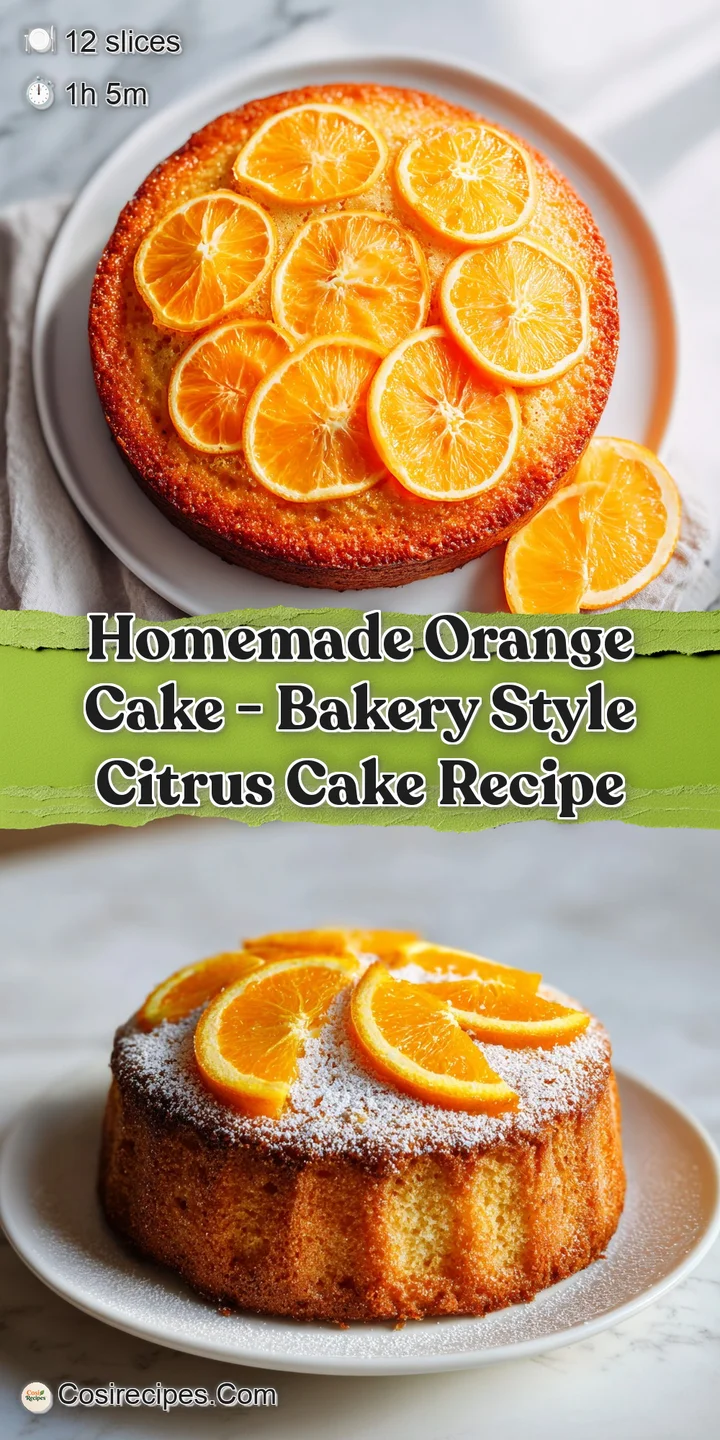
Recipe FAQs
How to make an easy orange cake?
Simmer fresh orange juice until reduced by half, then whisk your dry ingredients before incorporating olive oil and Greek yogurt. Finish by mixing in the eggs and cooled reduction, pouring into your pan, and baking at 350°F for 45 minutes.
What type of flour is best for orange cake?
All-purpose flour combined with almond meal produces the best crumb for this recipe. The almond meal adds moisture and a subtle nuttiness that pairs beautifully with the citrus notes.
Can I use fresh orange juice directly in the batter without reducing it?
No, you must reduce the juice first. Simmering the 1 cup of juice down to 1/2 cup concentrates the flavor and ensures the liquid ratio is correct, preventing a soggy cake. If you enjoyed Honey in 30 Minutes recipe here, you will find it equally essential for intensifying fruit profiles in other baked dishes.
What is the 1234 cake rule and does it apply here?
False, this is a distinct recipe that uses the reverse creaming method rather than the classic 1-2-3-4 pound cake ratio. We prioritize moisture from Greek yogurt and olive oil to complement the fresh orange zest.
How to tell when the orange cake is done baking?
Insert a skewer into the center of the loaf or cake pan at the 45-minute mark. The cake is perfectly baked when the skewer comes out clean without any wet batter attached.
How to prevent the orange glaze from becoming too thin?
Use exactly the 2 tablespoons of reserved orange reduction when whisking with your powdered sweetener. If it seems too loose, add a tiny bit more sweetener until it reaches a thick, pourable consistency.
Is it necessary to use room temperature eggs?
Yes, room temperature eggs emulsify much better with the Greek yogurt and olive oil. Using cold eggs can cause the fat to seize, resulting in an uneven batter texture.
Homemade Orange Cake
Ingredients:
Instructions:
Nutrition Facts:
| Calories | 273 kcal |
|---|---|
| Protein | 5.2 g |
| Fat | 12.7 g |
| Carbs | 35.5 g |
| Fiber | 1.2 g |
| Sugar | 22.1 g |
| Sodium | 118 mg |
