20 Minute Honey Garlic Shrimp Rice
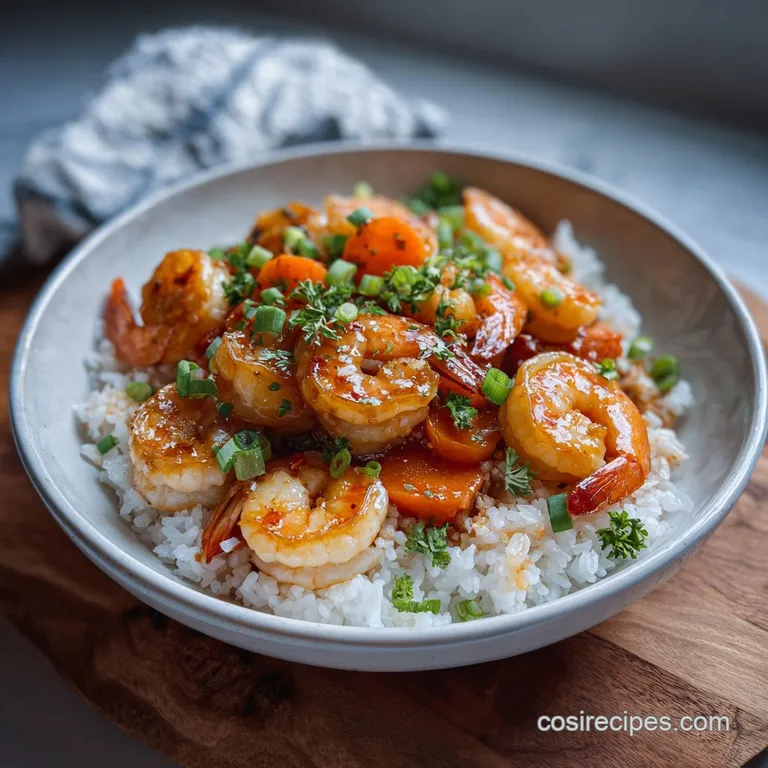
- Time: Active 10 mins, Passive 10 mins, Total 20 mins
- Flavor/Texture Hook: Velvety honey glaze meets vibrant, crispy tender broccoli florets
- Perfect for: Busy weeknights when you need a healthy, high protein fix
- Mastering 20 Minute Honey Garlic Shrimp Rice
- The Sticky Viscosity Secret
- Comparing Cooking Methods for Shrimp
- Analyzing Our Key Flavor Components
- Gathering Your Fresh Recipe Essentials
- Tools for Fast Kitchen Success
- From Prep to Finished Plate
- Solving Common Kitchen Cooking Issues
- Creative Flavor Twists to Try
- Scaling Recipes for Any Size
- Myths About Cooking With Honey
- Keeping and Heating Your Leftovers
- Best Sides to Serve Alongside
- Recipe FAQs
- 📝 Recipe Card
Mastering 20 Minute Honey Garlic Shrimp Rice
The sizzle of cold shrimp hitting a hot cast iron pan is the sound of a Tuesday night saved. I remember one specific evening when the rain was drumming against the window and I was seconds away from ordering overpriced takeout that would arrive soggy and cold.
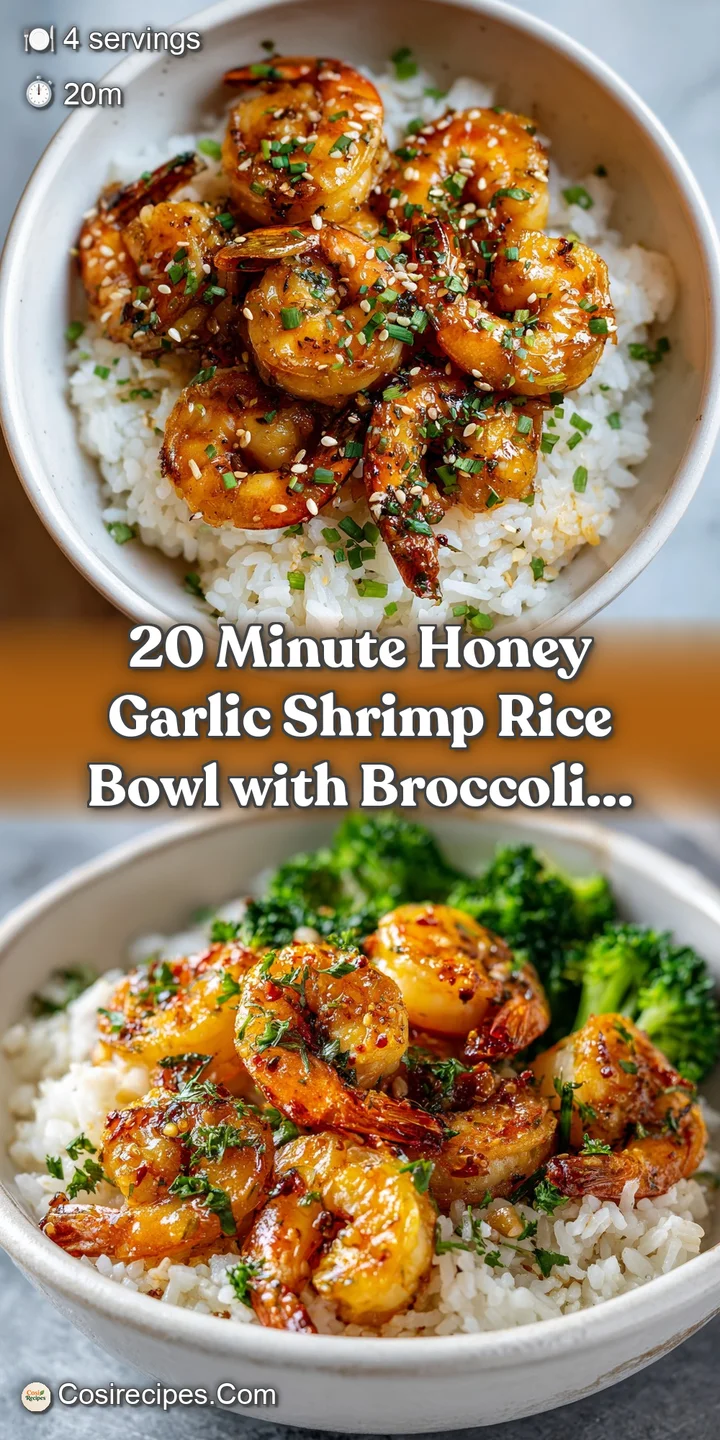
Instead, I grabbed a bag of frozen shrimp and some broccoli, and within the time it took for the rice cooker to beep, I had a meal that looked like it came from a professional kitchen. This recipe delivers a complete 20 Minute Honey Garlic Shrimp Rice Bowl with Broccoli, perfect for a quick and delicious meal.
The aroma of ginger and garlic hitting the oil is enough to change your entire mood after a long day. I’ve made this more times than I can count, and the secret isn't in complicated techniques, but in how you layer the flavors to ensure the shrimp stays snappy rather than rubbery.
You get that glossy, restaurant style finish without the heavy cornstarch slurries or excess sodium found in bottled sauces.
We’ve all been there where the garlic burns before the shrimp is cooked, or the broccoli turns into a mushy mess. I’m sharing the exact order of operations I use to keep everything vibrant and fresh.
It’s about timing the high heat and knowing exactly when to pull the pan off the burner to let the residual heat finish the job.
The Sticky Viscosity Secret
Sugar Reduction Density: The raw honey contains natural enzymes and sugars that thicken into a velvety glaze through evaporation rather than just starch, creating a superior cling to the shrimp.
Aromatic Infusion: Adding the ginger and garlic to the oil first creates a flavored fat base that carries the seasoning into the cellular structure of the broccoli during the steam fry phase.
Comparing Cooking Methods for Shrimp
| Method | Time | Texture | Best For |
|---|---|---|---|
| Stovetop Skillet | 4-6 minutes | Crispy edges, snappy bite | Deep caramelization and speed |
| oven-roasted | 8-10 minutes | Evenly tender, juicy | Hands off prep for large batches |
| Air Fryer | 5-7 minutes | Firm and slightly charred | Achieving a "fried" feel with less oil |
Choosing the stovetop method for this specific dish allows you to monitor the glaze closely. If you are craving that restaurant style char on your grains, you might also like my Hibachi Fried Rice recipe. The stovetop gives you total control over the Maillard reaction, ensuring those little brown bits of flavor stick to the shrimp and not just the bottom of your pan.
Analyzing Our Key Flavor Components
| Ingredient | Science Role | Pro Secret |
|---|---|---|
| Large Shrimp | Lean Protein | Pat them bone dry with paper towels to ensure a sear instead of a steam. |
| Raw Honey | Glazing Agent | Use room temperature honey so it emulsifies instantly with the soy sauce. |
| Fresh Ginger | Enzyme Tenderizer | Grate it directly over the pan to catch all the flavorful juices. |
| Rice Vinegar | Acid Balance | This cuts through the heavy sweetness of the honey to brighten the finish. |
Each element plays a part in the texture. The avocado oil has a high smoke point, meaning we can get the pan screaming hot without the oil breaking down or tasting bitter. If you find yourself out of rice vinegar, a squeeze of fresh lime juice works wonders too.
Gathering Your Fresh Recipe Essentials
- 1 lb large shrimp: Peeled and deveined. Why this? Larger shrimp stay juicier during the over high heat searing process. (Sub: Scallops or diced chicken breast)
- 2 cups broccoli florets: Bite sized pieces. Why this? The "trees" catch the honey sauce perfectly in their canopy. (Sub: Snap peas or sliced bell peppers)
- 1/3 cup raw honey: The primary sweetener. Why this? It provides a floral depth that white sugar lacks. (Sub: Maple syrup for a woodsy flavor)
- 1/4 cup low sodium soy sauce: For the salt and umami. (Sub: Tamari for a gluten-free version)
- 3 cloves garlic: Minced fresh. (Sub: 1 tsp garlic powder in a pinch)
- 1 tsp fresh ginger: Grated. (Sub: 1/4 tsp ground ginger)
- 2 tbsp avocado oil: For over high heat sautéing. (Sub: Grapeseed or light olive oil)
- 1 tbsp rice vinegar: For essential acidity. (Sub: Apple cider vinegar)
- 1 tsp cornstarch: To tighten the sauce. (Sub: Arrowroot powder)
- 3 cups cooked jasmine rice: The aromatic base. (Sub: Brown rice or cauliflower rice)
- 2 green onions & 1 tsp sesame seeds: For the final garnish.
Tools for Fast Kitchen Success
You don't need a pantry full of gadgets, but a heavy bottomed skillet is non negotiable here. A cast iron pan or a stainless steel skillet (like a 12 inch All Clad) will hold heat much better than thin aluminum. This prevents the temperature from dropping when you add the cold shrimp.
I also recommend a microplane for the ginger. It turns the root into a fine paste that melts into the sauce rather than leaving you with woody chunks to chew on. A sturdy pair of silicone tipped tongs is my favorite way to flip the shrimp individually to ensure both sides get that beautiful golden hue.
From Prep to Finished Plate
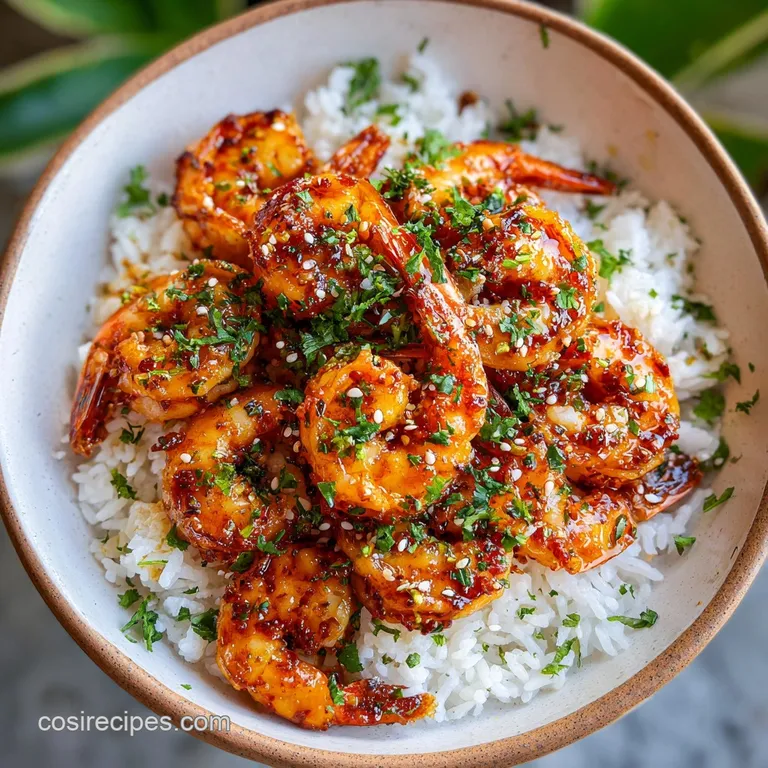
- Whisk the glaze. Combine the 1/3 cup honey, 1/4 cup soy sauce, 1 tbsp rice vinegar, and 1 tsp cornstarch in a small bowl. Note: Mixing the starch now prevents lumps later.
- Dry the protein. Pat the 1 lb shrimp with paper towels until they are completely dry to the touch.
- Heat the skillet. Add 1 tbsp avocado oil to the pan over medium high heat until the oil shimmers and barely smokes.
- Sear the shrimp. Place shrimp in a single layer and cook for 2 minutes per side until pink and opaque. Remove from the pan and set aside.
- Sauté aromatics. Lower heat to medium, add the remaining 1 tbsp oil, then toss in the 3 cloves garlic and 1 tsp ginger for 30 seconds until fragrant and golden.
- Steam fry broccoli. Add the 2 cups broccoli florets and 2 tbsp of water; cover with a lid for 2 minutes until vibrant green and tender crisp.
- Reduce the sauce. Pour the honey mixture into the pan with the broccoli, stirring constantly until the liquid bubbles and thickens.
- Reincorporate shrimp. Add the cooked shrimp back into the pan, tossing to coat until every piece is glossy and warm.
- Prepare the base. Fluff the 3 cups of cooked jasmine rice and portion it into four bowls.
- Garnish and serve. Top the shrimp and broccoli over the rice, finishing with sliced green onions and toasted sesame seeds.
Solving Common Kitchen Cooking Issues
Why Your Shrimp Is Rubbery
If the shrimp feels like a bouncy ball, it stayed in the heat too long. Shrimp continues to cook for a minute even after you pull it off the stove. Always remove them the second they form a "C" shape; if they curl into an "O", they are overdone.
Why Your Sauce Is Watery
Usually, this happens if the broccoli wasn't drained or if the cornstarch wasn't whisked into the cold liquid first. If it's too thin, turn the heat up for 60 seconds. The bubbles will get larger and more viscous as the water evaporates.
| Problem | Root Cause | Solution |
|---|---|---|
| Burnt Garlic | Heat was too high or added too early | Add garlic only after the pan has slightly cooled from the shrimp sear. |
| Sclumpy Sauce | Cornstarch added to hot liquid | Always slurry cornstarch in room temp liquid before adding to the pan. |
| Gray Shrimp | Pan was overcrowded | Cook shrimp in two batches so they sear instead of steaming. |
Common Mistakes Checklist
- ✓ Never skip drying the shrimp; moisture is the enemy of a good sear.
- ✓ Use low sodium soy sauce to avoid an over salted finish as the sauce reduces.
- ✓ Don't walk away from the pan once the honey goes in; it can burn in seconds.
- ✓ Ensure the rice is hot before serving so it doesn't chill the sauce.
- ✓ Grate the ginger fresh instead of using the jarred stuff for a cleaner bite.
Creative Flavor Twists to Try
If you want a spicy kick, add a teaspoon of red chili flakes or a dollop of gochujang to the honey mixture. It transforms the dish into a "hot honey" experience that is incredible with the sweet shrimp. For summer nights, I often swap the bowl format for my Grilled Shrimp Skewers recipe.
For a lower carb version, replace the jasmine rice with cauliflower rice. Since cauliflower rice releases more water, I suggest sautéing it separately in a dry pan first to toast the grains before adding them to the bowl. It keeps the texture from becoming "mushy" when it hits that velvety honey glaze.
Scaling Recipes for Any Size
When doubling this recipe for a crowd, do not double the shrimp in the pan at once. You must work in batches to maintain the sear. If you crowd the pan, the temperature drops, the shrimp release juice, and they will boil in their own liquid, becoming tough and gray.
For the sauce, you can double it exactly, but you may need an extra minute of simmering time to reach that desired thickness. If you're cooking for one, the recipe halves beautifully just use a smaller 8 inch skillet to ensure the sauce doesn't evaporate too quickly.
Myths About Cooking With Honey
One common myth is that honey loses all its nutrients when heated. While some delicate enzymes break down, the flavor and texture benefits remain. Another misconception is that you need a lot of oil to keep honey from sticking. In reality, the soy sauce acts as a buffer.
As long as you keep the ingredients moving in the pan, the honey will create a beautiful emulsion rather than a sticky mess on your cookware.
Keeping and Heating Your Leftovers
Storage: This keeps well in an airtight container in the fridge for up to 3 days. I don't recommend freezing the assembled bowl, as the broccoli loses its structural integrity and the shrimp can become grainy.
Zero Waste: If you have leftover sauce at the bottom of the pan, toss in some cold leftover rice the next morning with a fried egg for a quick breakfast stir fry. Any leftover broccoli stems can be thinly sliced and added to a salad for an extra crunch.
Reheating: To keep the shrimp tender, reheat in a skillet over medium low heat with a splash of water. This creates steam that thins the sauce and warms the protein without overcooking it. Avoid the microwave if possible, as it tends to turn shrimp into rubber.
Best Sides to Serve Alongside
This bowl is quite a powerhouse on its own, but a side of quick pickled cucumbers provides a refreshing, acidic contrast to the rich honey. I also love serving this with a simple miso soup to start. The savory broth preps the palate for the sweet and salty layers of the main dish.
If you're looking for more variety in your meal prep, this shrimp pairs exceptionally well with a Taco Rice Bowls recipe style setup, where you can swap the Asian aromatics for lime and cilantro. For a Southern twist on the rice base, try it with a Charleston Red Rice recipe to bring a smoky tomato depth to the meal.
Recipe FAQs
Can I substitute brown sugar for honey in this 20-minute recipe?
No, the texture will suffer. Honey provides necessary moisture and a unique enzymatic tenderness that white sugar or brown sugar cannot replicate in a quick reduction.
How to ensure the shrimp stays snappy and not rubbery during the quick sear?
Pat the shrimp completely dry before adding them to the hot oil. Excess moisture causes the shrimp to steam instead of sear, resulting in a tough texture.
How to manage the high heat required without burning the minced garlic?
Add the garlic only after searing the shrimp and reducing the heat slightly. Cook the garlic for only 30 seconds until fragrant, then immediately introduce the liquid components to stop the cooking process.
Is it true that I must cook the shrimp in multiple batches for a good crust?
Yes, overcrowding the pan is the fastest way to ruin the sear. If the pan is too full, the temperature drops significantly, causing the shrimp to boil in their own released liquid instead of caramelizing.
What is the best way to thicken the sauce quickly if it looks too thin after adding the shrimp back in?
Increase the heat to medium high and let it bubble vigorously for 60 seconds. The pre-mixed cornstarch slurry should activate quickly, but sustained, rapid evaporation tightens the glaze faster.
How can I add a spicy kick without altering the fundamental honey garlic balance?
Whisk in red chili flakes or a small amount of Gochujang with the honey sauce ingredients. If you enjoy mastering heat balance, see how we achieve similar flavor modulation in our Blackened Mahi Mahi recipe by building layers of spice.
How long can I safely store the leftover honey garlic sauce separately from the rice?
The sauce keeps well for up to three days in an airtight refrigerator container. For the best results when reheating, always combine the sauce with a splash of water and gently warm it in a skillet to reactivate the glaze.
Honey Garlic Shrimp Rice
Ingredients:
Instructions:
Nutrition Facts:
| Calories | 447 kcal |
|---|---|
| Protein | 27.8 g |
| Fat | 9.4 g |
| Carbs | 61.6 g |
| Fiber | 2.1 g |
| Sugar | 24.2 g |
| Sodium | 615 mg |
