Japanese Clear Onion Soup Recipe
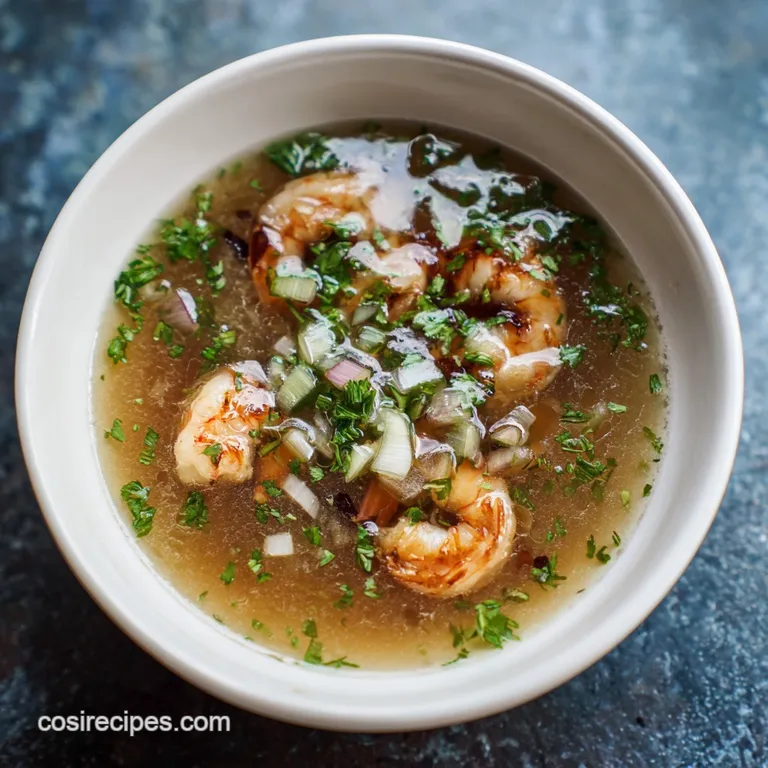
- Time: Active 10 minutes, Passive 30 minutes, Total 40 minutes
- Flavor/Texture Hook: A velvety, umami rich broth with a clean ginger finish and silky mushroom slices.
- Perfect for: A light appetizer, meal prep for the week, or completing a full hibachi style dinner at home.
- Secrets to the Best Japanese Clear Onion Soup
- The Science Behind This Addictive Golden Broth
- Essential Components for a Flavorful Clear Broth
- Essential Kitchen Gear for Professional Quality Results
- Mastering the Technique for a Perfect Simmer
- Common Mistakes to Avoid for Better Results
- Simple Swaps for a Healthier Clear Soup
- Storage Guidelines for Keeping Your Broth Fresh
- Creative Ideas for Serving Your Clear Soup
- High in Sodium ⚠️
- Recipe FAQs
- 📝 Recipe Card
Secrets to the Best Japanese Clear Onion Soup
The moment you sit down at a hibachi table, before the flames jump and the shrimp fly, there is that smell. It is a mix of toasted garlic, sharp ginger, and something deeply savory that hits the back of your throat. For the longest time, I thought this was just a simple beef broth with a few scallions thrown in.
I was so wrong. My first few attempts at home were thin, watery, and honestly, a bit depressing.
I realized that to get that restaurant quality flavor, you have to treat the vegetables like they are the stars of the show, not just an afterthought. You want to hear that initial sizzle when the onions hit the hot oil.
You need to see them turn a deep, golden brown because that color is exactly where the flavor lives. This isn't just about boiling water; it's about building layers of taste that feel light on the tongue but complex in the belly.
We've all been there, staring at a bowl of "onion water" wondering where we went wrong. Trust me on this: the secret is in the dual stock method and the char. Once you decode that specific ratio of chicken to beef broth, you will never look at a carton of plain stock the same way again.
It’s a simple side dish that, when done right, becomes the most addictive part of the meal. Let’s crack on and get this bubbling.
The Science Behind This Addictive Golden Broth
Maillard Infusion: Browning the onions and carrots before adding liquid creates new flavor compounds that aren't present in raw or boiled vegetables. This adds a toasted, nutty depth that mimics the flavor of a grill.
The Dual Stock Synergy: Combining 4 cups of chicken broth with 2 cups of beef broth provides a balanced profile. The chicken broth offers a light, velvety mouthfeel, while the beef broth supplies the darker, savory umami notes required for a "meaty" finish without the heaviness.
Aromatic Extraction: Crushing the garlic and smashing the ginger increases the surface area exposed to the hot oil. This allows the essential oils to release rapidly, ensuring the broth is permeated with a sharp, spicy bite that cuts through the salt.
| Cooking Method | Total Time | Flavor Depth | Best For |
|---|---|---|---|
| Traditional Stovetop | 40 minutes | Maximum depth; develops complex charred notes | Recreating the authentic steakhouse experience |
| Pressure Cooker | 20 minutes | High extraction; very clear liquid | Quick weeknight meals with intense ginger punch |
| Slow Cooker | 4 hours | Mellow, integrated flavors | Hands off prep for large dinner parties |
If you want a lighter, more refreshing starter, use only chicken broth and increase the ginger to a 2 inch piece. For a richer, more "beefy" experience similar to a French onion hybrid, reverse the broth ratios but keep the soy sauce consistent.
If you are short on time, you can skip the vegetable chopping and use whole halves of onions and large chunks of carrot, though you'll lose some of that beautiful caramelization.
Essential Components for a Flavorful Clear Broth
| Component | Science Role | Pro Secret |
|---|---|---|
| Fresh Ginger | Provides "heat" and acts as a digestive aid. | Smashing it with the flat of a knife releases juices better than slicing. |
| Dual Broth Base | Creates a complex protein profile. | Always use low sodium versions so you can control the final seasoning precisely. |
| Neutral Oil | Carries the flavor of the aromatics. | Avocado oil or grapeseed oil works best as they won't smoke during the over high heat sear. |
| Soy Sauce | Adds salinity and a dark golden hue. | Use a brewed soy sauce like Kikkoman for a more fermented, traditional depth. |
For the full hibachi experience, you really need to get the garnishes right. The white button mushrooms should be sliced so thin they are almost translucent. This allows them to soften instantly when they hit the hot liquid. If you love this flavor profile, you might also want to try making a Mustard Dipping Sauce recipe to serve alongside your main course.
- 1 large yellow onion, roughly chopped Why this? Provides the foundational sweetness and classic aroma.
- 2 medium carrots, sliced into rounds Why this? Adds natural sugar and a vibrant golden tint.
- 2 stalks celery, roughly chopped Why this? Contributes a savory, herbal backbone to the liquid.
- 1 inch piece of fresh ginger, smashed Why this? The signature spicy "kick" that defines Japanese clear soup.
- 2 cloves garlic, crushed Why this? Adds a pungent depth that rounds out the ginger.
- 1 tbsp neutral oil Why this? Used to sear the vegetables and extract their flavors.
- 4 cups high-quality chicken broth Why this? The light, savory base of the dual stock system.
- 2 cups high-quality beef broth Why this? Provides the necessary umami and dark color.
- 1 cup water Why this? Prevents the broth from becoming overly salty during reduction.
- 1 tbsp soy sauce Why this? Seasoning and color enhancement.
- 0.5 tsp salt Why this? Tightens the flavors and brings out the sweetness of the carrots.
- 1 cup white button mushrooms, paper thinly sliced Why this? The classic texture rich garnish.
- 0.5 cup scallions, finely sliced Why this? Adds a fresh, sharp bite at the very end.
Essential Kitchen Gear for Professional Quality Results
To get that restaurant style clarity, you don't need fancy gadgets, but a few specific tools make a massive difference. A heavy bottomed pot, like a Dutch oven or a high-quality stockpot, is crucial.
It holds heat evenly, which is exactly what you want when you're trying to char those onions without burning them to a crisp. If your pot is too thin, the vegetables will scorch, giving the soup a bitter, burnt taste rather than a sweet, roasted one.
The second most important tool is a fine mesh strainer. You are going to be simmering all these vegetables to get their essence, but you don't actually eat the boiled to mush onions and carrots. You want a liquid that is as clear as glass.
I often line my strainer with a layer of cheesecloth to catch every single tiny bit of sediment. It’s that extra step that makes people ask, "Wait, did you actually make this yourself?"
| Tool | Substitute | Why It Works |
|---|---|---|
| Fine Mesh Strainer | Cheesecloth or clean tea towel | Removes all solids for a translucent finish. |
| Heavy Stockpot | Deep skillet or Dutch oven | Provides even heat distribution for consistent searing. |
| Chef's Knife | Mandoline slicer | Essential for getting those mushrooms paper thin. |
Having a sharp knife is also non negotiable here. When you are slicing those mushrooms and scallions, you want clean cuts. If your knife is dull, you’ll end up crushing the scallions, which releases a bitter juice instead of those bright, oniony rings.
Take the time to sharpen your blade before you start; your garnishes will thank you.
Mastering the Technique for a Perfect Simmer
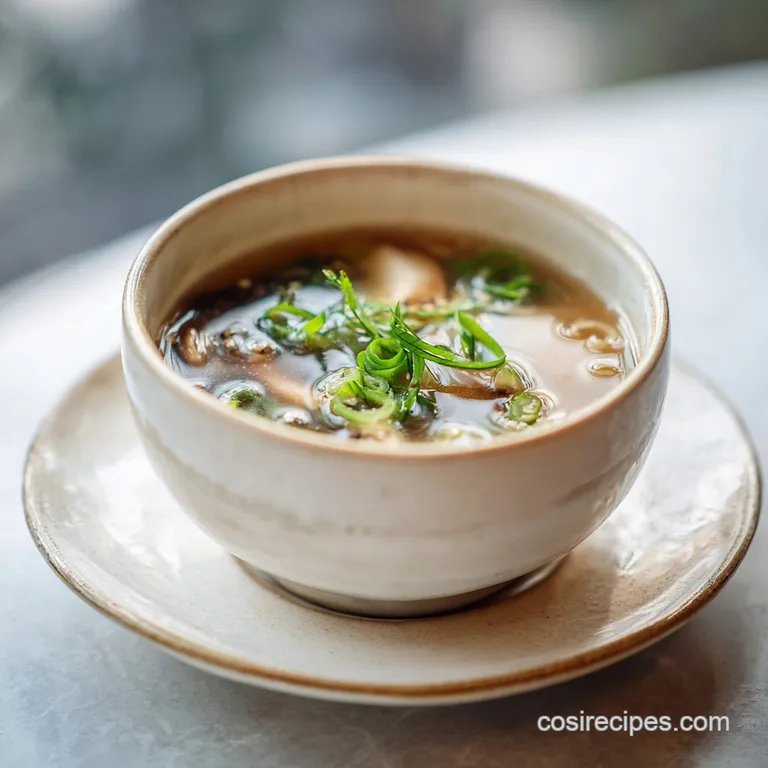
- Heat the 1 tbsp neutral oil in a large stockpot over medium high heat until it shimmers and whisps of smoke appear.
- Add the chopped yellow onion, sliced carrots, and celery to the pot. Note: This is the foundation of your flavor.
- Sauté the vegetables for 5 to 7 minutes until the onion edges are deeply browned and caramelized.
- Stir in the smashed ginger and crushed garlic, cooking for 1 minute until the aroma fills the kitchen.
- Pour in the 4 cups chicken broth, 2 cups beef broth, and 1 cup water.
- Add the 1 tbsp soy sauce and 0.5 tsp salt, stirring to scrape up any browned bits from the bottom. Note: These bits are "fond" and hold concentrated flavor.
- Bring the liquid to a boil, then immediately reduce the heat to low.
- Simmer uncovered for 30 minutes until the liquid has slightly reduced and turned a clear, golden amber.
- Strain the broth through a fine mesh strainer into a clean pot or bowl, discarding the solids.
- Serve hot in small bowls, topping each with the raw mushroom slices and sliced scallions until they wilt slightly from the heat.
Chef's Tip: If you want an even deeper color without adding more sodium, save the dry, clean outer skins of the onion and simmer them with the broth. They act like a natural tea bag, providing a gorgeous mahogany tint and extra antioxidants.
This light starter is the perfect way to begin a meal that features a Hibachi Steak Recipe. The clean, gingery notes of the soup help cleanse the palate between bites of rich, buttery steak and fried rice.
Common Mistakes to Avoid for Better Results
Why Your Soup Is Cloudy
If your broth looks muddy instead of clear, you likely let it boil too vigorously. High heat causes the fats and proteins to emulsify with the water, creating a cloudy appearance. Always keep the liquid at a gentle simmer just a few bubbles breaking the surface now and then.
Why Your Broth Is Bland
Usually, this happens because the vegetables weren't browned enough at the start. If you just toss the onions and carrots into the water, you're missing out on the toasted sugars that give the soup its personality. Another culprit is using low quality broth.
Since the liquid is the main event, use the best stock you can find or make.
| Problem | Root Cause | Solution |
|---|---|---|
| Bitter Aftertaste | Garlic or ginger burned during the sauté. | Only add garlic and ginger in the last minute of sautéing. |
| Overly Salty | Broth reduced too much or soy sauce was heavy. | Add 1/2 cup of water to dilute and re balance. |
| Greasy Surface | Too much oil used for the initial sauté. | Skim the surface with a cold spoon or use a fat separator. |
Common Mistakes Checklist
- ✓ Pat vegetables dry before sautéing to ensure they brown instead of steaming.
- ✓ Never let the broth reach a rolling boil once the lid is off; low and slow is key.
- ✓ Strain the broth twice if you see any small particles floating around.
- ✓ Use white button mushrooms specifically; cremini or shiitake are too earthy for this delicate profile.
- ✓ Add the garnishes at the very last second so they stay fresh and snappy.
Simple Swaps for a Healthier Clear Soup
Adjusting this recipe for smaller or larger groups is quite simple, but you have to be careful with the aromatics. If you are cutting the recipe in half, don't just use half an onion; use the whole onion but cut the broth. The onion provides the bulk of the flavor, and you want that concentration.
When doubling the recipe for a party, you don't necessarily need to double the oil. Use just enough to coat the bottom of your larger pot. However, you should definitely double the ginger and garlic to maintain that signature "bite." If you're looking for another classic pairing, consider serving this alongside a Hibachi Shrimp Recipe for a lighter, seafood focused dinner.
| Original Ingredient | Substitute | Why It Works |
|---|---|---|
| Chicken/Beef Broth | Vegetable Stock (high-quality) | Provides a meat free base. Note: Add a piece of dried kombu for extra umami. |
| Soy Sauce | Tamari or Liquid Aminos | Makes the dish gluten-free while maintaining the savory profile. |
| White Button Mushrooms | Sliced Radishes | Adds a similar crunch and visual appeal if you dislike mushrooms. |
For a low sodium variation, replace the soy sauce with a splash of rice vinegar and a pinch of white pepper. The vinegar provides a brightness that tricks the tongue into thinking there is more salt than there actually is. This keeps the soup healthy without sacrificing that addictive quality we all love.
Storage Guidelines for Keeping Your Broth Fresh
You can keep the strained broth in an airtight container in the fridge for up to 4 days. In fact, I often think the flavor is better on day two because the ginger and garlic have had more time to meld. Just make sure you store the garnishes (the mushrooms and scallions) separately.
If you put them in the hot soup and then refrigerate it, they will turn into a soggy mess.
Freezing this soup is a brilliant move for meal prep. It stays fresh in the freezer for up to 3 months. I like to freeze it in silicone muffin molds or ice cube trays, then pop the frozen blocks into a freezer bag.
This way, if I just want a single mug of warm ginger broth on a cold afternoon, I can heat up exactly what I need.
To reheat, simply bring the broth back to a simmer on the stovetop. Avoid the microwave if you can, as it can sometimes heat unevenly and change the delicate aroma of the ginger. Once it's piping hot, drop in your fresh mushroom slices and scallions. For a zero waste tip, don't throw away those celery leaves!
Chop them up and throw them in with the scallions; they add a wonderful, bright celery punch that most people overlook.
Creative Ideas for Serving Your Clear Soup
Presentation is half the battle with a dish this simple. In a restaurant, they usually serve this in small, deep ceramic bowls. To replicate that at home, make sure the broth is screaming hot when it hits the bowl.
This "flash cooks" the mushrooms, softening them just enough so they are silky but still have a bit of a bite.
If you want to get fancy, you can add a few drops of toasted sesame oil right before serving. It adds a nutty aroma that perfectly complements the charred onions. Some people also like to add "tempura flakes" or "tenkasu" for a bit of crunch.
It’s not strictly traditional for the clear onion soup, but it adds a fun texture that kids especially seem to love.
Another great way to enjoy this is as a base for a more substantial meal. You can drop in some frozen gyoza or a bundle of ramen noodles for a quick lunch. However, if you are sticking to the classic hibachi style, keep it simple. The beauty of the Japanese clear onion soup is its simplicity. It’s meant to be a light, cleansing prelude to a meal of Homemade Hibachi Noodles, leaving you satisfied but ready for the main event.
Deciphering the Searing Myth
Many people think you should only sauté vegetables until they are soft. In this recipe, that is a mistake. You want to see actual brown spots on the onions. This is not "burning"; it is the Maillard reaction.
This process creates hundreds of different flavor compounds that give the soup its characteristic "roasted" taste. Without that char, you just have vegetable water.
The Truth About Clarity
There is a myth that you need to use egg whites to clarify a soup (a traditional consommé technique). While that works, it's totally unnecessary for a home cook. If you follow the "never boil" rule and use a fine mesh strainer, your broth will be plenty clear.
The tiny bit of cloudiness that might remain actually holds a lot of flavor, so don't stress about making it look like distilled water.
High in Sodium ⚠️
920 mg mg of sodium per serving (40% % of daily value)
The American Heart Association recommends limiting sodium intake to approximately 2,300mg per day.
Sodium Reduction Tips for this Recipe
-
Low-Sodium Broth-30%
Replace both the chicken and beef broth with low-sodium or no-salt added versions. This simple swap can significantly reduce the sodium content of the broth base.
-
Reduce Added Salt-25%
Halve the amount of salt added from 0.5 tsp to 0.25 tsp, or eliminate it completely. Taste the broth after cooking and adjust if needed, but remember other ingredients contribute sodium.
-
Lower Sodium Soy Sauce-20%
Replace the regular soy sauce with a low-sodium soy sauce. Alternatively, use a smaller amount of regular soy sauce.
-
Fresh Mushrooms
While the mushrooms themselves are not a high sodium source, ensure they are fresh and not pre-seasoned or marinated in a salty sauce.
-
Flavor with Herbs & Spices
Enhance the flavor of the broth with fresh or dried herbs (like thyme, bay leaf, or parsley) and spices (like black pepper, garlic powder - not garlic salt, or onion powder) instead of relying on salt.
-
Dilute with Water-10%
Increase the amount of water added to the broth by 0.5 - 1 cup to dilute the sodium concentration slightly without significantly affecting the flavor profile. Taste and adjust seasonings accordingly.
Recipe FAQs
What is Japanese clear soup made of?
It is made from a dual stock base featuring beef and chicken broth. The core flavor is built by charring yellow onions, carrots, ginger, and garlic before simmering them slowly. This process creates the signature savory depth associated with steakhouse appetizers.
Is clear soup the same as onion soup?
No, though they share the main aromatic ingredient. Traditional French onion soup is heavy, cheese topped, and rich with caramelized onions, whereas Japanese clear soup is light, broth forward, and relies on a dual stock system for savory flavor.
How healthy is Japanese clear soup?
Generally, yes, it is quite healthy. It is very low in fat, provided you skim the initial oil, and is rich in flavor from vegetables and herbs like ginger. It serves as a light, hydrating starter to a larger meal.
What is the difference between clear soup and miso soup?
The primary difference is the base seasoning and texture. Clear soup uses stock seasoned with soy sauce for a translucent, savory broth, while miso soup is opaque and creamy due to the inclusion of dissolved fermented soybean paste.
How do I achieve that deep, restaurant quality brown color in the broth?
Sear the chopped onions and carrots over medium high heat until they are deeply caramelized. This process, the Maillard reaction, creates the necessary flavor compounds and deep amber tint, rather than just boiling the vegetables.
Can I make this soup ahead of time?
Yes, the broth is excellent for meal prep. You can simmer and strain the broth up to four days in advance and store it in the refrigerator. Just remember to add the fresh mushrooms and scallions right before you reheat and serve it.
Is it true that using only chicken broth results in a bland soup?
No, that is only true if you skip the charring step. You can use 100% chicken broth for a lighter profile, but you must increase the amount of fresh ginger and ensure the onions are very deeply browned to compensate for the missing savory notes of the beef stock.
Japanese Clear Onion Soup
Ingredients:
Instructions:
Nutrition Facts:
| Calories | 87 calories |
|---|---|
| Protein | 7.2 g |
| Fat | 4.6 g |
| Carbs | 3.8 g |
| Fiber | 0.9 g |
| Sugar | 1.6 g |
| Sodium | 920 mg |
