Potsticker Sauce: Savory and Zingy
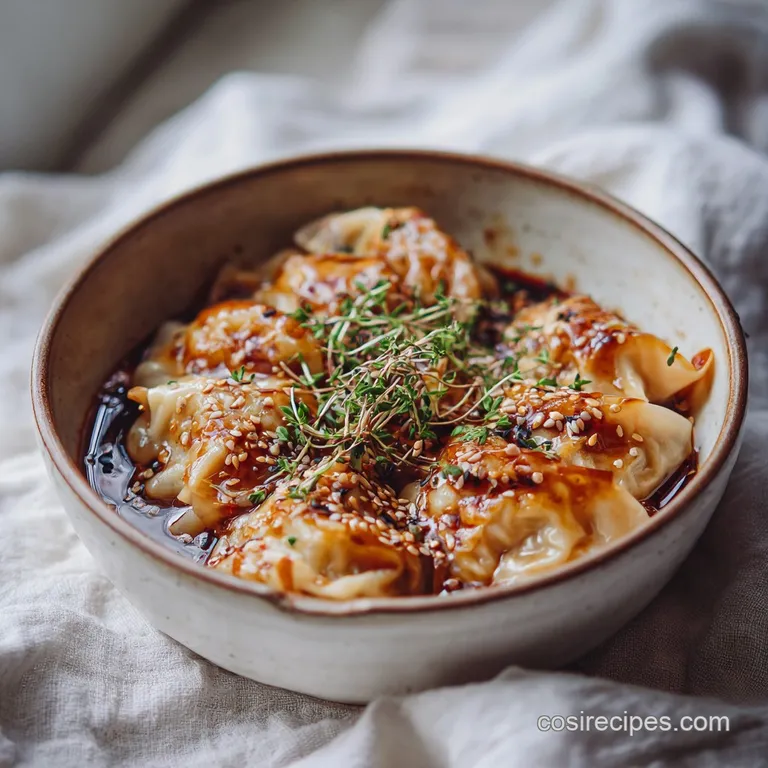
- Time: Active 5 minutes, Passive 0 minutes, Total 5 minutes
- Flavor/Texture Hook: Savory, zingy, and velvety smooth
- Perfect for: Weeknight dinners and quick appetizer parties
- Scientific Reasons for This Flavor Profile
- Ingredient Deep Dive and Analysis
- Essential Components for the Recipe
- Necessary Tools for Success
- Steps to Achieve the Perfect Blend
- Common Mistakes and Professional Fixes
- Flavors to Suit Every Palate
- Adjusting the Volume of Your Sauce
- Debunking Dipping Sauce Misconceptions
- Freshness and Saving Your Scraps
- What to Serve Alongside Your Sauce
- Very High in Sodium
- Recipe FAQs
- 📝 Recipe Card
You know that specific, salty sweet, slightly funky sauce you get at the best dim sum spots? The one that makes you want to keep dipping even after the dumplings are long gone? I spent way too much money trying to find a bottled version that tasted like that before I realized the secret isn't in a factory, it's in the ratio.
This potsticker sauce recipe is designed to decode that addictive flavor using basic pantry staples that won't break your budget.
When you make this at home, you get to control the intensity. Most store-bought options are either too sugary or just taste like thin soy sauce with a hint of vinegar. This version has a velvety weight to it because we use a quick emulsion technique with toasted sesame oil.
It’s the difference between a "fine" dinner and a "favorites" list meal.
The payoff here is immediate. You’re only 5 minutes away from a sauce that is significantly better than anything that comes in a plastic packet. We are aiming for that perfect bridge between the crispy, fried bottom of a potsticker and its juicy, savory filling.
Let's get into why these specific ingredients create such a high impact result.
Scientific Reasons for This Flavor Profile
- Acidic Softening: Adding the aromatics directly into the vinegar soy mixture uses the acetic acid to break down the harsh, biting sulfur compounds in raw garlic and ginger. This ensures you get the flavor of the aromatics without the lingering "garlic breath" or spicy burn.
- The Bridge Effect: Granulated sugar acts as a chemical bridge between the heavy saltiness of the soy sauce and the sharp acidity of the vinegar. It doesn't make the sauce "sweet" in a dessert sense, but it rounds off the jagged edges of the other flavors.
- Suspension Stability: While this isn't a permanent emulsion, whisking the toasted sesame oil in at the very end creates tiny droplets that stay suspended in the soy sauce for longer. This gives the sauce a thicker, more velvety mouthfeel that clings to the dough of the dumpling rather than just running off.
- Aromatic Infusion: By using the green parts of the scallions and toasted sesame seeds at the finish, we provide a fresh, grassy contrast to the deep, fermented notes of the base liquids.
| Strategy | Budget Choice | Premium Choice | Result Difference |
|---|---|---|---|
| Vinegar Type | White Rice Vinegar | Chinkiang Black Vinegar | Black vinegar adds a smoky, malty depth; rice vinegar is brighter and sharper. |
| Sweetener | White Sugar | Raw Honey | Honey adds a floral note and thicker texture; sugar is more neutral and cheaper. |
| Aromatic Prep | Minced Garlic | Grated Garlic (Microplane) | Grating creates a paste that dissolves, while mincing leaves small, crunchy bits. |
It is worth noting that while Chinkiang vinegar is the traditional choice for an authentic asian dumpling sauce recipe, unseasoned rice vinegar works perfectly well if you add a tiny extra pinch of sugar. The goal here is to get that addictive quality without needing a special trip to a boutique grocery store.
Ingredient Deep Dive and Analysis
| Ingredient | Science Role | Pro Secret |
|---|---|---|
| Soy Sauce | Provides the savory umami base and necessary salinity. | Use a standard "all purpose" soy sauce, not a thick dark soy, for the right fluidity. |
| Chinkiang Vinegar | Adds complex acidity and a fermented, malty aroma. | If you can't find it, mix rice vinegar with a drop of balsamic for a similar depth. |
| Toasted Sesame Oil | Adds fat for mouthfeel and a nutty, aromatic finish. | Always add this last to keep the volatile oils from dissipating too quickly. |
The foundation of any simple potsticker sauce is the quality of your soy sauce. Since it makes up the bulk of the volume, avoid the overly processed "chemical" soy sauces that often come in clear plastic bottles.
A naturally brewed soy sauce provides a much smoother saltiness that doesn't overwhelm the ginger and garlic.
Essential Components for the Recipe
The Savory Base
- 1/4 cup (60ml) Soy sauce: Why this? Provides the salty, savory backbone that defines the classic dipping experience.
- Substitute: Tamari (for gluten-free needs) or Liquid Aminos.
- 2 tbsp (30ml) Chinkiang black vinegar: Why this? Offers a unique, smoky acidity that rice vinegar alone lacks.
- Substitute: Unseasoned rice vinegar (add 1/4 tsp extra sugar).
The Aromatics & Spice
- 1 tsp (5g) Granulated sugar or honey: Why this? Balances the harshness of the acid and salt for a rounded flavor.
- Substitute: Brown sugar for a more molasses like depth.
- 1 clove Garlic, finely minced or grated: Why this? Adds a punchy, savory bite that improves as it sits.
- Substitute: 1/4 tsp garlic powder (though fresh is significantly better).
- 1/2 tsp Fresh ginger, finely grated: Why this? Provides a bright, zesty heat that cuts through the fat of the dumplings.
- Substitute: 1/8 tsp ground ginger in a pinch.
- 1/2 tsp Chili oil or red pepper flakes: Why this? Adds a customizable level of heat and visual appeal.
- Substitute: Sriracha or omit for a mild version.
The Texture Finishers
- 1 tsp (5ml) Toasted sesame oil: Why this? Creates a silky texture and adds a deep, nutty fragrance.
- Substitute: Roasted peanut oil for a different nutty profile.
- 1 tsp (5g) Scallions, green parts only, thinly sliced: Why this? Adds freshness and a slight onion y crunch.
- Substitute: Fresh chives or finely chopped cilantro.
- 1/2 tsp Toasted sesame seeds: Why this? Provides a tiny bit of texture and makes the sauce look professional.
- Substitute: Black sesame seeds for a striking visual contrast.
Necessary Tools for Success
You don't need a kitchen full of gadgets to make a great sauce recipe, but a couple of specific items make the job much easier. I highly recommend using a Microplane or a very fine grater for the garlic and ginger. When you grate these aromatics instead of chopping them, they turn into a paste.
This paste dissolves into the liquid, ensuring you get flavor in every drop rather than biting into a big chunk of raw ginger.
A small glass mixing bowl is better than plastic because garlic and chili oil can sometimes stain or leave scents in plastic containers. A small whisk is also handy, but a fork works perfectly fine if you're in a hurry.
The goal is to get that sugar dissolved and the oil temporarily suspended so the sauce feels cohesive.
Steps to Achieve the Perfect Blend
- Start the Infusion Phase. In a small glass mixing bowl, combine the 1/4 cup soy sauce and 2 tbsp Chinkiang black vinegar. Immediately add the finely grated garlic and ginger to allow the acid to soften the raw flavor of the aromatics. Note: Letting the aromatics sit in the acid for even one minute makes a huge difference in the final taste.
- Ensure Balancing the Profiles. Whisk in the 1 tsp sugar or honey until completely dissolved. Taste the mixture to ensure the sweetness bridges the salt and acidity. Wait until no grains of sugar are visible at the bottom.
- Execute The Finishing Emulsion. Slowly drizzle in the 1 tsp toasted sesame oil while whisking vigorously to form a temporary emulsion. This helps the oil distribute more evenly throughout the soy base.
- Add the texture. Stir in the 1 tsp sliced scallions and 1/2 tsp toasted sesame seeds. These should be fresh and bright.
- Adjust the heat. Add the 1/2 tsp chili oil or red pepper flakes according to your preference. Stir gently to keep the chili oil droplets large and visible.
- Rest the sauce. If you have time, let the sauce sit for 10 minutes at room temperature. This allows the ginger and garlic to fully permeate the liquid.
- Final taste check. Dip a small piece of a dumpling or even a scrap of bread into the sauce. If it feels too salty, add another tiny pinch of sugar.
- Serve immediately. Pour into individual dipping ramekins so everyone has their own portion.
Common Mistakes and Professional Fixes
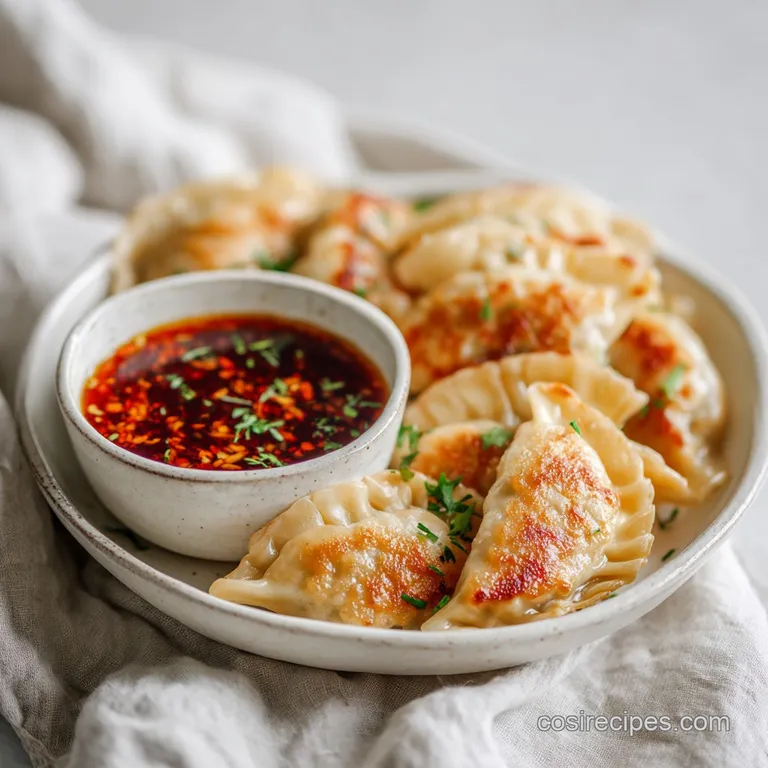
One of the biggest issues people run into with a homemade dumpling dipping sauce is the "raw" taste of the garlic. If you find the garlic too aggressive, you can actually microwave the garlic and ginger with the vinegar for about 10 seconds before adding the soy sauce.
This flash cooks the aromatics just enough to mellow them out without losing their character.
Another common pitfall is using "seasoned" rice vinegar. Seasoned rice vinegar already has sugar and salt added to it, which can throw off the balance of this specific recipe. If that's all you have, you should reduce the added sugar by half and taste as you go.
Why Your Sauce Feels Thin
If the sauce feels watery, it’s usually because the sugar wasn't fully dissolved or the sesame oil wasn't whisked in properly. The sugar adds a slight viscosity to the soy sauce that is crucial for it to "cling" to the potstickers.
| Problem | Root Cause | Solution |
|---|---|---|
| Too Salty | Soy sauce was too concentrated or low quality. | Add 1 tsp of water or a little extra sugar to dilute the saltiness. |
| Bitter Aftertaste | Ginger was old or the garlic sprout was used. | Ensure ginger is fresh; remove the green germ from the center of garlic cloves. |
| Oil Separates Fast | Oil was added too quickly without whisking. | Give the sauce a quick stir immediately before serving or dipping. |
Common Mistakes Checklist
- ✓ Don't use "light" or "low sodium" soy sauce without tasting first; you may need to add a pinch of salt.
- ✓ Never use the white parts of the scallions for the dip; they are too crunchy and sharp for this application.
- ✓ Avoid over grating the ginger; stop when you reach the fibrous woody center.
- ✓ Ensure the sesame oil is actually "toasted"; regular sesame oil has almost no flavor.
- ✓ Don't skip the resting period if you can help it; 5 to 10 minutes makes the garlic much more integrated.
Flavors to Suit Every Palate
If you want to move away from the classic gyoza sauce recipe, you can easily pivot this base. For a spicy dumpling sauce that mimics the famous versions found in Szechuan restaurants, increase the chili oil to 2 teaspoons and add a pinch of ground Szechuan peppercorns for that signature numbing sensation.
For those who want a 3 ingredient potsticker sauce for a super quick fix, you can honestly get 80% of the way there with just soy sauce, rice vinegar, and sesame oil. It won't have the "decode" restaurant quality we’re looking for, but it works in a pinch. If you're looking for something more complex, similar to a Mustard Dipping Sauce recipe, you could even add a teaspoon of hot Chinese mustard to this base for a sinus clearing kick.
2 Flavor Twists
- The Citrus Variant: Swap half of the vinegar for fresh lime juice and add a bit of lime zest. This makes it much brighter and works beautifully with shrimp filled potstickers.
- The Sweet Heat: Use honey as the sweetener and double the chili oil, adding a tiny splash of pineapple juice for a tropical, spicy vibe.
2 Diet Swaps
- gluten-free: Use Tamari or Coconut Aminos in a 1:1 ratio for the soy sauce. Note that Coconut Aminos are sweeter, so you may want to omit the extra sugar.
- Keto Friendly: Replace the sugar or honey with a liquid monk fruit sweetener or erythritol to keep the carbs near zero while maintaining the flavor balance.
Adjusting the Volume of Your Sauce
Scaling this sauce is incredibly easy because it’s mostly about ratios. However, when you go up in volume, you have to be careful with the aromatics.
- Scaling Down (Single Serving): If you just need a tiny bit for a midnight snack, use 1 tablespoon of soy sauce and 1/2 tablespoon of vinegar. Use just a tiny pinch of garlic and ginger.
- Scaling Up (Party Size): For a big batch (8-10 people), quadruple the liquids but only triple the garlic and ginger. Aromatics tend to get much stronger as volume increases, and you don't want the garlic to become the only thing people taste. For the spices, start with 1.5x and add more only after tasting.
When making a huge batch for a party, I suggest keeping the scallions and sesame seeds in a separate bowl and sprinkling them on top of the dipping bowls right before guests arrive. This keeps the greens looking vibrant rather than wilted.
Debunking Dipping Sauce Misconceptions
One major myth is that you need to cook the sauce on the stove to "meld" the flavors. While some sauces benefit from heat, this potsticker sauce recipe is designed for fresh, sharp flavors.
Heating it can actually mute the brightness of the vinegar and make the garlic taste "tinny." Cold infusion is the professional secret here.
Another misconception is that the "red oil" in restaurant sauces is just hot sauce. It's actually almost always a specific chili oil made by infusing neutral oil with dried chilies and aromatics like star anise.
If you use a standard hot sauce like Tabasco, the vinegar in the hot sauce will clash with the vinegar in your dip and create an unpleasant metallic tang.
Freshness and Saving Your Scraps
Storage Guidelines: This sauce stays fresh in the fridge for about 5 to 7 days if kept in an airtight jar. In fact, the flavor actually improves on day two as the ginger and garlic continue to infuse.
However, the scallions will lose their crunch and vibrant green color after about 24 hours. If you're planning to keep it longer, store the liquid base and add fresh scallions right before you eat.
Freezing: I don't recommend freezing this sauce. The emulsion of the sesame oil will break, and the texture of the fresh garlic and ginger will become mushy and unappealing once thawed. Since it only takes 5 minutes to whip up, fresh is always the way to go.
Zero Waste Tips: If you have leftover sauce but no more potstickers, don't toss it! It makes an incredible quick marinade for chicken or tofu. You can also drizzle it over a bowl of plain steamed rice or use it as a dressing for a cold noodle salad.
If you have ginger scraps left over from grating, throw them into a freezer bag for the next time you make a batch of broth. Those woody ends still have tons of flavor that can be extracted through simmering.
What to Serve Alongside Your Sauce
This sauce is obviously the "perfect pairing" for pork or cabbage potstickers, but its versatility goes way beyond that. It’s the ultimate companion for crispy vegetable spring rolls or even as a dip for scallion pancakes. If you're looking for a more creamy contrast on your appetizer table, you might also enjoy making a Yum Yum Sauce to provide a totally different flavor profile for your guests.
For a full "fakeaway" night at home, serve your dipped potstickers alongside some simple stir fried bok choy or a bowl of egg drop soup. The acidity in this sauce acts as a palate cleanser, making each bite of a rich, fried dumpling feel as fresh as the first.
Whether you're making a pf changs potsticker sauce recipe clone or just something to upgrade your frozen gyoza, this ratio is the one you'll come back to time and again.
Final check on the flavor: before you serve, give it one last stir. The sesame oil and chili oil like to hang out at the top, and you want to make sure the first person to dip gets all that nutty, spicy goodness along with the savory soy base.
Trust me, once you start making this at home, those little plastic packets from the takeout bag will stay in the drawer forever. Enjoy your dumpling night!
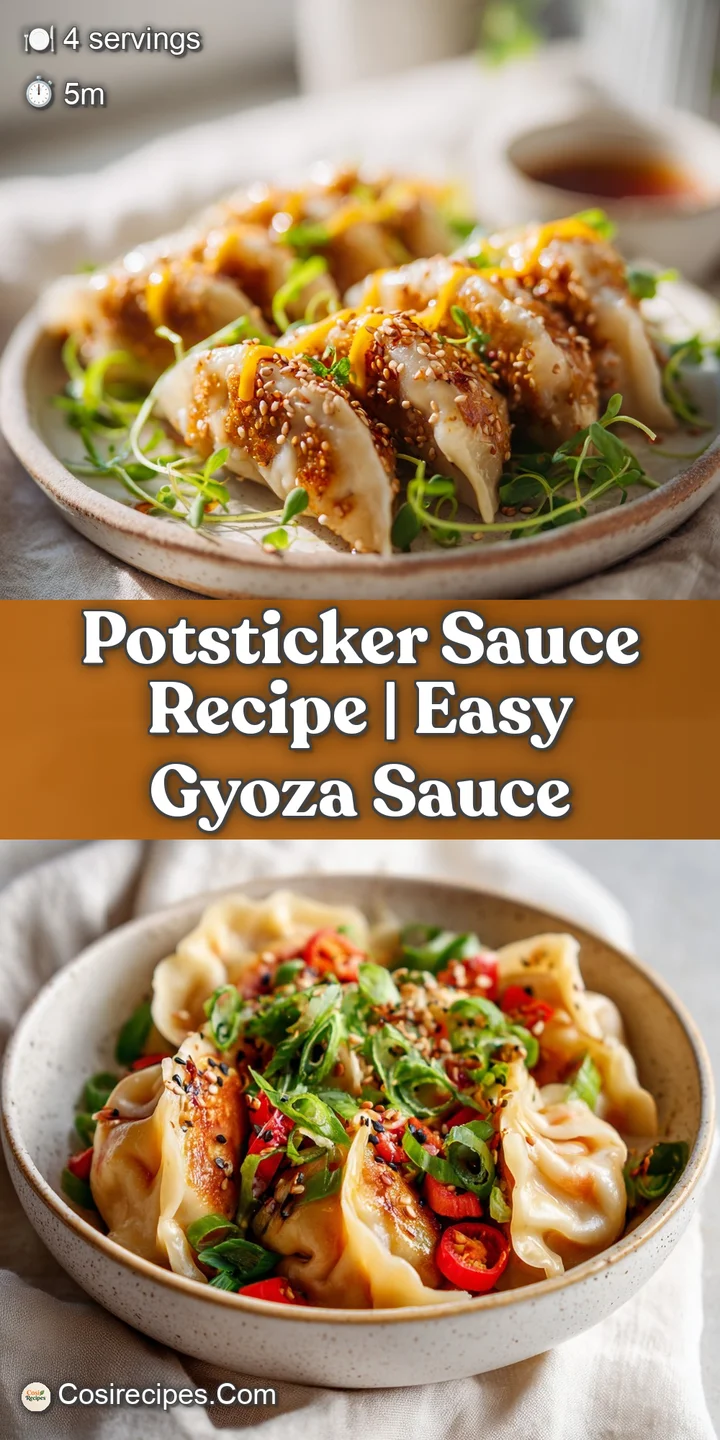
Very High in Sodium
912 mg 912 mg (40% 40%)
The American Heart Association recommends limiting sodium intake to no more than 2,300mg per day, with an ideal limit of less than 1,500mg for most adults.
Tips to Reduce Sodium
-
Low-Sodium Soy Sauce-25%
Replace the regular soy sauce with low-sodium soy sauce. This is the biggest contributor to sodium in this recipe.
-
Reduced Sodium Black Vinegar-10%
Opt for a reduced sodium black vinegar or unseasoned rice vinegar. Unseasoned rice vinegar is naturally lower in sodium.
-
Flavorful Chili Alternatives-5%
Use fresh chili peppers or chili flakes instead of chili oil, which can sometimes contain added sodium.
-
Fresh Herbs & Spices
Boost flavor with fresh herbs like cilantro or mint, and additional spices like garlic powder or white pepper. These add complexity without sodium.
Recipe FAQs
What is potsticker sauce made of?
This sauce combines soy sauce, rice vinegar, sugar or honey, and toasted sesame oil. It is rounded out with aromatics like minced garlic, grated ginger, sliced scallions, sesame seeds, and a touch of chili oil.
What sauce should I eat with potstickers?
Use a balanced dipping sauce that cuts through the richness of the dumplings. The saltiness of soy sauce paired with the acidity of vinegar makes this the ideal companion for savory, crispy garlic chicken fried rice or other Asian inspired meals.
What is the best dipping sauce for Chinese dumplings?
A combination of Chinkiang black vinegar or rice vinegar and soy sauce is considered the gold standard. The acid helps refresh your palate between bites, ensuring the savory filling doesn't feel too heavy.
Is it true I must use comeback sauce for potstickers?
No, this is a common misconception. Comeback sauce is a creamy, mayonnaise based Southern condiment that lacks the acidic brightness needed to complement the specific flavor profile of traditional Chinese dumplings.
How to mellow the flavor of raw garlic in this sauce?
Microwave the garlic and ginger with the vinegar for 10 seconds before mixing. This flash cooking technique softens the aggressive bite of the aromatics while keeping their character intact.
How to prevent the sauce from tasting too salty?
Whisk in the sugar or honey until completely dissolved and taste as you go. The sweetness acts as a bridge between the soy sauce and vinegar, effectively balancing the salt profile without requiring extra ingredients.
How to properly combine the sesame oil?
Drizzle the toasted sesame oil in slowly while whisking vigorously. This creates a temporary emulsion that incorporates the oil evenly throughout the mixture rather than having it pool on the surface.
Potsticker Sauce Recipe
Ingredients:
Instructions:
Nutrition Facts:
| Calories | 34 kcal |
|---|---|
| Protein | 1.6 g |
| Fat | 1.9 g |
| Carbs | 3.0 g |
| Fiber | 0.1 g |
| Sugar | 1.3 g |
| Sodium | 912 mg |
