Apricot Cobbler: Rustic Oat Topping
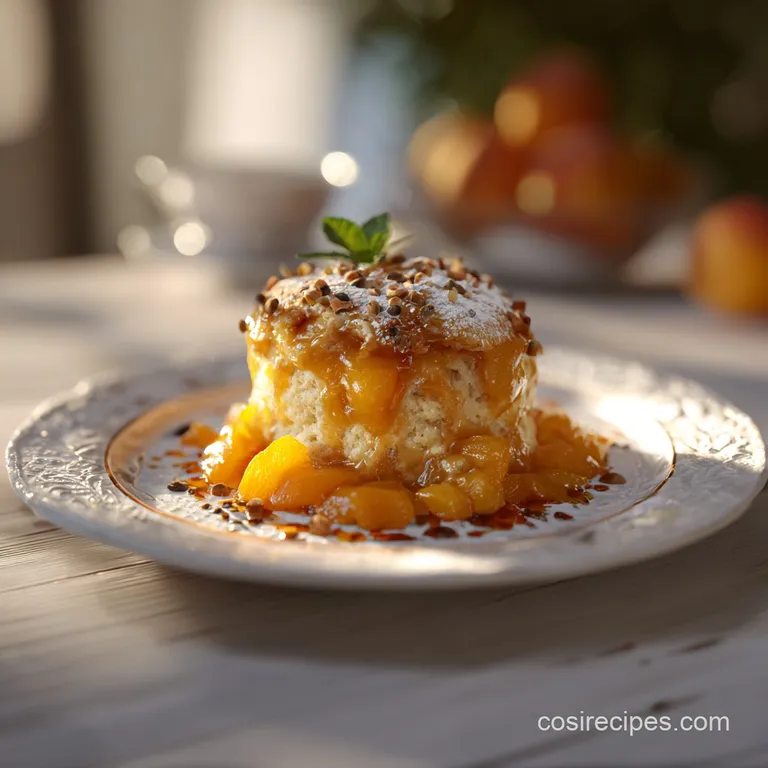
- Time: Active 15 minutes, Passive 45 minutes, Total 60 minutes
- Flavor/Texture Hook: Tangy sweet fruit with a golden, crisp oat topping
- Perfect for: Summer dinner parties or a cozy weekend family brunch
- Master the Golden Crust Apricot Cobbler
- Science Behind the Shatter Crust
- Essential Components for Balanced Flavor
- Necessary Tools for Smooth Baking
- Step-by-Step Guide to Success
- Solutions for Common Baking Errors
- Flavor Swaps and Easy Substitutions
- Storage Tips for Lasting Freshness
- Ideal Sides for Serving Success
- Recipe FAQs
- 📝 Recipe Card
Master the Golden Crust Apricot Cobbler
The first time I pulled this dish out of the oven, the kitchen smelled like a sun drenched orchard. I remember the sound of the fruit juice bubbling rhythmically against the sides of the ceramic dish, creating these little sticky, caramelized trails.
There is something truly special about how a fresh apricot cobbler transforms from pale, tart fruit into a deep orange, jammy treasure under a blanket of golden dough. It is the kind of dessert that demands a big spoon and a quiet corner to really enjoy.
We have all been there with soggy cobblers that feel more like soup than dessert. I spent a whole summer testing different ratios because I wanted that specific contrast where the crust actually snaps when your fork hits it. This version avoids the common pitfalls of mushy fruit and heavy, leaden biscuits.
We are going for a texture that feels elegant enough for a party but stays rooted in that old fashioned apricot cobbler comfort we all crave. You are going to love how the oats add a nutty grit that plays so well with the silky fruit.
This recipe is built on the idea that simple ingredients, handled with a bit of care, create something magical. We are using fresh apricots to keep the brightness high, but I will show you how to adapt if you only have the canned variety.
The goal here is a balanced dessert where the fruit is the star and the topping provides the necessary crunch. Let's get into the details of why this specific method works so much better than the standard toss and bake approach.
Science Behind the Shatter Crust
Starch Gelatinization: Using boiling water in the topping partially cooks the flour starch instantly, which creates a more stable structure that traps air. This results in a crust that is crisp on the outside but stays fluffy and light inside.
Pectin Breakdown: The combination of lemon juice and sugar helps break down the fruit’s cell walls during the first 15 minutes of baking. This releases the natural juices to form a thick, velvety syrup without the fruit turning into a flavorless mush.
Maillard Reaction: The sprinkling of granulated sugar on the wet dough before baking encourages rapid browning and caramelization. This creates that characteristic "shatter" texture that makes the first bite so satisfying.
| Baking Checkpoint | Metric/Value | Timing | Sensory Signal |
|---|---|---|---|
| Oven Temperature | 400°F | Preheat | Heat waves visible at back |
| Fruit Bubble | 165°F Internal | 30 mins | Slow, thick pops of syrup |
| Crust Finish | Deep Gold | 45 mins | Topping sounds hollow when tapped |
The contrast between the hot fruit and the cooling crust is essential for the final set. If you cut into it too early, the juices will run everywhere instead of clinging to the fruit pieces. Patience for just ten minutes after it leaves the oven makes a world of difference in the final presentation.
This resting period allows the cornstarch to fully hydrate and tighten the sauce.
Essential Components for Balanced Flavor
When we talk about the ingredient deep dive, it is not just about a list. It is about how these elements interact to create that specific apricot cobbler profile. The choice of oats, for example, is not just for fiber; it is a structural decision to prevent the topping from becoming a solid, gummy sheet of dough.
| Component | Science Role | Pro Secret |
|---|---|---|
| Fresh Apricots | Acid source | Use fruit that gives slightly to thumb pressure |
| Old Fashioned Oats | Texture barrier | Toast them for 3 mins first to deepen the nuttiness |
| Boiling Water | Fat emulsifier | Must be bubbling to properly melt the cubed butter |
| Cornstarch | Viscosity agent | Mix with sugar first to prevent clumps in the fruit |
Similar to the fruit prep in a classic Southern Peach Cobbler recipe, the way we treat the apricots determines the clarity of the syrup. If you over mix the fruit with the sugar and starch, you might bruise the delicate flesh. I prefer a gentle folding motion with a rubber spatula to keep those quartered pieces distinct and beautiful once baked.
Necessary Tools for Smooth Baking
You do not need a professional kitchen to master this, but a few specific items make the process much smoother. I always reach for a heavy, 2 quart baking dish. Ceramic or glass is best here because they distribute heat evenly, which is vital for getting the bottom of the fruit as hot as the top of the crust.
A cast iron skillet also works if you want a more rustic, charred edge to your syrup.
A good pastry cutter or a pair of forks is necessary for working the butter into the flour. We are looking for "pea sized" crumbs. If the butter gets too warm from your hands, the crust loses its flaky potential.
I also recommend a microplane for the lemon zest if you choose to add it, as it keeps the citrus oils concentrated without the bitter white pith. Finally,, a sturdy whisk ensures your dry ingredients for the topping are perfectly aerated before you introduce the hot liquid.
step-by-step Guide to Success
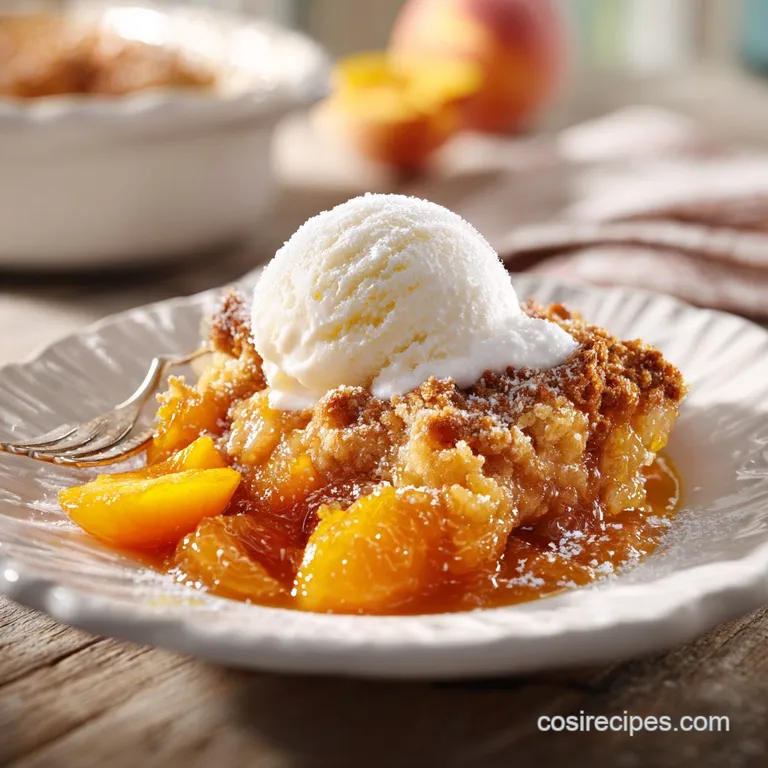
- Preheat and Prep: Set your oven to 400°F (200°C). Grease a 9x9 inch or 2 quart baking dish lightly with butter. Note: A hot oven is crucial for the initial rise of the topping.
- Macerate Fruit: Toss 2 lbs fresh apricots (pitted and quartered) with 0.75 cup sugar, 1 tbsp cornstarch, 1 tbsp lemon juice, 0.5 tsp cinnamon, and 1 tsp vanilla. until the fruit is glossy and coated.
- Whisk Dry Topping: In a large bowl, combine 1.5 cups flour, 0.5 cup oats, 0.5 cup sugar, 2 tsp baking powder, and 0.5 tsp salt. Note: This ensures the leavening agent is distributed evenly.
- Cut the Fat: Work 0.5 cup cold, cubed butter into the flour mixture. until it looks like coarse sand with some larger lumps.
- The Hot Addition: Pour 0.5 cup boiling water over the flour and butter mixture. Note: This is the "magic" step that creates the unique texture.
- Stir Gently: Use a fork to stir the liquid into the dry ingredients. until a wet, shaggy dough forms. Do not overwork it.
- Assemble: Pour the fruit mixture into the prepared dish, spreading it into an even layer.
- Drop Topping: Spoon mounds of the dough over the fruit. until the surface is mostly covered but some fruit peeps through.
- Final Sparkle: Sprinkle the remaining 1 tbsp sugar over the dough. Note: This creates the signature shatter crust.
- Bake: Place in the oven for 45 minutes until the topping is golden brown and the fruit juices hiss and bubble.
Solutions for Common Baking Errors
Syrupy Fruit is Too Thin
If your filling looks more like juice than syrup, the cornstarch likely didn't reach a high enough temperature to activate. Starch needs to hit a near boil to thicken properly. Next time, ensure the fruit is bubbling vigorously in the center of the dish before pulling it out.
You can also try adding an extra teaspoon of cornstarch if your apricots are particularly juicy or overripe.
The Topping is Tough
Toughness usually comes from over mixing the dough once the water is added. When you stir flour and water, gluten begins to develop. For a cobbler, we want minimal gluten. Stir just until the white streaks of flour disappear.
Using cold butter is also key; if the butter melts before it hits the oven, you lose those tiny pockets of steam that create a fluffy interior.
| Problem | Root Cause | Solution |
|---|---|---|
| Soggy Bottom | Fruit was too cold | Let fruit sit at room temp for 15 mins before baking |
| Burnt Edges | Sugar hotspots | Rotate the pan halfway through the baking time |
| Flat Topping | Expired powder | Check baking powder by dropping a pinch in hot water |
Common Mistakes Checklist
- ✓ Avoid peeling the apricots; the skins soften beautifully and hold the fruit's shape.
- ✓ Never use warm water for the dough; it must be at a rolling boil to emulsify the butter.
- ✓ Don't crowd the apricots in a dish that is too small, or the middle will stay raw.
- ✓ Resist the urge to smooth out the dough; those craggy peaks are what get crispy.
- ✓ Ensure your butter is straight from the fridge until the very moment you cut it in.
Flavor Swaps and Easy Substitutions
This quick apricot cobbler is very forgiving. If you find yourself mid recipe and realize you are out of a key item, there is almost always a way to pivot without ruining the final result.
For instance, if you don't have fresh fruit, a canned apricot cobbler recipe follows nearly the same steps, though you should reduce the added sugar in the filling by half since canned fruit is often packed in syrup.
| Original Ingredient | Substitute | Why It Works |
|---|---|---|
| All Purpose Flour | Pastry Flour | Lower protein content makes a more tender, cake like crumb |
| Unsalted Butter | Salted Butter | Adds depth. Note: Omit the 0.5 tsp salt from the topping |
| Granulated Sugar | Light Brown Sugar | Adds a molasses note. Note: Topping will be softer/chewier |
If you are looking for a different texture profile, consider an apricot cobbler with oats and nuts. Adding a handful of sliced almonds to the topping provides a wonderful crunch that mimics the flavor of the apricot pits. For another nutty treat, you might enjoy an Italian Almond Cookies recipe as a side garnish or a crushed topping.
Storage Tips for Lasting Freshness
To keep that crust from turning into a sponge, you need to store it correctly. Once the cobbler has cooled completely to room temperature, cover it loosely with foil. It will stay fresh on the counter for about 24 hours. If you need to keep it longer, move it to the fridge for up to 4 days.
When you are ready for round two, avoid the microwave if possible; it makes the topping gummy. Instead, pop a serving into a 350°F oven for 10 minutes to revive the crispness.
Freezing is also an option for this simple apricot cobbler. You can freeze the baked dish for up to 3 months. Wrap it tightly in plastic wrap and then a layer of heavy duty foil. To reheat from frozen, let it thaw in the fridge overnight and then bake at 350°F until the center is hot.
For a zero waste tip, if you have leftover fruit syrup but no topping, swirl it into your morning yogurt or pour it over oatmeal for a bright start to the day.
Ideal Sides for Serving Success
The bright orange of the apricots and the deep gold of the crust offer a beautiful color palette. To really make this dish pop, I recommend a three point garnish strategy. First, add a dollop of white vanilla bean whipped cream or a scoop of high-quality vanilla ice cream.
The temperature contrast is vital for the experience. Second, place a few thin slices of fresh, raw apricot on top of the cream to emphasize the main ingredient. Finally, a sprig of fresh mint provides a vibrant green accent that cuts through the sweetness.
- Classic Pairings: A cold glass of whole milk or a dark roast coffee.
- Modern Twists: Serve with a drizzle of salted caramel or a sprinkle of flaky sea salt.
- Brunch Style: A side of thick, plain Greek yogurt helps balance the sugar.
If you enjoy the process of working with stone fruits, you might want to try a different variation like a peach based dessert. The techniques for managing moisture and crust texture are quite similar to what you'd find in a Southern Peach Cobbler recipe. Whether you are making this for a holiday or just a Tuesday night treat, the key is to serve it warm so the fats in the crust are at their most flavorful.

Recipe FAQs
What's the secret to a juicy cobbler?
Using the right amount of starch and ensuring high baking heat. The starch, mixed with the fruit sugar, creates a thick, velvety syrup rather than watery juice when it reaches its activation temperature.
What's the best flour for apricot crumble?
Use standard All-Purpose flour for the topping structure. The recipe relies on the protein content of AP flour for the necessary gluten development when combined with boiling water.
What classifies as a cobbler?
A cobbler is defined by its topping style, which is spooned or dropped over the fruit filling. Unlike a crisp or crumble which uses a streusel, a cobbler topping is typically biscuit or cake like, often resulting in a rustic, uneven, or "cobbled" surface.
What are common cobbler mistakes?
The two most common mistakes are using warm liquid for the topping and over mixing the dough. Both actions prevent the topping from achieving its desirable contrast between a crisp exterior and a light, fluffy interior.
How do I achieve that signature shatter crust texture?
Sprinkle granulated sugar generously over the unbaked dough before placing it in the oven. This promotes rapid browning via the Maillard reaction, creating the caramelized, crisp exterior layer.
Is it true I must use a rolling pin for the topping dough?
No, you should avoid using a rolling pin entirely. The topping should be stirred until shaggy, then spooned in rough mounds; smoothing the dough prevents the steam pockets necessary for a light, non-dense final texture.
How can I adapt this recipe for overripe fruit?
Reduce the added sugar in the fruit filling by about 25% and increase the lemon juice slightly. Overripe fruit has softer cell walls, meaning it releases more liquid and is already sweeter, requiring less intervention.
Simple Apricot Cobbler Recipe
Ingredients:
Instructions:
Nutrition Facts:
| Calories | 394 kcal |
|---|---|
| Protein | 5.0 g |
| Fat | 12.5 g |
| Carbs | 67.8 g |
| Fiber | 3.5 g |
| Sugar | 45.2 g |
| Sodium | 192 mg |
