Hearty Cowboy Beans Recipe
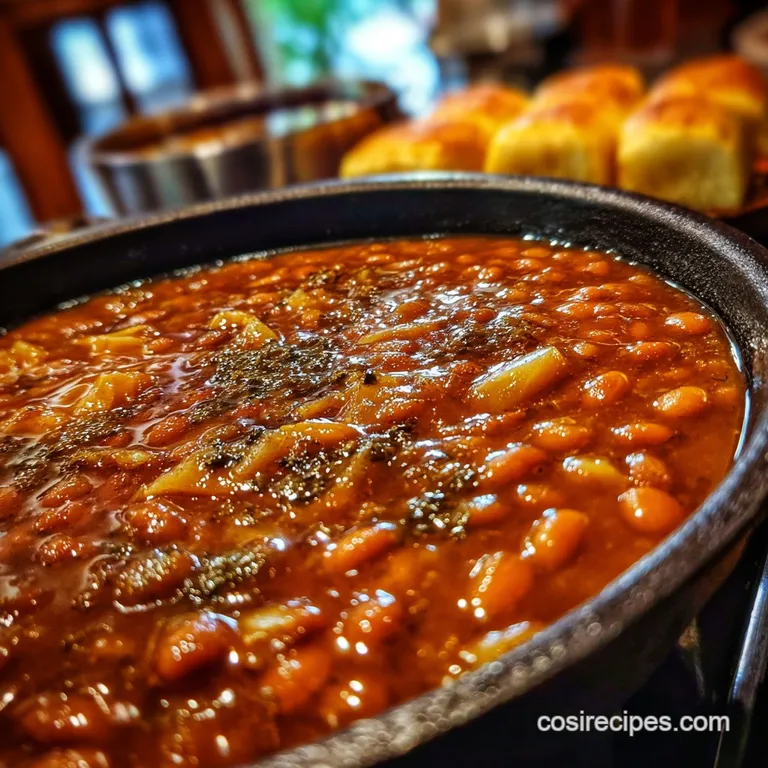
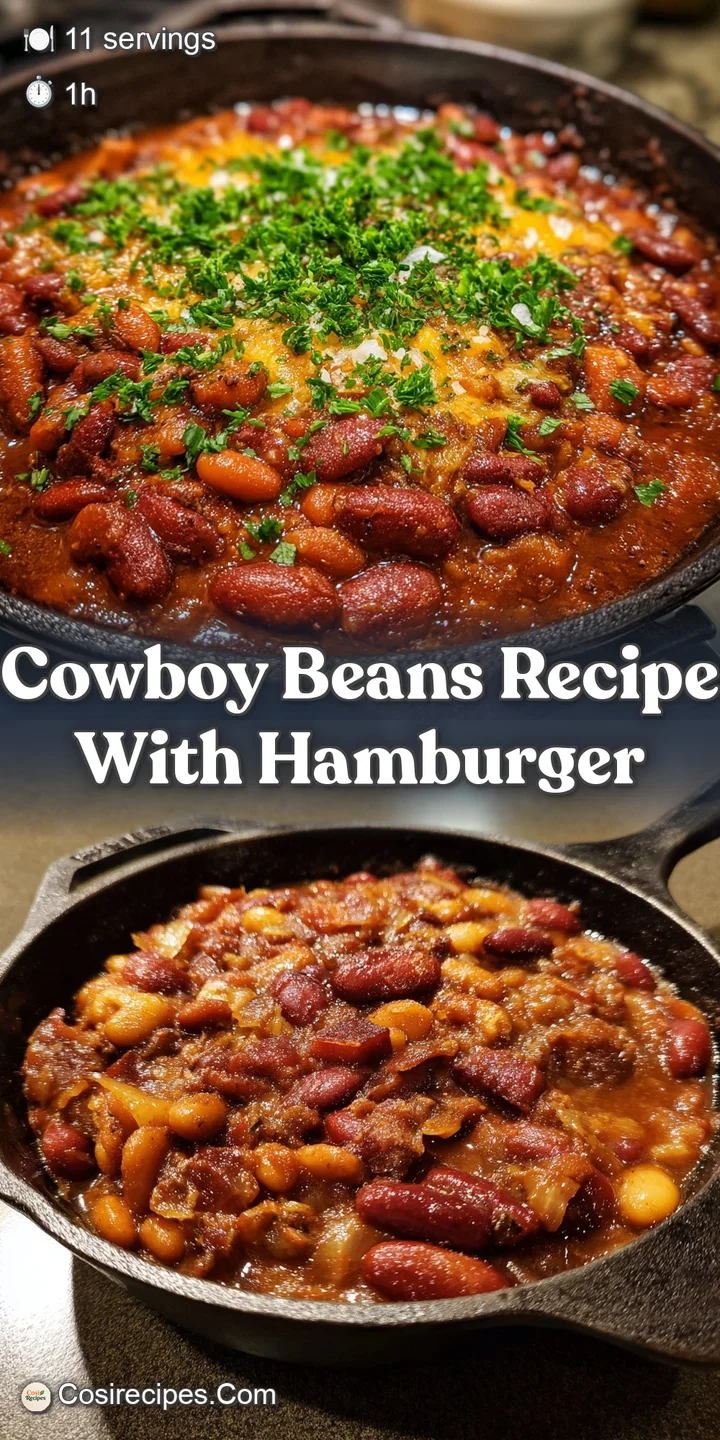
- Time: Active 15 minutes, Passive 45 minutes, Total 1 hours
- Flavor/Texture Hook: Smoky, savory sauce with a thick, satisfying bite
- Perfect for: Backyard BBQs, potlucks, or a filling weeknight comfort meal
- The Secret to this Cowboy Beans Recipe
- Essential Recipe Metrics and Timing
- Hearty Ingredients and Smart Swaps
- Vital Tools for Savory Results
- Mastering the Multi Stage Simmer Method
- Resolving Common Bean Texture Problems
- Creative Flavor and Meat Variations
- Preserving and Refreshing Your Leftovers
- Flavorful Main Dish Pairing Ideas
- Debunking Bean Myths
- High in Sodium
- Recipe FAQs
- 📝 Recipe Card
The Secret to this Cowboy Beans Recipe
The sizzle of thick cut bacon hitting a hot skillet is basically the starting gun for the best side dish you'll ever make. I remember the first time I brought these to a neighborhood BBQ; I’d spent all afternoon worrying they were "just beans," but the moment that lid came off, the smoky, sweet aroma of molasses and seared beef stopped people in their tracks.
By the time I went back for my own scoop, the pot was scraped so clean you could see your reflection in the bottom.
We aren't just opening cans and hoping for the best here. This recipe is about building a foundation of flavor that starts with rendering fat and ends with a slow, bubbling simmer. It’s the kind of dish that feels heavy in the spoon and even heavier on soul satisfying comfort.
Trust me, once you see the way the sauce thickens into a rich, dark glaze, you'll never go back to the watery stuff from a can.
It’s all about the layers the crunch of the green pepper, the snap of the smoked sausage, and that specific tang you only get from apple cider vinegar. This isn't a "light" side dish, and it doesn't try to be.
It’s bold, it’s unapologetically Southern, and it’s exactly what your next cookout is missing. Let's get into the mechanics of why this pot of beans actually works.
Essential Recipe Metrics and Timing
The Maillard Foundation: Searing the 1 lb ground beef and 0.5 lb smoked sausage creates dark, savory crusts that dissolve into the sauce, adding a "meatiness" that beans alone cannot provide.
Acid Sugar Equilibrium: The 2 tbsp of apple cider vinegar cuts through the 0.5 cup of brown sugar and 2 tbsp of molasses, preventing the dish from becoming cloying while brightening the overall flavor profile.
Starch Gelatinization: Using the liquid from the 2 cans of pork and beans introduces pre thickened starches that bind the ketchup and mustard into a velvety, cohesive sauce during the 45 minutes simmer.
| Method | Cook Time | Texture | Best For |
|---|---|---|---|
| Stovetop | 45 minutes | Velvety sauce, firm beans | Quick weeknight results |
| Slow Cooker | 4 hours 30 mins | Very soft, deep infusion | Hands off party prep |
| Oven (350°F) | 1 hours | Crusty edges, thick glaze | Traditional potluck style |
Choosing your method depends on how much time you have to watch the pot. While the stovetop is fastest, the oven method creates these slightly chewy, caramelized edges that some people (including me) absolutely live for. If you're looking for a different vibe for your spread, these beans actually sit nicely next to a Hibachi Fried Rice recipe if you’re doing a fusion style outdoor dinner.
Hearty Ingredients and Smart Swaps
Building this dish requires a mix of pantry staples and fresh proteins. Using 80/20 ground beef is non negotiable for me because that extra fat carries the chili powder and liquid smoke flavors much better than lean meat ever could.
| Ingredient | Science Role | Pro Secret |
|---|---|---|
| Ground Beef (1 lb) | Provides fat and protein structure | Brown it until it's almost "crispy" for maximum flavor |
| Molasses (2 tbsp) | Adds depth and prevents over softening | Use unsulphured molasses for a cleaner, darker sweetness |
| Pork and Beans (56 oz) | Acts as the starch rich base | Don't drain these; the canning liquid is liquid gold |
- 1 lb ground beef (80/20 ratio) - Why this? The fat content creates a richer, more savory sauce base.
- Substitute: Ground turkey (add 1 tbsp oil to prevent dryness).
- 6 slices thick cut bacon - Why this? Provides smoky fat and a chewy texture contrast.
- Substitute: Pancetta or salt pork for a saltier bite.
- 0.5 lb smoked sausage - Why this? Adds a firm, snappy texture and extra smokiness.
- Substitute: Kielbasa or Chorizo for a spicy kick.
- 1 large yellow onion - Why this? Melts into the sauce for a subtle, savory sweetness.
- Substitute: White onion or 2 medium shallots.
- 1 green bell pepper - Why this? Provides a necessary "crunch" and vegetal balance.
- Substitute: Poblano pepper for a very mild heat.
- 3 cloves garlic - Why this? Essential aromatic depth that rounds out the spices.
- Substitute: 1 tsp garlic powder in a pinch.
- 1 (15 oz) can pinto beans & 1 (15 oz) can kidney beans - Why this? Different sizes and textures make the dish more interesting.
- Substitute: Black beans or Great Northern beans.
- 2 (28 oz) cans pork and beans - Why this? The "sauce starter" that provides the classic base flavor.
- Substitute: Baked beans (reduce brown sugar to 1/4 cup).
- 1 cup ketchup - Why this? Adds tomato acidity and a thick, glossy body.
- Substitute: Tomato sauce + 2 tbsp extra sugar.
- 0.5 cup brown sugar & 2 tbsp molasses - Why this? The molasses provides that signature dark, "old-fashioned" color.
- Substitute: Dark corn syrup or maple syrup (flatter flavor).
- 2 tbsp apple cider vinegar - Why this? Brightens the heavy fats and sugars.
- Substitute: White vinegar or lemon juice.
- 1 tbsp yellow mustard & 1 tbsp chili powder - Why this? Mustard adds tang; chili powder adds a hint of warmth.
- Substitute: Dijon mustard and smoked paprika.
- 0.5 tsp liquid smoke - Why this? Mimics the flavor of beans cooked over an actual campfire.
- Substitute: Smoked salts (reduce added salt accordingly).
Vital Tools for Savory Results
You don't need a high tech kitchen for this, but the right vessel makes a world of difference. I always reach for my heavy bottomed Dutch oven or a large cast iron skillet. These materials hold heat evenly, which is crucial when you're simmering a thick, sugar heavy sauce that wants to scorch the moment you turn your back.
2 Must Have Tools
A sturdy wooden spoon is your best friend here. You need something strong enough to scrape the "fond" (those little browned bits) off the bottom of the pan after browning the beef and bacon. Those bits are where the real flavor lives.
Next,, a large colander is needed for the pinto and kidney beans. Since we are keeping the liquid from the pork and beans, we need to make sure the other two varieties are rinsed clean to keep the salt levels in check.
Chef's Tip: Freeze your bacon for 10 minutes before chopping. It makes getting those clean 1/2 inch pieces way easier and prevents the fat from turning into a slippery mess on your cutting board.
Mastering the Multi Stage Simmer Method
1. Render and Brown
Place the chopped bacon in a cold Dutch oven and turn the heat to medium. Cook until the bacon is starting to crisp and has released its fat. Add the 1 lb ground beef and 0.5 lb sliced smoked sausage. Cook 8 minutes until the beef is browned and the sausage rounds have a golden sear.
2. Sauté the Aromatics
Don't drain the fat unless it's excessive (leave about 2 tbsp). Toss in the diced yellow onion and green bell pepper. Sauté for 5 minutes until the onions are translucent and the pepper has softened slightly. Stir in the minced garlic for the last 60 seconds until fragrant.
3. The Big Blend
Add the undrained pork and beans, followed by the rinsed pinto and kidney beans. Stir in the 1 cup ketchup, brown sugar, molasses, apple cider vinegar, yellow mustard, chili powder, and liquid smoke. Mix thoroughly until the sauce is uniform in color.
4. The Low Simmer
Reduce the heat to low. Let the mixture bubble gently for 45 minutes. You want to see small, lazy bubbles popping on the surface. Stir occasionally to prevent the sugar from sticking to the bottom. Cook until the sauce has thickened and turned a deep, mahogany brown.
Resolving Common Bean Texture Problems
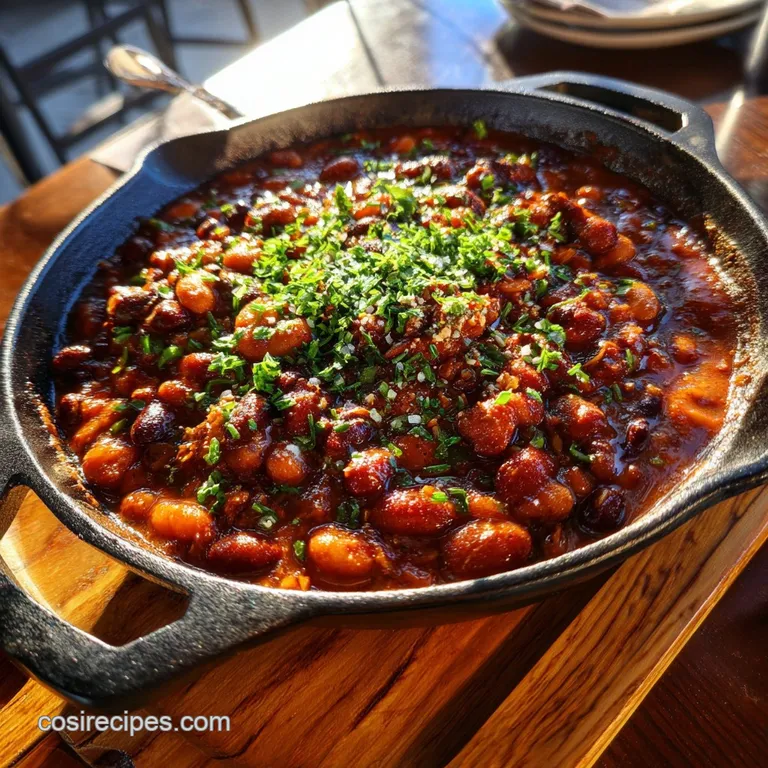
One of the biggest issues people run into is a sauce that stays too thin or beans that turn to mush. Usually, this comes down to heat management. If your simmer is too aggressive, the beans shatter. If it's too low, the sauce never reduces into that velvety glaze we're looking for.
Why Your Beans Are Crunchy
If you’ve simmered for the full 45 minutes and the beans still have a "snap," it’s likely due to the acid. If you add the vinegar too early or use old canned beans, the acid can toughen the skins. The fix? Keep simmering and add a splash of water to keep it from drying out.
| Problem | Root Cause | Solution |
|---|---|---|
| Sauce is watery | Not enough reduction time | Simmer uncovered for 10 extra minutes |
| Dish is too sweet | Too much molasses/sugar | Add 1 tsp apple cider vinegar at a time |
| Meat feels dry | Lean beef was used | Add 1 tbsp of butter or bacon grease to the sauce |
Common Mistakes Checklist
- ✓ Never drain the pork and beans; that liquid provides the necessary thickness for the sauce.
- ✓ Don't skip browning the meat; that "crust" is the only thing providing savory contrast to the sugar.
- ✓ Avoid high heat during the simmer; the sugar will burn and turn the sauce bitter.
- ✓ Let the beans rest for 10 minutes after cooking; the sauce thickens significantly as it cools slightly.
- ✓ Always rinse the kidney and pinto beans to remove the metallic canning liquid taste.
Creative Flavor and Meat Variations
If you want to put a personal spin on this, the protein is the easiest place to start. While the "classic" uses ground beef, I've seen amazing versions that use leftover brisket or even pulled pork. If you're looking for a lighter accompaniment to a big meal, you might consider serving these alongside a Grilled Shrimp Skewers recipe to balance the heavy, smoky beans with something bright and charred.
2 Flavor Twists
- The Spicy Cowboy: Add 2 diced jalapeños (with seeds) during the aromatic stage and swap the yellow mustard for spicy brown mustard.
- The Brisket Special: Replace the ground beef with 2 cups of chopped, leftover smoked brisket for an even deeper BBQ flavor.
2 Diet Swaps
- Vegetarian Style: Omit all meats and use 1 tbsp smoked paprika plus 1 tsp of soy sauce to mimic the savory, smoky depth.
- Refined sugar-free: Replace the brown sugar and molasses with 1/2 cup of maple syrup and increase the chili powder for balance.
| Premium Option | Budget Alternative | Flavor Impact | Savings |
|---|---|---|---|
| Thick cut Bacon | Bacon Ends/Pieces | Same flavor, less uniform look | Save $3-5 |
| Smoked Sausage | Hot Dogs (sliced) | Softer texture, kid friendly | Save $2-4 |
| Ground Beef (80/20) | Ground Pork | Slightly sweeter, high fat | Save $1-2 |
Preserving and Refreshing Your Leftovers
The beautiful thing about this cowboy beans recipe is that it actually tastes better the next day. As it sits in the fridge, the starches in the beans continue to meld with the molasses and fats, creating a much more complex flavor profile.
Storage: Keep leftovers in an airtight container in the fridge for up to 4 days. If you find the sauce has thickened too much overnight, just stir in a tablespoon of water or beef broth before reheating.
Freezing: These beans freeze exceptionally well for up to 3 months. Let them cool completely before transferring to a freezer safe bag. To reheat, thaw in the fridge overnight and warm them in a saucepan over low heat.
Zero Waste: If you have leftover onion or bell pepper scraps from the prep, don't toss them! Toss them into a freezer bag for your next batch of homemade stock. Leftover beans also make a killer topping for a "cowboy baked potato" just split a potato, add butter, and ladle the beans right on top.
Flavorful Main Dish Pairing Ideas
Since this dish is so rich and savory, it needs something to cut through the weight. It’s the ultimate partner for anything off the grill. I love serving it with a simple grilled chicken or a rack of ribs. If you're looking for a dessert to finish the meal, the contrast of a Classic Creme Brulee recipe is actually fantastic the cold, creamy custard and shattered sugar topping provide a refreshing break from the smoky, warm beans.
2 Serving Suggestions
- The Picnic Spread: Serve in a large cast iron Dutch oven in the center of the table with a side of jalapeño cornbread for dipping into the sauce.
- The Loaded Bowl: Top each serving with a sprinkle of sharp cheddar cheese and some fresh green onions to add a pop of brightness and color.
Debunking Bean Myths
One big myth is that "canned beans are always mushy." In reality, the sugar and molasses in this recipe actually help the beans keep their shape. The sugar strengthens the cell walls of the beans through a process called osmotic pressure, which prevents them from disintegrating even during a long simmer.
Another misconception is that you need to soak these beans. Since we are using canned versions for convenience, there is zero soaking required. You get all that slow cooked flavor in a fraction of the time, making this the perfect "cheat code" for a high-quality BBQ side dish.
Just remember to keep the heat low and the lid off if you want that sauce to reach its full, velvety potential.
High in Sodium
985 mg mg of sodium per serving (43% of daily value)
The American Heart Association recommends limiting sodium intake to about 2,300mg per day for adults.
Tips to Reduce Sodium in Your Recipe
-
Reduce Processed Meats-25%
Processed meats like bacon and smoked sausage are high in sodium. Reduce the amount of bacon and sausage by half, using 3 slices of bacon and 0.25 lb of smoked sausage. Consider substituting some of the meat with mushrooms for a similar savory flavor but less sodium.
-
Low-Sodium Canned Beans-20%
Canned beans are a significant source of sodium. Use low-sodium or no-salt added canned pinto and kidney beans. Rinse them thoroughly before adding them to the recipe to remove even more sodium.
-
Low-Sodium Pork and Beans-20%
Pork and beans can be high in sodium. Use low-sodium pork and beans, or make your own from scratch with dried beans for even greater control over sodium content.
-
Low-Sodium Ketchup-15%
Ketchup contributes to the sodium content. Choose a low-sodium ketchup alternative or consider using tomato paste and adding your own spices for flavor.
-
Adjust Seasonings-10%
Taste the dish before adding salt. You may find that the other ingredients provide enough saltiness. Consider using smoked paprika or cumin to mimic some of the smoky flavor lost by reducing bacon.
-
Boost Flavor with Herbs
Enhance the flavor with sodium free herbs and spices such as oregano, thyme, bay leaf, black pepper, or a dash of cayenne pepper for heat. Experiment with different combinations to find your preferred flavor profile.
Recipe FAQs
What kind of beans are in cowboy beans?
Pork and beans, pinto beans, and kidney beans. This trio provides the foundational sweetness, starch, and textural variety needed for the classic recipe.
What are the ingredients in Pioneer Woman cowboy beans?
The core ingredients include bacon, ground beef, smoked sausage, onion, bell pepper, molasses, brown sugar, ketchup, and three types of canned beans. The combination of meat and sweet/tangy binders creates the signature thick sauce.
Why do they call them cowboy beans?
They are associated with hearty, smoky trail food suitable for camping or cookouts. The use of liquid smoke mimics the flavor achieved when cooking over an open campfire for long periods.
How do you make Texan beans?
Brown the bacon, ground beef, and sausage first to render the fat and build a savory base. Next, sauté the onion and pepper before stirring in all remaining liquids, sugars, and beans for a 45-minute low simmer.
Is it true that I must use 80/20 ground beef for the best flavor?
Yes, using 80/20 ground beef is highly recommended for this dish. The higher fat content melts into the sauce, carrying the chili powder and smoke flavor far better than lean meat would.
Should I drain the liquid from the pork and beans cans?
No, never drain the liquid from the pork and beans. That canning liquid is rich in starches which are essential for thickening the ketchup and mustard into a glossy, velvety sauce during the simmer.
How long should cowboy beans simmer on the stovetop?
Simmer the beans gently for 45 minutes on low heat. This duration allows the sauce to reduce, thicken properly, and prevents the beans from breaking down into mush.
Slow Cooker Cowboy Beans Recipe
Ingredients:
Instructions:
Nutrition Facts:
| Calories | 421 kcal |
|---|---|
| Protein | 18.9 g |
| Fat | 11.2 g |
| Carbs | 41.8 g |
| Fiber | 7.2 g |
| Sugar | 24.6 g |
| Sodium | 985 mg |
