Sausage Potato Skillet: Smoky and Crispy
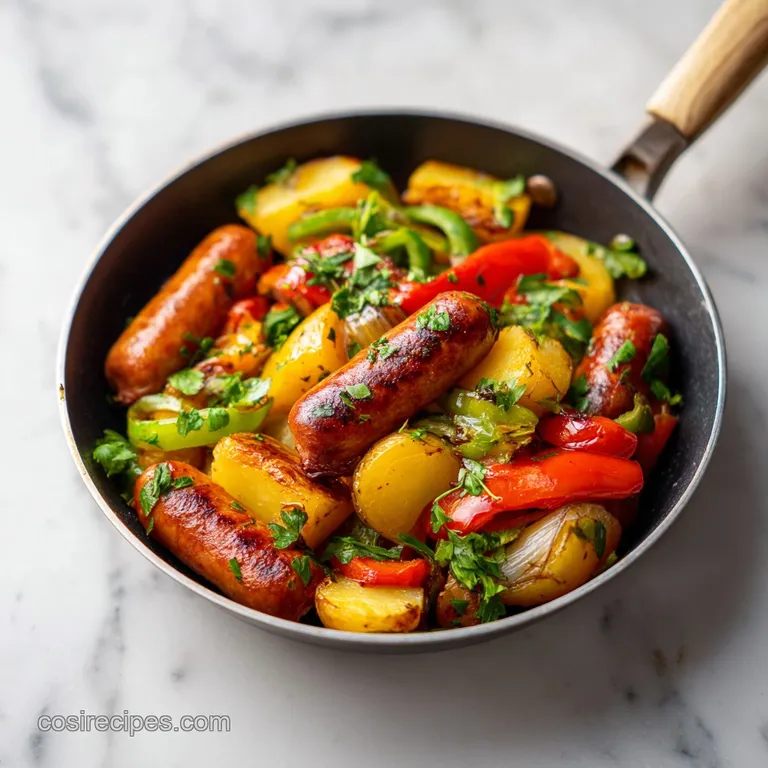
- Time: Active 10 minutes, Passive 20 minutes, Total 30 minutes
- Flavor/Texture Hook: Shatter crisp edges with a savory, smoky finish
- Perfect for: Busy weeknight dinners or a hearty Southern style brunch
- Achieving the Perfect Golden Sausage Potato Skillet
- Essential Recipe Performance Specs
- The Hearty Building Blocks
- Tools for Skillet Success
- Gathering Your Savory Ingredients
- From Prep to Plate
- Mastering the Troubleshooting Process
- Flavor Variations and Swaps
- Freezing and Reheating Guide
- Best Comfort Side Pairings
- Common Kitchen Myths
- Very High in Sodium 🚨
- Recipe FAQs
- 📝 Recipe Card
Achieving the Perfect Golden Sausage Potato Skillet
There is nothing quite as soul crushing as biting into a potato skillet only to find the spuds are mealy on the inside and limp on the outside. We’ve all been there. You toss the meat and the vegetables into the pan together, hoping for the best, but the moisture from the onions turns the whole affair into a steamed, soggy mess.
The sausage ends up rubbery, and the potatoes look like they’ve given up on life. It’s a texture tragedy that happens in kitchens every single day, but it’s completely avoidable if you understand how to manage your heat and fat.
I remember the first time I tried to make a smoked sausage and potato skillet without a plan. I used a non stick pan that didn't hold heat, and I crowded the potatoes so much they never stood a chance of browning. The kitchen smelled okay, but the plate looked gray.
It was a humble reminder that even the most basic comfort food requires a bit of strategy. Since then, I’ve learned that the secret isn't in fancy spices; it’s in how you treat the starch and the protein separately before bringing them together for that final, cheesy marriage.
We are going for a bold, savory experience here. Imagine the sound of a heavy cast iron skillet hitting the burner and that initial sizzle as the sausage rounds start to curl and darken. That dark mahogany crust on the kielbasa is where the flavor starts.
This isn't just a meal; it’s a masterclass in building layers of aroma. By the time the fresh garlic hits the pan at the end, the scent will have everyone in the house wandering into the kitchen asking when dinner is ready.
Trust me, once you nail this technique, you’ll never go back to the "dump and hope" method.
Essential Recipe Performance Specs
To get this right, you need to know what you’re aiming for. This isn't a slow simmered stew; it’s a high impact sear. We are looking for specific visual and auditory cues throughout the 30 minutes of total time. If your pan isn't singing, you're not frying.
We use specific numeric checkpoints to ensure the potatoes are fully cooked through without burning the aromatics.
Steam Release: This is the one step most people skip. By covering the pan for exactly 5 minutes, we use the natural moisture in the potatoes to soften the centers. If you skip this, you’ll end up with burnt outsides and raw, crunchy insides.
It’s a non negotiable part of the process that makes the difference between a mediocre hash and a professional grade skillet meal.
| Method | Cook Time | Texture Outcome | Best Use Case |
|---|---|---|---|
| Fast Skillet | 20 minutes | Crispy edges, soft centers | Weeknight dinner |
| Traditional Oven | 45 minutes | Uniformly roasted, less char | Meal prep batches |
| Slow Cooker | 4 hours | Very soft, no crispness | Set and forget days |
The skillet method is superior because it allows for direct contact with the heat source, creating that coveted "shatter" texture on the potato skin. When you use the rendered fat from the sausage, you're not just cooking the potatoes; you're essentially confit frying them in pork gold.
It’s a heavy hitter in the flavor department that you just can't get from a baking sheet in the oven.
The Hearty Building Blocks
Success in a simple dish like this depends entirely on the quality of your components. You want a potato that can hold its shape but still feels velvety when you bite into it. Yukon Golds are the undisputed champions here because their natural sugar content helps with browning, while their waxy leaning texture prevents them from falling apart into mashed potatoes during the tossing phase.
| Component | Science Role | Pro Secret |
|---|---|---|
| Yukon Golds | High sugar for browning | Cut into uniform 1/2 inch cubes |
| Smoked Sausage | Fat source/Umami base | Brown until dark mahogany |
| Avocado Oil | High smoke point carrier | Add only if the pan looks bone dry |
| Smoked Paprika | Color and wood smoke aroma | Bloom in the fat for 30 seconds |
The science here is straightforward: we need a fat with a high smoke point (like avocado oil) because we’re working over medium high heat. If you used butter at the start, it would burn before the potatoes even thought about getting crispy.
We save the dairy notes for the very end with a sharp cheddar melt that ties the smoky sausage and earthy potatoes together.
Tools for Skillet Success
You don't need a kitchen full of gadgets, but a 12 inch heavy bottomed skillet is your best friend here. If you use a thin, cheap pan, you’ll get "hot spots" where some potatoes burn while others stay raw.
A cast iron skillet is the gold standard because it retains heat like a beast, ensuring that every time you toss the mixture, the pan temperature doesn't plummet.
Aside from the pan, a tight fitting lid is essential. We aren't just frying; we're using a hybrid method. The lid traps the steam for those crucial 5 minutes to tenderize the starch. If your skillet doesn't have a lid, use a large baking sheet to cover it.
You also want a sturdy metal spatula or a slotted spoon. You need something that can get under the potatoes to scrape up those delicious "fond" bits the caramelized brown fragments stuck to the bottom of the pan that hold all the concentrated flavor.
Gathering Your Savory Ingredients
Everything on this list serves a specific purpose in the flavor profile. Don't be tempted to use "light" versions of the sausage or cheese; the fat is what carries the seasoning and provides the satisfying mouthfeel we're looking for in a sausage and potato skillet.
- 1 lb Smoked Sausage or Kielbasa: Sliced into 1/2 inch rounds. Why this? Provides the smoky base and essential fat for frying the potatoes.
- 1.5 lbs Yukon Gold Potatoes: Cut into 1/2 inch cubes. Why this? They maintain their shape better than Russets and brown more evenly.
- 2 tbsp Avocado or Grapeseed oil: For over high heat searing.
- 1 medium Yellow Onion: Diced. Why this? Adds sweetness to balance the salty, savory sausage.
- 1 tsp Garlic Powder: For deep, background savory notes.
- 1 tsp Smoked Paprika: Adds a beautiful red hue and earthy depth.
- 1/2 tsp Kosher Salt: Enhances all other flavors.
- 1/4 tsp Cracked Black Pepper: For a subtle bite.
- 2 cloves Fresh Garlic: Minced. Why this? Added at the end to prevent burning and provide a sharp aromatic finish.
- 1 cup Sharp Cheddar cheese: Shredded. Why this? Sharpness cuts through the richness of the sausage fat.
- 2 tbsp Fresh Parsley or Chives: Finely chopped for a fresh, herbaceous pop.
| Original Ingredient | Substitute | Why It Works |
|---|---|---|
| Smoked Sausage | Andouille | Adds a spicy, Cajun style kick to the dish |
| Yukon Gold Potatoes | Red Potatoes | Similar waxy texture; keeps skin on for color |
| Sharp Cheddar | Smoked Gouda | Doubles down on the smoky profile; melts beautifully |
If you happen to have a bag of red potatoes instead, they work excellently here too. For another way to use those spuds, check out my Roasted Red Potatoes Oven which uses a similar seasoning profile but a different cooking environment. Just remember that whatever potato you choose, the uniform 1/2 inch cut is the key to timing the recipe correctly.
From Prep to Plate
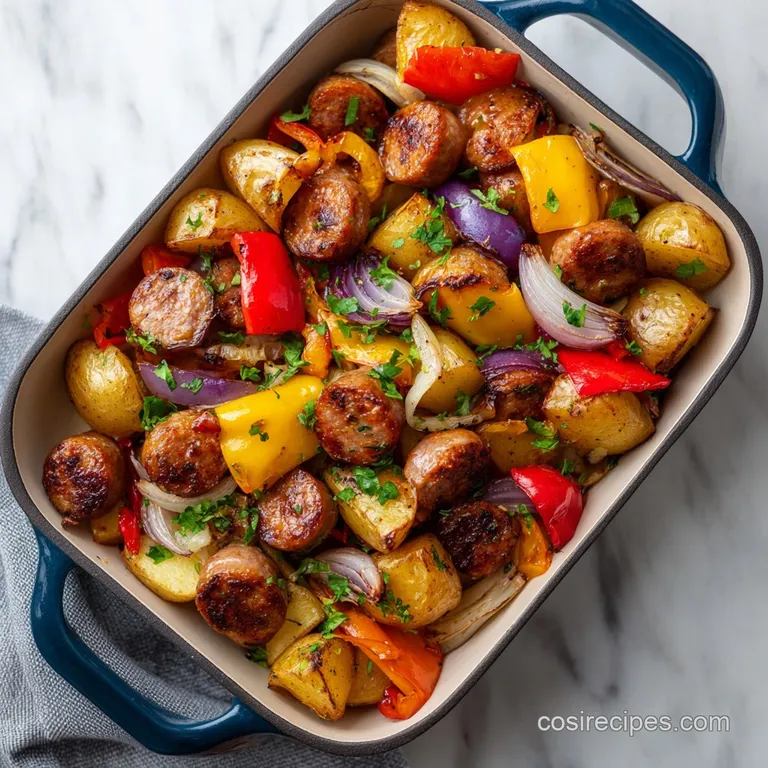
The sequence of this recipe is what prevents the dreaded mush. We start with the meat to "prime" the pan with flavor, then move to the potatoes. Pay attention to the smells at each stage the aroma will tell you more than a timer ever could.
- Place a large 12 inch skillet over medium high heat. Add the sliced sausage in a single layer and cook for 3–4 minutes until the edges are dark mahogany and fat has rendered. Note: This creates the flavor base for the entire dish.
- Remove sausage with a slotted spoon, leaving the rendered fat in the pan. Keep the sausage in a small bowl nearby.
- Add the cubed potatoes to the hot sausage fat. Add 1 tablespoon of oil if the pan is dry. Stir to coat and spread into an even layer.
- Cover the skillet with a tight fitting lid and cook for 5 minutes to steam the potato interiors until tender. Note: This softens the starch so the centers aren't hard.
- Remove the lid and add the diced onion. Cook uncovered for 8-10 minutes, tossing occasionally, until the potatoes develop a golden brown crispy crust.
- Return the sausage to the pan. Add the garlic powder, smoked paprika, salt, pepper, and minced fresh garlic.
- Sauté for 1-2 minutes until the garlic is fragrant and pungent. Note: Adding garlic now prevents it from turning bitter and black.
- Check for doneness by piercing a large potato cube with a fork; it should slide in with zero resistance.
- Sprinkle the shredded cheese over the mixture. Cover for 1 minute until the cheese is bubbling and gooey.
- Garnish with fresh parsley or chives and serve immediately while the cheese is at its peak melt.
The "fragrant" stage in step 7 is your second scent checkpoint. You'll smell the paprika "blooming" in the fat it will transform from a dry powder scent to a rich, toasted aroma. This is the moment the sausage and potato skillet truly comes together.
Mastering the Troubleshooting Process
Even with a perfect plan, things can go sideways if your heat management is off. The most common issue is sticking. If you try to flip the potatoes too early, they will tear, leaving that beautiful crispy skin stuck to the bottom of the pan. Patience is your best ingredient here.
Why Your Potatoes Are Sticking
If your potatoes are clinging to the pan, it’s usually because the "crust" hasn't fully formed yet. Starch needs to undergo a specific transformation before it releases from the surface. Also, make sure your pan was hot before the potatoes hit it.
If you start with a cold pan, the potatoes will absorb the fat and act like glue.
Why Your Garlic Is Bitter
If the dish tastes acrid or bitter, you likely added the fresh garlic too early. Garlic has a very high sugar content and almost no moisture, meaning it burns in seconds at medium high heat. Always wait until the final two minutes of cooking to toss it in.
| Problem | Root Cause | Solution |
|---|---|---|
| Soggy Potatoes | Too much moisture/crowded pan | Use a larger skillet and remove lid after 5 mins |
| Burnt Sausage | Heat too high during rendering | Lower heat to medium if fat isn't rendering smoothly |
| Bland Flavor | Under seasoning the starch | Add salt directly to the potatoes while they sear |
Common Mistakes Checklist
- ✓ Pat the potato cubes dry with a paper towel after cutting (excess water causes steaming, not frying)
- ✓ Don't stir too often - the potatoes need 2-3 minutes of undisturbed contact to brown
- ✓ Ensure the sausage fat is shimmering before adding potatoes
- ✓ Use a sharp cheddar; mild cheese often gets lost in the smoky flavors
- ✓ Don't skip the fresh herbs at the end - they cut through the heavy fats
Flavor Variations and Swaps
This potato skillet is a canvas for whatever is in your fridge. While the classic smoked sausage is unbeatable, you can change the entire vibe of the meal with just a few tweaks. If you want a more "Low Country" feel, adding some Old Bay seasoning to the mix during the spice phase works wonders.
If you are looking for a different spin on a one pan meal, you might enjoy my Sausage and Peppers Skillet which leans more into the sweetness of bell peppers and Italian seasonings. It’s a great alternative if you want something a bit more vegetable forward.
- If you want a Cajun Kick: Use Andouille sausage and add 1 tsp of Creole seasoning.
- If you want it for Breakfast: Top each serving with a fried egg the runny yolk acts as a rich sauce.
- If you want it Spicy: Add 1/2 tsp of red pepper flakes when you add the garlic.
When scaling this recipe down for two people, use a 10 inch skillet instead. If you scale up to 8 people, do not try to fit it all in one pan. Work in two separate skillets or brown the sausage and potatoes in batches, then combine them in a large roasting pan to finish in the oven at 200°C for 10 minutes to melt the cheese.
Freezing and Reheating Guide
This is a fantastic meal prep option, but you have to be careful with reheating so you don't lose that texture. Potatoes can become grainy if frozen improperly, but since these are fried, they hold up better than boiled ones.
Storage: Keep leftovers in an airtight container in the fridge for up to 4 days. When reheating, avoid the microwave if possible. The microwave will make the potatoes rubbery. Instead, toss them back into a hot skillet with a tiny drop of oil for 5 minutes.
This will "re crisp" the edges and melt the cheese properly.
Freezing: You can freeze this for up to 2 months. Thaw it completely in the fridge overnight before reheating in a skillet. Zero Waste Tip: Don't peel the potatoes! The skins contain most of the nutrients and add an extra layer of "crunch" that makes the dish even better.
If you do peel them, toss the skins with oil and salt and bake them at 200°C for 10 minutes for a quick kitchen snack.
Best Comfort Side Pairings
Since this is a heavy hitter, I usually pair it with something bright or acidic to balance the palate. A simple green salad with a sharp vinaigrette is the classic choice. The vinegar helps cut through the richness of the rendered sausage fat and the melted cheddar.
If you're keeping things Southern and hearty, a side of Yellow Squash Casserole adds a creamy, vegetable component that fits the flavor profile perfectly. The sweetness of the squash complements the smoky paprika in the skillet. For a more starch heavy feast, roasted greens like Brussels sprouts or even a simple slaw provide the necessary crunch and freshness to round out the meal.
Common Kitchen Myths
One of the biggest misconceptions is that you need to boil potatoes before putting them in a skillet. This actually ruins the texture. Boiling hydrates the potato too much, making it impossible to get a truly crispy exterior without overcooking the inside into mush.
The steam in-pan method we use here is much more effective because it uses the potato's own moisture, keeping the flavor concentrated.
Another myth is that "fat is bad." In a dish like this, the rendered fat is the primary seasoning. If you drain all the fat after cooking the sausage and replace it with a neutral oil, you're throwing away all the smoky, salty goodness that makes a sausage potato skillet iconic.
Embrace the fat it’s where the soul of the dish lives. Finally, people often think you can't use cast iron for potatoes because they'll stick. If your pan is well seasoned and hot, potatoes will release perfectly once that crust is formed. It's about chemistry, not luck.
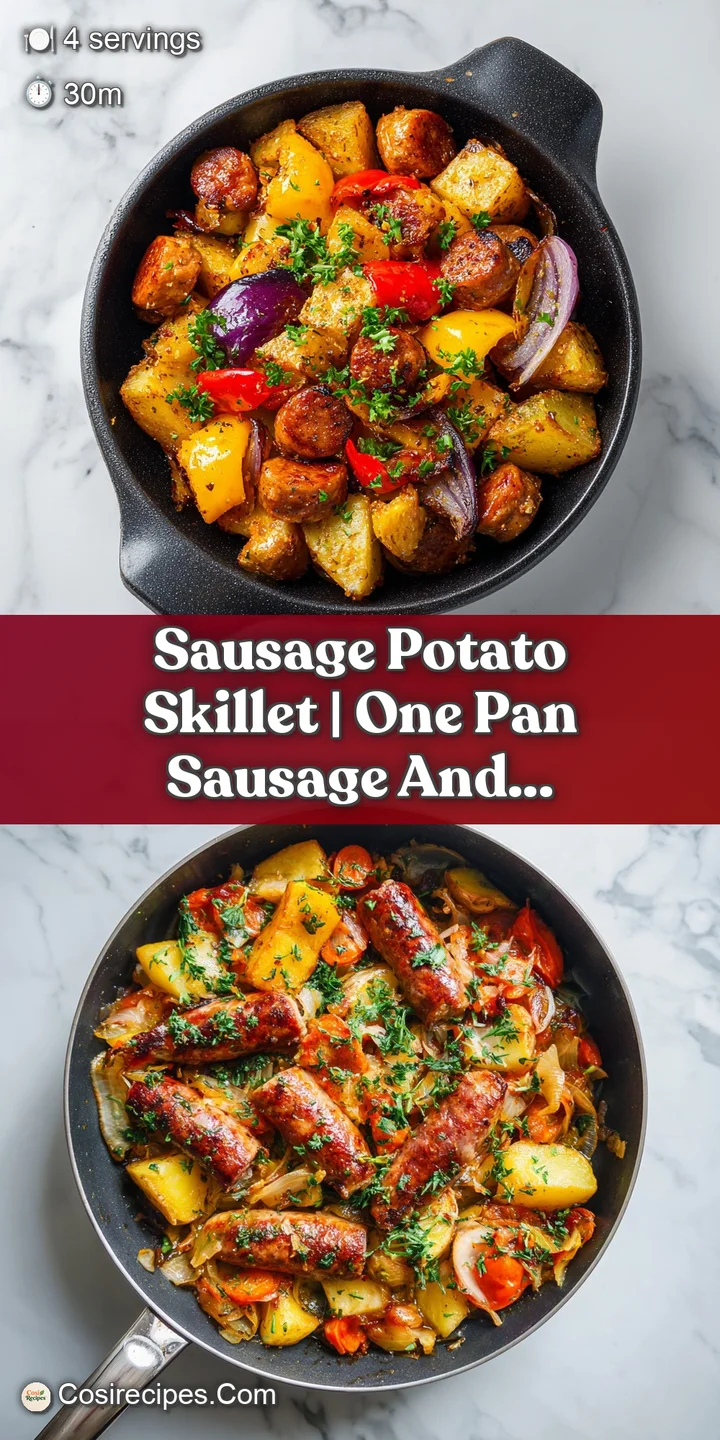
Very High in Sodium 🚨
1438 mg 1438 mg (63% 63%)
The American Heart Association recommends a limit of no more than 2,300mg of sodium per day, with an ideal limit of no more than 1,500mg for most adults.
Tips to Reduce Sodium
-
Choose Lower Sodium Sausage-25%
The smoked sausage (kielbasa) is the primary sodium contributor. Opt for a lower sodium or no-salt added variety. This can significantly reduce the overall sodium content.
-
Reduce Cheese Amount-15%
Sharp cheddar cheese adds a notable amount of sodium. Try using half the amount (1/2 cup) or a lower sodium cheddar alternative.
-
Omit or Reduce Added Salt-10%
The recipe calls for 1/2 tsp of kosher salt. Since smoked sausage is often very salty, you may be able to omit it entirely or use just a pinch. Taste before adding any additional salt.
-
Boost Flavor with Herbs & Spices
Enhance the flavor profile by using a generous amount of fresh parsley or chives, and ensure you're using flavorful spices like garlic powder and smoked paprika. Consider adding other salt free seasonings like onion powder or a pinch of cayenne pepper.
Recipe FAQs
Is it true I must boil the potatoes before adding them to the skillet?
No, this is a common misconception. You can achieve perfectly tender interiors by steaming them directly in the covered skillet for 5 minutes, which saves significant prep time.
How to get the potatoes crispy instead of mushy?
Pat your potato cubes dry with a paper towel before adding them to the skillet. Excess moisture creates steam that prevents a crust, so leave them undisturbed for 2-3 minutes at a time to allow a deep golden color to form.
Can I use a different type of potato instead of Yukon Gold?
Yes, but texture will vary. If you prefer the fluffier interior found in our scalloped potato preparation, you may find that starchy varieties break down more easily than the firm, creamy Yukon Gold.
How to prevent the garlic from burning?
Add the minced garlic only during the final 1-2 minutes of cooking. Since garlic burns rapidly in high heat, combining it with the sausage right at the end ensures it becomes fragrant without turning bitter.
Is it necessary to use a non-stick skillet?
No, but it makes cleanup significantly easier. A 12 inch heavy bottomed skillet works best to retain heat, ensuring your sausage edges achieve that signature dark mahogany finish.
Why is my cheese oily instead of melted and gooey?
Avoid using pre-shredded cheese. Pre-shredded bags contain anti caking agents that interfere with melting, so grate your own sharp cheddar for the smoothest finish.
How to tell when the sausage is perfectly cooked?
Look for a deep mahogany color on the sliced edges. This indicates the fat has rendered properly, which provides the flavor base needed to crisp your potatoes effectively.
Smoked Sausage Potato Skillet
Ingredients:
Instructions:
Nutrition Facts:
| Calories | 662 kcal |
|---|---|
| Protein | 24.4 g |
| Fat | 47.1 g |
| Carbs | 34.1 g |
| Fiber | 3.8 g |
| Sugar | 2.5 g |
| Sodium | 1438 mg |
