Homemade Tartar Sauce Recipe: Silky and Zesty
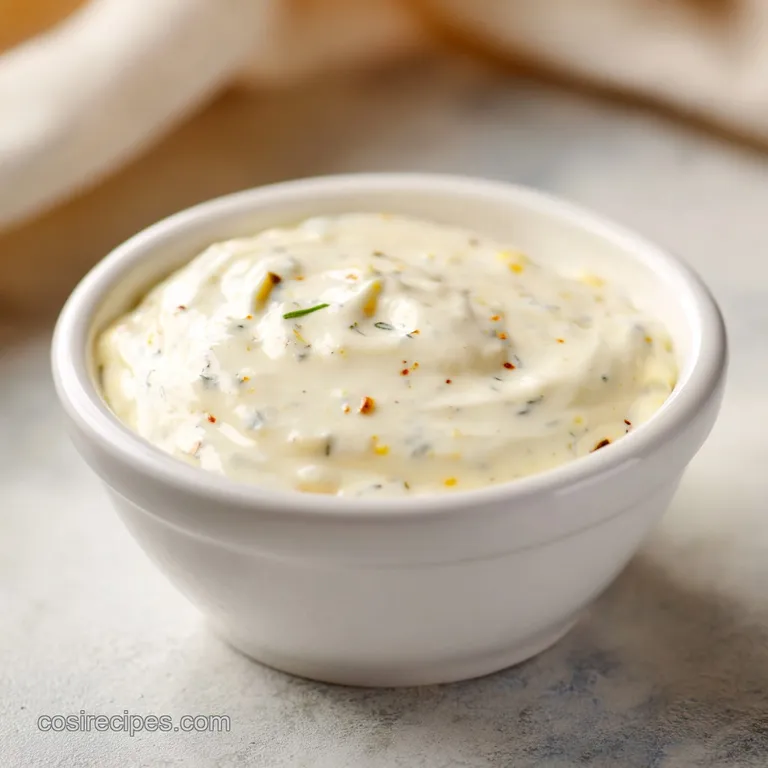
- Time: Active 5 minutes, Passive 0 minutes, Total 5 minutes
- Flavor/Texture Hook: Silky emulsion with a crunchy, briny "pop" from capers and pickles.
- Perfect for: Crispy fish tacos, grilled branzino, or as a tangy spread for salmon burgers.
- Why This Homemade Tartar Sauce Recipe Beats store-bought
- Key Techniques Explained
- Recipe Specs for Maximum Success
- Gathering Your Essentials
- Equipment Needed for a Sharp Prep
- The Cooking Process
- Common Mistakes & Troubleshooting
- Flavor Variations to Try
- Freezing and Reheating Guide
- Perfect Complements
- Recipe FAQs
- 📝 Recipe Card
Why This Homemade Tartar Sauce Recipe Beats store-bought
Imagine the sound of a crispy, golden beer battered cod fillet being sliced open that distinct "shatter" of the crust. Now, imagine ruining that moment by dipping it into a plastic tub of room temperature, sugary goo from the supermarket.
It’s a tragedy I’ve witnessed at too many beach cookouts, and honestly, your seafood deserves better than high fructose corn syrup masquerading as a sauce.
I transitioned to making my own after a disastrous dinner party where the store-bought jar smelled more like chemicals than lemons. I realized that a true Mediterranean style sauce isn't just a side; it's the component that brings the whole plate to life.
It’s the contrast between the hot, flaky fish and the cold, zingy cream that makes your taste buds wake up.
We’re going for a simple, fresh approach here. No weird thickeners, just high-quality fats and real herbs. Once you see how a splash of Worcestershire and a hit of smoked paprika transform a standard mayo base, you’ll never look at a pre made jar the same way again.
Trust me, the five minutes it takes to mince these pickles is the best investment you'll make all week.
Key Techniques Explained
The Physics of the Tangy Emulsion: Acid from the lemon juice and mustard partially breaks down the heavy fat molecules in the mayonnaise, resulting in a lighter mouthfeel that doesn't coat the palate too thickly.
This chemical "cutting" allows the delicate flavors of fresh fish to shine through rather than being buried in grease.
- Aromatic Suspension: Finely mincing the herbs ensures they stay suspended in the fat rather than clumping, releasing oils evenly.
- Osmotic Balance: Chopping the pickles and capers roughly "to order" prevents them from leaking too much water into the sauce before serving.
- Enzymatic Brightness: Fresh lemon juice provides citric acid that interacts with the salt to heighten the perception of "freshness" in the seafood.
- Depth Integration: Worcestershire sauce acts as a fermented flavor booster, providing an umami backbone that salt alone cannot achieve.
Method Comparison: Speed vs. Tradition
| Method | Prep Time | Texture | Best For |
|---|---|---|---|
| The 60 Second Blitz | 1 minute | Smooth/Pureed | Sandwiches and wraps |
| The Classic Mince | 5 minutes | Chunky/hand cut | Fried fish and shrimp |
| The Infused Overnight | 5 mins + chill | Deep/Complex | Gourmet dinner parties |
This sauce is quite similar to the flavor balancing act found in my Mustard Dipping Sauce recipe, where we use acidity to tame rich ingredients.
Recipe Specs for Maximum Success
When we talk about a homemade tartar sauce recipe, we’re aiming for a specific consistency. It shouldn't be as stiff as plain mayo, nor should it be as runny as a salad dressing. It needs to "hang" onto the fork just enough to coat your fish without sliding off into a puddle.
Component Analysis Table
| Ingredient | Science Role | Pro Secret |
|---|---|---|
| Mayonnaise | Primary Emulsifier | Use a version with eggs for a richer, velvety finish |
| Lemon Juice | Acidic Solvent | Zest the lemon first to add floral oils without more liquid |
| Dill Pickles | Textural Contrast | Pat them dry with paper towels to prevent a watery sauce |
| Smoked Paprika | Flavor Bridge | A tiny amount mimics the "char" of a grill |
Chef's Tip
Freeze your pickles for 5 minutes before mincing. It firms up the cell walls, allowing you to get a much cleaner, sharper dice that won't turn into mush under your knife.
Gathering Your Essentials
For this recipe, quality is everything because there is no cooking involved to hide subpar ingredients. You want the freshest herbs you can find if the parsley looks sad and wilted at the store, skip it and use dried dill instead (though fresh is always king).
- 1 cup (240g) high-quality mayonnaise: This is the foundation. Don't go low-fat; we need the silkiness.
- 1 tbsp (15ml) freshly squeezed lemon juice: Essential for that bright, Mediterranean zing.
- 1/3 cup (50g) dill pickles, finely minced: Look for "refrigerated" pickles for the best crunch.
- 1 tbsp (15g) non pareil capers, drained and roughly chopped: These add a salty, briny "pop".
- 1 tsp (5g) Dijon mustard: Why this? It acts as a secondary emulsifier and adds a subtle heat.
- 1 tbsp (4g) fresh dill, finely chopped: The signature flavor of any classic tartar.
- 1 tbsp (4g) fresh flat leaf parsley, finely chopped: Adds a clean, grassy finish to the fat.
- 0.5 tsp (2.5ml) Worcestershire sauce: The "secret" for deep umami.
- 0.25 tsp (1.5g) smoked paprika: Why this? It provides a hint of wood smoke that complements grilled fish.
- 1 pinch salt
- 1 pinch freshly cracked black pepper
If you are serving this alongside a lighter meal, it pairs beautifully with a Pan Seared Branzino recipe for a restaurant quality dinner.
Equipment Needed for a Sharp Prep
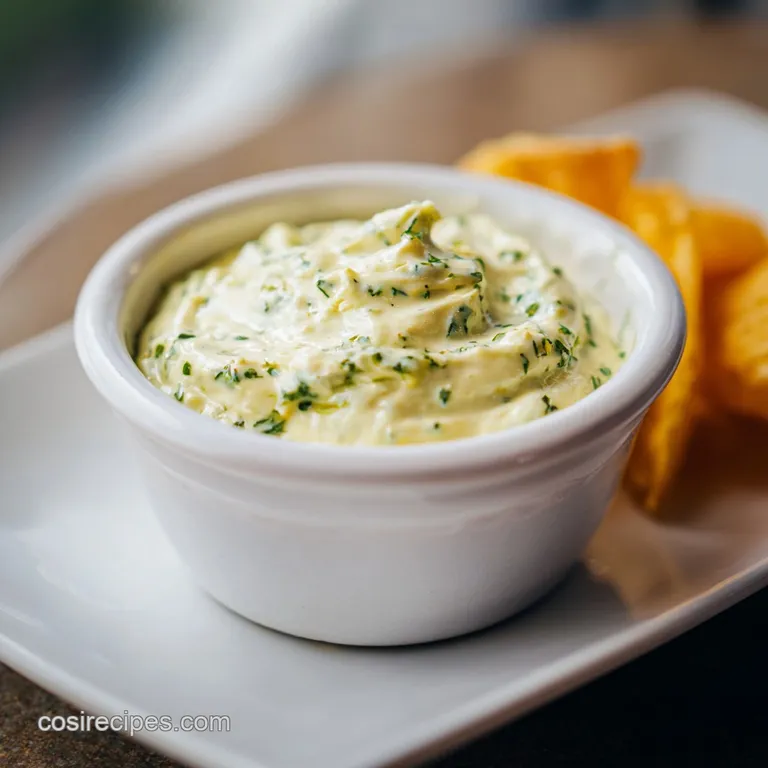
You don't need a pantry full of gadgets, but a few specific tools will make the texture much more refined. A dull knife is the enemy of a good tartar sauce because it bruises the herbs rather than cutting them, which leads to a bitter, "muddied" flavor.
- Stainless Steel Mixing Bowl: Non reactive metal is best when working with lemon juice and vinegar based pickles.
- A Sharp Chef's Knife: Essential for that precision mince on the capers and dill.
- Fine Mesh Strainer: Helpful for draining the capers and pickles so you don't end up with excess brine.
- Silicone Spatula: Best for "folding" the ingredients together to maintain the mayo's structure.
- Microplane (Optional): If you decide to add lemon zest for extra punch.
The Cooking Process
Even though there’s no heat involved, the order in which you combine these ingredients matters. We want to build the flavor in layers to ensure every bite is balanced.
- Prep the aromatics. Mince the 50g of dill pickles and 15g of capers until they look like small jewels. Note: Consistent size ensures a better mouthfeel.
- Combine the base. Place the 240g of mayonnaise in your bowl and whisk in the 5ml of Dijon mustard.
- Add the acids. Pour in the 15ml of fresh lemon juice and 2.5ml of Worcestershire sauce until the mixture looks glossy.
- Incorporate the spice. Fold in the 1.5g of smoked paprika, salt, and black pepper.
- Fold in the crunch. Add the minced pickles and capers, stirring gently with a spatula.
- Add the fresh herbs. Sprinkle in the 4g of fresh dill and 4g of parsley until the green flecks are evenly distributed.
- Taste and adjust. Dip a piece of cucumber or a cracker in; it should taste bright and sharp.
- Chill for depth. Cover and refrigerate for 30 minutes until the flavors have fully married.
Common Mistakes & Troubleshooting
The most common issue I see is a sauce that separates or becomes "weepy" after sitting for an hour. This usually happens because the pickles weren't drained well enough.
The Sauce is Too Runny
If your sauce looks more like a liquid than a dip, you likely had too much moisture in your add ins. This happens frequently if you use "relish" instead of freshly minced whole pickles. To fix it, whisk in another tablespoon of mayonnaise or a pinch of xanthan gum if you have it.
The Flavor is One Dimensional
Sometimes it just tastes like... mayo. This is usually a sign that you need more acid. Don't just add salt; add another teaspoon of lemon juice or a tiny splash of the pickle brine itself. The acidity "unlocks" the other flavors.
| Problem | Root Cause | Solution |
|---|---|---|
| Separation | Excess liquid from pickles | Pat aromatics bone dry before mixing |
| Overly Salty | Too much caper brine | Add a pinch of sugar or more mayo to dilute |
| Bitter Aftertaste | Bruised fresh herbs | Use a sharper knife and don't "over chop" |
Common Mistakes Checklist
- ✓ Never use "Miracle Whip" or salad dressing bases; they are too sweet for this profile.
- ✓ Don't skip the Worcestershire; it provides the savory "meatiness" that balances the lemon.
- ✓ Avoid the food processor for the pickles; the "shatter" of hand cut chunks is superior.
- ✓ Let the sauce sit for at least 15 minutes before serving to allow the dried spices to hydrate.
- ✓ Always use fresh lemon; bottled juice has a "tinny" preservative flavor that ruins the finish.
Flavor Variations to Try
While the classic version is hard to beat, I love playing with the heat levels or swapping out the herbs depending on what seafood I'm serving. For example, if I'm making a Mediterranean Whole Roasted recipe, I might lean heavier on the parsley and add a bit of garlic.
- The "No Relish" Fresh Twist: Replace the pickles with finely diced cucumber and a splash of white wine vinegar. This creates a much "greener," garden fresh profile that is incredibly light.
- The Spicy Southwestern: Stir in a teaspoon of minced chipotle in adobo or a dash of cayenne pepper. This version is fantastic with fried shrimp or calamari.
- The Vegan Swap: Use a high-quality vegan mayo (like those made with avocado oil or aquafaba). The flavor holds up surprisingly well because the capers and lemon do the heavy lifting.
- The Horseradish Kick: Add 1 teaspoon of prepared horseradish. This version is sharp and clears the sinuses perfect for oily fish like mackerel or sardines.
Freezing and Reheating Guide
Because this is a mayonnaise based sauce, do not freeze it. When mayo freezes, the emulsion breaks, and you'll thaw out a greasy, separated mess that cannot be saved. It’s a 5 minute recipe, so it's always better to make it fresh or in small batches.
Storage: Keep your sauce in an airtight glass jar in the fridge. It will stay fresh and safe to eat for up to 7 days. In fact, it often tastes better on day two because the garlic and herb oils have had time to penetrate the fat.
Zero Waste Tip: If you have leftovers that are nearing the 7 day mark, don't toss them! Use the leftover tartar sauce as a marinade for chicken breasts or as a creamy base for a cold potato salad. The acid in the sauce helps tenderize the meat, and the herbs are already perfectly balanced for spuds.
Perfect Complements
This sauce is the natural partner for anything that has been fried or roasted to a crisp. The "bright vs. rich" contrast is what makes it a staple in Mediterranean cooking.
- Crispy Proteins: It’s the law to serve this with fish and chips, but try it with panko crusted chicken schnitzel too.
- Grilled Seafood: A dollop on top of a grilled swordfish steak adds a velvety finish that prevents the fish from feeling "dry".
- Vegetable Fritters: If you're making zucchini or corn fritters, this sauce provides the necessary tang to cut through the oil.
- Raw Bar: It works surprisingly well as a dip for chilled shrimp if you're tired of standard cocktail sauce.
Decision Shortcut
- If you want Maximum Crunch, use extra large capers and chop them very roughly.
- If you want Deepest Flavor, make the sauce 24 hours in advance and keep it chilled.
- If you want Lower Calorie, swap half the mayo for Greek yogurt (note: this will be much more tart).
There you have it a simple, fresh, and honestly addictive version of a classic. Once you taste that first bite of crispy fish dipped into this velvety, citrus forward sauce, the store-bought jars will be a thing of the past. Happy cooking!
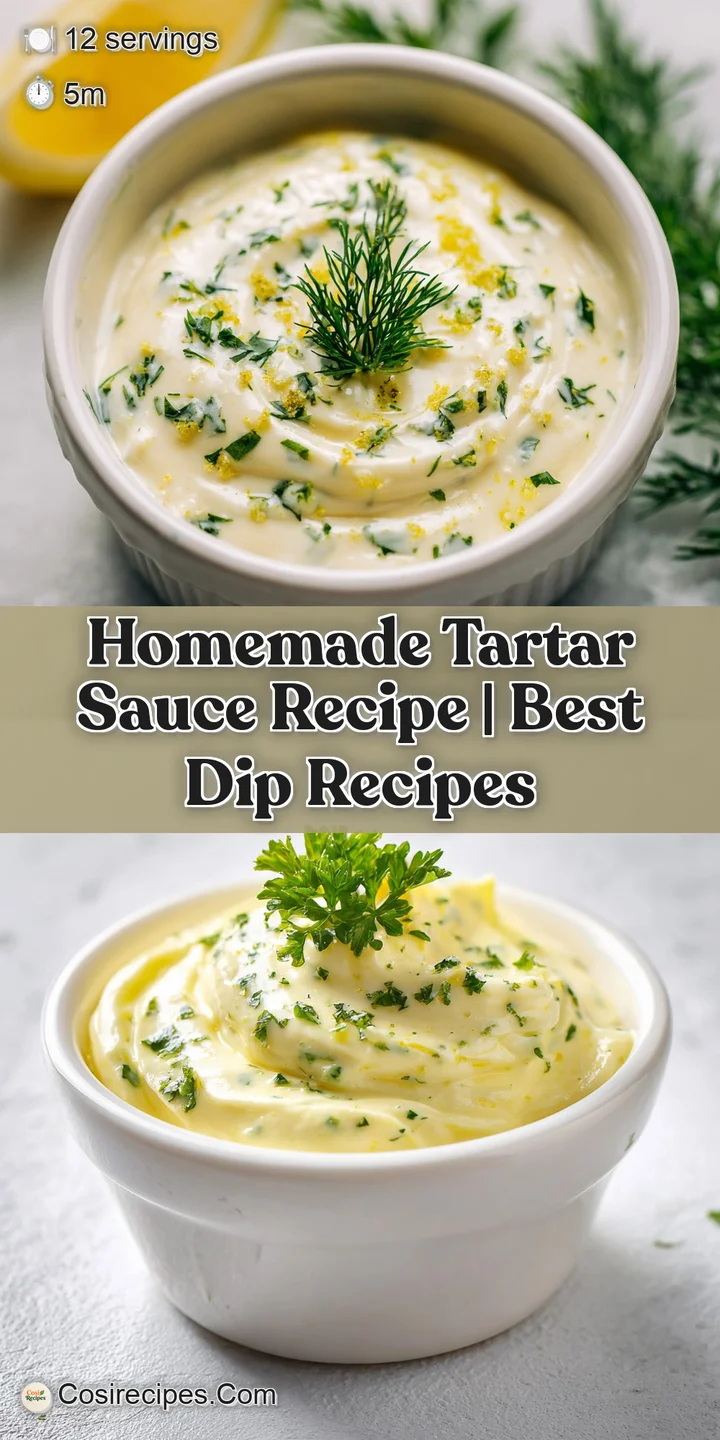
Recipe FAQs
What are the main ingredients in a homemade tartar sauce?
Mayonnaise, finely minced pickles, capers, fresh lemon juice, and fresh herbs. The quality of the mayonnaise sets the foundation for the velvety texture, while the capers and pickles provide the signature salty, crunchy contrast.
What's the secret to making the best homemade tartar sauce?
Use fresh ingredients and don't skip the umami booster. Specifically, patting the pickles dry before mixing prevents a watery sauce, and adding a splash of Worcestershire sauce provides a depth of flavor that salt alone cannot achieve.
How do I make a Gordon Ramsay style tartar sauce?
Use tarragon and a higher ratio of lemon zest for brightness. Ramsay often favors finely chopped capers and cornichons over standard dill pickles, along with a touch of finely minced shallot for a sharper aromatic base.
What's the best way to ensure the sauce doesn't separate or get runny?
Thoroughly drain all wet ingredients before incorporating them into the mayo. If you are worried about separation, whisking in Dijon mustard first acts as a secondary emulsifier, stabilizing the base before adding the chunky elements.
How long should I chill homemade tartar sauce before serving?
Chill for at least 30 minutes to allow the flavors to marry. While you can eat it immediately, the flavors of the herbs and spices infuse much deeper into the fatty base when given time to rest in the refrigerator.
Can I substitute jarred relish for fresh minced pickles?
No, substituting relish will result in a sweeter, runnier sauce. Relish contains added sugar and much more water than whole pickles, which interferes with the desired sharp, savory profile; this is why we insist on patting dry the whole pickles.
What seafood pairs best with a brightly flavored homemade tartar sauce?
It pairs excellently with any crispy fried or roasted white fish. The sauce's high acid content cuts through the richness of the frying oil, making it a perfect counterpart for dishes like classic fried cod or a side for your next batch of [Baked Cod with Lemon Butter recipe].
Velvety Homemade Tartar Sauce
Ingredients:
Instructions:
Nutrition Facts:
| Calories | 138 kcal |
|---|---|
| Protein | 0.2 g |
| Fat | 15.1 g |
| Carbs | 0.4 g |
| Fiber | 0.1 g |
| Sugar | 0.3 g |
| Sodium | 215 mg |
