Authentic Cajun Dirty Rice Recipe
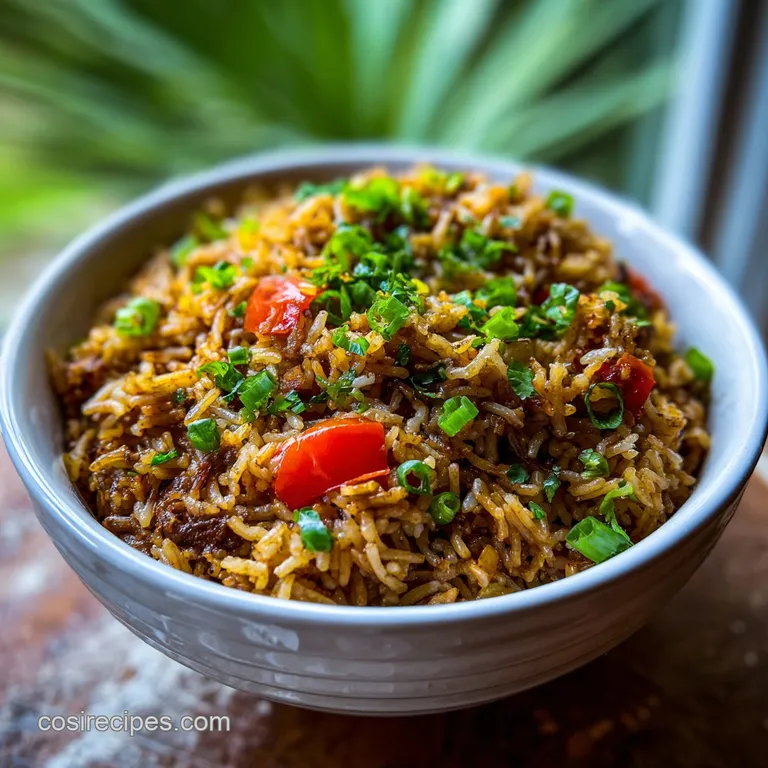
- Time: Active 15 minutes, Passive 30 minutes, Total 45 minutes
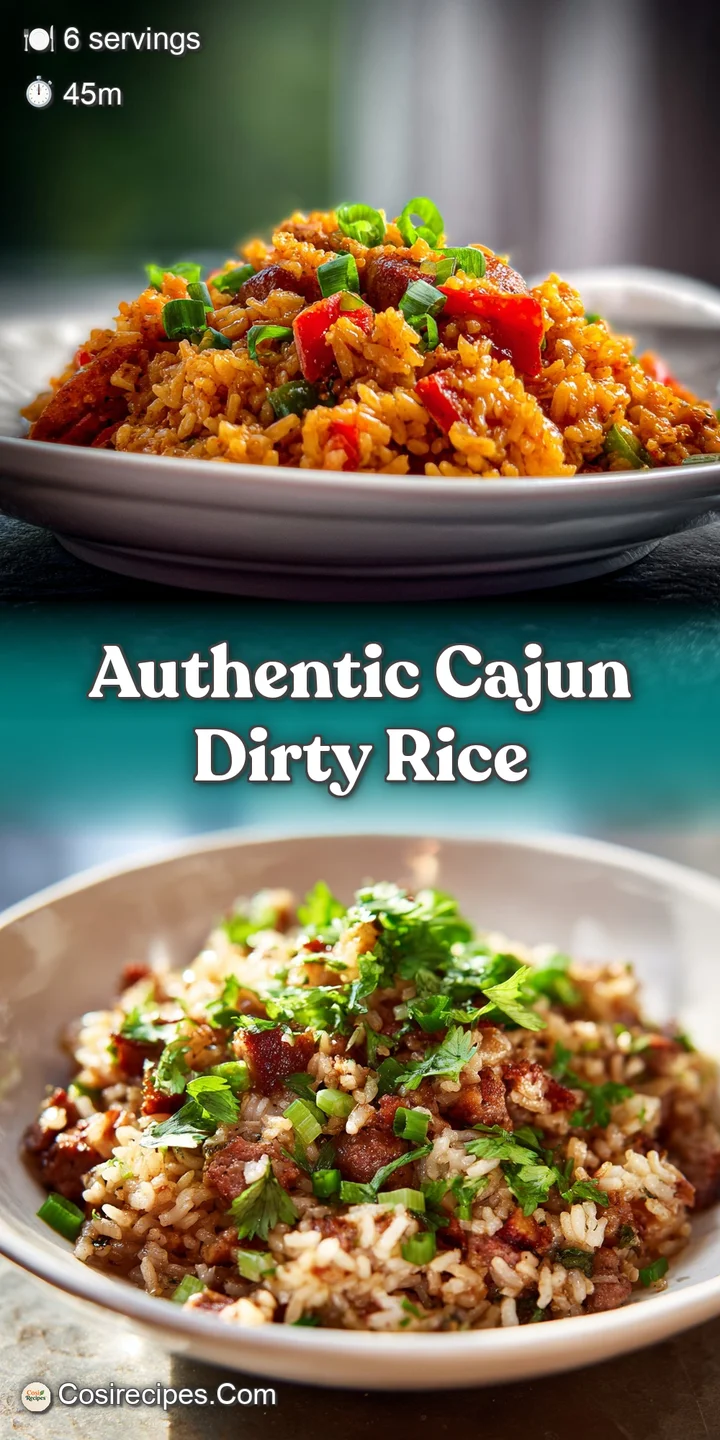
- Flavor/Texture Hook: Smoky, earthy, and intensely savory with fluffy, separated grains
- Perfect for: Sunday family feasts or a hearty weeknight meal prep
- Crafting the Boldest Cajun Dirty Rice Recipe
- The Physics of Savory Grains
- The Science of Flavor Components
- The Hearty Components of Flavor
- Essential Tools for Smoky Results
- Step by Step to Savory Bliss
- Avoiding Mushy Grains and Mistakes
- Customizing Your Pot of Gold
- Keeping Leftovers Savory and Fresh
- Myths About Cajun Rice
- Plating Your Hearty Southern Feast
- Decision Shortcut
- Very High in Sodium
- Recipe FAQs
- 📝 Recipe Card
Crafting the Boldest Cajun Dirty Rice Recipe
The first time I heard the sizzle of andouille hitting a hot cast iron skillet, I knew my kitchen was about to change forever. I used to think rice was just a side player, something to catch the gravy, but in the heart of Louisiana, rice is the main event.
I remember standing in a cramped kitchen in the French Quarter, watching a local cook toss what looked like a "dirty" mess into a bowl. The aroma was thick with black pepper, smoked pork, and that unmistakable, earthy scent of searing liver.
It was a revelation of contrast: the dark, heavy richness of the meat meeting the bright, snappy crunch of fresh green peppers.
I'll be honest with you the first time I tried making this at home, I skipped the chicken livers because I was squeamish. Big mistake. It tasted like plain old beef rice, missing that characteristic soul that makes this dish legendary. You need that "dirt" for the depth.
We're going to build layers of flavor here, from the rendering fat of the sausage to the toasted edges of the rice grains. By the time we're done, you won't just have a meal; you'll have a smoky, savory masterpiece that feels like a warm hug from the Bayou.
Trust me on this: don't fear the liver. When it's finely minced and sautéed until it virtually disappears into the sauce, it provides a velvety background note that rounds out the heat of the cayenne.
We're going for a dish that is bold and comforting, where every bite offers a different texture from the tender ground beef to the firm, spicy chunks of andouille. It's brilliant, it's hearty, and it’s about to become your new favorite way to eat grains.
The Physics of Savory Grains
Maillard Reaction: Browning the beef, pork, and liver at high heat creates complex flavor compounds that provide the signature "dirty" color and deep umami.
Starch Gelatinization: Rinsing the rice removes excess surface starch, ensuring the grains remain distinct and fluffy rather than turning into a gummy mass.
Fat Emulsification: The rendered fat from the sausages coats each grain of rice, acting as a flavor carrier for the dried thyme and Cajun spices.
| Method | Time | Texture | Best For |
|---|---|---|---|
| Cast Iron Skillet | 45 minutes | Crispy bottom (socarrat) | Maximum smoky flavor |
| Instant Pot | 25 minutes | Softer, uniform grains | Busy weeknights |
| Dutch Oven | 50 minutes | Very tender and moist | Large family gatherings |
Choosing the right method depends on how much you value that "crunch." If you want those little crispy bits at the bottom, stick with the heavy skillet. The Instant Pot is a lifesaver for speed, but you'll lose a bit of that textured contrast between the meat and the rice.
The Science of Flavor Components
| Ingredient | Science Role | Pro Secret |
|---|---|---|
| Chicken Livers | Depth/Color | Mince them while semi frozen for a cleaner, finer texture |
| Long Grain Rice | Structure | Toast the dry rice in meat fat for 2 minutes before adding liquid |
| Low Sodium Broth | Hydration | Use beef broth for a darker look; chicken for a lighter touch |
| Andouille Sausage | Smoke/Fat | Dice small so you get a bit of smoke in every single forkful |
The "Holy Trinity" of onion, celery, and bell pepper isn't just for flavor; the high water content in these vegetables helps deglaze the pan, picking up all those browned bits of meat (the fond) and reincorporating them into the rice as it simmers.
The Hearty Components of Flavor
Right then, let's look at what we’re working with. This list might look long, but every piece plays a role in that savory symphony.
- 0.5 lb ground beef (80/20): Provides the rich, fatty base. Why this? The 20% fat is crucial for toasting the rice later.
- Substitute: Ground turkey (Note: You'll need to add 1 tbsp of oil).
- 0.5 lb ground pork or breakfast sausage: Adds a sweet, herbal note. Why this? Pork fat has a lower melting point, coating grains beautifully.
- Substitute: Ground chicken sausage.
- 0.5 lb andouille sausage, finely diced: The source of smoke and spice. Why this? Authentic Cajun flavor relies on this specific smoked link.
- Substitute: Smoked kielbasa with a pinch of extra cayenne.
- 0.25 lb chicken livers, very finely minced: The "dirty" in the rice. Why this? Provides mineral depth and the classic dark color.
- Substitute: Extra ground pork (but the color will be lighter).
- 1 large yellow onion, finely diced: The aromatic foundation.
- Substitute: White onion or 3 large shallots.
- 1 medium green bell pepper, finely diced: Adds a sharp, vegetal bite.
- Substitute: Poblano pepper for a subtle, earthy heat.
- 2 stalks celery, finely diced: Provides texture and savory "salty" notes.
- Substitute: 1/2 tsp celery seed if you're in a pinch.
- 4 cloves garlic, minced: Essential for that punchy finish.
- Substitute: 1 tsp garlic powder added to the dry spices.
- 2 cups long grain white rice, rinsed: The canvas for our flavors.
- Substitute: Jasmine rice (reduce broth by 1/4 cup).
- 3.5 cups low sodium beef or chicken broth: The cooking medium.
- Substitute: Water with 2 bouillon cubes.
- 2 tbsp cajun seasoning: The primary spice profile.
- Substitute: A mix of paprika, garlic powder, onion powder, and oregano.
- 1 tsp dried thyme: Adds an earthy, floral aroma.
- Substitute: 1 tbsp fresh thyme leaves.
- 2 whole bay leaves: Infuses a subtle tea like complexity.
- 0.25 tsp cayenne pepper: For that back of-the throat kick.
- 0.5 cup green onions, sliced: The necessary bright finish.
Chef's Tip: Freeze your chicken livers for about 15 minutes before mincing. It makes them much easier to handle and ensures they turn into a paste like consistency that melts into the dish rather than leaving chunky "organ" bites.
Essential Tools for Smoky Results
You don't need a professional kitchen, but a heavy bottomed pot is non negotiable here. A cast iron skillet (like a Lodge) or a heavy Dutch oven is the way to go. These hold heat evenly, which is vital for browning the meat without boiling it in its own juices.
You'll also want a fine mesh strainer to rinse that rice until the water runs clear don't skip this, or you'll end up with a gummy porridge.
A sharp chef's knife is your best friend for the "Holy Trinity." You want the onion, pepper, and celery to be roughly the same size as the grains of rice so they distribute evenly. If you have a food processor, you can pulse the chicken livers in there to save time, just don't turn them into liquid! This hearty dish pairs exceptionally well with our Cajun Shrimp and Grits recipe if you're looking to host a full Southern style brunch.
step-by-step to Savory Bliss
- Brown the meat. Place the ground beef and ground pork in a large heavy skillet over medium high heat. Note: This creates the flavor base. Cook 5-7 minutes until deeply browned and crumbly.
- Add the sausages. Stir in the diced andouille and minced chicken livers. Note: The liver will look dark and messy; that's exactly what we want. Sauté 4 minutes until the liver is no longer pink.
- Sauté the trinity. Toss in the onion, green pepper, and celery. Note: Use the moisture from the veggies to scrape the bottom of the pan. Cook 6 minutes until the onions are translucent and soft.
- Aromatics in. Add the minced garlic and stir for exactly 60 seconds until the scent fills the kitchen.
- Spice it up. Sprinkle in the Cajun seasoning, dried thyme, and cayenne pepper. Note: Toasting the spices in the fat wakes up the oils.
- Toast the rice. Add the rinsed rice directly to the meat mixture. Stir well to coat every grain in fat. Cook 2 minutes until the edges of the rice look slightly clear.
- Liquids and leaves. Pour in the broth and drop in the bay leaves. Note: Bring the mixture to a rolling boil before dropping the heat.
- Simmer and steam. Reduce heat to low, cover with a tight fitting lid, and let it simmer. Cook 18-20 minutes until all liquid is absorbed.
- The big rest. Turn off the heat but leave the lid on. Note: This allows the steam to finish the grains without burning the bottom. Wait 10 minutes to ensure the fluffiest texture.
- The finish. Remove the lid, discard the bay leaves, and fluff with a fork. Fold in the fresh green onions until the bright green pops against the dark rice.
Avoiding Mushy Grains and Mistakes
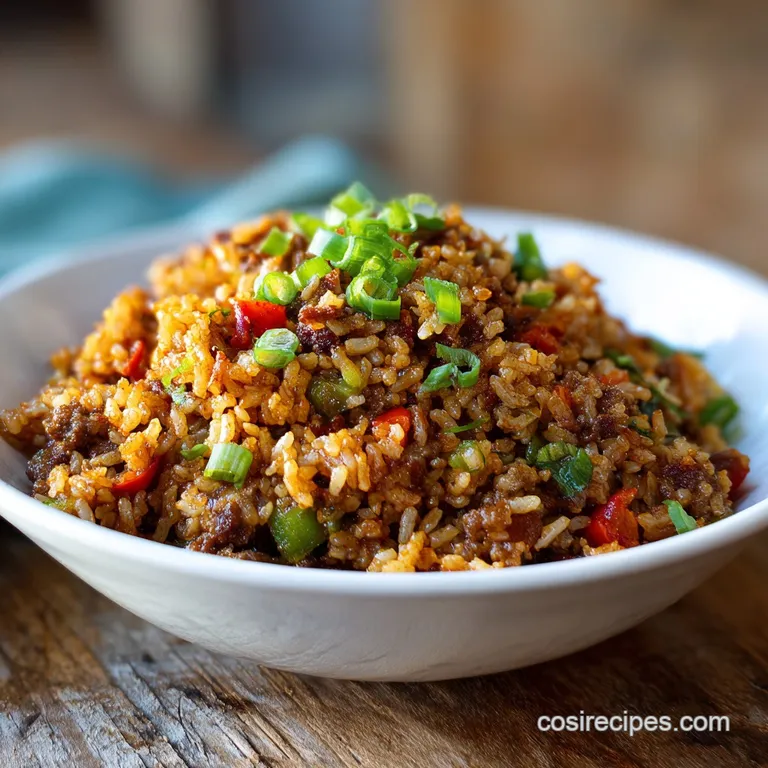
The biggest heartbreak in a Cajun kitchen is mushy rice. It happens when there's too much agitation or too much liquid. Once you put that lid on, leave it alone! Peeking releases the steam that's doing the heavy lifting. Also, if you’re using a store-bought Cajun seasoning, check the salt content.
Some brands are basically flavored salt, so you might want to hold back on adding any extra kosher salt until the very end.
Why Your Dirty Rice is Mushy
If your grains are clumping together, you likely skipped the rinsing step. Rice is coated in surface starch that turns into glue when heated. If the dish feels "flat," it’s probably missing the liver or enough acidity. A tiny squeeze of lemon at the very end can brighten the whole pot.
| Problem | Root Cause | Solution |
|---|---|---|
| Gummy Texture | Excess surface starch | Rinse rice 3-4 times until water is clear |
| Bland Flavor | Not enough browning | Sear meat longer until dark brown crust forms |
| Crunchy Rice | Lid was opened too often | Add 2 tbsp broth, cover, and rest 10 mins |
Common Mistakes to Avoid:
- ✓ Never skip rinsing the rice; it's the difference between fluffy grains and a brick.
- ✓ Don't drain the fat after browning the beef; that fat is where the flavor lives.
- ✓ Avoid stirring the rice while it simmers; this breaks the grains and releases starch.
- ✓ Don't forget the rest period; the carryover steam is what perfects the texture.
- ✓ Check your seasoning saltiness before adding the full 2 tablespoons.
Customizing Your Pot of Gold
If you’re cooking for a smaller crowd, this recipe halves beautifully. Just use a smaller pot to ensure the liquid level is deep enough for the rice to submerge. For a larger party, you can double it easily, but I recommend working in two separate pans for the browning stage.
Overcrowding the pan leads to steaming rather than searing, and you’ll lose that dark "dirty" color.
If you love this flavor profile but want something a bit different, the technique is very similar to our Charleston Red Rice recipe, which uses tomatoes for a bright, acidic twist.
| Fresh Ingredient | Shortcut Swap | Flavor Impact |
|---|---|---|
| Fresh Chicken Livers | Quality Liver Pâté | More velvety, less metallic |
| Fresh Holy Trinity | Frozen Seasoning Blend | Slightly softer veggies |
| Homemade Broth | Water + Better Than Bouillon | More consistent salt levels |
- Seafood Version
- Swap the ground beef for chopped shrimp and crawfish tails added in the last 5 minutes.
- Spicier Kick
- Add 1 diced jalapeño (with seeds) to the trinity.
- Extra Smokiness
- Add a dash of liquid smoke or a tablespoon of smoked paprika.
Keeping Leftovers Savory and Fresh
Dirty rice is actually one of those rare dishes that tastes even better the next day. The spices have time to permeate the grains, and the flavors "marry" in the fridge.
- Storage: Keep in an airtight container in the fridge for up to 4 days.
- Freezing: This freezes beautifully! Put it in freezer bags, press flat, and keep for up to 3 months.
- Reheating: To avoid drying it out, add a splash of broth or water before microwaving. Or, better yet, fry it in a skillet with a little butter to get some crispy edges.
- Zero Waste: If you have leftover "dirty" meat mix but no rice, use it as a filling for stuffed bell peppers or as a savory topping for baked potatoes.
Myths About Cajun Rice
One big misconception is that "dirty" rice is the same as rice dressing. While they’re cousins, dirty rice is cooked with the meat and rice all in one pot, whereas rice dressing often mixes cooked rice into a pre made meat sauce. Another myth is that the liver makes the dish taste "bloody" or overly metallic.
When sautéed correctly with the trinity and spices, the liver loses its aggressive edge and simply provides a deep, savory foundation that makes the other meats taste "meatier."
Another common one? That you need a special "Cajun rice" grain. Plain long grain white rice is the traditional choice. Some people try to use brown rice for health, but it changes the texture significantly it stays too chewy and doesn't absorb the fats as readily.
Stick to the white rice for that authentic, melt in-your mouth experience.
Plating Your Hearty Southern Feast
When it comes to serving, keep it bold and rustic. This isn't a dish for dainty plates. Use wide, shallow bowls so the rice can spread out. I love to pile it high and garnish with a generous amount of fresh green onions and maybe a few shakes of Tabasco or Crystal hot sauce.
- Rich
- Rendered beef and pork fat.
- Smoky
- Diced andouille sausage.
- Bright
- Fresh green onions and bell pepper.
- Earthy
- Dried thyme and chicken liver.
For a true Southern spread, serve this alongside some fried catfish or a big pile of braised collard greens. The acidity in the greens cuts through the richness of the rice perfectly. If you have guests who are sensitive to heat, serve a bowl of Yum Yum Sauce Recipe on the side it’s not traditional, but the creamy, slightly sweet sauce is a fantastic foil to the spicy Cajun heat.
- 1. Meat Temperature
- Ensure the ground meats reach 165°F before adding the rice.
- 2. Liquid Ratio
- Use exactly 1.75 cups of broth for every 1 cup of rice for this specific recipe (3.5 cups total for 2 cups rice).
- 3. Rest Time
- Do not touch the pot for at least 10 full minutes after turning off the heat.
Decision Shortcut
- If you want a smokier flavor: Double the andouille and sear it until the edges are black.
- If you want it kid friendly: Omit the cayenne and use "mild" breakfast sausage instead of spicy pork.
- If you want a "crispy" finish: After cooking, spread the rice on a sheet pan and broil for 3-4 minutes.
Very High in Sodium
1180 mg 1180mg of sodium per serving (51% 51% of daily value)
The American Heart Association recommends limiting sodium intake to about 2,300mg per day for most adults. This recipe significantly exceeds that recommendation.
Tips to Reduce Sodium in Your Jambalaya
-
Low-Sodium Broth is Key-30%
Switch to a truly low-sodium or no-salt added beef or chicken broth. Standard broth can be very high in sodium. This simple swap makes a big difference.
-
Reduce Andouille Sausage-25%
Andouille sausage is a major sodium contributor. Reduce the amount used by half or substitute with a low-sodium smoked sausage or more ground pork.
-
Cut Back on Cajun Seasoning-20%
Cajun seasoning is often loaded with sodium. Reduce the amount used by half or create your own blend from scratch, omitting the salt completely.
-
Choose Lower Sodium Meats-15%
Opt for fresh, unseasoned ground beef and ground pork/sausage instead of pre-seasoned options. Season them yourself, controlling the sodium content.
-
Boost Flavor with Herbs & Spices
Enhance the flavor of your jambalaya with fresh herbs like parsley and cilantro, and spices like smoked paprika, garlic powder, and onion powder. These add flavor without adding sodium.
-
Garlic Boost
Instead of increasing the salt, add more fresh garlic to make the flavor of the dish stronger. This may reduce the need for as much salt.
Recipe FAQs
What exactly is dirty rice?
It is a traditional Louisiana rice dish. Dirty rice gets its name from the dark color imparted by finely ground meat, historically including chicken livers, which colors the rice mixture.
What's in Cajun dirty rice?
Ground meats, the Holy Trinity, and rice. The core ingredients are long grain rice cooked with ground beef, pork, smoked andouille sausage, and the essential Cajun holy trinity of onion, celery, and bell pepper.
What gives dirty rice its flavor?
The flavor comes from deeply browned meats and smoked sausage. Searing the beef and pork aggressively builds a rich fond, while the andouille provides necessary smoke and spice that penetrates the grains during simmering.
What is the difference between Creole and Cajun dirty rice?
Creole versions often include tomatoes, while Cajun versions do not. Creole dirty rice typically uses a richer, wetter base similar to jambalaya, whereas the Cajun style focuses purely on the meat, broth, and seasonings for its color and flavor.
How do I prevent my Cajun dirty rice from becoming gummy?
Rinse the rice thoroughly before cooking. Surface starch is the culprit for gumminess, so rinse until the water runs completely clear, which promotes separate, fluffy grains.
Must I use chicken livers for authentic Cajun dirty rice?
No, but they are highly recommended for the classic depth. The livers provide the signature earthy, mineral note and the dark color; if you omit them, consider adding extra smoked sausage or a small amount of pâté to compensate.
How should I cook the rice portion for the best texture?
Toast the dry, rinsed rice in the rendered meat fat for two minutes. This crucial step seals the exterior of the grain, ensuring it absorbs the flavorful broth without turning mushy, much like we use fat to coat grains when making Homemade Spaetzle Recipe.
Authentic Cajun Dirty Rice
Ingredients:
Instructions:
Nutrition Facts:
| Calories | 568 kcal |
|---|---|
| Protein | 28g |
| Fat | 24g |
| Carbs | 56g |
| Fiber | 2.5g |
| Sugar | 3g |
| Sodium | 1180mg |
