Authentic German Frikadellen Recipe
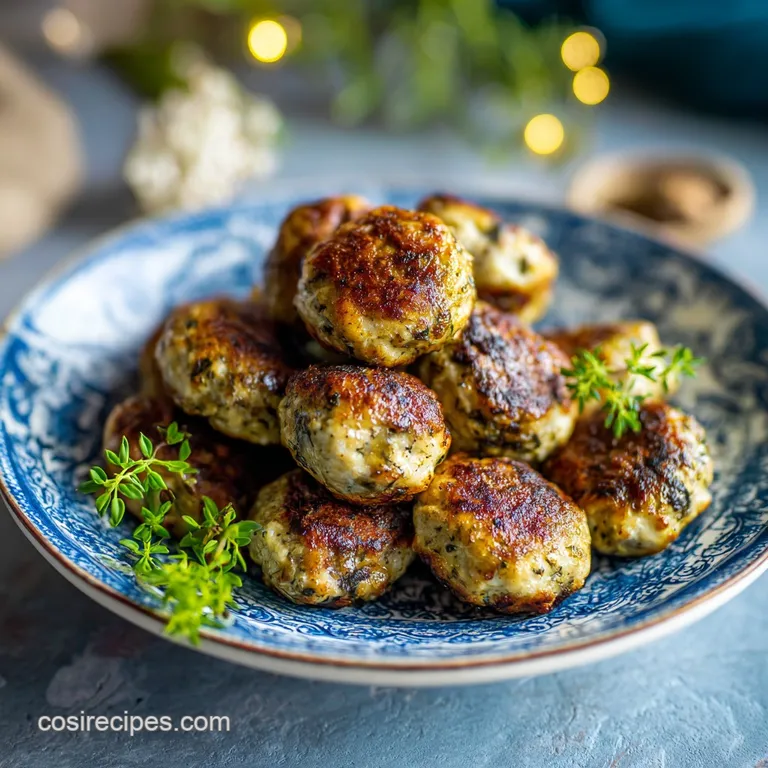
- Time: Active 15 minutes, Passive 15 minutes, Total 30 minutes
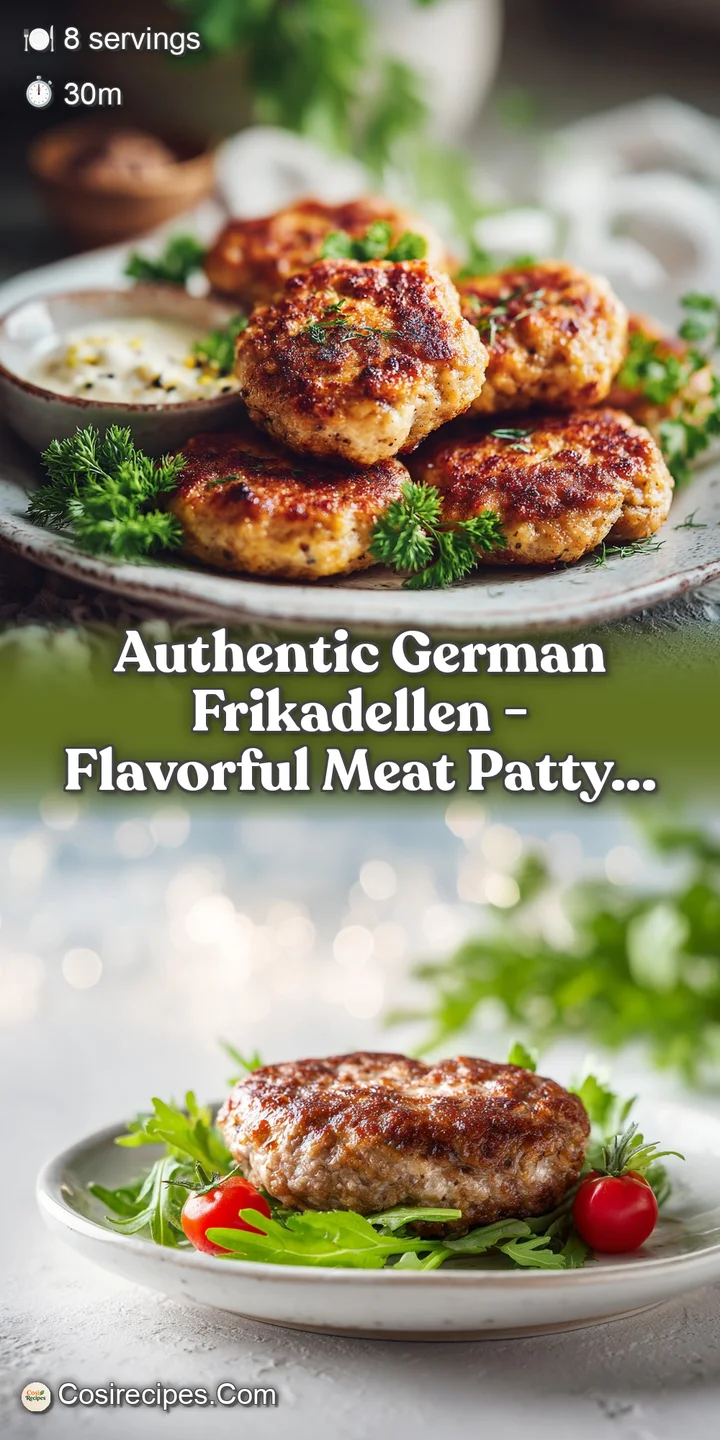
- Flavor/Texture Hook: Savory, onion laced meat with a velvety interior and mahogany sear
- Perfect for: Busy weeknights or a traditional Sunday lunch
- Mastering the Savory Crunch of Authentic German Frikadellen
- Decoding the Science of the Panade
- Essential Component Analysis
- Your Authentic Shopping List
- Kitchen Tools for Success
- Masterclass Instructions for Success
- Solving Common Cooking Hurdles
- Adjusting the Batch Size
- Debunking Kitchen Tales
- Storage and Zero Waste
- Traditional Serving Ideas
- Recipe FAQs
- 📝 Recipe Card
Mastering the Savory Crunch of Authentic German Frikadellen
The first time I stood over a cast iron pan in a tiny kitchen in Bavaria, the aroma nearly floored me. It wasn't just meat frying, it was the specific, nostalgic scent of marjoram and slowly caramelizing onions hitting hot fat.
I watched as my friend's grandmother flicked a droplet of water into the pan; it danced and hissed, signaling the perfect moment to drop the meat. The sound was a rhythmic, aggressive sizzle that promised a crust so thick it would shatter when bitten into.
I spent the next hour trying to decode why her version was so much more addictive than the rubbery meatballs I'd made at home. She didn't use a measuring cup, but she did have a "secret" that changed everything: a soaked white roll that looked like a soggy mess but felt like silk.
That was the moment I realized that an authentic german frikadellen is less like a hamburger and more like a savory, pan-fried cloud of seasoned beef and pork.
We've all been there, staring at a dry, crumbly meatball that tastes like nothing but salt. This recipe fixes that forever. We are going to use a mix of beef and pork for the fat content, a specific soaking technique for the bread, and a heat management strategy that ensures the inside stays tender while the outside gets that gorgeous mahogany finish.
Trust me on this, once you try the panade method, you'll never touch dry breadcrumbs again.
Decoding the Science of the Panade
Starch Gelatinization: The starches in the soaked white roll trap moisture and fat during the sear, creating a physical barrier that prevents the protein fibers from tightening and squeezing out juices.
This results in a velvety interior that remains soft even if the exterior is cooked to a deep, flavorful brown.
| Cooking Method | Total Time | Texture Outcome | Best Use Case |
|---|---|---|---|
| Traditional Stovetop | 15 minutes | Thick, dark crust with maximum sear | Traditional dinners |
| Oven Finished | 22 minutes | Uniform cooking, less mess, lighter crust | Large batches or meal prep |
| Air Fryer | 12 minutes | Very crispy exterior, slightly drier | Quick snacks |
If you are looking for a complete meal, this authentic german frikadellen pairs perfectly with an Authentic German Potato recipe to keep that traditional vibe going. The acidity of the salad cuts through the rich fat of the pork and beef beautifully.
Essential Component Analysis
| Ingredient | Science Role | Pro Secret |
|---|---|---|
| Stale White Roll | Provides structural moisture | Squeeze it until it’s damp, not dripping |
| Ground Beef & Pork | Fat to lean balance | Use 80/20 beef for the best flavor |
| Medium Hot Mustard | Emulsifier and tang | Brings out the beefiness without being spicy |
| Dried Marjoram | Signature floral note | Rub it between your palms to wake it up |
Choosing the right bread is the foundation of this dish. A fresh roll has too much air and not enough structural integrity, which is why we want something that has been sitting on the counter for a day or two.
If you are in a pinch and don't have a roll, you can use two slices of white bread with the crusts removed, though the texture won't be quite as robust.
Your Authentic Shopping List
To make this properly, you need the right balance of fats and aromatics. I always lean toward getting my meat from a butcher if possible, as the grind size impacts how the patties hold together.
- 250g ground beef (80/20): Essential for that deep, umami base.
- 250g ground pork: Adds the necessary fat and a lighter, sweeter flavor.
- 1 large egg: The glue that binds the panade to the proteins.
- 1 stale white roll: This is the "soul" of the frikadellen.
- 120ml whole milk: Why this? Hydrates the bread fibers better than water, adding subtle richness.
- 1 medium yellow onion: Finely minced so it melts into the meat.
- 1 clove garlic: Grated for even distribution.
- 1 tbsp medium hot German mustard: Why this? Adds a necessary acidic bite to cut the fat.
- 2 tbsp fresh parsley: Finely chopped for a hit of herbaceousness.
- 1 tsp salt: The standard baseline for seasoning.
- 0.5 tsp black pepper: Freshly cracked is non negotiable here.
- 0.5 tsp dried marjoram: The specific herb that makes it taste "German."
- 1 pinch ground nutmeg: Why this? Enhances the natural sweetness of the pork.
- 3 tbsp neutral oil: For over high heat searing without smoking.
| Original Ingredient | Substitute | Why It Works |
|---|---|---|
| Stale White Roll | 40g Panko + 2 tbsp Milk | Panko stays crispier than standard crumbs. Note: Texture will be denser. |
| Dried Marjoram | Dried Oregano | Similar earthy profile. Note: Use half the amount as oregano is stronger. |
| Medium Hot Mustard | Dijon Mustard | Provides similar acidity and heat. |
If you find yourself making a lot of European comfort food, you might notice similarities in how we treat meat. The technique for hydrating the binder is actually quite similar to how one might prep the base for an Authentic Belgian Beef Stew recipe, where slow cooked depth is the goal.
Kitchen Tools for Success
You don't need fancy gadgets, but the material of your pan matters immensely. I've tried this in non stick, and while it works, you lose out on the "fond" (those little brown bits) that make the best gravy later.
- Cast Iron Skillet: For the most even heat and superior crust development.
- Large Mixing Bowl: Room to mix without compacting the meat.
- Small Saucepan: For warming the milk (optional, cold milk is fine too).
- Fine Grater: Like a Microplane, for the garlic and nutmeg.
- Fish Turner or Thin Spatula: To get under the crust without tearing it.
Masterclass Instructions for Success
1. The Panade Prep
Place your 1 stale white roll in a small bowl and pour the 120ml whole milk over it. Let it sit for at least 10 minutes until the bread is completely saturated and soft. Note: If the roll is very hard, flip it halfway through to ensure the center gets wet.
2. Sautéing the Aromatics
In a small pan with a teaspoon of oil, sauté the minced onion over medium heat until translucent and slightly golden. Add the grated garlic for the last 30 seconds. Note: Never add raw onions to the meat mix; they won't cook through and will leave a sharp, crunchy texture.
3. Squeezing the Bread
Pick up the soaked roll and squeeze it firmly between your hands. You want to remove most of the milk, leaving you with a damp, doughy ball. Discard the leftover milk.
4. Combining the Base
In your large bowl, add the 250g ground beef, 250g ground pork, the squeezed bread, the 1 large egg, and your sautéed onion mixture.
5. Traditional Seasoning
Add the 1 tbsp mustard, 2 tbsp parsley, 1 tsp salt, 0.5 tsp pepper, 0.5 tsp marjoram, and the pinch of nutmeg.
6. The Gentle Mix
Use your hands to combine everything. Mix until just incorporated and the bread is evenly distributed. Note: Over mixing will develop the proteins too much, making the patties tough and rubbery.
7. Shaping the Patties
Divide the mixture into 8 equal portions. Shape them into balls, then flatten them into discs about 1 inch thick. Ensure there are no deep cracks around the edges to prevent them from splitting.
8. Achieving the Mahogany Sear
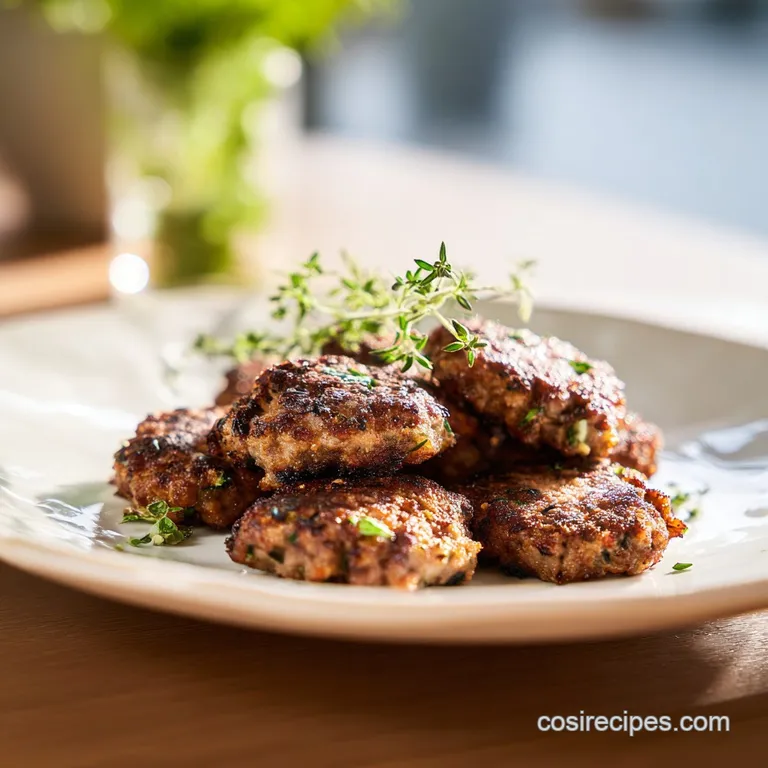
Heat 3 tbsp oil in your cast iron over medium high heat. Place the patties in the pan, working in batches if necessary. Cook for 5-6 minutes on the first side until a dark, even crust forms.
9. The Finish
Flip the patties carefully. Reduce heat to medium and cook for another 5-6 minutes until the internal temperature reaches 160°F (71°C). Note: The second side usually takes slightly less time because the pan is fully hot.
10. Resting Period
Remove the frikadellen from the pan and let them rest on a plate for 5 minutes. This allows the juices to redistribute so they don't pour out when you take your first bite.
Solving Common Cooking Hurdles
Preventing Patties from Falling Apart
If your frikadellen are crumbling as soon as they hit the pan, the culprit is usually the moisture balance. The egg and the soaked bread act as the "mortar" for your meat "bricks." If the bread was too wet, it dilutes the egg's binding power.
Conversely, if you skip the egg, there's nothing to hold the fat and water together as they heat up.
Mastering Heat for a Perfectly Cooked Center
It’s easy to burn the outside while the inside stays pink. This happens when the pan is screaming hot. The "sizzle" should be steady, not violent. If you see smoke, pull the pan off the heat immediately.
A thick patty needs time for the heat to travel to the center; if you're worried, you can always finish them in a 350°F (180°C) oven for 5 minutes.
| Problem | Root Cause | Solution |
|---|---|---|
| Patties are dry | Overcooked or too much lean beef | Pull at 160°F and use 80/20 beef |
| Greasy texture | Pan wasn't hot enough | Wait for oil to shimmer before adding meat |
| Bitter flavor | Burnt garlic or onions | Sauté aromatics gently on low medium heat |
Common Mistakes Checklist ✓ Pat the meat dry if it seems excessively wet before mixing. ✓ Preheat your skillet for at least 3 minutes; a cold pan leads to sticking. ✓ Avoid overcrowding; leave at least an inch between patties for proper browning.
✓ Don't press down on the patties with a spatula; you'll squeeze out the moisture. ✓ Let the meat come to room temperature for 15 minutes before cooking for even heat penetration.
Adjusting the Batch Size
Scaling Down (Making 2 servings) Use 125g of each meat. For the egg, beat it in a small cup and use exactly half. Reduce the milk to 60ml. You can still use a whole small onion, as it adds great moisture. Cook time remains the same since the thickness of the patties won't change.
Scaling Up (Feeding a crowd) When doubling to 8 servings, don't just double the salt and spices use 1.5x the amount first and taste a small fried piece of meat to check.
You will need to work in batches; keep the first round warm in a 200°F (95°C) oven on a wire rack to keep the crust from getting soggy.
If you want X, do Y If you want a crunchier exterior, dredge the shaped patties lightly in flour before frying. If you want a lighter texture, use ground veal instead of half the beef.
If you want maximum juiciness, add 1 tablespoon of heavy cream to the meat mixture.
Debunking Kitchen Tales
Some people swear that you must use breadcrumbs for a "true" meatball. In reality, the traditional german frikadellen relies on the hydrated fibers of a roll to create that signature soft interior. Breadcrumbs often result in a grainier, drier texture that feels more like a standard American meatloaf.
Another myth is that you need to sear the meat to "lock in the juices." Science has proven that searing doesn't create a waterproof seal moisture still evaporates. What the sear actually does is trigger the Maillard reaction, creating hundreds of new flavor compounds that give the dish its addictive, savory profile.
Storage and Zero Waste
- Fridge
- Store cooked frikadellen in an airtight container for up to 3 days. They are actually fantastic cold on a piece of rye bread with mustard the next day.
- Freezer
- You can freeze these either raw or cooked. If raw, layer them between parchment paper and freeze for up to 2 months. If cooked, they stay good for about 3 months.
- Reheating
- Avoid the microwave if you want to keep the crust. Reheat in a pan over medium heat with a splash of water and a lid for 4 minutes, or in an oven at 350°F (180°C) until warmed through.
Zero Waste Tips If you have leftover panade or meat mix that isn't enough for a full patty, crumble it into a pan and fry it up as a topping for a salad or stir it into a quick tomato sauce.
The milk squeezed from the roll can be used to start a creamy pan gravy just add it to the skillet after the meat is done, whisking in a bit of flour and beef stock.
Traditional Serving Ideas
While these are incredible on their own, the "addictive" quality comes from the sides. In Germany, you'll often see these served with a dollop of extra mustard and a side of creamy cucumber salad. If you want something heartier, mashed potatoes with a dark onion gravy is the way to go.
For a more modern "pub" style meal, serve them on a hard roll with lettuce and tomato, essentially treating them like the best burger you've ever had. The nutmeg and marjoram give it a sophisticated edge that standard burger seasoning just can't match.
Whatever you choose, make sure you have something acidic on the plate to balance the richness of the pork.
Chef's Tip: To check your seasoning before frying the whole batch, take a teaspoon sized piece of the meat mixture and fry it in the pan for 2 minutes. Taste it, then adjust your salt or spices in the main bowl. It’s the only way to be 100% sure!
Recipe FAQs
What is the key ingredient that makes authentic Frikadellen moist?
A soaked stale white roll (panade). This bread, soaked in milk, traps moisture and fat within the meat structure, preventing the proteins from seizing up during cooking.
Should I use only ground beef for the best flavor?
No, use a mix of beef and pork. A 50/50 mix ensures adequate fat content from the pork, which adds depth and guarantees a tender mouthfeel.
How to properly season the meat mixture before forming patties?
Fry a small test patty first to adjust seasoning. Mix all ingredients gently, ensuring the aromatics are sautéed first, and always include dried marjoram for the signature flavor.
Must Frikadellen be cooked until completely well done internally?
No, the safe internal temperature is 160°F (71°C). Cooking beyond this point will cause the moisture held by the panade to squeeze out, leading to a dry patty.
Is it true that pressing down on the patties while searing locks in the juices?
False. Pressing down on patties releases the internal moisture and fat. This action defeats the purpose of the panade and leads directly to a drier end product.
How can I achieve a very dark, flavorful crust without burning the inside?
Use medium high heat initially, then reduce it for the second side. The initial high heat creates the desired Maillard reaction crust; reducing the heat allows the center to finish cooking gently. Mastering heat control is key, similar to how you control the sear in a Hibachi Steak Recipe.
How long can I safely store leftover cooked Frikadellen?
Up to 3 days refrigerated in an airtight container. They reheat best by pan-frying them briefly to re-crisp the exterior, rather than microwaving.
Authentic German Frikadellen Recipe
Ingredients:
Instructions:
Nutrition Facts:
| Calories | 447 calories |
|---|---|
| Protein | 24.9 g |
| Fat | 26.5 g |
| Carbs | 10.7 g |
| Fiber | 1.1 g |
| Sugar | 2.8 g |
| Sodium | 780 mg |
