Baked Beef Chops with Potatoes and Bone Broth
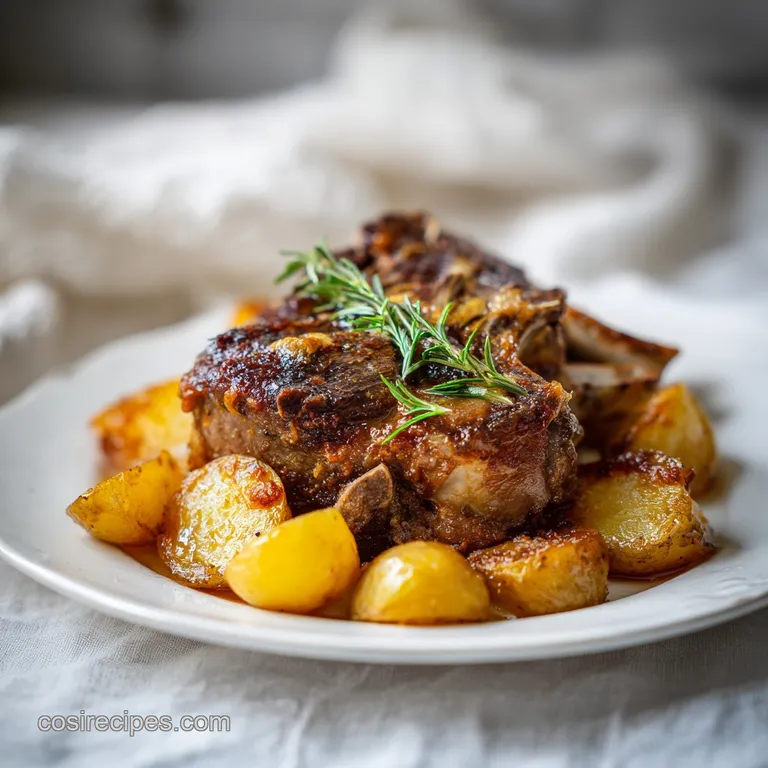
- Time: Active 15 minutes, Passive 35 minutes, Total 50 minutes
- Flavor/Texture Hook: Savory garlic herb crust with velvety, butter soaked potatoes
- Perfect for: High protein weeknight dinner or a simplified Sunday roast
- Why These Baked Beef Chops with Potatoes Win
- The Science Behind Our Core Ingredients Selection
- Essential Tools for a Perfect Sear
- The Alchemy of Selecting Your Elements
- Step by Step Guide to One Pan Success
- Expert Techniques for Tender Beef and Potatoes
- Easy Swaps for Different Dietary Needs
- Storing and Reheating Your Beef Chop Feast
- Perfect Pairings for This Hearty Beef Dinner
- Myth: Searing "Seals In" Juices
- Recipe FAQs
- 📝 Recipe Card
Why These Baked Beef Chops with Potatoes Win
Understanding the physics of your kitchen helps you move from following a script to actually cooking with intuition. This dish relies on a few key mechanical principles that prevent the common pitfalls of one pan cooking. We've all had those meals where the meat is done but the veggies are raw, or vice versa.
This method solves that.
- Thermal Bridging: Searing the beef chops first creates a heat conductive crust that allows the interior to finish gently in the oven while the potatoes roast in the rendered fat.
- Starch Gelatinization: Slicing the Yukon Golds into 1/4 inch rounds maximizes surface area, allowing the oven's convection heat to soften the interior starch while crisping the outside.
- Emulsified Finish: Adding heavy cream and butter at the end creates a stable fat in-water emulsion with the beef broth, coating the chops in a glossy, rich glaze.
- Osmotic Seasoning: Using coarse sea salt helps draw out surface moisture from the beef before searing, which is essential for that deep mahogany crust.
| Method | Time | Texture | Best For |
|---|---|---|---|
| Traditional Oven | 50 minutes | Soft, tender potatoes | Classic comfort feel |
| Cast Iron Sear + Bake | 35 minutes | Crispy edges, juicy center | Restaurant quality crust |
| Slow Cooker | 6 hours | Fall apart tender | Hands off meal prep |
The "Sear + Bake" method used in this recipe is the fastest way to get that deep, savory flavor without spending all day in the kitchen. It's a technique I often use when I want something as satisfying as my Amish Sunday Savior recipe but with a more steakhouse forward profile.
The Science Behind Our Core Ingredients Selection
Every component in this recipe serves a functional purpose beyond just flavor. When you decode the role of each ingredient, you start to see why substitutions can change the final texture.
For instance, the choice of Yukon Gold potatoes isn't accidental; their medium starch content makes them the "Goldilocks" of the potato world not too waxy, not too mealy.
| Ingredient | Science Role | Pro Secret |
|---|---|---|
| Bone Broth | Deglazing agent | Contains gelatin which adds "body" to the pan sauce |
| Smoked Paprika | Maillard enhancer | The sugars in paprika caramelize quickly, aiding the crust |
| Yukon Golds | Structural starch | They hold their shape while absorbing 2x their weight in fat |
| Rosemary | Antioxidant barrier | High levels of rosmarinic acid help prevent fat oxidation during roasting |
The bone broth is particularly important because it acts as a heat transfer medium. Without it, the potatoes would only cook where they touch the pan. The liquid creates steam that cooks the potatoes from all sides while the beef chops sit on top, protected from the direct, harsh heat of the oven floor.
Essential Tools for a Perfect Sear
You don't need a professional kitchen, but a few specific items make this much easier. A heavy bottomed skillet is non negotiable here. I prefer a 12 inch cast iron skillet (like a Lodge) because it retains heat like a champ.
When you drop four large beef chops into a thin stainless steel pan, the temperature drops instantly, and you end up steaming the meat instead of searing it.
If you don't have cast iron, a heavy Dutch oven works beautifully too. You'll also want a sharp chef's knife for those potato rounds consistency is key for even cooking. Finally, an instant read meat thermometer is your best friend. It takes the guesswork out of the "is it done yet?" mystery. This dish is a great pivot if you were originally planning a Baked Cod with recipe but found yourself craving something much more substantial and iron rich.
The Alchemy of Selecting Your Elements
When shopping for this recipe, look for bone in chops. The bone acts as an insulator, slowing down the cooking process near the center of the meat, which gives you a wider window of "perfectly done" before it hits the overcooked zone.
- 4 bone in beef chops (Ribeye or Top Loin): 1 inch thick is the sweet spot. Why this? Thick cuts allow for a hard sear without overcooking the center.
- 1.5 lbs Yukon Gold potatoes: Sliced into 1/4 inch rounds. Why this? They provide a buttery texture without falling apart like Russets.
- 1 large yellow onion: Sliced into thick rings. Why this? Onions provide a "rack" for the beef, preventing the bottom from getting soggy.
- 1/2 cup beef bone broth: Use low sodium if possible.
- 3 tbsp unsalted butter: Softened for the final glaze.
- 4 cloves garlic: Smashed and minced.
- Fresh herbs: Rosemary and parsley for that hits you-in the-face freshness.
- Pantry staples: Olive oil, coarse sea salt, cracked black pepper, smoked paprika, garlic powder, and a splash of heavy cream.
| Original Ingredient | Substitute | Why It Works |
|---|---|---|
| Beef Chops | Thick cut Pork Chops | Similar cook time. Note: Ensure internal temp hits 145°F |
| Yukon Gold | Red Potatoes | Waxy texture holds up well, though less "buttery" than Golds |
| Bone Broth | Red Wine | Adds acidity and depth. Note: May need a pinch of sugar to balance |
step-by-step Guide to One Pan Success
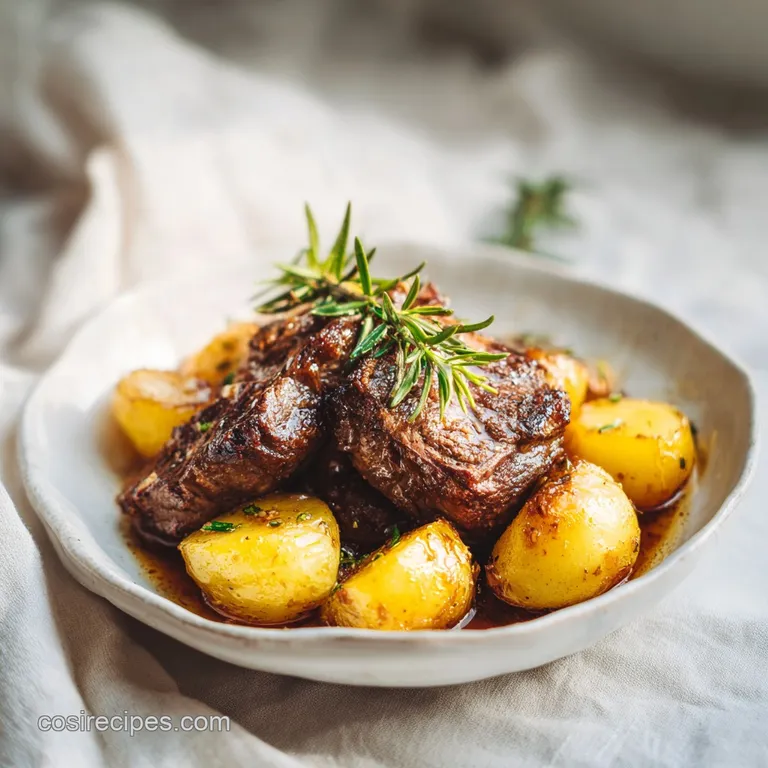
Right then, let's crack on. This is a three stage process: the prep, the sear, and the oven finish. Don't rush the searing phase; that's where all the flavor lives.
- Prep the Beef: Pat the 4 bone in beef chops completely dry with paper towels. Note: Moisture is the enemy of a good crust.
- Season Heavily: Combine 1 tbsp sea salt, 2 tsp black pepper, and 1 tsp smoked paprika. Rub this mixture onto all sides of the beef.
- Prepare the Base: Toss the 1.5 lbs sliced potatoes and onion rings with 1 tbsp olive oil and 1 tsp garlic powder in a bowl.
- The Initial Sear: Heat 1 tbsp oil in a large skillet over medium high heat. Sear the chops for 3 minutes per side until a deep mahogany crust forms. Remove beef to a plate.
- Build the Potato Bed: In the same skillet, layer the onions and potatoes. Note: Use the onions to scrape up any browned bits (the fond) from the beef.
- Deglaze and Layer: Pour the 1/2 cup bone broth over the potatoes, then nestle the beef chops back on top of the vegetables.
- The over High heat Roast: Transfer the skillet to a preheated oven at 400°F (200°C). Bake for 20-25 minutes until potatoes are tender when pierced with a fork.
- The Garlic Glaze: While the beef roasts, mix 3 tbsp butter, 1 tbsp heavy cream, minced garlic, and chopped rosemary.
- The Finish: During the last 5 minutes of cooking, spoon the garlic butter mixture over the chops.
- The Rest: Remove from the oven and let the pan sit for 5 minutes. Note: This allows the juices to redistribute so they don't shatter across the cutting board when you slice.
Chef's Tip: Freeze your butter for 10 minutes before mixing the glaze. It allows the garlic and herbs to suspend evenly in the fat rather than melting instantly into a puddle at the bottom of the pan.
Expert Techniques for Tender Beef and Potatoes
One mistake I once made was overcrowding the pan. If the chops are touching the edges of the skillet and each other, the steam can't escape. You want air circulation. If your skillet is too small, sear the meat in two batches. It adds 5 minutes to your time but saves the texture of the entire meal.
Avoid the "Grey Meat" Trap
If your beef looks grey rather than brown after searing, your pan wasn't hot enough. Wait until the oil is shimmering and just starting to send up a tiny wisp of smoke before you lay the meat down. You should hear a loud sizzle immediately. If it's quiet, take it out and wait another minute.
Slice Thickness Matters
If you slice your potatoes too thick, the beef will be overdone before the potatoes are edible. If you slice them paper thin (like chips), they'll turn to mush. Stick to that 1/4 inch rule. It's the same logic I use for my Roasted Red Potatoes Oven recipe, where thickness dictates the crunch to fluff ratio.
The Thermometer Rule
Beef chops vary in density. Start checking the internal temperature at the 18 minute mark in the oven. For medium rare, you're looking for 130°F (54°C) as it comes out; the carryover heat will bring it to a perfect 135°F while it rests.
| Problem | Root Cause | Solution |
|---|---|---|
| Tough Beef | Overcooked or skipped the rest | Pull meat at 130°F; rest for a full 5 minutes |
| Soggy Potatoes | Too much liquid or low heat | Ensure broth only halfway covers potatoes; use 400°F |
| Burnt Garlic | Added too early in the sear | Only add garlic in the final butter glaze phase |
Common Mistakes Checklist: ✓ Forgot to pat the meat dry (leads to steaming instead of searing) ✓ Used cold meat straight from the fridge (causes uneven cooking) ✓ Sliced onions too thin (they will dissolve into the sauce rather than providing a base) ✓ Skipped the deglazing
step (losing out on the most flavorful part of the dish) ✓ Overcrowded the skillet (prevents the potatoes from getting those crispy edges)
Easy Swaps for Different Dietary Needs
You can easily scale this recipe up for a larger family or down for a solo dinner. If you're doubling it, I suggest using two separate skillets rather than trying to cram everything into one giant pan. The physics of heat distribution just don't work as well when you pile meat on top of meat.
Lower Carb Variation
If you are watching your starch intake, you can swap the Yukon Golds for 1.5 lbs of cauliflower florets or radishes. Radishes, when roasted, lose their "bite" and take on a texture very similar to a potato. They will release more water, so reduce the bone broth by half to keep the sauce from getting too runny.
dairy-free Swap
For those avoiding dairy, replace the butter with a high-quality vegan butter substitute or extra virgin olive oil mixed with a nutritional yeast flake for that savory "umami" kick.
Replace the heavy cream with full fat coconut milk; it has the same fat content but adds a very subtle nutty note that actually pairs quite well with the smoked paprika.
Storing and Reheating Your Beef Chop Feast
Leftover baked beef chops with potatoes are actually a gift to your future self. The potatoes continue to absorb the garlic and rosemary flavors overnight. Store everything in an airtight container in the fridge for up to 3 days.
I don't recommend freezing this specific dish because the texture of the potatoes becomes grainy once thawed and reheated.
To reheat, avoid the microwave if you can. It turns the beef into rubber. Instead, place everything back in a skillet with a splash of water or extra broth, cover it with a lid, and heat over medium low for about 8 minutes. This steams the meat gently back to life without sacrificing the juicy center.
Zero Waste Tip: If you have leftover onion ends or potato peels, don't toss them! Put them in a freezer bag. Once the bag is full, simmer those scraps with water and some peppercorns to make your own vegetable stock for future recipes.
Perfect Pairings for This Hearty Beef Dinner
This is a heavy, "stick to your ribs" kind of meal, so I usually pair it with something bright and acidic to cut through the fat. A simple arugula salad with a lemon vinaigrette works wonders. The peppery greens balance the richness of the garlic butter glaze perfectly.
If you're looking for more inspiration for balanced weeknight meals, this technique of searing then roasting is very similar to how I handle my Baked Red Snapper recipe, though the flavor profiles are worlds apart.
- If you want more crunch: Toss a handful of panko breadcrumbs over the potatoes in the last 10 minutes of baking.
- If you want it spicy: Add a pinch of cayenne pepper to the dry rub.
- If you want a deeper sauce: Add a teaspoon of Worcestershire sauce to the bone broth before pouring it in.
Myth: Searing "Seals In" Juices
It’s a common belief that searing meat creates a waterproof barrier that keeps juices inside. Science tells us otherwise: moisture loss happens as protein fibers contract under heat regardless of the crust.
The real reason we sear is for the Maillard reaction the chemical reaction between amino acids and reducing sugars that gives browned food its distinctive flavor. We sear for the taste, not the moisture lock!
Another myth is that you should only flip steak once. In reality, flipping the meat every minute or two during the initial sear can actually lead to more even internal cooking. However, for this specific one pan method, we flip once just to establish that crust before letting the oven do the heavy lifting.
Trust the process, keep your heat high, and let those potatoes soak up every drop of that liquid gold.
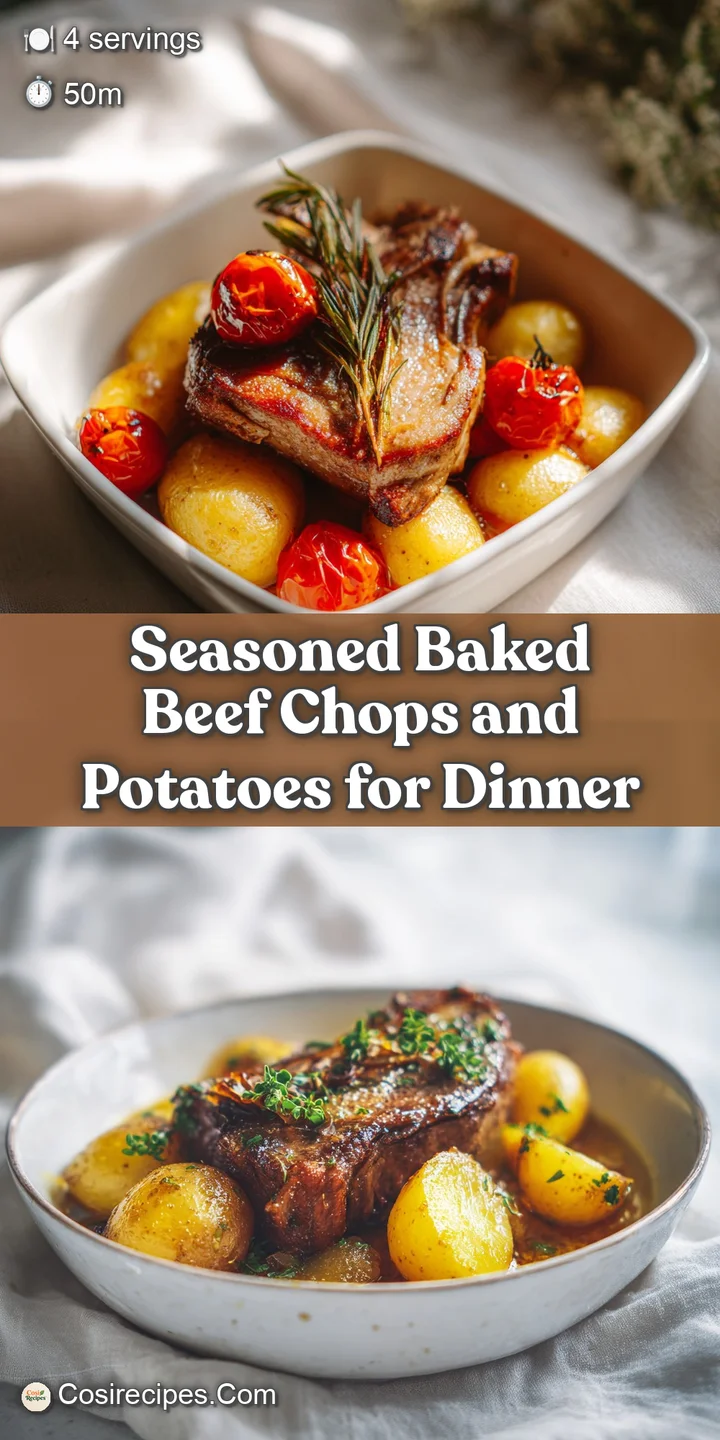
Recipe FAQs
Can you cook raw ground beef and potatoes together?
Yes, but it requires careful management of cooking times. Ground beef cooks quickly, so if you layer it on top of raw potatoes, the beef will dry out before the potatoes are fully tender.
Can you cook meat and potatoes in the oven at the same time?
Yes, this is the ideal method for tenderness and flavor infusion. Searing the meat first and then roasting it over the potatoes allows the beef drippings to flavor the starch while ensuring both components finish cooking near the same time.
Is it better to bake a potato at 350 or 400?
Use 400°F (200°C) for chops and sliced potatoes. Higher heat promotes rapid surface crisping on the potatoes and achieves a better sear on the beef; lower temperatures result in softer, less appealing textures for this particular dish.
Can you roast beef and potatoes together?
Yes, this is highly recommended, especially when cutting the potatoes thin. Cutting the potatoes into 1/4 inch rounds ensures they absorb moisture from the beef and cook thoroughly without needing an excessively long bake time.
Why do my potatoes seem raw when the beef chops are done?
This usually means the potatoes were cut too thick or the pan was overcrowded. Overcrowding traps steam, preventing direct heat contact; ensure there is space around the vegetables for proper roasting.
How do I ensure the beef chops stay juicy when roasting with vegetables?
Sear the chops hard first, then use a flavorful liquid base like bone broth. The broth acts as a protective steam layer for the potatoes while the fat renders over the vegetables, preventing the meat from drying out during the oven time. If you're exploring similar low and slow techniques, see how this principle applies when making our Cowboy Beans Recipe.
Is searing meat before baking necessary for flavor?
Yes, searing is mandatory for deep flavor development. The high, direct heat creates the Maillard reaction, which generates hundreds of complex, savory flavor compounds that baking alone cannot achieve.
Beef Chops With Potatoes
Ingredients:
Instructions:
Nutrition Facts:
| Calories | 592 kcal |
|---|---|
| Protein | 44g |
| Fat | 36g |
| Carbs | 28g |
| Fiber | 4.2g |
| Sugar | 2.8g |
| Sodium | 980mg |
