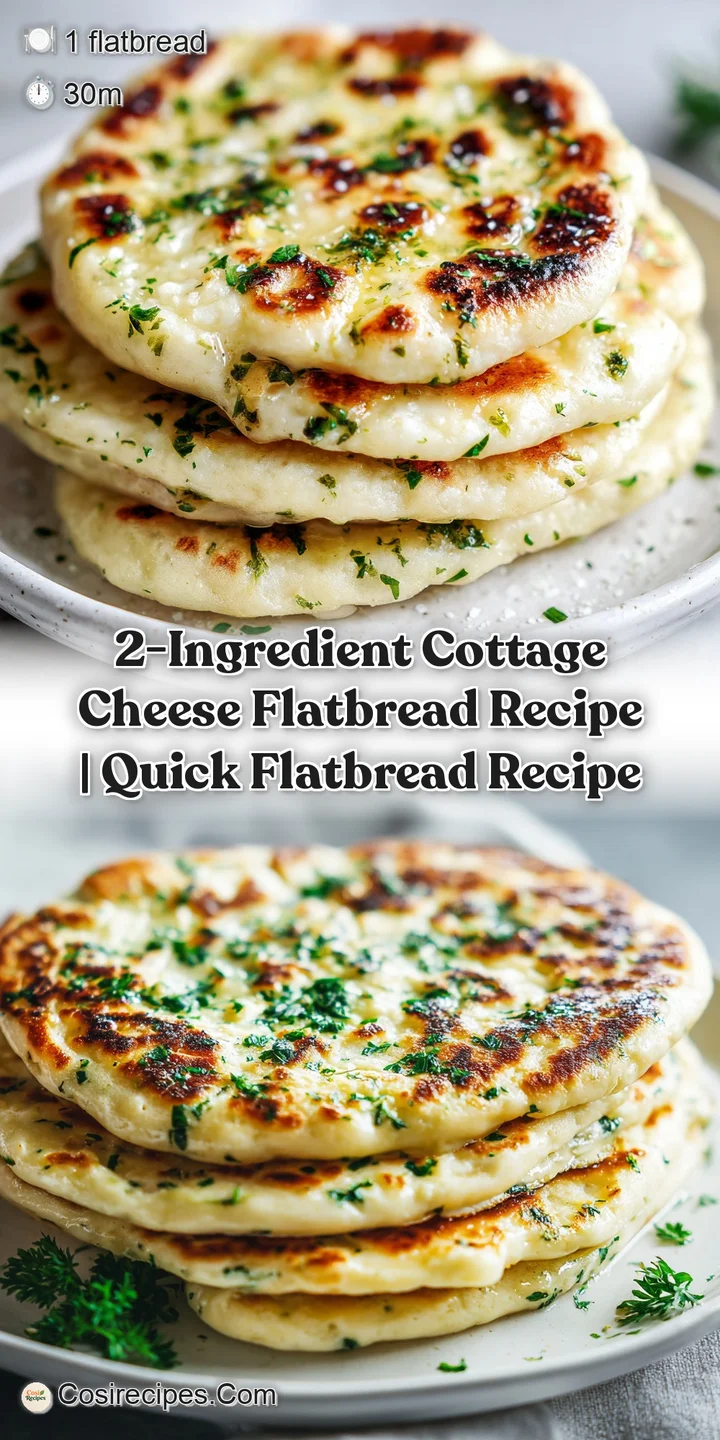
2-Ingredient Cottage Cheese Flatbread Recipe
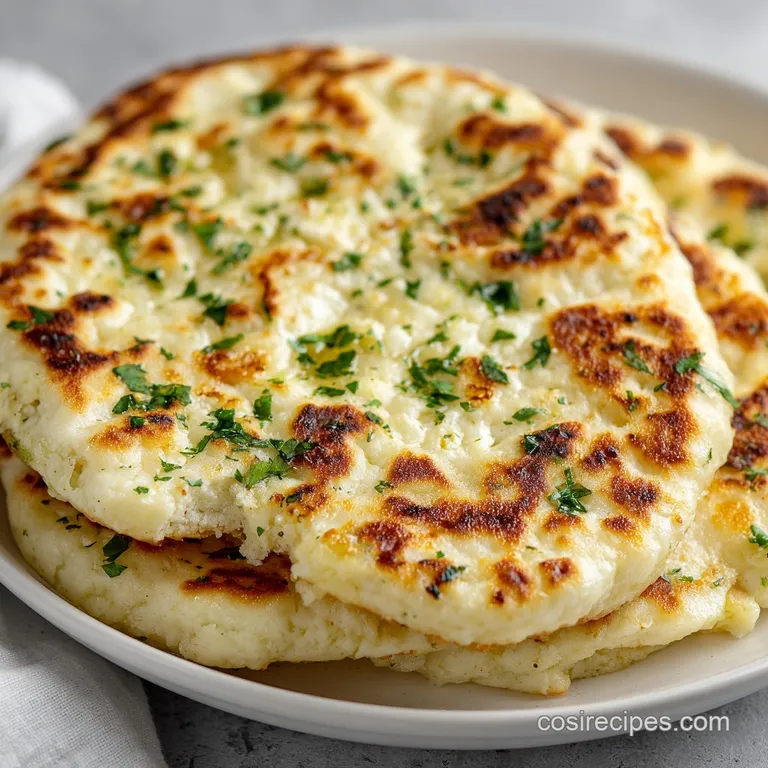
- Time: Active 5 minutes, Passive 25 minutes, Total 30 minutes
- Flavor/Texture Hook: Savory garlic herb aroma with a flexible, slightly chewy center
- Perfect for: Low carb lunches, post workout protein boosts, and easy weeknight meal prep
- This 2 Ingredient Cottage Cheese Flatbread Recipe with Garlic and Herbs
- Understanding the Magic Behind This High Protein Crust
- Component Analysis for the Best Texture
- Everything You Need for a Savory Flatbread Base
- Essential Tools for a Perfectly Thin and Crispy Result
- Step by Step Guide to a Shatteringly Crisp Crust
- Professional Fixes for Common Cottage Cheese Dough Mistakes
- Exciting Flavor Variations to Keep Your Meals Interesting
- Scaling the Recipe for Any Crowd
- Debunking Common Kitchen Myths
- Storage Solutions to Keep Your Flatbread Fresh and Tasty
- Perfect Pairing Ideas for Your Garlic and Herb Creation
- Recipe FAQs
- 📝 Recipe Card
This 2 Ingredient Cottage Cheese Flatbread Recipe with Garlic and Herbs
The first time I tried making this, I stared at the bowl of lumpy cheese and thought there was absolutely no way this would turn into something edible. I expected a soggy, scrambled mess that would stick to my pan and ruin my afternoon.
But as the scent of toasted Italian herbs and sharp garlic started drifting from the oven, I knew I was onto something special. When I finally peeled it back from the parchment, it didn't just hold together; it had this beautiful, flexible strength that made me want to roll up everything in my fridge inside it.
Discover how to make a simple and delicious 2 Ingredient Cottage Cheese Flatbread Recipe with Garlic and Herbs that will become a new favorite. It’s one of those rare kitchen miracles where two basic staples from your fridge undergo a total transformation.
We've all been there, staring at a tub of cottage cheese and wondering if it can be more than just a side dish. This recipe is the answer, providing a sturdy, protein packed alternative to those store-bought wraps that often taste like cardboard.
You're going to love how the edges get slightly golden while the middle stays soft enough to fold without snapping. It isn't just about the health stats, though the protein count is impressive, it's about that hit of garlic and the way the herbs perfume the entire kitchen.
Whether you're cutting back on grains or just want a fun new way to use up that cottage cheese, this method is a total win. Let’s get into the details of how to make this work every single time without the frustration I felt on my first attempt.
Understanding the Magic Behind This High Protein Crust
The success of this recipe relies on a few specific scientific principles that turn liquid and lumps into a solid sheet. It’s a fascinating bit of kitchen chemistry that happens in under half an hour.
- Protein Polymerization: The albumin in the eggs and the casein in the cottage cheese link together when heated, creating a dense structural web that holds the weight of toppings.
- Steam Expansion: As the moisture in the cottage cheese evaporates in the hot oven, it creates tiny air pockets that keep the flatbread from becoming a dense, rubbery brick.
- Emulsification Stability: High speed blending forces the fat and water in the cheese to bond with the egg proteins, ensuring a smooth, uniform texture rather than a grainy one.
| Cooking Method | Cook Time | Final Texture | Best For |
|---|---|---|---|
| Standard Oven | 25 minutes | Evenly firm and flexible | Bulk meal prep and pizzas |
| Air Fryer | 15 minutes | Crispy, bubbly edges | Quick single serving lunches |
| Cast Iron Skillet | 10 minutes | Charred and rustic | Thicker, pancake style wraps |
The oven method remains my favorite because it provides the most consistent heat distribution. While the air fryer is faster, it can sometimes blow the parchment paper around, leading to an uneven shape. If you choose the oven, make sure you use a middle rack to ensure the bottom sets at the same rate the top browns.
Component Analysis for the Best Texture
| Ingredient | Science Role | Pro Secret |
|---|---|---|
| Cottage Cheese | Provides the bulk protein and moisture for flexibility. | Use full fat (4%) for a richer mouthfeel and better structural integrity. |
| Large Eggs | Acts as the primary binder and leavening agent. | Ensure eggs are room temperature to help them emulsify more smoothly with the cheese. |
| Dried Italian Herbs | Breaks up the "eggy" flavor profile with aromatic compounds. | Rub the herbs between your palms before adding to release trapped oils. |
Everything You Need for a Savory Flatbread Base
To get the best results, stick to the specific measurements provided. This isn't a recipe where you want to eyeball the ratios, as too much moisture will result in a wrap that never quite sets.
- 1 cup (225g) 4% milkfat cottage cheese: Why this? The fat content prevents the flatbread from becoming dry and brittle after baking. (Substitute: Ricotta cheese for a creamier, softer texture)
- 2 large eggs (100g): Why this? Eggs provide the necessary structure to make the bread foldable. (Substitute: 1/2 cup liquid egg whites for a leaner, slightly crispier version)
- 1 tsp garlic powder: Why this? Concentrated flavor that distributes evenly throughout the batter. (Substitute: 1 clove of fresh grated garlic for a sharper bite)
- 1 tbsp dried Italian herbs: Why this? Adds a classic savory aroma that masks the tang of the cheese. (Substitute: Dried oregano or basil if you prefer a single note profile)
- 0.25 tsp sea salt: Why this? Enhances the natural flavors of the cheese and herbs. (Substitute: Table salt, but use slightly less)
Essential Tools for a Perfectly Thin and Crispy Result
You don't need a professional kitchen, but two pieces of equipment are non negotiable here. First, a high speed blender or a powerful food processor is vital to turn those curds into a silky liquid. If you leave the curds whole, you'll end up with an uneven texture that breaks easily.
Second, high-quality parchment paper is your best friend.
Chef's Note: Do not even think about using aluminum foil or greasing the pan directly. This batter is incredibly sticky until it fully sets. Silicone baking mats work well, but I find that parchment paper allows for better moisture evaporation from the bottom, resulting in a drier, more bread like finish.
step-by-step Guide to a Shatteringly Crisp Crust
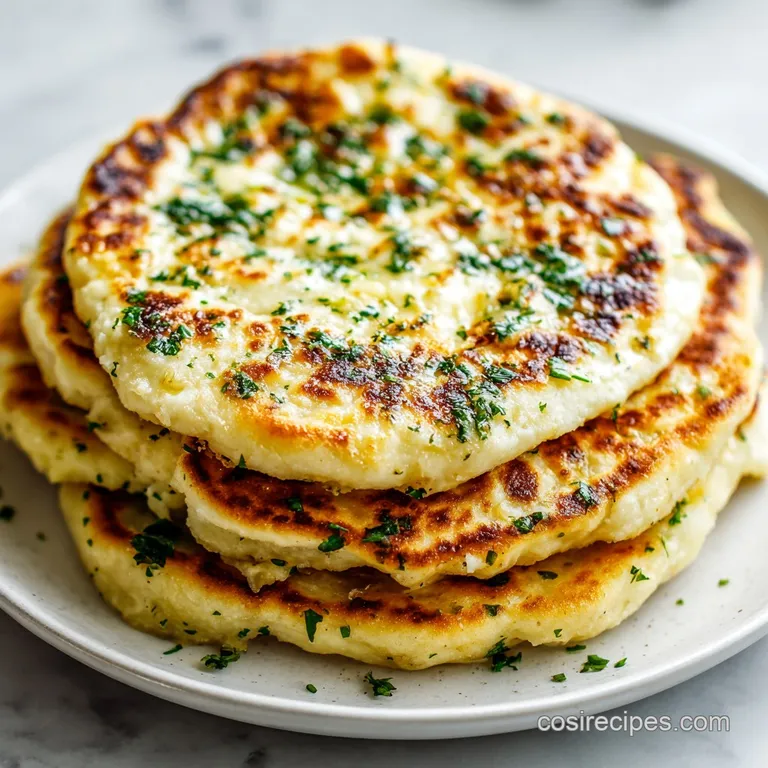
- Preheat your oven. Set the temperature to 180°C (350°F) and line a large rimmed baking sheet with parchment paper. Note: A preheated oven ensures the proteins start setting the moment the batter hits the pan.
- Blend the base. Combine the 1 cup (225g) cottage cheese and 2 large eggs in your blender.
- Liquefy the mixture. Process on high for 30 to 45 seconds until the batter is completely smooth and bubbly.
- Add the aromatics. Pulse in the 1 tsp garlic powder, 1 tbsp dried Italian herbs, and 0.25 tsp sea salt. Note: Pulsing at the end keeps the herb pieces visible rather than pulverizing them into a green paste.
- Pour and spread. Empty the blender onto the center of your prepared baking sheet.
- Shape the dough. Use a spatula to spread the mixture into a thin rectangle or circle, aiming for about 1/4 inch thickness.
- Bake the flatbread. Place in the oven for 25 minutes until the surface is matte and the edges are golden brown.
- Cool slightly. Remove from the oven and let it sit on the pan for 5 minutes.
- Release from paper. Gently peel the parchment away from the flatbread. If it resists, give it another 2 minutes to firm up.
- Final rest. Place the flatbread on a wire rack for 3 minutes to prevent the bottom from steaming and becoming soft.
Professional Fixes for Common Cottage Cheese Dough Mistakes
The Dreaded Soggy Middle
If your flatbread is perfectly brown on the edges but feels like a custard in the center, it's usually a matter of thickness or temperature. If the batter is pooled too deep in the middle, the heat can't penetrate efficiently. Ensure you spread the mixture evenly to the very edges of your parchment paper.
Sticking to the Parchment
This usually happens if the flatbread is undercooked or if the parchment paper is of lower quality. The proteins need to fully coagulate and lightly brown to release from the paper. If you're struggling, try sliding a thin offset spatula under the edges while it's still warm but not piping hot.
| Problem | Root Cause | Solution |
|---|---|---|
| Flatbread is too rubbery | Too many eggs or underbaked | Increase bake time by 5 minutes or use 1.5 eggs. |
| Bitter aftertaste | Burned dried herbs | Lower oven temp to 170°C and bake slightly longer. |
| Tears when folding | Spread too thin | Keep the batter at a consistent 1/4 inch thickness. |
Common Mistakes Checklist
- ✓ Never skip the blending step; whole curds create structural weak points.
- ✓ Avoid using low-fat or fat free cottage cheese as they contain more water and fillers.
- ✓ Always use parchment paper; greased foil will result in a permanent bond with your pan.
- ✓ Let the flatbread rest for at least 5 minutes before trying to peel it.
- ✓ Ensure your oven is fully preheated to 180°C before the pan goes in.
Exciting Flavor Variations to Keep Your Meals Interesting
Once you’ve mastered the basic 2 Ingredient Cottage Cheese Flatbread Recipe with Garlic and Herbs, the sky is the limit. You can lean into a more Mediterranean vibe by adding a pinch of sun dried tomato powder or even some very finely chopped olives to the batter.
If you're looking for something that mimics a traditional wrap, try adding a tablespoon of nutritional yeast for a cheesy, nutty depth.
If you are a fan of hearty, comforting textures, you might find that this flatbread reminds you of a savory version of a Dutch Baby Pancake recipe. Both rely on the power of eggs to create a unique, airy structure. For a spice kick, swap the Italian herbs for red pepper flakes and a dash of smoked paprika. This creates a bold base that pairs beautifully with cool toppings like avocado or Greek yogurt.
- If you want a crispier edge: Spread the batter thinner at the perimeter and bake for an extra 3 minutes.
- If you want a more flexible wrap: Add 1 teaspoon of psyllium husk powder to the blender to increase the "bend" without breaking.
- If you want a pizza base: Bake it for 20 minutes, add your toppings, and return to the oven for 10 more minutes at 200°C.
Scaling the Recipe for Any Crowd
When you're cooking for one, you can easily halve this recipe. Simply use 1/2 cup (112g) of cottage cheese and one large egg. The cooking time will likely decrease by about 5 to 7 minutes, so start checking for that matte finish around the 18 minute mark.
Use a smaller baking sheet or a toaster oven tray to keep the batter from spreading too thin.
Scaling up for a party or meal prep is also straightforward. If you double the recipe to 2 cups of cheese and 4 eggs, it is best to use two separate baking sheets rather than one giant one. Overcrowding a single sheet with too much batter will make it difficult to get the middle cooked through before the edges burn.
If you must use one large sheet, increase the baking time by 10 minutes and lower the temperature to 170°C to allow for even heat penetration.
Debunking Common Kitchen Myths
Myth: You must use flour to make flatbread. In this recipe, the proteins in the cottage cheese and eggs create a matrix that functions exactly like gluten. While it doesn't have the same "yeasty" flavor, it provides the structural integrity needed to hold fillings without the need for grains or starches.
Myth: High protein bread is always dry. Because cottage cheese has a high moisture and fat content, this flatbread stays surprisingly supple. The key is not overbaking it to the point where all the internal moisture escapes. It should be firm but still have a slight "give" when pressed.
Storage Solutions to Keep Your Flatbread Fresh and Tasty
The 2 Ingredient Cottage Cheese Flatbread Recipe with Garlic and Herbs stores surprisingly well. Keep any leftovers in the fridge for up to 4 days. I recommend placing a piece of paper towel between the flatbreads in an airtight container to absorb any condensation, which keeps them from getting slimy.
For longer storage, you can freeze these for up to 2 months. Wrap each flatbread individually in parchment paper and then place them in a freezer safe bag. To reheat, avoid the microwave as it can make them rubbery.
Instead, pop them in a dry skillet or a toaster oven for 2 to 3 minutes until they are warmed through and the edges regain their slight crunch.
Don't throw away any ragged edges or broken pieces! These scraps make excellent "crackers" for dipping. I love serving them alongside a Classic Pimento Cheese recipe for a high protein snack platter. You can even chop up leftover flatbread and air fry the pieces for 5 minutes to create protein packed croutons for your salads.
Perfect Pairing Ideas for Your Garlic and Herb Creation
This flatbread is incredibly versatile. Because of the garlic and herb profile, it screams for fresh, bright toppings. Try spreading a thick layer of hummus, topped with sliced cucumbers, kalamata olives, and a sprinkle of feta cheese.
The sturdiness of the crust means it can handle "heavy" toppings without folding under the pressure.
If you're looking for a warm meal, use it as a base for a rapid margherita pizza. A thin spread of tomato sauce, fresh mozzarella, and a few leaves of basil can be toasted on top of the already baked flatbread in just a few minutes.
It also works brilliantly as a side for dipping into soups or stews, acting as a grain free sponge for all those flavorful broths. The garlic notes specifically complement creamy vegetable soups or even a spicy chili.
Recipe FAQs
What is the minimum blending time needed for the cottage cheese?
Process for 30 to 45 seconds until completely smooth. The key is fully liquefying the curds so the proteins emulsify evenly with the eggs; otherwise, the texture will be inconsistent.
Can I substitute low-fat cottage cheese instead of 4% milkfat?
No, stick with 4% or full fat. low-fat versions contain more water, which prevents the structure from setting properly and often results in a soggy center.
How do I ensure the flatbread does not stick to the parchment paper?
Bake until the surface is matte and the edges are golden brown. Undercooking is the primary cause of sticking; ensure the proteins are fully set before attempting to peel it away.
How should I prepare the garlic and herbs before adding them?
Rub the dried herbs between your palms first. This simple action releases the trapped aromatic oils, intensifying the flavor released into the batter.
What temperature should the oven be set to for optimal baking?
Preheat your oven to 180°C (350°F). A fully preheated oven ensures the proteins start setting immediately upon contact, creating a stable structure from the start.
How can I make this flatbread base sturdy enough for heavy pizza toppings?
Bake the base for 20 minutes, then add toppings and bake for an additional 10 minutes at 200°C. This two-stage cooking process ensures the crust sets first, similar to par-baking dough in our Scalloped Potatoes recipe for achieving perfect internal texture.
What is the best way to reheat leftovers to maintain texture?
Use a dry skillet or a toaster oven. Avoid the microwave, as it often turns the protein structure rubbery; reheating slowly allows any trapped moisture to evaporate.
Cottage Cheese Flatbread Recipe
Ingredients:
Instructions:
Nutrition Facts:
| Calories | 187 kcal |
|---|---|
| Protein | 18.9 g |
| Fat | 9.6 g |
| Carbs | 5.2 g |
| Fiber | 0.4 g |
| Sugar | 3.8 g |
| Sodium | 776 mg |
