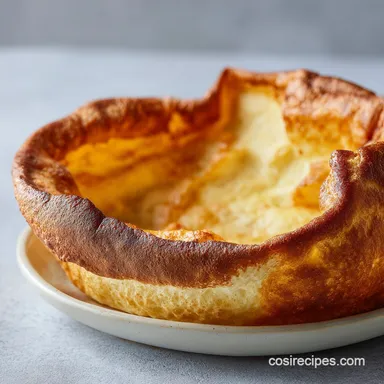
Dutch Baby Pancake Recipe: Golden and Airy
- Time: 10 min active + 20 min bake = Total 30 mins
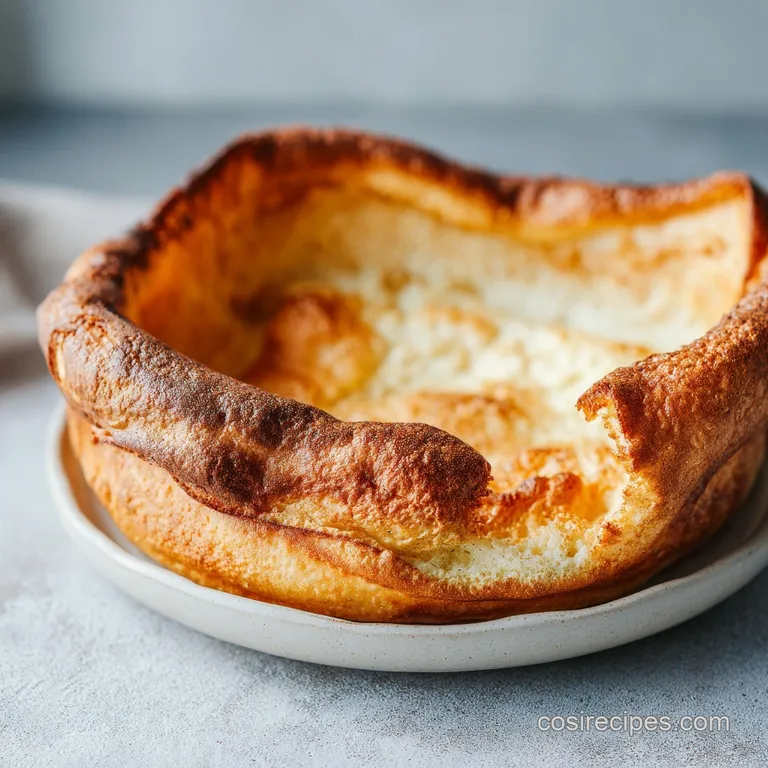
- Flavor/Texture Hook: Mahogany brown edges with a velvety, custard like center
- Perfect for: Lazy Sunday brunches or impressing guests without spending hours at the stove
That sharp, nutty sizzle of butter hitting a scorching hot cast iron pan is the only alarm clock I need. There is something almost hypnotic about watching the batter hit the heat and slowly climb the walls of the skillet, transforming from a liquid puddle into a golden, puffed up crown.
I remember the first time I tried this, I actually stood there with my nose pressed against the oven glass, terrified it would collapse the moment I opened the door.
The real hero of this whole operation is the egg. While most pancakes rely on chemical leaveners like baking powder to get that lift, this one relies on the sheer power of protein and steam. If you use cold eggs, you're fighting against the physics of the rise.
When those eggs are at room temperature, they incorporate air more easily and expand faster when they hit the heat. It is the difference between a flat disk and a towering masterpiece.
Trust me on this: don't overthink the batter. You want it smooth and frothy, but you don't want to treat it like a delicate soufflé. This dutch baby pancake recipe is forgiving, provided you respect the heat of the pan.
Once you get the hang of the temperature, it becomes the most reliable "wow" dish in your breakfast repertoire.
This Easy Dutch Baby Pancake Recipe
- Steam Power
- The high oven heat turns the water in the milk and eggs into steam instantly, pushing the batter upward.
- Egg Structure
- Beaten eggs create a protein network that traps the steam, allowing the pancake to hold its shape as it climbs.
- Thermal Shock
- A preheated pan ensures the bottom sets immediately, creating the "push" needed for the edges to rise.
- Sugar Caramelization
- The honey and natural sugars in the milk brown quickly at 425°F, creating those deep mahogany edges.
| Method | Prep Time | Texture | Best For |
|---|---|---|---|
| Stovetop Pancake | 10 mins | Uniform, fluffy | Quick weekday meal |
| Dutch Baby | 10 mins | Crispy edges, custardy center | Slow brunch / Presentation |
| Oven Baked | 15 mins | Cake like, dense | Meal prep / Large crowds |
Component Analysis
| Ingredient | Science Role | Pro Secret |
|---|---|---|
| Large Eggs | Structure & Lift | Use room temperature for a higher rise |
| All Purpose Flour | Gluten Framework | Sift if you see clumps, but blending usually fixes it |
| Unsalted Butter | Heat Transfer | Brown it slightly before adding batter for deeper flavor |
| Milk | Hydration | Full fat provides a silkier, more velvety crumb |
The Basic Building Blocks
For the batter, you'll need the basics. I always use a blender because it's faster and gets the batter much frothier than a whisk ever could.
- 3/4 cup all purpose flour Why this? Provides the necessary gluten for the structure. (Substitute: gluten-free 1:1 blend - Note: Result will be slightly denser and less "stretchy")
- 3/4 cup milk Why this? Creates the steam needed for the rise. (Substitute: Whole almond milk - Note: Lighter flavor, slightly less browning)
- 3 large eggs Why this? The primary leavening agent. (Substitute: None - eggs are critical for the lift)
- 1 tbsp honey Why this? Adds a floral sweetness and helps browning. (Substitute: Maple syrup - Note: Changes flavor profile to a classic maple taste)
- 1 tsp vanilla extract Why this? Rounds out the egg flavor. (Substitute: Almond extract - Note: Use half the amount; very strong)
- 1/4 tsp salt Why this? Balances the sweetness. (Substitute: Sea salt - Note: Adds a subtle mineral depth)
- 3 tbsp unsalted butter Why this? Prevents sticking and adds richness. (Substitute: Ghee - Note: Higher smoke point, very nutty flavor)
If you're looking for other ways to use your blender for breakfast, you might love my Homemade Orange Cake which uses similar mixing logic for a moist result. According to King Arthur Baking, the protein content in all purpose flour is the sweet spot for this kind of hybrid between a pancake and a popover.
Essential Gear Needed
You don't need a professional kitchen, but the pan is non negotiable. A 10 inch cast iron skillet is the gold standard here because it holds onto heat like a beast. If you use a thin aluminum pan, the batter won't get that immediate thermal shock, and your edges will be sad and flat.
I also recommend a high speed blender. You could use a whisk and a bowl, but you'd be working way harder to get the same frothiness. The bubbles created during blending are like little balloons that help the pancake expand in the oven.
Finally, get a sturdy oven mitt. You'll be handling a pan that's been sitting at 425°F, and that butter is going to be spitting and popping the moment you pour the batter in.
Bringing It Together
Right then, let's get into the process. The key here is timing. You want the batter ready the moment the pan is hot, not the other way around.
Phase 1: Preheating the Vessel
Place your 10 inch cast iron skillet inside the oven and preheat it to 425°F (218°C). Wait at least 20 minutes to ensure the metal is saturated with heat. Carefully remove the hot pan using oven mitts and drop in the 3 tbsp of unsalted butter.
Swirl the pan until the butter is completely melted and foaming.
Phase 2: Blending the Batter
Toss your flour, milk, eggs, honey, vanilla, and salt into the blender. Blend on high for 30 seconds until the mixture is smooth and frothy. Now, here is the part most people skip: let the batter sit for 5 minutes.
This allows the biggest air bubbles to settle so you don't get giant holes in your pancake.
Phase 3: The Bake
Quickly pour the batter into the center of the sizzling skillet. You should hear a loud sizzle immediately. Return the pan to the oven and bake for 15-20 minutes. Do not open the door during this time, or you risk a sudden temperature drop that could collapse the walls.
Remove the pan until the edges are towering and mahogany brown.
Chef's Note: For a more complex flavor, try adding a pinch of cinnamon or nutmeg to the blender. It doesn't change the science, but it makes the house smell like a professional bakery.
What Can Go Wrong
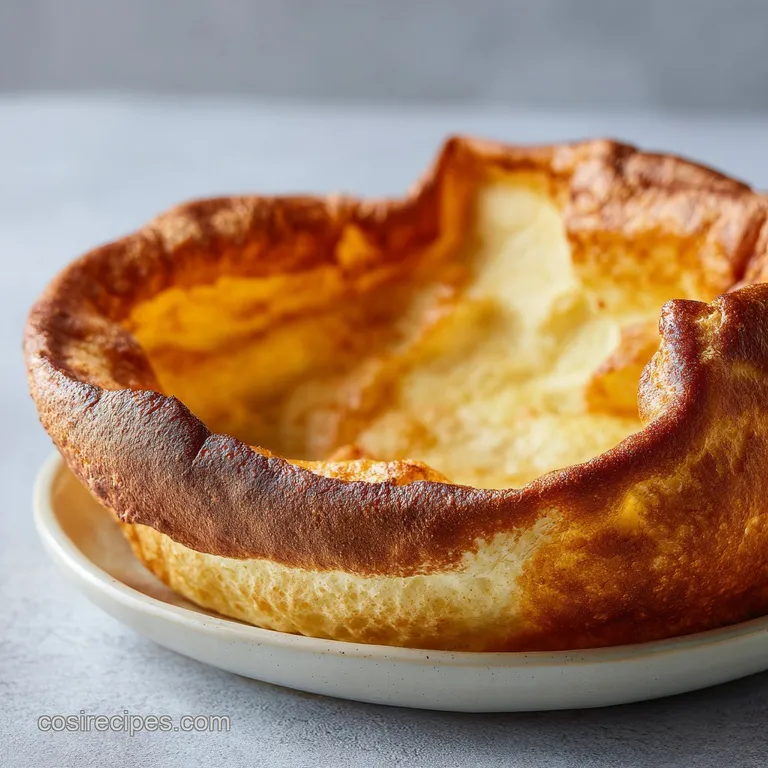
Even for experienced cooks, this dish can be temperamental. Usually, it comes down to temperature. If the pan isn't hot enough, the butter just pools at the bottom instead of frying the batter, resulting in a pancake that's more "crepe" than "Dutch baby."
Troubleshooting Common Issues
| Issue | Solution |
|---|---|
| Why Your Pancake Didn't Puff | This is usually caused by a cold pan or cold eggs. If the thermal shock isn't intense enough, the steam doesn't generate quickly enough to push the batter up. Ensure your oven is fully preheated and y |
| Why the Center is Custardy | A custardy center is actually normal, but if it's raw or liquid, you've pulled it out too early. The edges will look done before the center sets. Give it another 2-3 minutes if the middle feels too ji |
| Why It Stuck to the Pan | This happens if you didn't use enough butter or if your skillet is poorly seasoned. The butter creates a barrier and fries the bottom of the batter. If you struggle with sticking, try adding an extra |
Common Mistakes Checklist
- ✓ Opening the oven door before 15 minutes
- ✓ Using a non oven safe pan
- ✓ Forgetting to let the batter rest for 5 minutes
- ✓ Using cold eggs straight from the fridge
- ✓ Pouring batter too slowly (lose the heat!)
Adjusting the Scale
If you're just cooking for yourself, a full 10 inch skillet is a lot. For a Dutch baby pancake recipe for one, use a 6 inch oven safe skillet. Halve all the ingredients, but since you can't really use half an egg easily, beat one egg in a cup and use about 2 tablespoons of it.
Reduce the bake time by about 20%, checking at 12 minutes.
If you're feeding a crowd, don't try to make one giant pancake in a massive pan. The center will never cook through before the edges burn. Instead, make a mini Dutch baby pancake recipe using a muffin tin or several small ramekins. Grease each one heavily with butter.
These will cook much faster, usually in 10-12 minutes.
When scaling up to multiple pans, remember that adding several cold skillets to the oven can drop the temperature. Preheat your oven to 450°F, then drop it back to 425°F the moment you put the pans in to compensate for the heat loss.
| Desired Outcome | Action to Take | Expected Result |
|---|---|---|
| Extra Crispy | Add 1 tsp sugar to batter | More caramelization |
| Lighter Texture | Fold in 1 whipped egg white | Airier rise |
| Savory Version | Swap honey for cracked pepper | Savory brunch base |
Debunking Common Myths
You'll hear people say you must use a cast iron skillet. While it's the best, you can use any oven safe pan, like a stainless steel cake pan or a ceramic dish. The key is the heat retention, not the material itself. Just be extra generous with the butter in non cast iron pans.
Another myth is that the batter needs to rest for hours. While some recipes suggest this, for a Dutch baby, a 5 minute rest is plenty. Too much resting can actually cause the batter to lose its aeration, which might slightly hinder the rise.
Finally,, some believe that adding baking powder makes it "better." It doesn't. Baking powder creates a different kind of lift (chemical) which results in a fluffy pancake texture. The whole point of this recipe is the steam driven, popover style rise. Adding leaveners ruins the authentic texture.
Storage Guidelines
Honestly, this dish is best eaten the second it comes out of the oven. Once it cools, the towering edges start to deflate and the crispiness fades. But if you have leftovers, store them in an airtight container in the fridge for up to 2 days.
To reheat, don't use the microwave. That'll make it rubbery. Instead, pop it in a toaster oven or a regular oven at 350°F for about 5 minutes. This helps bring back some of that shatter crisp texture on the edges.
For zero waste, if you have a bit of browned butter left in the pan after removing the pancake, don't wash it out! Use that flavored fat to sauté some mushrooms or spinach for a side dish. Since you're already using your cast iron, you can transition straight into making a Classic Chicken Pot Pie later in the day.
Serving and Enjoying
To make this look like it came from a bistro, you need a color balance strategy. The pancake itself is a deep, warm mahogany, so you need bright accents to make it pop.
First, add a "snow" layer of powdered sugar. This provides a stark white contrast against the dark crust. Second, use bright red or deep blue berries. Fresh raspberries or blueberries add a vivid punch of color and a tart acidity that cuts through the rich butter.
Finally, add a sprig of fresh green mint or a dusting of lime zest.
If you want to try a savory Dutch baby pancake recipe, skip the honey and vanilla. Instead, top the finished pancake with smoked salmon, a dollop of crème fraîche, and fresh dill. The contrast of the salty fish against the buttery, custardy base is incredible.
For those who love fruit, a Dutch baby pancake recipe with apples is a winner. Just sauté thinly sliced apples in the butter before pouring in the batter.
The magic is in the presentation. Serve it right in the skillet to keep it warm and let your guests admire the height. It's an elegant way to start the morning without feeling like you've spent your entire day in the kitchen.
Recipe FAQs
What's the secret to a fluffy Dutch baby?
High heat and thermal shock. Preheating the skillet to 425°F and using room temperature eggs creates the rapid steam necessary to push the batter upward.
What are common Dutch baby mistakes?
Opening the oven door too early. This releases critical heat and causes the pancake to collapse. If you enjoy easy oven baked meals, try our Baked Ravioli.
Can heart patients eat pancakes?
Consult a physician first. This recipe contains butter and eggs, which may not align with specific heart healthy dietary restrictions.
What is the 321 rule for pancakes?
A general ratio of 3 eggs, 2 parts flour and milk, and 1 part fat. This specific recipe modifies those proportions to ensure a taller, more stable rise.
Why didn't my Dutch baby puff up?
The pan or eggs were likely too cold. Without intense thermal shock, the batter cannot generate enough steam to climb the sides of the skillet.
How to reheat leftovers without them becoming rubbery?
Place them in a toaster oven or regular oven at 350°F for 5 minutes. Avoid the microwave, as it destroys the shatter crisp texture of the edges.
Is it true you must open the oven to check if it's done?
No, this is a common misconception. Opening the door releases heat and can cause the towering edges to deflate before they are fully set.
Dutch Baby Pancake Recipe