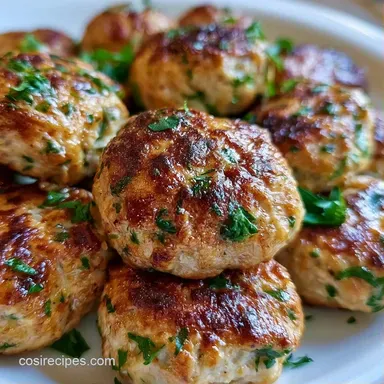
Juicy High-Protein Turkey Meatballs
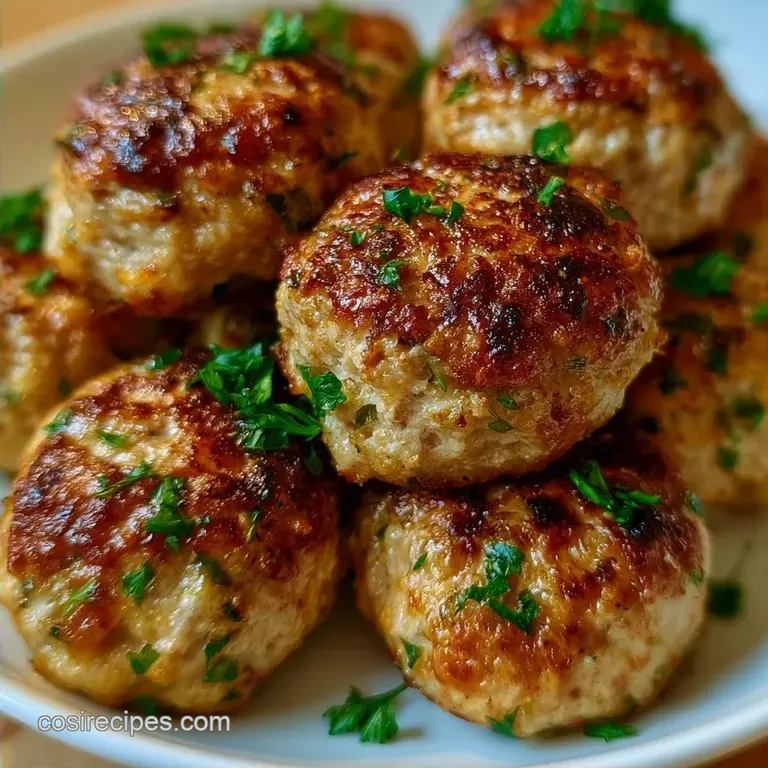
- Time: 20 min active + 30 min cook
- Flavor/Texture Hook: Tender interior with a deep golden brown crust
- Perfect for: High protein meal prep or a quick weeknight dinner
- Juicy and Easy Turkey Meatballs
- Why This Mix Actually Works
- Gathering Your Essentials
- Tools You'll Actually Use
- Step by Step Cooking
- Fixing Common Texture Issues
- Troubleshooting Common Issues
- Swaps and Flavor Twists
- Scaling the Recipe
- Meatball Truths
- Storage and Zero Waste
- Serving Suggestions
- Recipe FAQs
- 📝 Recipe Card
The smell of garlic and oregano hitting a hot oven always reminds me of Sunday dinners. For a long time, I struggled with lean ground poultry. Most recipes left me with something that felt like a bouncy ball, which is a common problem when the fat content is too low.
I started decoding why some versions felt so dry and realized the binder was the issue. Instead of just using breadcrumbs, I switched to drained cottage cheese. This one change completely shifted the texture, making these Turkey Meatballs tender and juicy without adding a ton of extra calories.
You can expect a dish that's savory and addictive. We're focusing on a minimal tool approach here, so you won't need a food processor or any fancy gear to get these on the table in 50 minutes.
Juicy and Easy Turkey Meatballs
The goal here is to keep the meat tender. When you work with ground turkey, it's easy to over mix, which develops too much protein structure and leads to that rubbery feel. By folding the meat into a seasoned "wet" base, we protect the texture.
These Protein Packed Turkey Meatballs are a great way to get a huge amount of protein in one go. Because we're using a over high heat bake, we get a nice brown exterior that mimics a pan sear without the mess of oil splattering all over the stove.
Right then, let's look at why this specific combination of ingredients works so well for someone who wants a quick but flavorful meal.
Why This Mix Actually Works
- Cottage Cheese: It acts as a moisture reservoir, releasing a small amount of water and fat as it heats to keep the meat tender.
- Folding Technique: Mixing only until combined prevents the proteins from bonding too tightly, which stops the meat from becoming tough.
- High Heat: Baking at 200°C ensures the outside browns quickly before the inside overcooks.
| Prep Style | Effort Level | Texture Result | Best For |
|---|---|---|---|
| Fresh Mixed | Low | Tender & Juicy | Weeknight meals |
| Over Worked | Medium | Dense & Rubbery | Avoid this |
| Food Processed | High | Very Smooth/Pasty | Different style |
Gathering Your Essentials
The ingredients here are simple, but the quality of the turkey matters. I prefer 93% lean. If you go too lean (like 99%), the meatballs can still be a bit dry, even with the cottage cheese.
What Each Ingredient Does
| Ingredient | What It Does | Best Swap |
|---|---|---|
| Ground Turkey | The protein base | Ground chicken |
| Cottage Cheese | Adds moisture and protein | Ricotta cheese |
| Parmesan | Adds salty, umami depth | Pecorino Romano |
| Eggs | Binds everything together | Flax egg (soaked) |
Ingredients and Substitutes
- 2 lbs (907g) lean ground turkey (93% lean) Why this? Balance of flavor and health
- Substitute: Ground chicken (similar fat content).
- 1 cup (225g) small curd cottage cheese, drained Why this? Secret to the tender texture
- Substitute: Ricotta (richer, slightly heavier).
- 2 large (100g) eggs, lightly beaten Why this? Keeps the balls from falling apart
- Substitute: 1/4 cup unsweetened applesauce (for egg free).
- 1/2 cup (15g) fresh Italian parsley, finely chopped Why this? Adds a fresh, herbal lift
- Substitute: Dried parsley (use 2 tbsp).
- 3 cloves (15g) garlic, minced Why this? Essential savory base
- Substitute: 1 tsp garlic powder.
- 1 tsp (5g) dried oregano Why this? Classic Italian flavor profile
- Substitute: Dried basil.
- 1 tsp (6g) kosher salt Why this? Enhances all other flavors
- Substitute: Sea salt.
- 1/2 tsp (2g) cracked black pepper Why this? Adds a subtle heat
- Substitute: White pepper.
- 1/4 cup (30g) grated Parmesan cheese Why this? Adds a salty crust
- Substitute: Grated Asiago.
Tools You'll Actually Use
You don't need a kitchen full of gadgets for this. A large mixing bowl and a rimmed baking sheet are the heavy lifters here. I highly recommend parchment paper; it stops the meat from sticking and makes cleanup a breeze.
If you have a small cookie scoop, use it. It ensures every ball is the same size, which means they all finish cooking at the exact same time. If you don't, just use a tablespoon and your hands.
Step by step Cooking
- Combine cottage cheese, beaten eggs, minced garlic, chopped parsley, oregano, salt, and pepper in a large bowl. Note: Mixing the seasonings into the wet ingredients first ensures even distribution.
- Add the ground turkey to the bowl. Fold the meat into the mixture using your hands or a fork, mixing only until just combined. Stop as soon as the meat is incorporated to avoid a rubbery texture.
- Line a rimmed baking sheet with parchment paper.
- Portion the mixture into 30 equal spheres, about 1.5 inches in diameter.
- Place the spheres 1 inch apart on the pan.
- Bake at 400°F (200°C) for 20-25 minutes. Cook until the exterior is deep golden brown.
- Check that the internal temperature reaches 165°F (74°C) using a meat thermometer, according to USDA safety guidelines.
- Let the Turkey Meatballs rest on the pan for 5 minutes. Note: This lets the juices settle so they don't run out when you bite in.
Fixing Common Texture Issues
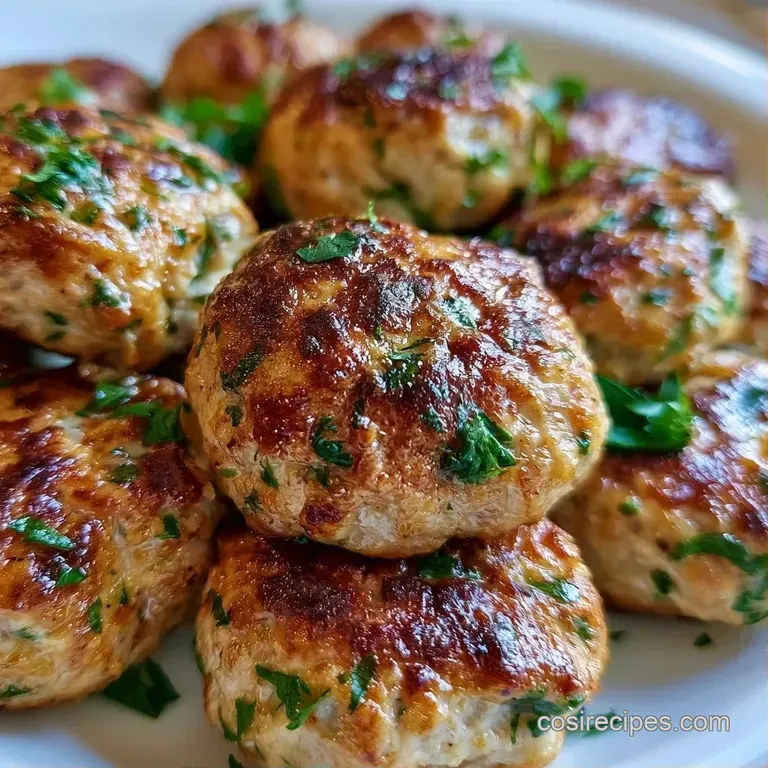
Even with a simple recipe, things can go sideways. Most Turkey Meatballs issues come down to temperature or mixing. If they feel too wet to roll, don't panic. Just chill the mixture for 15 minutes.
Troubleshooting Common Issues
| Issue | Solution |
|---|---|
| Why are my meatballs falling apart | This usually happens if the binder (eggs and cheese) didn't incorporate well or if you used turkey that was too thawed and watery. Ensure your cottage cheese is well drained. |
| Why is the texture rubbery | You likely over mixed the meat. When you stir too vigorously, you create a dense protein web. Next time, fold gently. |
| Why are they dry | Overcooking is the main culprit here. Ground turkey loses moisture quickly once it hits 165°F (74°C). Use a thermometer to pull them out the second they hit that mark. |
Swaps and Flavor Twists
You can easily pivot these Packed Turkey Meatballs to fit different moods. For a Greek vibe, swap the oregano for dried mint and add a pinch of cinnamon. Serve those with a side of tzatziki.
If you want a more "comfort food" feel, add a pinch of nutmeg and some ground allspice. This makes them taste more like a traditional Swedish meatball, but a healthier protein base.
For those making High Protein Turkey Meatballs Meal Prep, I suggest keeping the meatballs plain and adding different sauces during the week.
If you're looking for a side, these go great with my Baked Ravioli for a massive Italian style feast.
Scaling the Recipe
Making a smaller or larger batch is straightforward, but the rules change slightly.
Cutting the recipe in half: Use a smaller baking sheet. You can reduce the bake time by about 20%, but always rely on the internal temperature. Since you can't easily split an egg, beat one egg in a small bowl and use half of the liquid.
Doubling or tripling the batch: Do not crowd the pan. If the meatballs are too close, they will steam instead of brown, and you'll lose that golden crust. Work in batches. Only increase the salt and spices to 1.5x the original amount to keep the flavor balanced.
Meatball Truths
There are a few things people always say about meatballs that just aren't true.
First, searing meat in a pan doesn't "seal in" the juices. That's a myth. The browning adds a ton of flavor, but moisture loss happens whether you sear or bake. Baking at a high temp gives us a similar result without the oil.
Second, you don't need breadcrumbs for a meatball to hold its shape. While breadcrumbs add a certain softness, the combination of eggs and cottage cheese provides plenty of structure for these Healthy Protein Packed Turkey Meatballs.
Storage and Zero Waste
Store any leftovers in an airtight container in the fridge for up to 4 days. For longer storage, these freeze beautifully. Flash freeze them on a tray for an hour before moving them to a freezer bag to prevent them from sticking together. They'll stay good for 3 months.
To reheat, pop them in the oven at 350°F (175°C) for 10 minutes. This keeps the exterior from getting soggy.
If you have a few meatballs left over that you're tired of eating plain, chop them up and stir them into a pot of Turkey Chili for an extra protein boost.
Serving Suggestions
These are versatile enough for any time of day. For a low carb option, serve them over sautéed spinach or zoodles with a squeeze of lemon. The brightness of the lemon cuts through the richness of the Parmesan.
For a more filling meal, try a high protein power bowl. Put a scoop of quinoa in a bowl, add five Turkey Meatballs, some roasted broccoli, and a drizzle of my Mustard Dipping Sauce.
If you're feeling traditional, just simmer them in a basic marinara for 10 minutes and serve them over whole grain pasta. Trust me on this, the cottage cheese keeps them from absorbing too much sauce and becoming mushy. Enjoy your Turkey Meatballs!
Recipe FAQs
Are turkey meatballs a good source of protein?
Yes, they are an excellent source. Lean ground turkey provides a high protein base, which is further enhanced by the addition of eggs and cottage cheese.
How much protein is in one large turkey meatball?
Approximately 8 grams. Based on the combination of turkey and dairy binders, each of the 30 meatballs delivers a concentrated dose of protein.
Are meatballs good for a high protein diet?
Yes, especially these. By replacing traditional breadcrumbs with cottage cheese and Parmesan, these meatballs maximize protein density while reducing empty carbs.
How much protein is in 12 turkey meatballs?
Roughly 96 grams. This makes a serving of 12 meatballs a highly efficient way to meet daily protein requirements.
What is a yummy high protein meal recipe?
Turkey meatballs served with zoodles. For a light and nutrient dense meal, pair these meatballs with zucchini noodles.
What are the best protein rich recipes?
Recipes utilizing lean meats and protein based binders. Focus on dishes like these turkey meatballs or grilled poultry that prioritize whole protein sources over fillers.
Why are my turkey meatballs rubbery?
You likely overmixed the meat. Stirring too vigorously creates a dense protein web; instead, fold the turkey gently into the wet ingredients until just combined.
High Protein Turkey Meatballs