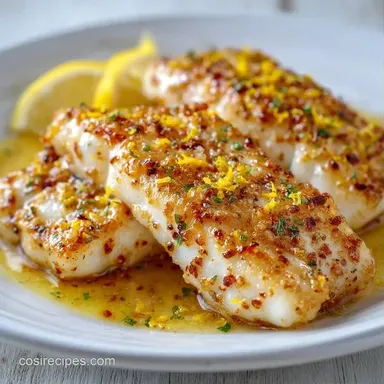
Lemon Baked White Fish: Tender and Tangy
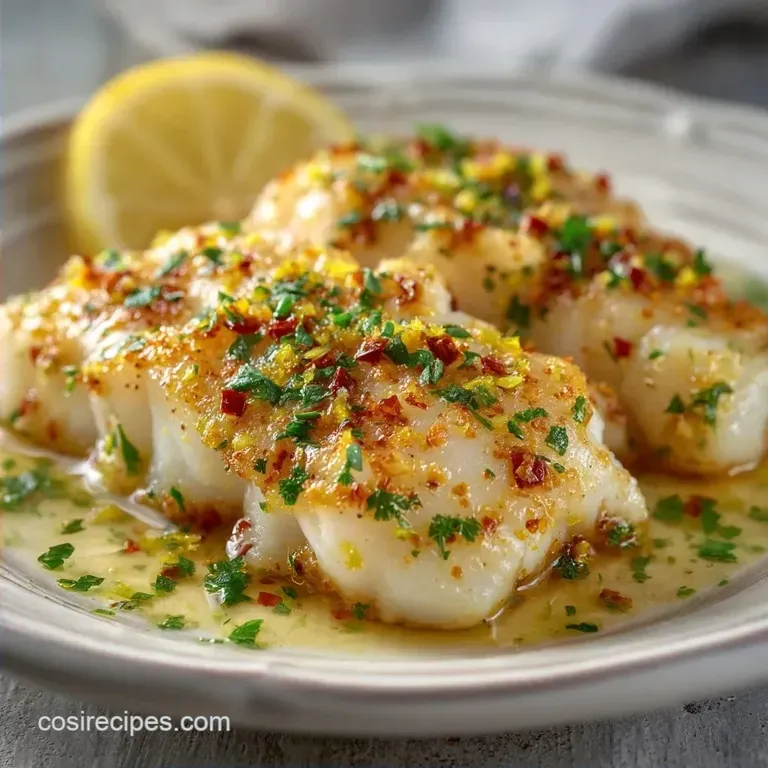
- Time: 5 min active + 15 min cook
- Flavor/Texture Hook: Tangy, flaky, and rich
- Perfect for: Healthy weeknight dinner
Have you ever wondered why some fish comes out of the oven like a piece of rubber while others just flake apart with a fork? I used to struggle with this. I’d treat every white fish the same, usually undercooking it out of fear or overcooking it into a dry sponge.
The change happened when I started treating the lemon not just as a flavor, but as a shield. Placing actual slices on top of the fillets creates a little steam tent that protects the meat. It's a simple move, but it changes everything.
You can expect a dish that tastes bright and clean. This Lemon Baked White Fish doesn't rely on heavy creams or complex sauces. It's all about the hit of citrus and the richness of melted butter.
Lemon Baked White Fish
The trick here is the high temperature. At 400°F, the butter and lemon juice bubble quickly, creating a glaze that sears the outside while the inside stays juicy. If you've ever tried my Lemon Butter Sauce, you know how that flavor profile works, but baking it directly onto the fish concentrates the taste.
I've found that using a parchment lined sheet is a lifesaver. Fish sticks to everything, and there's nothing worse than tearing a delicate fillet just because it clung to the pan. Plus, cleanup takes about ten seconds.
Why the Texture Works
The goal with any white fish is to stop cooking the second it becomes opaque. Overcooking happens fast.
The Lemon Shield: Slices of lemon act as a barrier, preventing the top of the fish from drying out under the direct oven heat. High Heat Roast: A 400°F oven cooks the fish quickly, which means the proteins don't have time to tighten up and become rubbery.
| Method | Time | Texture | Best For |
|---|---|---|---|
| Baking | 15 min | Flaky/Firm | Weeknights |
| Poaching | 30 min | Soft/Moist | Sunday Lunch |
Recipe Quick Specs
For this to work, you need the right fish. I prefer Cod or Halibut for their thickness, but Tilapia works if you reduce the bake time by a few minutes. According to Serious Eats, the internal temperature of white fish should hit about 145°F for safety, though many prefer it slightly lower for more moisture.
The butter needs to be melted but not boiling, and the garlic should be minced finely so it distributes evenly. If the pieces are too large, you'll get a huge chunk of garlic in one bite and none in another.
Ingredient Deep Dive
The ingredients here are simple, but they each have a job. Salt and pepper are the foundation, but the oregano adds an earthy note that cuts through the richness of the butter.
| Ingredient | What It Does | Best Swap |
|---|---|---|
| White Fish | Main protein | Any firm white fillet (.g., Mahi Mahi) |
| Unsalted Butter | Adds richness | Olive oil (for a lighter, Mediterranean feel) |
| Fresh Lemon | Provides acidity | Lime (for a zestier, tropical twist) |
| Dried Oregano | Adds herbal depth | Dried Thyme or Basil |
Tools You Need
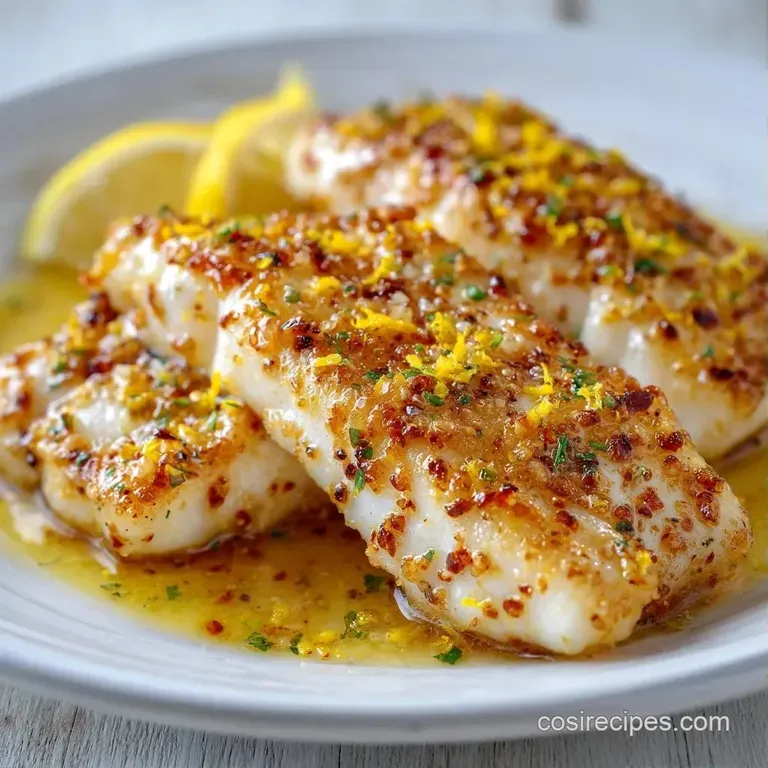
You don't need a fancy kitchen for this. A standard baking sheet and some parchment paper are the only must haves. I use a small whisk for the butter mixture and a silicone brush to apply it. If you don't have a brush, a spoon works just fine.
From Prep to Plate
Right then, let's get into it. This is a fast process, so have everything measured out before you turn on the oven.
Setup and Prep
Preheat your oven to 400°F (200°C) and line a large baking sheet with parchment paper. Pat the fish fillets completely dry with paper towels. Note: Dry fish sears better and doesn't steam in its own moisture. Season both sides with salt and pepper.
Making the Sauce
In a small mixing bowl, whisk together the melted butter, lemon juice, lemon zest, minced garlic, and dried oregano. Make sure the garlic is well incorporated so it doesn't clump.
Assembling the Dish
Place the fillets on the prepared baking sheet. Brush the lemon butter mixture generously over the top of each piece. Place two thin lemon slices on top of each fillet.
The Bake
Bake for 12–15 minutes until the fish changes from translucent to an opaque, pearly white and the sauce is bubbling. The edges of the lemon slices should start to brown slightly.
The Final Touch
Remove from the oven. Garnish with fresh chopped parsley. Let the fish rest for 2 minutes before serving. This allows the juices to redistribute.
Fixing Common Issues
Most problems with this recipe come down to timing or moisture. White fish is unforgiving if you leave it in for even two minutes too long.
Rubbery Fish
If the fish feels bouncy or tough, it's overcooked. The proteins have tightened too much. Use a fork to check the thickest part; it should flake easily.
Watery Sauce
This usually happens if the fish wasn't patted dry or if you used too much lemon juice. The excess liquid pools on the pan instead of glazing the fish.
Burnt Garlic
Because the oven is hot, minced garlic can burn if it's not coated in butter. Ensure the garlic is fully whisked into the fat before brushing it on.
| Problem | Root Cause | Solution |
|---|---|---|
| Rubbery Texture | Overcooked | Pull fish 2 mins earlier |
| Watery Pan | Wet fish fillets | Pat dry with paper towels |
| Bitter Taste | Burnt garlic | Whisk garlic into butter thoroughly |
Creative Flavor Twists
You can easily tweak this to fit whatever is in your pantry. If you want a more Mediterranean vibe, add some halved cherry tomatoes and kalamata olives around the fish on the tray. They roast in the lemon butter and create a built in side dish.
For a different protein, you can use this same method for a Baked Red Snapper, though you'll need to increase the cooking time since snapper is often denser.
Diet Swaps
If you're avoiding dairy, use a high-quality extra virgin olive oil instead of butter. It doesn't brown the same way, but the flavor is clean and healthy. For a lower sodium version, swap the kosher salt for a pinch of smoked paprika to keep the depth of flavor.
Flavor Boosts
Add a pinch of cayenne pepper to the butter mixture if you like a little heat. You could also swap the oregano for fresh dill if you're using Salmon or Halibut, as dill pairs beautifully with those oilier fish.
Storage and Waste
If you have leftovers, store them in an airtight container in the fridge for up to 2 days. To reheat, avoid the microwave if you can. Put the fillet in a toaster oven or a pan over medium heat for 3-4 minutes. This keeps the texture from becoming rubbery.
Don't toss the lemon scraps. I save the leftover lemon rinds and the ends of the parsley stems in a freezer bag. Once the bag is full, I simmer them with water and a few peppercorns to make a quick seafood poaching liquid.
Plating for Impact
To make this look like a restaurant dish, don't just slide the fish onto a plate. Place a bed of sautéed spinach or steamed asparagus on the plate first, then nestle the fillet on top.
Pour any remaining lemon butter from the baking sheet over the fish right before serving. The glossy finish makes the colors pop. A final sprinkle of fresh parsley adds a hit of green that contrasts with the yellow lemon slices.
Chef's Note: If you have a kitchen torch, a quick 5 second blast on the lemon slices after baking gives them a caramelized, charred look that looks professional.
Recipe FAQs
Is lemon baked white fish a healthy dinner option?
Yes, it is highly nutritious. It focuses on lean proteins like cod or tilapia and utilizes fresh citrus and garlic for flavor.
How to make this lemon baked white fish simple?
Pat fillets dry and brush with the lemon butter mixture. Bake at 400°F for 12 15 minutes until the fish is opaque and pearly white.
Can I bake this lemon white fish in foil?
Yes, you can. Using foil packets helps lock in additional moisture, though you will lose the bubbling sauce effect created on a baking sheet.
Why is this white fish recipe considered easy?
It requires only 5 minutes of prep. With a total time of 22 minutes, it is an efficient option for a quick home cooked meal.
What makes this the best way to bake white fish?
The use of lemon slices on top of the fillets. This technique keeps the fish moist during roasting; if you loved this citrus balance, see how we use a similar profile in our orange cake.
How to reheat leftover baked fish without it getting rubbery?
Place the fillet in a toaster oven or pan over medium heat for 3-4 minutes. Avoiding the microwave prevents the protein from overcooking and becoming tough.
Is it true that white fish must be baked for at least 20 minutes to be safe?
No, this is a common misconception. Most fillets are perfectly cooked and safe to eat after 12 15 minutes at 400°F.
Lemon Baked White Fish