Pan Seared Chilean Sea Bass Recipe
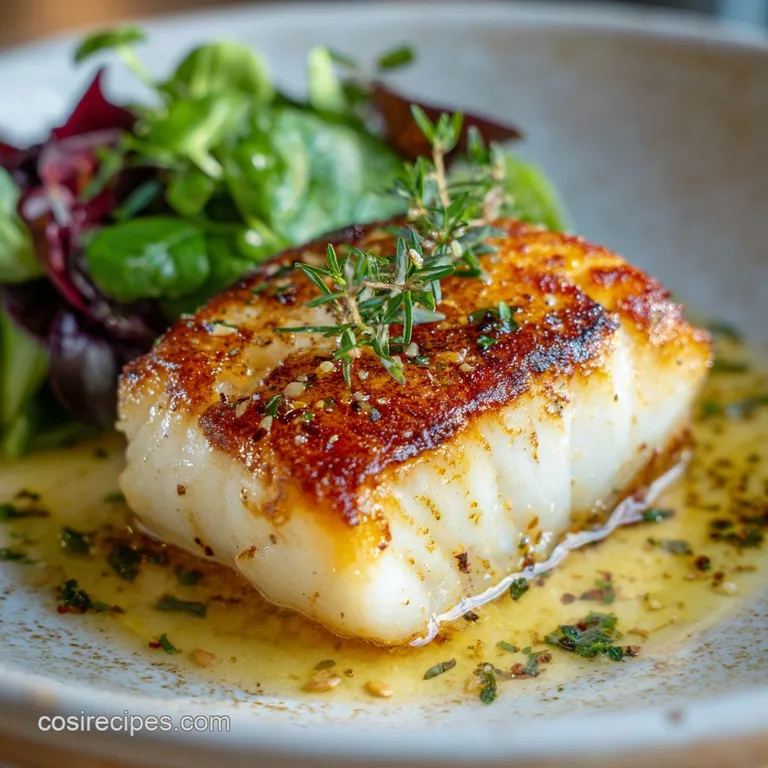
- Time: Active 10 mins, Passive 5 mins, Total 15 minutes
- Flavor/Texture Hook: Shatter crisp exterior with a velvety, buttery center
- Perfect for: Anniversary dinners or a high end weekend treat
- The Physics of the Flake
- Component Analysis for Seafood
- Success Metrics and Recipe Specs
- Essential Tools for the Job
- The Step-by-Step Cooking Process
- Fixing Common Searing Mistakes
- Scaling the Recipe Effectively
- Flavor Variations and Swaps
- Seafood Cooking Myths
- Storage and Leftover Ideas
- Perfect Sides for Seafood
- Very High in Sodium
- Recipe FAQs
- 📝 Recipe Card
The Physics of the Flake
Fatty Acid Integrity: The high oil content in Chilean Sea Bass acts as an internal insulator, preventing the proteins from tightening and becoming tough even under high heat. This unique structure allows the exterior to undergo the Maillard reaction while the interior stays silky and moist.
| Method | Time | Texture | Best For |
|---|---|---|---|
| Stovetop | 10 mins | Maximum crisp skin | Quick meals |
| Oven Finish | 12 mins | Even internal cook | Thicker cuts |
| Air Fryer | 8 mins | Less mess | Hands off prep |
Many people ask me if they should finish their fish in the oven, but for a 1.5 inch fillet, the stovetop is usually all you need. If your fillets are closer to 2 inches, you might want to sear for 4 minutes and then pop the whole pan into a 400°F (200°C) oven for another 3-4 minutes.
This ensures the middle gets warm without burning the outside.
Component Analysis for Seafood
| Ingredient | Science Role | Pro Secret |
|---|---|---|
| Chilean Sea Bass | High fat protein | Pat dry for better crust |
| Avocado Oil | High smoke point | Won't break down at 400°F |
| Cold Butter | Emulsion base | Prevents sauce from breaking |
| Lemon Juice | pH Balance | Brightens the heavy fats |
Choosing the right fish is half the battle. When you're at the counter, look for fillets that are bright white and feel firm to the touch. If you can't find this specific fish, my Pan Seared Branzino recipe is a fantastic alternative that uses a very similar over high heat technique for a lighter, Mediterranean feel.
Success Metrics and Recipe Specs
To get this right, we need to be precise about our starting point. This recipe is designed for two 6 ounce fillets. If yours are smaller, you'll need to shave a minute off the cook time per side.
- Quantity: 2 (6 ounce) Chilean Sea Bass filets, 1.5 inches thick Why this? Thick cuts allow for a hard sear without overcooking the center.
- Oil: 1 tbsp Avocado oil Why this? It has a high smoke point (520°F) compared to olive oil.
- Seasoning: 1 tsp Kosher salt and 0.5 tsp coarsely cracked black pepper
- Aromatics: 2 tbsp unsalted butter (chilled/cubed), 2 cloves smashed garlic, and 1 sprig fresh thyme
- Finishing: 0.5 fresh lemon (juiced) and 1 tbsp fresh parsley
If you don't have avocado oil, grapeseed oil is a great substitute because it's neutral and can take the heat. Avoid extra virgin olive oil for the initial sear; it will smoke and turn bitter before the fish is even halfway done.
Essential Tools for the Job
You don't need a kitchen full of gadgets, but a heavy bottomed pan is non negotiable here. I swear by my cast iron skillet for this, but a high-quality stainless steel pan (like an All Clad) works beautifully too.
You want something that holds onto heat so the temperature doesn't plummet the second the cold fish hits the surface.
A fish spatula is another game changer. They are thinner and more flexible than standard spatulas, allowing you to slide right under that delicate skin without tearing it. If you're nervous about doneness, an instant read thermometer is your best friend.
We’re aiming for an internal temperature of 130°F to 135°F for that perfect, flaky result.
The step-by-step Cooking Process
1. The Critical Dry Prep
Pat the 2 Chilean Sea Bass filets with paper towels until they are bone dry on all sides. Note: Any surface moisture will create steam, which prevents that shatter crisp crust from forming.
2. Seasoning the Surface
Sprinkle 1 tsp Kosher salt and 0.5 tsp coarsely cracked black pepper over every inch of the fish. Press the seasoning in gently with your fingers so it sticks.
3. Heating the Pan
Place your skillet over medium high heat and add 1 tbsp avocado oil. Wait until you see a faint wisp of smoke rising from the oil.
4. The Initial Sear
Carefully lay the fillets into the pan, laying them away from you to avoid oil splashes. Press down firmly with your spatula for 10 seconds to ensure total contact.
5. Developing the Crust
Cook for 5 minutes without moving the fish. You’ll hear a consistent, lively sizzle. Cook until the bottom edges look golden and opaque.
6. The Flip
Flip the fish over gently. The seared side should look like a piece of toasted caramel. Reduce the heat to medium.
7. The Arrosé Baste
Add 2 tbsp chilled butter, 2 smashed garlic cloves, and 1 sprig of thyme to the pan. Watch for the butter to foam and smell nutty.
8. Bathing the Fish
Tilt the pan slightly and use a large spoon to continuously pour the bubbling butter over the fish for 3 minutes. Note: This classic French technique cooks the top while infusing it with garlic and thyme aromas.
9. The Citrus Finish
Squeeze 0.5 fresh lemon over the fillets and sprinkle with 1 tbsp fresh parsley. Remove from heat immediately.
10. Resting the Protein
Transfer the fish to a warm plate and let it rest for 2 minutes. The internal juices will redistribute, ensuring every bite is silky.
Fixing Common Searing Mistakes
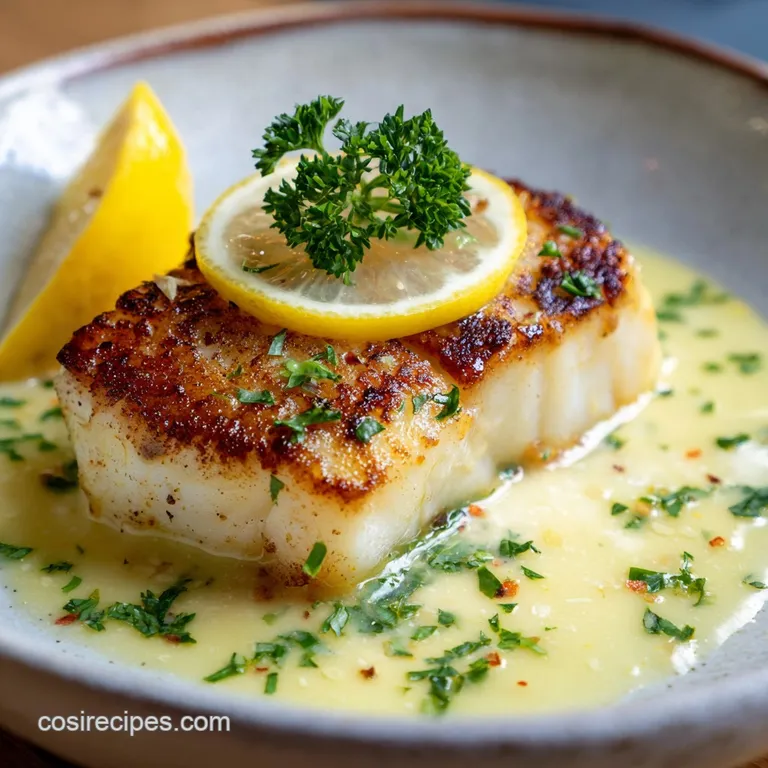
The Fish is Sticking
If you try to flip the fish and it resists, stop immediately. This is usually because the proteins haven't fully caramelized and "released" from the pan. Give it another 30 to 60 seconds, and it should slide right off. Also, make sure your pan was hot enough before you started.
The Butter is Burning
If the butter in the pan starts turning dark brown or black instead of a golden "hazelnut" color, your heat is too high. You can quickly fix this by adding a splash of fresh oil or a squeeze of lemon to cool the pan down. Next time, drop the heat to medium as soon as the butter goes in.
| Problem | Root Cause | Solution |
|---|---|---|
| Rubber texture | Overcooked | Pull fish at 130°F; it rises while resting |
| Soggy exterior | Surface moisture | Use more paper towels; don't salt too early |
| Grey appearance | Pan not hot enough | Wait for oil to shimmer/smoke slightly |
Common Mistakes Checklist
- ✓ Skipping the "dry down" phase (this is the #1 cause of failure)
- ✓ Moving the fish too early (let that crust build!)
- ✓ Using a non stick pan (you won't get the same golden color)
- ✓ Forgetting to rest the fish (it needs those 2 minutes)
- ✓ Crowding the pan (cook in batches if the fillets are huge)
Scaling the Recipe Effectively
If you're cooking for a crowd, don't try to cram four fillets into one 12 inch pan. You'll lose the heat, and the fish will steam. Instead, sear them in two batches. You can keep the first batch warm in a 200°F oven on a wire rack while you finish the rest.
When scaling down for one person, the instructions remain identical, but be careful with the butter sauce. Use a smaller skillet so the butter doesn't spread too thin and burn. For spices, if you're doubling the recipe, only increase the salt and pepper by about 1.5 times to avoid over seasoning.
Flavor Variations and Swaps
| Original Ingredient | Substitute | Why It Works |
|---|---|---|
| Avocado Oil | Grapeseed Oil | Similar high smoke point and neutral flavor |
| Unsalted Butter | Ghee (Clarified) | Higher smoke point; great for dairy sensitivity |
| Thyme | Rosemary | Stronger woodsy aroma. Note: Use sparingly |
If you want an "Umami Twist," try swapping the lemon and parsley for a splash of soy sauce and some grated ginger in the butter at the very end. It transforms the dish into something completely different but equally delicious.
For a dairy-free version, use a high-quality vegan butter or just stick with the avocado oil and a splash of white wine to deglaze the pan.
Seafood Cooking Myths
"Searing seals in the juices" is perhaps the biggest myth in the kitchen. Searing actually creates a flavor packed crust through the Maillard reaction, but it doesn't create a waterproof barrier. Moisture loss happens as proteins tighten. The real secret to juicy fish is stopping the cook at the right temperature.
Another common one is that "frozen fish is inferior." Most Chilean Sea Bass is flash frozen on the boat right after being caught. If you buy "fresh" fish at the counter, it was likely previously frozen anyway.
high-quality frozen fillets are often fresher than the "fresh" ones that have been sitting in a display case for two days.
Storage and Leftover Ideas
Storage: You can keep cooked sea bass in an airtight container in the fridge for up to 2 days. I don't recommend freezing it after it's been cooked, as the delicate texture will become mushy upon thawing.
Zero Waste: If you have leftover fish, don't just microwave it it will get rubbery. Instead, flake the cold fish into a salad or use it to make high end fish tacos. You can also toss the flakes into a warm risotto right at the end. For the leftover lemon butter in the pan, save it!
It’s basically liquid gold. Drizzle it over some steamed asparagus or boiled potatoes the next day.
Perfect Sides for Seafood
Since this fish is so rich, you want sides that offer some contrast. A crisp, acidic slaw or a simple arugula salad with a sharp vinaigrette works wonders. I often serve this over a bed of sautéed spinach or with some roasted fingerling potatoes to soak up that extra lemon butter sauce.
If you're looking for a more substantial meal, a light lemon risotto or some herbed couscous provides a great base. Just remember to keep the flavors simple so the Chilean Sea Bass remains the star of the show. Trust me, once you master this sear, you'll be looking for any excuse to put it on the menu.
Enjoy every buttery bite!
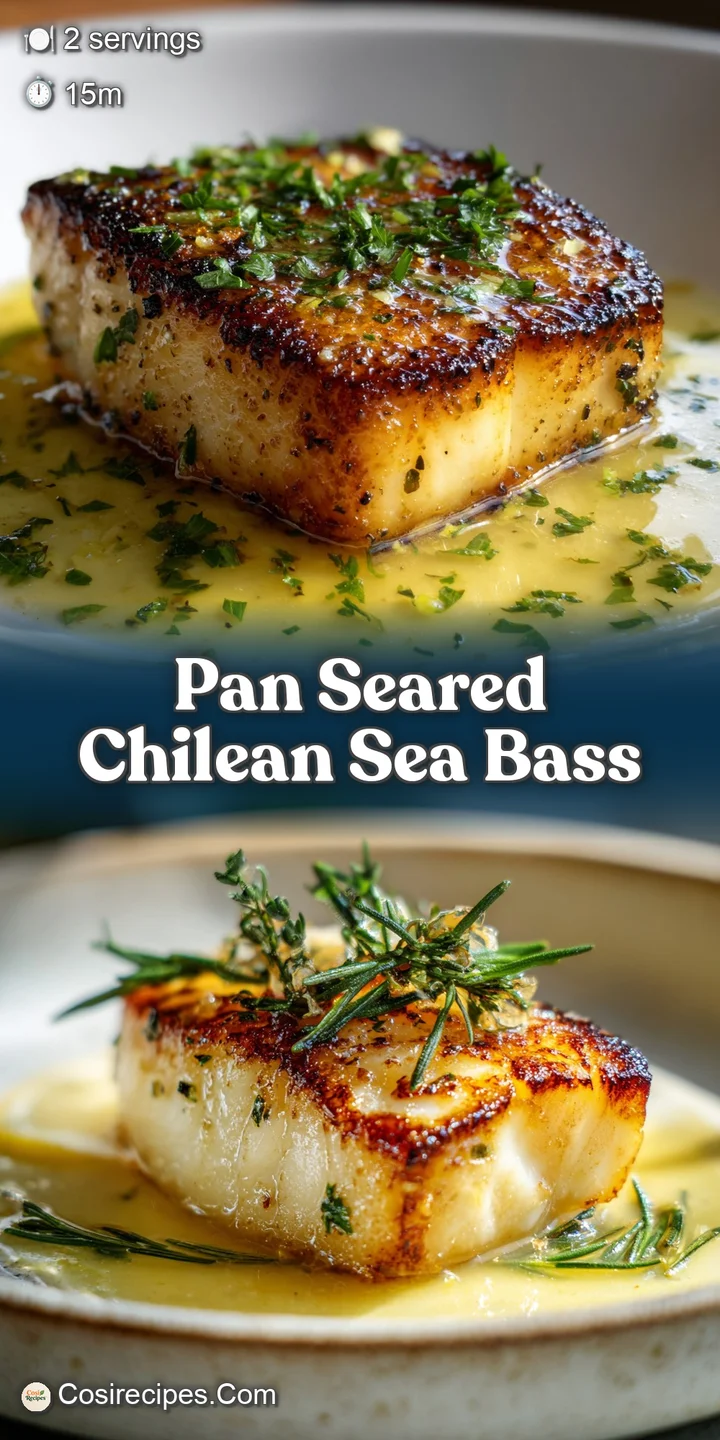
Very High in Sodium
1168 mg mg of sodium per serving (51% % of daily value)
The American Heart Association recommends limiting sodium intake to no more than 2,300mg per day for most adults.
Tips to Reduce Sodium in Your Chilean Sea Bass Recipe
-
Reduce Added Salt-25%
Eliminate or significantly reduce the 1 tsp of kosher salt. Start with a pinch, taste, and add more only if absolutely needed.
-
Enhance with Lemon-10%
Increase the amount of fresh lemon juice to enhance the flavor naturally, reducing the need for salt.
-
Unsalted Butter Matters-5%
Continue using unsalted butter as it contributes richness without adding sodium.
-
Herbs & Spices
Experiment with other fresh or dried herbs and spices like dill, paprika, or garlic powder to boost flavor. This will help reduce reliance on salt without impacting sodium levels!
Recipe FAQs
How do you pan sear Chilean sea bass?
Pat the fish completely dry, season aggressively, and heat avocado oil in a cast iron pan until shimmering. Sear skin side down for 5 minutes without moving it, flip, then immediately reduce heat and begin basting with foaming butter, garlic, and thyme for 3 minutes.
How long do you cook sea bass in a frying pan?
About 8 to 9 minutes total for a standard 1.5 inch fillet. The initial sear on the first side is crucial and takes 5 minutes, followed by 3 to 4 minutes of cooking after flipping and basting.
How long should chilean sea bass be cooked?
Stop cooking when the internal temperature reaches 130°F to 135°F. This usually takes about 8-9 minutes total on the stovetop, but always verify with an instant read thermometer for perfect moisture.
Is it better to fry sea bass in oil or butter?
Start with a high smoke point oil, then finish with butter for flavor. Use avocado oil for the initial high heat sear, and add cold butter later for basting to prevent the milk solids from scorching too quickly.
What temperature should the pan be for searing sea bass?
Medium high heat, hot enough for the oil to just begin smoking faintly. This indicates the pan has reached the correct temperature to immediately trigger the Maillard reaction for a crisp crust.
Should I use frozen or fresh Chilean Sea Bass?
high-quality frozen is often preferable to unknown "fresh" stock. Most Chilean Sea Bass is flash frozen on the boat; ensure frozen fillets are thawed completely in the refrigerator before patting them dry for searing.
What happens if my fish sticks to the pan during searing?
Do not force the flip; the crust hasn't fully formed yet. Let the fish cook for another 30 to 60 seconds, ensuring the pan was hot enough initially, and the protein will naturally release when ready.
Pan Seared Chilean Sea Bass
Ingredients:
Instructions:
Nutrition Facts:
| Calories | 482 kcal |
|---|---|
| Protein | 31.2 g |
| Fat | 38.4 g |
| Carbs | 2.2 g |
| Fiber | 0.4 g |
| Sugar | 0.6 g |
| Sodium | 1168 mg |
