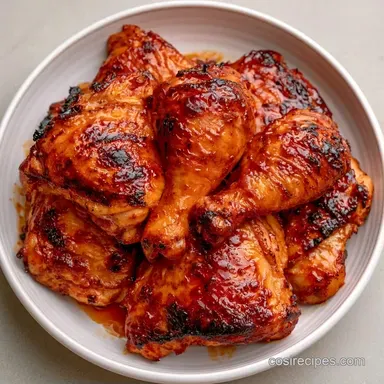
Smoky Peruvian Charcoal Chicken
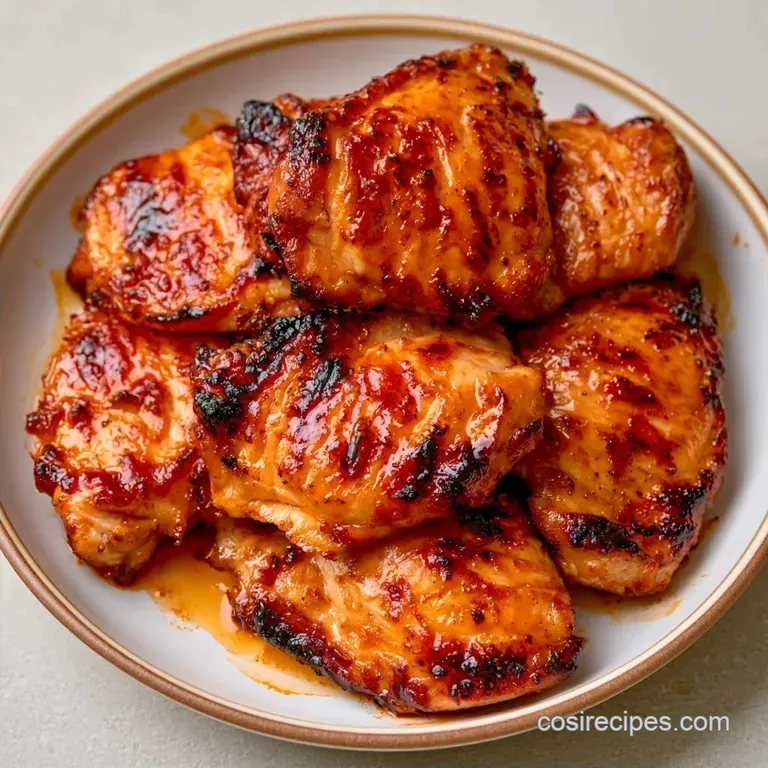
- Time:15 minutes active + 4 hours chilling
- Flavor/Texture Hook: Smoky, mahogany colored crisp skin
- Perfect for: Weekend family cookouts or a bold dinner change up
- Why These Flavors Work
- Shopping List and Substitutes
- Essential Tools for Grilling
- Step by Step Cooking Guide
- Troubleshooting Your Grill Results
- Adjusting for Different Sizes
- Debunking Grilling Misconceptions
- Storage and Zero Waste Tips
- Dietary and Recipe Adaptations
- Best Ways to Serve It
- Very High in Sodium
- Recipe FAQs
- 📝 Recipe Card
The smell of burning charcoal and smoked paprika hitting the air is something you just can't beat. It's that specific aroma that makes you realize your backyard is about to become the best rotisserie in town. For me, the hero here is the soy sauce.
While most people think of it as just "salty," in this recipe, it acts as the catalyst for that deep, dark color and the addictive savory depth that defines the dish.
You can find lots of versions of this, but most forget that the skin needs to shatter slightly when you bite into it. We aren't looking for "cooked" skin, we want a mahogany crust that holds onto the smoke. That's why we use a specific heat management system on the grill.
This Peruvian Charcoal Chicken is all about patience with the marinade and precision with the fire. I'll show you how to decode the restaurant style using basic tools, so you don't need a professional rotisserie to get that authentic flavor.
Why These Flavors Work
Acidic Tenderizing: The lime juice breaks down the tight protein fibers in the thighs and drumsticks. This ensures the meat stays tender even when exposed to the intense heat of the coals.
Sugar Salt Synergy: Soy sauce provides salt for depth and natural sugars for color. When these hit the hot zone, they caramelize quickly, creating a dark, flavorful crust.
Two Zone Heat: Moving the meat from the hot zone to the cool zone prevents the skin from burning before the bone in meat reaches a safe temperature.
| Method | Time | Texture | Best For |
|---|---|---|---|
| Charcoal (Classic) | 40 minutes | Smoky, crisp skin | Authentic flavor |
| Oven (Fast) | 35 minutes | Soft skin, juicy | Rainy days |
Shopping List and Substitutes
Why These Ingredients Work
| Ingredient | What It Does | Best Swap |
|---|---|---|
| Soy Sauce | Adds salt and dark color | Coconut Aminos (less salt) |
| Smoked Paprika | Provides the "charcoal" aroma | Regular Paprika + pinch of Cumin |
| Lime Juice | Cuts through the fat | Lemon Juice (slightly sweeter) |
| Garlic Powder | Deep flavor penetration | Extra fresh garlic |
The Full List
For the Peruvian Charcoal Chicken Marinade
- 3 lbs bone in, skin on chicken thighs and drumsticksWhy this? Bone in stays juicy under high heat
- 2 tbsp vegetable oilWhy this? Neutral base for the spices
- 3 tbsp soy sauceWhy this? Provides the mahogany color
- 2 tbsp lime juiceWhy this? Tenderizes the protein
- 1 tbsp garlic powderWhy this? Adds a base layer of savoriness
- 4 cloves garlic, mincedWhy this? Fresh punch of flavor
- 1 tbsp smoked paprikaWhy this? Essential for the smoky profile
- 1 tsp ground cuminWhy this? Adds earthy warmth
- 1 tsp saltWhy this? Basic seasoning
- 1 tsp black pepperWhy this? Mild heat
For the Aji Verde (Green Sauce)
- 1 cup fresh cilantro leavesWhy this? Fresh, herbal base
- 2 jalapeños, deseededWhy this? Controlled heat
- 1/2 cup mayonnaiseWhy this? Creamy texture
- 1 clove garlicWhy this? Sharpness
- 1 tbsp lime juiceWhy this? Brightness
- 1 tsp saltWhy this? Flavor balance
- 1 tbsp olive oilWhy this? Emulsifies the sauce
Essential Tools for Grilling
While you can manage with basic tools, a few specific items make the job much easier. I always opt for a chimney starter for the charcoal; it's more efficient and avoids the use of lighter fluid, which often leaves an unpleasant chemical aftertaste on the meat.
A pair of sturdy tongs is essential. You'll need to move the chicken between the hot and cool zones quickly, so avoid flimsy tools that might struggle while the skin is caramelizing.
Finally, invest in a digital meat thermometer. This is the only way to guarantee the Peruvian Charcoal Chicken is perfectly cooked without slicing into it and letting the juices leak out onto the grill.
Step by step Cooking Guide
Combine the vegetable oil, soy sauce, lime juice, garlic powder, minced garlic, smoked paprika, cumin, salt, and pepper in a mixing bowl.
Put the chicken pieces in a bag, pour in the marinade, and massage the meat to ensure the mixture coats every fold of the skin. Note: The best flavor comes from getting the marinade under the skin.
Let the chicken chill in the refrigerator for at least 4 hours, though overnight is preferred.
Use a chimney starter to light the charcoal, then push the coals to one side of the grill to establish a Hot Zone and a Cool Zone.
Keep the grill lid closed for 5 minutes to stabilize the heat at approximately 400°F (200°C).
Place the chicken skin side down on the Hot Zone and grill for 3–5 minutes per side until the skin is mahogany colored and crisp.
Move the chicken to the Cool Zone, close the lid, and roast for 25–30 minutes until a meat thermometer registers 165°F (74°C).
Pulse the cilantro, jalapeños, garlic, and lime juice in a blender until combined.
Stir in the mayonnaise and salt, then slowly stream in the olive oil while blending on low until the sauce becomes velvety.
Troubleshooting Your Grill Results
Managing Flame Ups
When skin fat drips onto the coals, you might see sudden bursts of fire. Stay calm and quickly shift the chicken into the Cool Zone. I find it helpful to have a water spray bottle on hand to tame the coals if things get out of control.
Preventing Dryness
Dry meat is typically the result of spending too much time in an overly intense Hot Zone. Prioritize a quick sear, then promptly move the chicken to indirect heat. To ensure juiciness, pull the meat at an internal temp of 160°F and allow it to carry over to 165°F.
Improving the Taste
If the chicken tastes bland, the marinade likely didn't soak in enough. For a faster result, use a fork to prick a few holes in the thickest sections of the thighs; this allows the acidic and salty flavors to reach deeper into the meat.
| Problem | Root Cause | Solution |
|---|---|---|
| Charred skin, raw center | Overstayed in Hot Zone | Sear for 3 mins, then move to Cool Zone |
| Sauce is too runny | Excess lime juice | Stir in one extra tbsp of mayonnaise |
| Skin stays soft | Low grill temperature | Keep the lid closed to retain heat |
Adjusting for Different Sizes
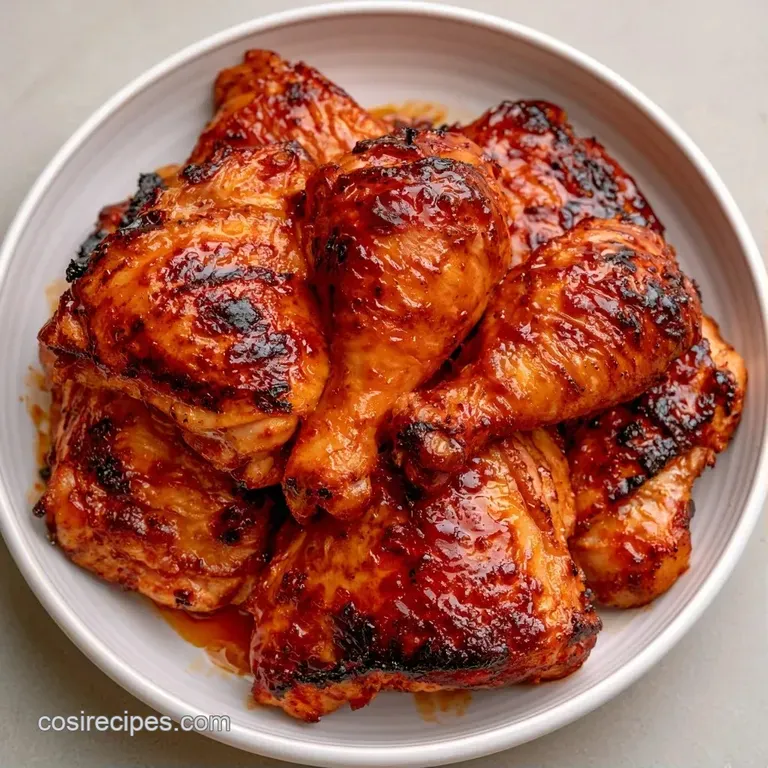
When scaling up for a larger group, I avoid simply doubling every seasoning. I typically use 1.5x the salt and cumin, then taste the marinade to adjust. It is easy to add too much salt, but nearly impossible to fix once it's in.
For smaller portions, like two thighs, reduce the Cool Zone cooking time by about 20%. Smaller cuts reach that 165°F internal temperature faster, and you want to avoid overcooking.
| Goal | What to change |
|---|---|
| More smokiness | Use hickory or oak chunks |
| Mild heat | Remove jalapeño seeds |
| Faster prep | Use a food processor for marinade |
Debunking Grilling Misconceptions
Many people believe that searing meat keeps the juices inside. In reality, this is a misconception. While searing develops a savory crust and deep flavor, it doesn't prevent moisture from escaping. Water loss occurs throughout the entire cooking process.
Similarly, some suggest oiling grill grates immediately before adding the meat. Although this can prevent sticking, applying oil directly to the meat as we do with our marinade is more effective. Oil on the grates often just burns and produces more smoke than is actually necessary.
Storage and Zero Waste Tips
Store any remaining Peruvian Charcoal Chicken in an airtight glass jar in the refrigerator for a maximum of 3 days. To maintain the crispiness of the skin, skip the microwave and instead use a pan over medium heat or a toaster oven.
Rather than discarding the bones, simmer them in a pot with water, a piece of onion, and a carrot to create a fast stock. Because of the soy and paprika marinade, you'll get a rich, savory flavor profile perfect for a hearty, rustic soup.
Extra aji verde sauce will keep in the refrigerator for roughly one week. Should the sauce separate, simply stir it with a fork before using.
Dietary and Recipe Adaptations
For a dairy-free version, the mayonnaise is the only concern. Use a vegan mayo or a thick cashew cream. The flavor profile of the Peruvian Charcoal Chicken remains exactly the same because the main punch comes from the paprika and lime.
If you want to make Peruvian Charcoal Chicken Wings, reduce the roasting time in the Cool Zone to about 15-20 minutes. Wings are smaller and can overcook quickly, but they take the marinade incredibly well.
For those who love bold, creamy sauces, this pairs well with other vibrant dishes. If you enjoy this level of flavor, you might also like my Chicken Tikka Masala recipe, which uses a similarly rich approach to sauce and protein.
Best Ways to Serve It
Traditionally, Peruvian Charcoal Chicken is paired with chunky fries and a fresh salad. The fries should be generously salted to provide a nice contrast to the tang of the aji verde.
I also enjoy serving this with steamed corn on the cob or boiled yuca. The starchy texture of the yuca is perfect for soaking up the extra sauce, making every bite flavorful.
To plate the dish, slice the chicken into thick strips and drizzle the green sauce over the top. Add a squeeze of fresh lime just before serving to brighten all the smoky notes.
This Peruvian Charcoal Chicken is a favorite in my home because it feels like a special occasion despite using basic tools. Once you get the hang of the two-zone fire, you'll see how easy it is to recreate those addictive restaurant flavors in your own backyard.
Just remember to let the meat rest for 5 minutes after it comes off the grill so the juices can settle it makes a huge difference.
Very High in Sodium
1300 mg 1300 mg of sodium per serving (57% 57% of daily value)
The American Heart Association recommends a daily sodium limit of 2,300mg for most adults, with an ideal limit of 1,500mg for those with hypertension.
Tips to Reduce Sodium
-
Eliminate Added Salt-25%
Remove the 2 teaspoons of salt added to the marinade and mayonnaise sauce; the soy sauce already provides significant salinity.
-
Swap Soy Sauce-20%
Replace the regular soy sauce with low-sodium soy sauce or coconut aminos to reduce the primary sodium source.
-
Modify the Mayo-15%
Substitute half of the mayonnaise with plain Greek yogurt to lower the amount of processed sodium in the sauce.
-
Boost Fresh Aromatics
Increase the amount of fresh cilantro, minced garlic, and lime juice to add brightness and depth without adding sodium.
Recipe FAQs
What makes Peruvian charcoal chicken unique?
It combines a citrus soy marinade with a two-zone charcoal grilling technique for smoky flavor and juicy meat.
Tip: massage the marinade under the skin to ensure the flavor penetrates the meat.
Which seasonings create the signature flavor?
The profile relies on smoked paprika, cumin, garlic powder, soy sauce, and lime juice.
Tip: use fresh lime juice rather than bottled to keep the acidity bright.
Is it true that you need a professional rotisserie for mahogany skin?
That's a myth. Searing skin side down in a 400°F Hot Zone achieves the same result on a standard grill.
Tip: close the grill lid for 5 minutes before adding meat to stabilize the heat.
How to organize the coals for two-zone grilling?
Pour ignited charcoal to one side of the grill to create a high heat Hot Zone and a low-heat Cool Zone.
Tip: keep the Cool Zone completely clear of coals for safe indirect roasting.
At what internal temperature is the chicken done?
The meat is ready when it reaches an internal temperature of 165°F (74°C).
Tip: use a digital meat thermometer in the thickest part of the thigh.
Can I reduce the marinating time from overnight?
You can marinate for a minimum of 4 hours, though overnight is ideal for maximum tenderness.
Tip: use a zip-top bag to ensure the chicken is fully submerged in the liquid.
Why is olive oil drizzled into the green sauce?
Drizzling oil while blending creates a velvety emulsion that prevents the sauce from separating.
Tip: if you enjoyed mastering this emulsion, see how we use a similar whisking logic in our mustard dipping sauce.
Which method reheats leftovers best?
Use a toaster oven or a pan on medium heat instead of a microwave to preserve texture.
Tip: avoid covering the chicken during reheating to let steam escape and keep the skin crisp.
Peruvian Charcoal Chicken