Southern Fried Okra Recipe: Cornmeal Crust
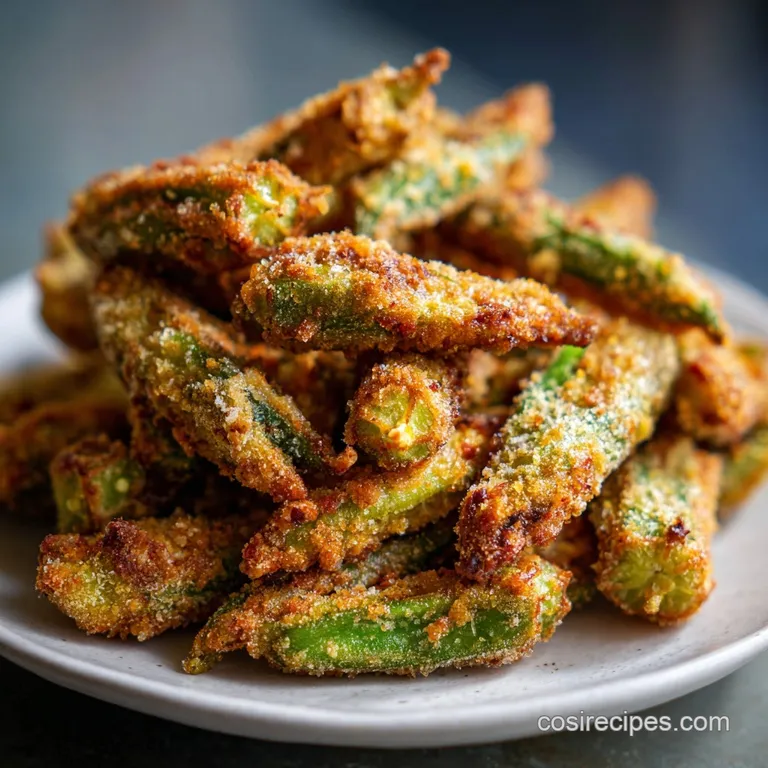
- Time: Active 10 minutes, Passive 10 minutes, Total 20 minutes
- Flavor/Texture Hook: Shatteringly crisp cornmeal crust with a tender, savory center
- Perfect for: Hearty Sunday suppers, BBQ side dishes, or a quick vegetable snack
- Why This Southern Fried Okra Recipe Beats Everything Else
- Essential Timing and Nutritional Facts for Success
- Selecting the Best Fresh Produce and Seasonings
- The Must Have Tools for the Perfect Fry
- Master the Four Stages of Golden Frying
- Solving Common Sogginess and Seasoning Failures
- Creative Flavor Swaps and Simple Dietary Adaptations
- Best Practices for Storing and Reheating Leftovers
- Hearty Sides that Pair Perfectly with Okra
- Recipe FAQs
- 📝 Recipe Card
Why This Southern Fried Okra Recipe Beats Everything Else
The first time I stood over a cast iron skillet trying to make this southern fried okra recipe, I ended up with a pile of soggy, green mush. I was twenty years old, living in a tiny apartment, and desperately craving the smoky, savory flavors of my grandmother’s Georgia kitchen.
I thought I could just toss the okra in flour and hope for the best, but the "slime factor" won that round. It took years of tinkering with the cornmeal to flour ratio and understanding oil recovery times to finally nail that specific, golden brown crunch that stays crispy even after it hits the plate.
Right then, let's talk about that sizzle. There is nothing quite like the sound of fresh okra hitting 350°F oil it’s a sharp, aggressive crackle that settles into a steady hum. That aroma of toasted cornmeal and garlic powder drifting through the house is pure comfort.
This version is the real deal; it’s bold, it’s hearty, and it’s designed for people who actually want to taste the vegetable under the breading. We’re going for a crust that shatters when you bite it, revealing a perfectly tender middle that isn't the least bit "gooey."
Trust me on this: once you master the buttermilk soak, you’ll never look at frozen okra the same way again. We are building flavor in layers here, from the seasoned buttermilk bath to the cayenne spiked cornmeal. It’s a straightforward process, but the details matter.
We’re not looking for an elegant, light tempura; we want a rugged, flavorful coating that can stand up to a side of smoky brisket or a pile of pulled pork. Let's crack on and get that skillet heating.
Essential Timing and Nutritional Facts for Success
Before we get our hands messy, we need to look at the hard numbers. Frying is all about precision and thermal management. If your oil temp drops, you’re eating grease; if your slices are too thick, the middle stays raw. This hearty side is a staple alongside my Southern Yellow Squash recipe when I'm feeding a full house.
| Feature | Classic Skillet Fry | Air Fryer Shortcut |
|---|---|---|
| Total Cook Time | 10 minutes | 12 minutes |
| Texture Result | Shatteringly crisp | Firm and toasted |
| Oil Required | 1.5 cups | 1 tablespoon |
The Mucilage Metamorphosis Logic
Science: The acidity in buttermilk breaks down the okra's mucilage (the "slime") while the starch in the cornmeal forms a physical barrier that prevents moisture from softening the crust.
This creates a pressurized steam environment inside the pod that cooks the vegetable rapidly without letting the exterior get soggy.
Precision Checkpoints
- Oil Temperature: Exactly 350°F (180°C) before the first batch goes in.
- Slice Thickness: Consistently 1/2 inch (1.3 cm) for even cooking.
- Batch Size: Never fill more than 50% of the skillet's surface area at once.
Selecting the Best Fresh Produce and Seasonings
The secret to a great southern fried okra recipe is the quality of the pods. You want them small and firm anything longer than your index finger is likely to be woody and tough. When you snap the tip off a fresh okra pod, it should break cleanly like a pencil.
If it bends, it’s old, and no amount of frying will save that texture.
Ingredient Deep Dive
| Ingredient | Science Role | Pro Secret |
|---|---|---|
| Fresh Okra | Structure & Moisture | Small pods (3-4 inches) have the best seed to flesh ratio. |
| Buttermilk | Acidic Binder | The lactic acid tenderizes the fiber and neutralizes internal slime. |
| Yellow Cornmeal | Texture Architect | Provides the "grit" and crunch that flour alone cannot achieve. |
| Cayenne Pepper | Flavor Catalyst | Cuts through the fat of the oil to brighten the savory notes. |
Component Analysis and Substitutes
- 1 lb fresh okra pods: The star of the show. Why this? Fresh pods hold their shape and provide a vibrant green flavor.
- Substitute: Frozen whole okra (thawed and patted very dry).
- 1/2 cup buttermilk: The glue for our crust. Why this? It's thicker than milk and adds a subtle tangy depth.
- Substitute: 1/2 cup milk mixed with 1 tsp lemon juice.
- 1/2 cup yellow cornmeal: For that classic Southern grit. Why this? Creates a durable, crunchy exterior that resists wilting.
- Substitute: Polenta (grind it slightly finer in a blender).
- 1/4 cup all purpose flour: The filler for the gaps. Why this? Flour bonds the cornmeal together for a continuous coating.
- Substitute: Rice flour for a lighter, crispier finish.
- 1/2 tsp garlic powder: Savory backbone. Why this? Distributes flavor more evenly than fresh garlic in hot oil.
- Substitute: Onion powder for a sweeter profile.
- 1.5 cups vegetable oil: The heat conductor. Why this? High smoke point ensures we don't burn the coating.
- Substitute: Peanut oil for a heartier, nuttier aroma.
The Must Have Tools for the Perfect Fry
You don't need a high end deep fryer to make this work, but a heavy bottomed pan is non negotiable. A cast iron skillet (like a Lodge 10 inch) is my go to because it holds heat like a champ.
When you drop cold okra into the oil, the temperature naturally dips; cast iron minimizes that dip, ensuring the crust starts crisping immediately rather than soaking up oil.
Chef's Tip: Use a "spider" strainer or a slotted metal spoon instead of tongs. Tongs tend to knock the breading off the delicate slices before it has a chance to set.
If you're craving more crunch, try my Fried Green Tomatoes recipe using the same skillet setup. You'll also want a wire cooling rack set over a baking sheet. Never drain fried food on paper towels alone; the steam gets trapped underneath and turns the bottom of your okra into a soggy mess within minutes. The rack allows air to circulate, keeping the "shatter" factor alive.
Master the Four Stages of Golden Frying
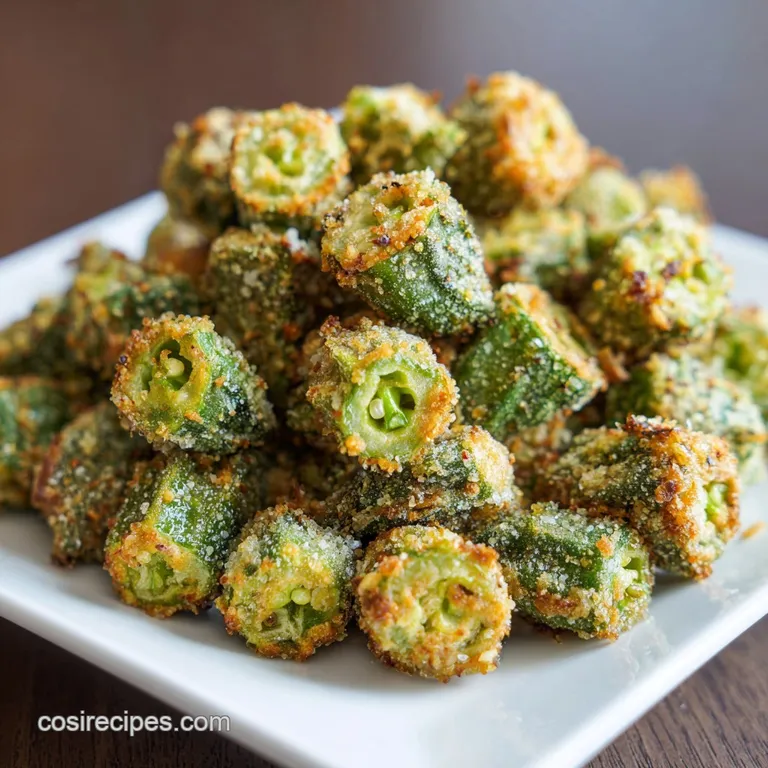
The process is fast, so have your station ready before the oil gets hot. This is a "wet hand, dry hand" situation to keep your fingers from turning into breaded drumsticks.
- Prep the pods. Rinse the 1 lb of okra and pat them bone dry with a kitchen towel. Slice into 1/2 inch rounds, discarding the stem ends. Note: Drying the okra before slicing prevents excess slime from escaping too early.
- Soak in buttermilk. Place the sliced rounds in a bowl and pour over the 1/2 cup of buttermilk. Stir until every piece is velvety and coated.
- Mix the dry base. In a separate shallow bowl or large zip top bag, whisk together the 1/2 cup cornmeal, 1/4 cup flour, 1 tsp sea salt, 1/2 tsp pepper, 1/4 tsp cayenne, and 1/2 tsp garlic powder.
- The first dredge. Using a slotted spoon, move the okra from the buttermilk into the cornmeal mixture. Shake the bowl or bag vigorously until no green is visible.
- Heat the oil. Pour 1.5 cups of vegetable oil into your skillet and heat over medium high until a pinch of flour sizzles instantly.
- The gentle drop. Carefully add the okra to the oil in batches. Do not overcrowd.
- Fry for gold. Cook for 3-4 minutes, turning occasionally with your spider strainer, until the crust is deep golden and hard to the touch.
- Drain and rest. Move the okra to the wire rack. Note: Resting for 2 minutes allows the internal steam to settle so the crust stays attached.
- Season again. Hit them with a tiny extra pinch of sea salt while they are still glistening with oil.
- Serve immediately. These are at their peak within 10 minutes of leaving the pan.
Solving Common Sogginess and Seasoning Failures
The most frustrating part of any southern fried okra recipe is when the coating falls off in the pan. This usually happens because the okra was too wet before the buttermilk, or the oil wasn't hot enough.
If the oil is below 350°F, the buttermilk/cornmeal mixture will start to dissolve into the fat rather than cauterizing into a crust.
Why Your Coating Is Falling Off
If your okra looks "naked" after frying, you likely moved it too soon. The starch needs about 60 seconds of undisturbed contact with the hot oil to form a structural bond. If you start stirring the second they hit the pan, you’re essentially scrubbing the flavor right off the vegetable.
| Problem | Root Cause | Solution |
|---|---|---|
| Greasy texture | Oil temp too low | Increase heat; fry in smaller batches to maintain temp. |
| Burnt exterior, raw middle | Oil temp too high | Lower heat to medium; ensure slices are exactly 1/2 inch. |
| Bland flavor | Lack of salt in dredge | Season both the cornmeal mixture and the finished product. |
Common Mistakes Checklist
- ✓ Never salt the raw okra before slicing (this draws out moisture/slime).
- ✓ Use a thermometer to verify the 350°F oil temperature.
- ✓ Pat the whole pods dry with a towel before you ever touch them with a knife.
- ✓ Work in batches overcrowding drops the oil temp by up to 50°F instantly.
- ✓ Use a wire rack for draining, not a flat plate with paper towels.
Creative Flavor Swaps and Simple Dietary Adaptations
While the classic version is hard to beat, sometimes you want to mix it up or accommodate a guest's needs. If you want a smoky profile, try adding 1/2 tsp of smoked paprika to the cornmeal. It gives the dish a "BBQ pit" vibe that pairs exceptionally well with grilled meats.
Dietary and Flavor Adjustments
| Original Ingredient | Substitute | Why It Works |
|---|---|---|
| All Purpose Flour | Cornstarch | Creates an even crunchier, glass like crust. |
| Buttermilk | Plain Soy Yogurt | High protein/acid content binds well for a vegan version. |
| Vegetable Oil | Lard | Adds a traditional, savory richness—Note: Not vegetarian. |
Decision Shortcut
- If you want maximum crunch: Use 3/4 cup cornmeal and only 2 tbsp flour.
- If you want it spicy: Double the cayenne and add 1 tsp of hot sauce to the buttermilk.
- If you want it light: Use the Air Fryer method (200°C for 12 mins, tossing halfway).
Best Practices for Storing and Reheating Leftovers
Fried food is notoriously difficult to store, but it’s not impossible. If you have leftovers, let them cool completely on the wire rack before putting them in a container. If you trap the warmth in a plastic tub, the condensation will turn your hard earned crust into a sponge.
- Fridge: Store in an airtight container for up to 3 days.
- Freezer: Flash freeze in a single layer on a tray, then move to a freezer bag. They stay good for 2 months.
- Reheating: Never use the microwave. Toss them in a 400°F (200°C) oven or air fryer for 4-5 minutes until they sizzle and regain their snap.
- Zero Waste Tip: If you have leftover cornmeal dredge, don't toss it! It makes a fantastic base for hushpuppies just add an egg and some chopped onions. You can also save your okra tops/stems for a vegetable stock bag in the freezer; they add a natural thickness to soups and gumbos.
Hearty Sides that Pair Perfectly with Okra
This southern fried okra recipe is a team player. Because it’s salty and crunchy, it needs something creamy or acidic to balance the palate. I love serving it alongside a big bowl of creamy mashed potatoes or a vinegar based slaw.
For a classic Sunday supper, try serving this with a side of Classic Hoppin John recipe. The earthiness of the black eyed peas and the smokiness of the ham hock play beautifully against the toasted cornmeal crust. If you’re doing a full on fish fry, a dollop of Southern Chow Chow recipe provides the perfect zesty "pop" to cut through the richness of the fried vegetables.
Whatever you do, don't be afraid to get a little messy. This is finger food at its finest. Just make sure you have plenty of napkins and maybe a little ranch or remoulade for dipping.
Honestly, once you start popping these like popcorn, you’ll realize why one pound of okra barely feels like enough for four people.
Recipe FAQs
What seasonings go on fried okra?
Salt, pepper, garlic powder, and cayenne pepper are the essential core seasonings. Mix these generously into your cornmeal and flour dredge for a savory crust. The cayenne is crucial for balancing the richness of the oil.
Do you need to soak okra before frying?
Yes, soaking is highly recommended, preferably in buttermilk or soured milk. This acidic bath begins to break down the internal mucilage (slime) and acts as the primary binder for the dry coating.
How to get the slime out of okra before you fry it?
Soak the cut okra in buttermilk for at least 10 minutes, stirring occasionally. The lactic acid in the buttermilk neutralizes the slime, and the subsequent dredge coats the surface before the moisture can escape during frying.
What is the best flour to use for fried okra?
A combination of yellow cornmeal and all-purpose flour is best. The cornmeal provides the signature Southern grit and crisp texture, while the flour helps glue the mixture onto the okra pods. For extra lightness, you can substitute some flour with cornstarch.
Why is my fried okra coating falling off in the hot oil?
The oil temperature is likely too low, or the okra was not patted dry enough. If the oil isn't hot enough (around 350°F), the coating dissolves instead of immediately sealing. Mastering oil temperature is key; if you can manage heat well here, you'll find the same principles apply when learning the Hibachi Steak Recipe.
Can I use frozen okra instead of fresh for this recipe?
Yes, but only if thawed and thoroughly dried first. Frozen okra releases a significant amount of water when thawed, which necessitates patting every piece aggressively dry before adding it to the buttermilk soak.
What oil temperature is required for perfectly crisp okra?
Maintain the oil temperature precisely at 350°F (175°C). This temperature is hot enough to rapidly cook the outside into a shatteringly crisp crust while steaming the inside tenderly, preventing oil saturation.
Southern Fried Okra Recipe
Ingredients:
Instructions:
Nutrition Facts:
| Calories | 248 kcal |
|---|---|
| Protein | 4.1 g |
| Fat | 12.4 g |
| Carbs | 31.1 g |
| Fiber | 5.0 g |
| Sugar | 3.2 g |
| Sodium | 612 mg |
