Creamy Scalloped Potatoes Recipe
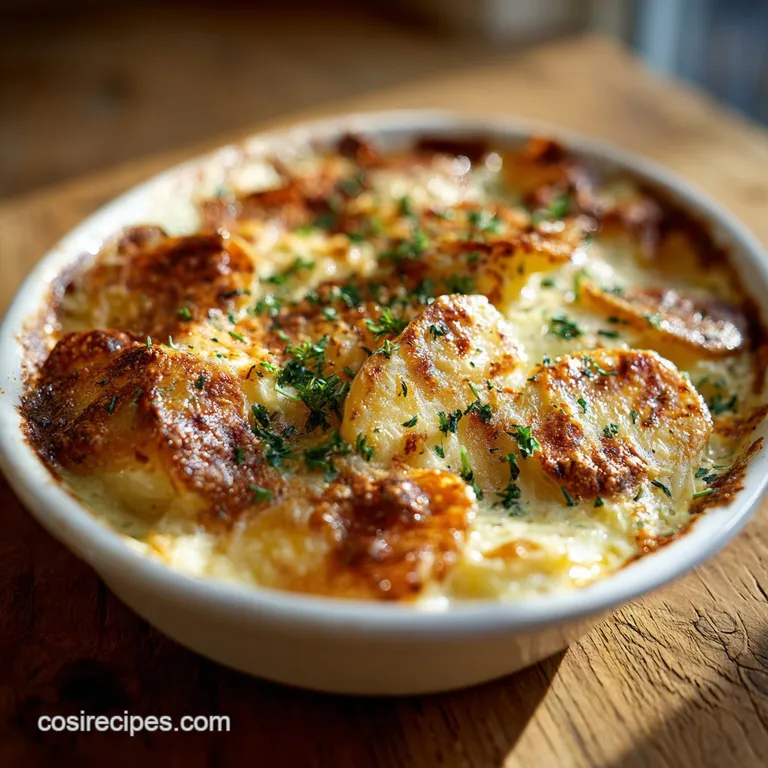
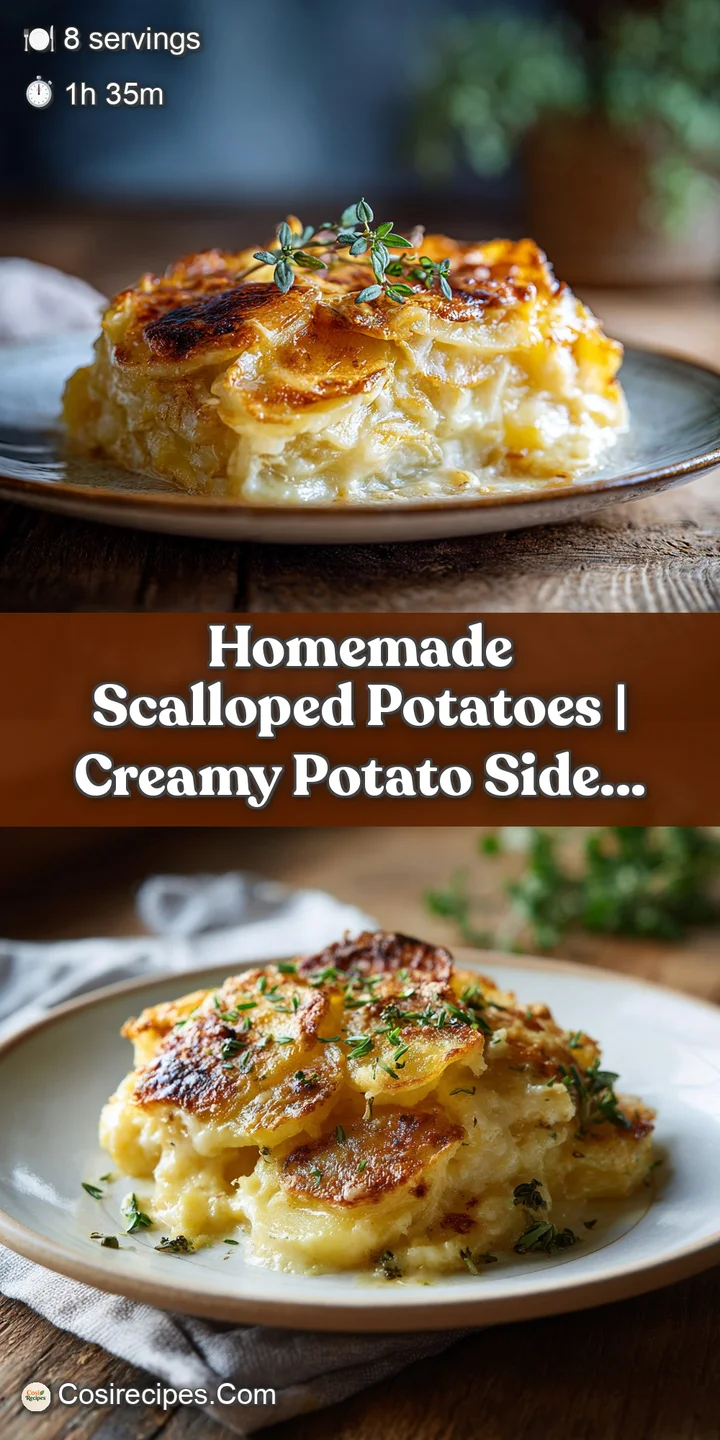
- Time: Active 20 minutes, Passive 1 hours 15 mins, Total 1 hours 35 mins
- Flavor/Texture Hook: Savory, buttery, and velvety with a golden brown top
- Perfect for: Sunday family roasts, holiday feasts, or a comforting weeknight side
- Creating Hearty and Creamy Scalloped Potatoes
- Why This Recipe Simply Works
- Key Ingredients and Smart Substitutes
- Essential Kitchen Gear for Success
- Step by Step Cooking Guide
- Fixes for Common Cooking Problems
- Creative Ways to Customize Flavor
- Scaling the Recipe
- Proper Storage and Reheating Tips
- Best Sides for This Dish
- Recipe FAQs
- 📝 Recipe Card
Creating Hearty and Creamy Scalloped Potatoes
Picture this. You open the oven door and a cloud of steam hits you, carrying the scent of softened onions, melted butter, and that unmistakable earthy punch of fresh thyme. Around the edges of your baking dish, the heavy cream has reduced into a thick, bubbling lava that's just starting to caramelize into a deep brown crust.
When you slide a knife into the center, it glides through the layers like it's cutting through softened butter. That is the moment you know you've nailed it.
I remember the first time I tried to make these for a big neighborhood BBQ. I was so worried about the potatoes being undercooked that I sliced them too thick and didn't use enough liquid. I ended up serving a dish that was basically warm, crunchy potato salad.
It was embarrassing, but it taught me everything I needed to know about the science of the slice and the ratio of fat to starch. Now, Scalloped Potatoes are my go to "wow" dish because they feel fancy but have that deep, hearty comfort we all crave.
We're not just making a side dish here. We are building layers of flavor. By the time this hits the table, the potatoes have absorbed the garlic infused cream and the whole house smells like a cozy kitchen in the heart of the South.
It's the kind of dish that makes people quiet down and just eat, which is the best compliment a cook can get.
Why This Recipe Simply Works
- Amylopectin Control: Using Yukon Gold potatoes provides the ideal balance of starch, ensuring the slices hold their shape while releasing enough starch to thicken the sauce into a velvety coating.
- Roux Stabilization: The flour and butter base creates a physical barrier that prevents the milk and heavy cream from curdling or breaking under high heat.
- Enzymatic Browning: A long, slow bake allows the natural sugars in the onions and dairy to undergo the Maillard reaction, creating that golden brown, savory crust on top.
| Method | Time | Texture | Best For |
|---|---|---|---|
| Classic Oven | 1 hours 15 mins | Silky with a crispy top | Traditional Sunday dinners |
| Stovetop Start | 45 minutes | Very soft and uniform | Quick weeknight hunger |
| Slow Cooker | 4 hours | Dense and ultra infused | Big parties with limited oven space |
Selecting the right method depends on how much time you have to let the flavors meld. The oven method is my favorite because it develops those "shatter"-crisp edges that everyone fights over at the table.
If you're in a rush, starting the potatoes in the cream on the stove for ten minutes before baking can shave significant time off the total.
How Does the Roux Stabilize the Cream?
When we cook the flour in the butter, we are coating the starch granules in fat. This prevents them from clumping together when the liquid hits the pan. As the sauce heats up in the oven, those starch molecules swell and trap the water and fat from the cream, creating a stable emulsion that won't turn greasy.
Key Ingredients and Smart Substitutes
The secret to a hearty result lies in the quality of your dairy and the waxiness of your spuds. Don't even think about using skim milk here; the fat is what carries the flavor of the thyme and garlic into the center of every potato slice.
- Yukon Gold potatoes (3 lbs): Why this? They have a creamy texture and thin skin that doesn't require peeling if you're lazy.
- Whole milk (3 cups): Why this? Provides the volume needed to submerge the potatoes without making the dish overly heavy.
- Heavy cream (1 cup): Why this? Adds the necessary fat for a luxurious, silk like mouthfeel and prevents the sauce from being thin.
- All purpose flour (1/4 cup): Why this? Acts as the thickening agent to turn the milk into a coating sauce.
- Fresh thyme (1 tbsp): Why this? Offers a woody, floral aroma that cuts through the richness of the dairy.
| Original Ingredient | Substitute | Why It Works |
|---|---|---|
| Whole Milk | Unsweetened Cashew Milk | High fat content maintains creaminess. Note: Will lack the traditional dairy sweetness. |
| Heavy Cream | Full fat Coconut Milk | Similar viscosity. Note: Adds a distinct tropical flavor that changes the dish's profile. |
| Yukon Gold | Russet Potatoes | High starch content makes a very thick sauce. Note: Potatoes will be much softer and may fall apart. |
I've tried making this with 2% milk when I was trying to be "healthy," and honestly, it was a watery mess. If you're going to make Scalloped Potatoes, go all in on the fat. It's a treat, not a salad.
If you really want to change things up, try swapping half the potatoes for sweet potatoes for a Southern twist that pairs perfectly with smoked meats.
Essential Kitchen Gear for Success
You don't need a professional kitchen, but a mandoline slicer is a total lifesaver for this recipe. If you try to hand cut 3 lbs of potatoes into 1/8 inch rounds, you'll be there all day and they won't cook evenly. Consistency is the name of the game here.
A heavy bottomed saucepan is also key for the sauce. You want something that distributes heat evenly so you don't burn the flour when you're making your roux. I usually reach for my 10 inch cast iron skillet or a deep ceramic baking dish for the actual assembly.
The ceramic holds heat beautifully, keeping the potatoes warm on the table for a long time.
| Component Analysis | Science Role | Pro Secret |
|---|---|---|
| Sliced Onions | Flavor Foundation | Sauté until translucent before layering to release natural sugars. |
| Ground Nutmeg | Aromatic Bridge | Use a microplane to grate fresh nutmeg; it enhances the sweetness of the cream. |
| Unsalted Butter | Fat Medium | Melt it slowly to avoid browning the solids before the flour is added. |
Using a scale to weigh your potatoes ensures the liquid to starch ratio remains exact. I used to just "eyeball" the amount of potatoes, but then I'd end up with either a soup or a dry casserole. Stick to the 3 lbs and you'll get that velvety finish every time.
step-by-step Cooking Guide
1. Prep and Precision Slicing
Clean your 3 lbs of Yukon Gold potatoes and slice them into 1/8 inch rounds. Note: Using a mandoline ensures even cooking across the entire dish. Do not soak them in water after slicing, as we want to keep all that beautiful starch on the surface to help thicken our sauce later.
2. Building the Infused Cream Sauce
In a saucepan over medium heat, melt the 4 tbsp of unsalted butter and sauté the sliced yellow onion and 3 minced garlic cloves for about 5 minutes until they are soft and fragrant.
Whisk in the 1/4 cup of flour and cook for 2 minutes to remove the raw flour taste.
3. Creating the Emulsion
Slowly pour in the 3 cups of whole milk and 1 cup of heavy cream while whisking constantly. Note: Adding the liquid in stages prevents lumps from forming in your roux. Stir in the 1 tsp salt, 1/2 tsp pepper, 1/4 tsp nutmeg, and 1 tbsp fresh thyme.
4. Thickening the Base
Continue cooking the sauce over medium heat until it starts to simmer and coat the back of a spoon. You’re looking for a consistency similar to heavy house paint. Once it reaches this stage, remove it from the heat immediately so it doesn't over reduce.
5. The Art of the Layer
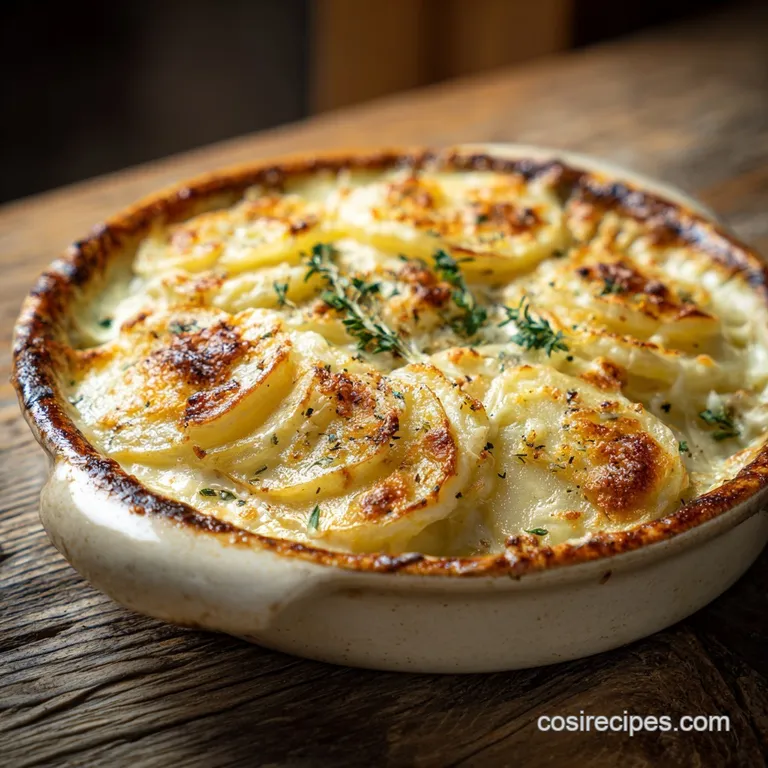
Grease your baking dish generously with butter. Arrange one third of the potato slices in an overlapping pattern on the bottom. Pour one third of the warm cream sauce over the top, making sure it gets between the slices. Repeat this process for two more layers.
6. The Initial Steam
Cover the dish tightly with aluminum foil. Note: This traps the steam and ensures the potatoes soften before the top gets too dark. Place the dish in a preheated oven at 350°F (180°C) and bake for 45 minutes.
7. The Golden Crust Finish
Remove the foil and continue baking for another 30 minutes until the top is deeply golden brown and the sauce is thick. You should see the cream "sizzle" and bubble intensely around the edges of the dish.
8. The Crucial Rest
Take the potatoes out of the oven and let them sit on the counter for at least 15 minutes. Note: The sauce will look thin when it first comes out, but it will set into a velvety glaze as it cools slightly. Resist the urge to dig in immediately, or the layers will just slide apart.
Fixes for Common Cooking Problems
Why Are My Potatoes Still Hard?
This usually happens if the slices were too thick or if the dish wasn't covered tightly enough during the first stage of baking. If you find they are still crunchy after the allotted time, add a splash of milk, cover it back up with foil, and give them another 15 minutes.
Why Did My Sauce Curdle?
High heat can cause the dairy proteins to clump, especially if you used low-fat milk. The roux (flour and butter) is supposed to prevent this, but an oven that's running too hot can still break the sauce. Always check your oven temperature with a separate thermometer to be sure.
| Problem | Root Cause | Solution |
|---|---|---|
| Greasy Sauce | Sauce broke/separated | Whisk the roux longer next time or use higher quality butter. |
| Thin Liquid | Not enough starch | Let the dish rest longer; the starch needs time to absorb the liquid. |
| Burnt Bottom | Rack too low | Bake on the middle rack and use a light colored ceramic dish. |
Common Mistakes Checklist
- ✓ Using "old" potatoes that have started to sprout (they turn bitter when baked).
- ✓ Slicing by hand instead of using a mandoline (leads to uneven texture).
- ✓ Skipping the 15 minute rest period (results in a messy, runny serving).
- ✓ Forgetting to grease the dish (the bottom layer will stick and burn).
- ✓ Rushing the onion sauté (raw onions won't soften properly in the cream).
Creative Ways to Customize Flavor
If you want to turn this into a full meal, adding ham is the classic Southern move. I love using leftover holiday ham, diced into small cubes and tucked between the layers. The saltiness of the pork cuts through the rich cream in a way that is absolutely addictive.
- For the Potato Base: Mix in sliced parsnips or fennel for a more complex, earthy flavor profile.
- For the Velvety Cream Sauce: Stir in a tablespoon of Dijon mustard for a sharp, tangy kick that balances the nutmeg.
- How Do I Make This Cheesy?: Add 1.5 cups of shredded Gruyère or sharp Cheddar between the layers. This technically makes it "Au Gratin," but it's a crowd pleaser regardless of the name.
- Can I Add Meat?: Layer in 1 cup of cooked, crumbled bacon or diced ham for a smoky, savory boost.
Chef's Tip: If you want a really deep, smoky flavor without adding meat, try whisking a teaspoon of smoked paprika into your cream sauce. It gives the dish a beautiful orange hue and a "back of-the throat" warmth that's perfect for winter.
Scaling the Recipe
When I'm cooking for a smaller crowd, I usually halve this recipe. You can use a 2 quart baking dish and reduce the bake time by about 20%. Keep the temperature the same, but start checking for tenderness at the 35 minute mark under the foil.
If you’re doubling the recipe for a potluck, don't just double everything blindly. Use two separate baking dishes rather than one giant one. If the potatoes are piled too high, the ones in the center will never cook through before the edges are scorched.
For the spices, use about 1.5x the amount of salt and pepper rather than 2x, then taste your sauce before pouring it over the potatoes. You can always add more salt, but you can't take it out once it’s in there.
| Servings | Potato Weight | Pan Size | Cook Time |
|---|---|---|---|
| 4 People | 1.5 lbs | 8x8 square | 55 minutes |
| 8 People | 3 lbs | 9x13 dish | 1 hours 15 mins |
| 16 People | 6 lbs | Two 9x13 dishes | 1 hours 15 mins |
Proper Storage and Reheating Tips
Scalloped Potatoes are actually one of those rare dishes that might taste even better the next day. The flavors have more time to mingle, and the starch sets into a firm, sliceable texture.
Storage: Keep leftovers in an airtight container in the fridge for up to 4 days. I don't recommend freezing this dish. The cellular structure of the potatoes breaks down when frozen, and the cream sauce will likely separate and become grainy when thawed.
Reheating: The best way to reheat is in the oven at 300°F (150°C). Cover the dish with foil and add a tiny splash of milk to help loosen the sauce. It usually takes about 20 minutes to get it hot all the way through.
If you use a microwave, do it in short bursts and be prepared for the sauce to look a bit more oily.
Zero Waste: If you have a small amount of leftover potatoes, don't throw them out. Mash them up and use them as a base for a thick potato leek soup. Alternatively, pan fry cold slices in a little butter for a "Scalloped Potato Hash" breakfast that will change your life.
Best Sides for This Dish
Since this is such a heavy, savory side, it pairs best with proteins that have some acidity or smokiness. I always serve this alongside a smoked brisket or a roasted chicken with a lemon herb rub. The richness of the potatoes needs something to "talk" to, otherwise, the meal can feel a bit one note.
A simple green salad with a sharp vinaigrette is the perfect "reset" button for your palate between bites of creamy potato. You want something crunchy and fresh to balance out the soft, velvety texture of the casserole.
Honestly, if you're feeling bold, a side of collard greens with plenty of vinegar is the ultimate Southern pairing. Trust me, the way the cream sauce mixes with the pot liquor from the greens on your plate is pure magic.
Recipe FAQs
What are some common mistakes to avoid when making scalloped potatoes?
Avoid slicing potatoes too thickly and not covering the dish during the initial bake time. Thick slices prevent even cooking, and skipping the foil traps steam, leading to hard centers and burnt tops.
Should you cook potatoes before making scalloped potatoes?
No, do not pre-cook the raw potatoes. The potatoes must cook slowly submerged in the cream sauce in the oven to release their starches, which thicken the liquid naturally into a velvety coating.
What is the difference between scalloped and au gratin potatoes?
Scalloped potatoes are baked in a cream sauce, whereas gratin potatoes are usually topped with cheese or breadcrumbs before baking. Technically, adding cheese makes your scalloped potatoes au gratin.
How to make scalloped potatoes better?
Incorporate a roux stabilizer into your cream sauce by cooking flour into the melted butter first. This ensures the sauce remains thick and prevents the dairy from separating or becoming watery.
Is it true that soaking sliced potatoes prevents them from thickening the sauce?
Yes, this is true. Soaking potatoes washes away the surface starch (amylopectin) required to naturally thicken the cream mixture as it bakes.
How to ensure the potatoes cook fully without the sauce curdling?
Bake covered with foil for the first 45 minutes at 350°F, then remove the foil for the final browning stage. This traps moisture for steaming while ensuring the sauce base is stabilized with a roux.
What is the best type of potato for creamy results?
Use Yukon Gold potatoes for the best balance. They offer enough starch to thicken the sauce beautifully while retaining enough structure to hold their layered shape when fully cooked.
Creamy Scalloped Potatoes
Ingredients:
Instructions:
Nutrition Facts:
| Calories | 362 kcal |
|---|---|
| Protein | 7.7 g |
| Fat | 19.8 g |
| Carbs | 39.1 g |
| Fiber | 3.8 g |
| Sugar | 5.6 g |
| Sodium | 345 mg |
