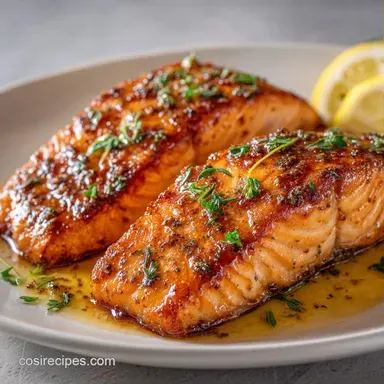
Pan Fried Salmon: Crispy Skin for Two
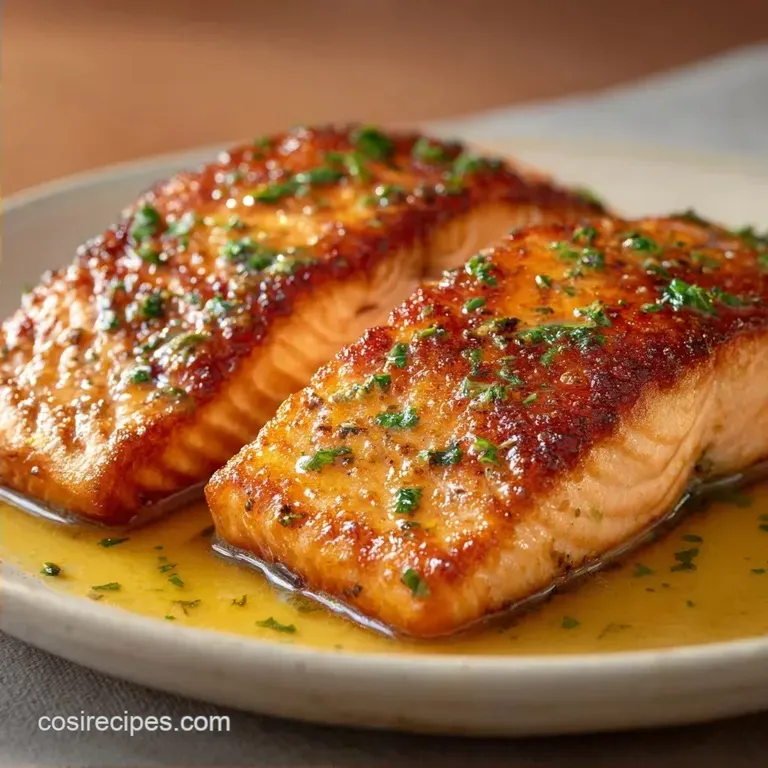
- Time: 5 min active + 10 min cook
- Flavor/Texture Hook: Shatter crisp skin with nutty garlic butter
- Perfect for: A quick date night or a healthy weeknight dinner
Sizzle. That's the sound of butter foaming around a smashed garlic clove, hitting that exact moment where it smells like a high end bistro. For a long time, I thought getting that "shatter crisp" skin was some guarded secret held by chefs in white coats.
I used to worry that my home stove wasn't hot enough or that my pans were just wrong.
Forget the idea that you need a professional kitchen or expensive equipment to get this right. Most people think you have to "seal" the fish or use a massive amount of oil to stop sticking. Actually, the secret is much simpler: it's all about moisture control and patience.
If you've ever ended up with a soggy piece of fish that clings to the pan for dear life, this is for you. We're making a pan fried Salmon that actually behaves. It's simple, fresh, and focuses on the natural flavor of the fish.
Pan fried Salmon
The first thing to realize is that water is the enemy of a crust. When moisture hits a hot pan, it turns into steam, which effectively boils your fish instead of searing it. By getting the skin bone dry, you allow the proteins to brown quickly. This is where that deep, savory flavor comes from.
Another common mistake is moving the fish too early. You'll feel the urge to peek or nudge the fillet, but the fish will actually release itself from the pan once the crust is fully formed. If it's sticking, it's usually because it hasn't finished browning yet. Just wait for it.
When we talk about pan fried Salmon for Two, the goal is a contrast in textures. You want the skin to crack like a thin wafer, while the inside remains just barely opaque. Overcooking is the fastest way to ruin a great piece of seafood, so we use a thermometer to be exact.
The Secret Techniques
Moisture Removal: Patting the skin dry prevents steaming, which allows the oil to fry the skin directly.
The Press: Applying pressure for 10 seconds stops the skin from curling, ensuring every millimeter hits the heat.
Butter Basting: Spooning hot butter over the fish finishes the cooking gently while adding a nutty, rich aroma.
The Release: Waiting for the fish to naturally detach prevents the skin from tearing away and staying in the pan.
| Method | Time | Texture | Best For |
|---|---|---|---|
| Stovetop | 10 mins | Shatter crisp skin | Quick dinners |
| Oven Baked | 15 mins | Evenly soft | Large crowds |
| Air Fryer | 12 mins | Dry crisp | Low mess |
Component Breakdown
The ingredients here are minimal, but each one has a specific job. We aren't just adding things for flavor; we're using them for their physical properties.
| Ingredient | Science Role | Pro Secret |
|---|---|---|
| Avocado Oil | Heat Stability | High smoke point prevents bitter, burnt oil flavors |
| Unsalted Butter | Flavor Carrier | Basting adds richness without burning as fast as oil |
| Lemon Juice | Acid Balance | Cuts through the heavy fats of the salmon |
| Kosher Salt | Moisture Draw | Pulls surface water out for a better sear |
Needed Ingredients
For the best results, get center cut fillets. These are uniform in thickness, meaning the edges won't overcook before the middle is done.
- 2 (6 oz) center cut salmon fillets, skin on Why this? Uniform thickness ensures even cooking across the fillet
- 1 tbsp avocado oil Why this? Won't smoke or burn at the high heat needed for searing
- 1/2 tsp kosher salt Why this? Larger grains are easier to distribute evenly
- 1/4 tsp cracked black pepper Why this? Freshly cracked provides a sharper bite
- 2 tbsp unsalted butter Why this? Allows you to control the salt level yourself
- 1 clove garlic, smashed Why this? Smashed garlic infuses butter without burning like minced does
- 1 tbsp fresh lemon juice Why this? Brightens the rich oils of the fish
- 1 tsp fresh parsley, chopped Why this? Adds a fresh, herbaceous finish
If you don't have avocado oil, grapeseed oil works well. Avoid extra virgin olive oil for the initial sear, as it burns too quickly. For a twist, you can try my Mustard Dipping Sauce recipe on the side for some extra zing.
Essential Gear
You don't need a kitchen full of gadgets, but the surface matters. A stainless steel skillet or a cast iron pan is the way to go. Non stick pans are okay, but they don't develop the same level of crust because they are designed to prevent the very bonding that creates a sear.
I prefer a heavy bottomed skillet. The weight helps maintain a steady temperature when the cold fish hits the pan. You'll also need a flexible fish spatula. This allows you to get under the skin without hacking into the delicate flesh of the fish.
Finally, a digital meat thermometer is non negotiable. Because salmon varies in thickness, the only way to guarantee a velvety interior is to check the temp. According to Serious Eats, pulling fish a few degrees early allows carryover cooking to finish the job without drying it out.
The Searing Process
Phase 1: The Dry Down
Pat the salmon fillets bone dry using paper towels. Focus specifically on the skin side. If there's even a hint of moisture, you'll get steam instead of a crunch. Season both sides generously with salt and pepper.
Phase 2: The over High heat Sear
Heat the oil in your skillet over medium high heat. Wait until the oil shimmers and you see a tiny wisp of smoke. Carefully place the fillets skin side down. Press firmly with a spatula for 10 seconds. This is a key move to keep the skin flat.
Sear undisturbed for 5-6 minutes. You'll see the color change move up the side of the fillet. Wait until the edges of the skin turn golden brown and the fish releases naturally from the pan.
Phase 3: The Butter Baste & Finish
Flip the fillets carefully. Immediately add the butter and smashed garlic to the pan. As the butter foams and smells nutty, spoon it over the crispy skin for 2-3 minutes.
Remove the fish from the pan when the internal temperature hits 135°F (57°C). Stir in the lemon juice and parsley for a 30 second emulsion to finish the sauce. This creates a silky glaze that ties everything together.
Avoiding Common Mistakes
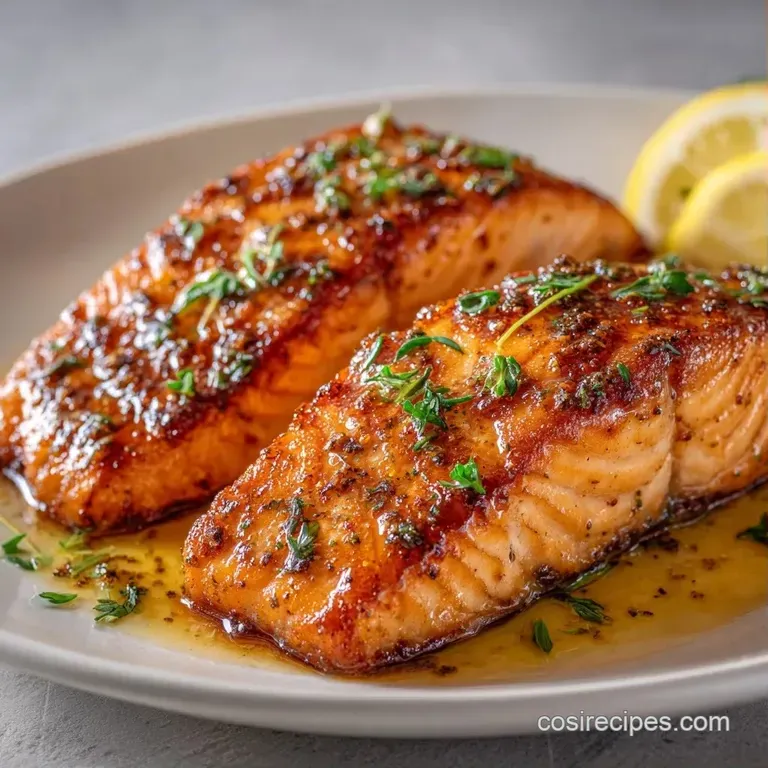
Troubleshooting Common Issues
| Issue | Solution |
|---|---|
| Why Your Skin Sticks | If the fish won't budge, you're likely trying to flip it too early. The proteins in the skin need time to dehydrate and crisp. Once that happens, the fish will practically jump out of the pan. |
| Why Your Fish Overcooks | Most people wait until the fish looks "done" in the center, but by then, it's usually overcooked. The carryover heat will raise the temperature by another 5 degrees after you take it off the stove. |
| Why the Butter Burns | Butter has a lower smoke point than oil. That's why we sear in avocado oil first and only add the butter at the end. |
Common Mistakes Checklist
- ✓ Did you pat the skin bone dry?
- ✓ Did you press the fillet down for 10 seconds?
- ✓ Did you wait for the oil to shimmer before adding fish?
- ✓ Did you pull the fish at 135°F?
- ✓ Did you add butter only after flipping?
Recipe Variations
If you're making Fried Salmon for Two and want to change the vibe, you can swap the garlic for a sprig of fresh thyme or rosemary. This gives it a more woody, earthy aroma that pairs great with a glass of white wine.
For a dairy-free version, replace the butter with a high-quality vegan butter or simply increase the avocado oil. You'll lose some of that nutty richness, but the texture remains just as crispy. To add a bit of brightness, a squeeze of lime instead of lemon works beautifully for a more tropical feel.
If you're looking for a Healthy pan fried Salmon for Two, skip the butter baste and use a teaspoon of capers in the lemon juice finish. This provides a salty, briny pop that replaces the need for heavy fats while keeping the flavor profile sophisticated.
Preservation Guidelines
Fridge Storage: Store leftovers in an airtight container for up to 3 days. The skin will lose its crunch in the fridge, which is the sad part of leftovers.
The Reheating Secret: To bring back some of that texture, don't use the microwave. Instead, pop the fillet skin side down in a hot pan for 2 minutes. This crisps the skin back up without overcooking the center.
Zero Waste: Don't throw away the salmon scraps or the bits of skin that might have torn off. I like to fry those scraps in a little oil until they're like chips, then toss them in a salad. You can also use any leftover garlic lemon butter as a sauce for steamed asparagus or sautéed spinach.
Pairing Suggestions
Since the pan fried Salmon is rich and buttery, you need sides that offer a sharp contrast. A crisp arugula salad with a lemon vinaigrette is the gold standard here. The peppery greens cut right through the fat of the fish.
For something more substantial, try a side of quinoa or roasted fingerling potatoes. If you want a truly velvety experience, I highly recommend pairing this with a Homemade Tartar Sauce recipe for dipping. The creamy, tangy notes of the tartar sauce complement the crispy skin perfectly.
If you're doing a full dinner party, a steamed broccolini with a pinch of red pepper flakes adds a nice heat and color to the plate. The goal is to balance the "heavy" feel of the butter with "light" and "acidic" components on the plate.
Scaling This Recipe
Cooking for One: Just halve the ingredients. Use a smaller 8 inch skillet so the oil doesn't spread too thin, which can lead to uneven searing.
Cooking for Four: Do not crowd the pan. If you put four fillets in a standard skillet, the temperature will drop, and the fish will steam. Work in two batches.
When scaling up, remember that spices and salt don't always scale linearly. Use about 1.5x the salt and pepper for four fillets rather than doubling it, then taste and adjust. Also, reduce the total amount of lemon juice by about 10% to keep the sauce from becoming too watery.
Common Misconceptions
Searing meat or fish does not "seal in the juices." This is a myth. Moisture loss happens regardless of how you start the cook. The purpose of the sear is purely for flavor and texture. The browning process creates complex compounds that make the fish taste deeper and more savory.
Another myth is that you need a non stick pan to prevent sticking. In reality, a well heated stainless steel pan is often better. Once the proteins on the skin undergo the browning process, they naturally release from the metal.
The non stick coating actually prevents the skin from getting that truly shatter crisp texture.
Right then, you've got everything you need to nail this dish. Just remember: dry skin, hot pan, and don't touch it until it's ready to let go. Enjoy your pan fried Salmon!
Recipe FAQs
How much salmon do I need for 2 people?
Use two 6 oz center-cut fillets. This ensures a standard, satisfying protein portion for each person.
What is the best way to pan fry salmon?
Pat fillets bone-dry, sear skin-side down in shimmering oil, and press firmly with a spatula. Flip once the skin is golden and baste with butter and garlic. This pairs beautifully with a fresh Mediterranean salad.
How long do you pan fry salmon for?
Sear undisturbed for 5-6 minutes on the skin side and 2-3 minutes on the flesh side. Rely on a thermometer for precise doneness rather than visual cues alone.
Should you pan fry salmon in butter or oil?
Start with oil and finish with butter. Avocado oil has a high smoke point for the initial sear, while butter is added at the end for flavor and basting.
Which side of salmon do you pan fry first?
Always start skin-side down. This protects the delicate flesh and allows the skin to crisp up and dehydrate properly.
Why does my salmon skin stick to the pan?
You are likely trying to flip the fish too early. The skin will release naturally from the pan once the proteins have sufficiently crisped and browned.
What internal temperature should pan-fried salmon reach?
Remove the fillets at 135°F (57°C). Residual carryover heat will continue to cook the fish slightly after it is removed from the pan.
Crispy pan fried Salmon for Two