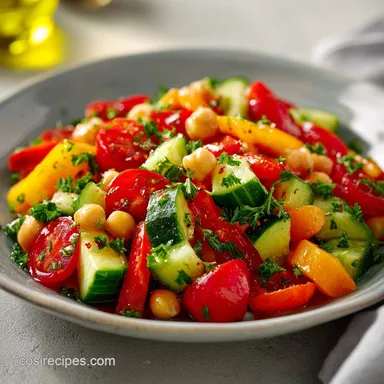
Mediterranean Salad Recipe: Fresh and Briny
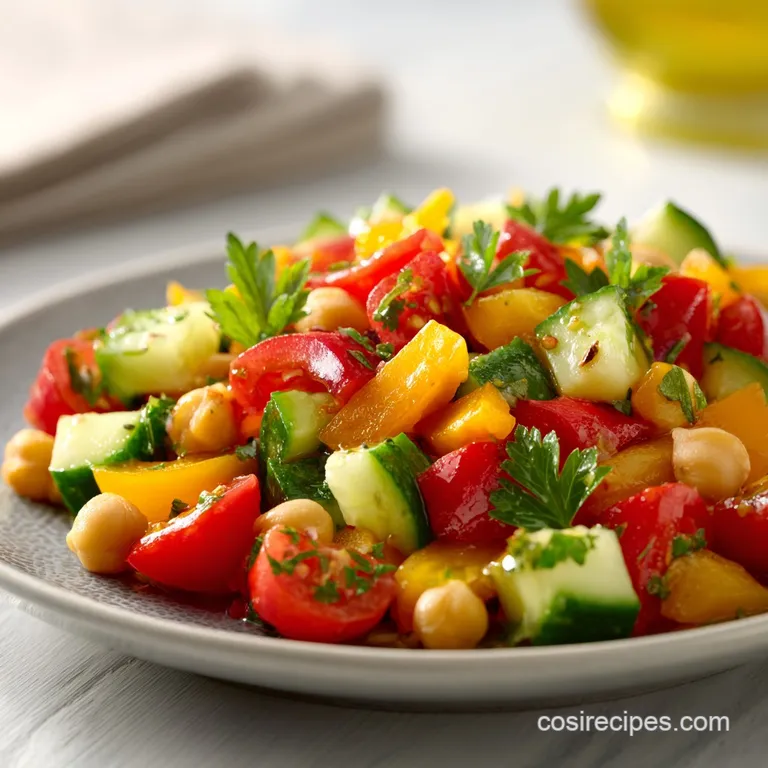
- Time:20 minutes active = Total 20 minutes
- Flavor/Texture Hook: Briny, crisp, and velvety
- Perfect for: Healthy weekday lunch or a bright side for grilled fish
- Bright and Zesty Mediterranean Salad Recipe
- The Logic Behind the Crunch
- Ingredient Component Analysis
- The Fresh Pantry List
- Putting It All Together
- Fixing Common Salad Slumps
- Troubleshooting Common Issues
- Adjusting the Batch Size
- Debunking Salad Lore
- Storage and Scrap Use
- Best Way to Serve
- Recipe FAQs
- 📝 Recipe Card
Bright and Zesty Mediterranean Salad Recipe
The first thing that hits you is that sharp, citrusy scent of fresh lemon juice hitting cold cucumbers. It's the smell of a coastal summer, where the air is salty and the vegetables are so crisp they practically snap when you bite into them.
I remember the first time I tried to make this for a group of friends; I was so obsessed with the "rustic" look that I chopped everything into uneven chunks. Some pieces were huge, others were tiny, and I ended up with a mouthful of raw red onion that completely drowned out the tomatoes.
It was a crash course in why consistency actually matters.
Now, I treat the chopping like a meditation. There's something so satisfying about seeing a bowl fill up with vibrant reds, deep greens, and stark whites. This isn't just a pile of chopped vegetables; it's a study in contrasts.
You have the salty punch of Kalamata olives clashing with the sweetness of cherry tomatoes, and the velvety texture of crumbled feta sitting against the rigid crunch of a bell pepper.
Trust me on this, the magic happens when you let the dressing sit for just a minute before the feta goes in. If you toss the cheese too early, it turns into a cloudy paste that coats everything. But if you wait, you get those distinct, creamy pockets of salt that make every forkful feel intentional.
Let's get into how to actually make this work in your kitchen.
The Logic Behind the Crunch
Acidic Softening: The lemon juice breaks down the rigid cell walls of the cucumbers and peppers just enough to let the dressing penetrate without losing the snap.
Salt Osmosis: Adding salt to the tomatoes draws out their natural juices, which then mix with the olive oil to create a thicker, more clingy sauce.
Fat Based Flavor Carry: The extra virgin olive oil acts as a vehicle, carrying the fat soluble flavors of the dried oregano and garlic into every crevice of the chickpeas.
Texture Layering: By adding the feta last, we preserve its structural integrity, ensuring you get distinct creamy bits rather than a homogenized mush.
| Servings | Ingredient Adjustments | Pan/Bowl Size | Prep Time |
|---|---|---|---|
| 2 people | ½ of all ingredients | Medium Bowl | 12 minutes |
| 4 people | Full recipe quantities | Large Mixing Bowl | 20 minutes |
| 8 people | 2x ingredients (spices 1.5x) | Extra Large Basin | 35 minutes |
Right then, before we move to the ingredients, it's worth noting that this salad is all about the quality of the produce. Since there's no cooking involved to mask flaws, a mealy cucumber or a bland tomato will be obvious. Look for the firmest vegetables you can find.
Ingredient Component Analysis
| Ingredient | Science Role | Pro Secret |
|---|---|---|
| Extra Virgin Olive Oil | Emulsion Base | Use a cold pressed oil for that peppery finish |
| Lemon Juice | pH Balance | Roll the lemon on the counter first to get more juice |
| Feta Cheese | Salt/Creamy Contrast | Buy the block in brine and crumble it yourself |
| Chickpeas | Protein/Structure | Rinse until the water is clear to remove the "canned" taste |
When picking your oil, don't just grab the cheapest bottle. A high-quality oil changes the entire profile from "vegetable salad" to something that tastes like it came from a seaside cafe. If you're looking for other ways to use fresh produce, you might enjoy a Tomato Cucumber Salad for an even lighter vibe.
The Fresh Pantry List
Gather these items before you start. I find it's much easier to move quickly when everything is laid out in a mise en-place style.
- English cucumber, diced (300g) Why this? Thinner skin and fewer seeds than field cucumbers
- Cherry tomatoes, halved (300g) Why this? Higher sugar content than large slicing tomatoes
- Red bell pepper, diced (150g) Why this? Adds a crisp sweetness and vibrant color
- Red onion, finely diced (75g) Why this? Provides a sharp, spicy bite to balance the feta
- Fresh parsley, chopped (15g) Why this? Adds a clean, grassy freshness
- Chickpeas, drained and rinsed (15 oz / 425g) Why this? Adds heartiness and a nutty undertone
- Kalamata olives, pitted and halved (85g) Why this? Deep, briny flavor that anchors the dish
- Feta cheese, crumbled (75g) Why this? Tangy, creamy, and salty
- Extra virgin olive oil (60ml) Why this? Rich mouthfeel and healthy fats
- Fresh lemon juice (30ml) Why this? Brightens all the other flavors
- Garlic, minced (5g) Why this? Adds a savory depth
- Dried oregano (2g) Why this? The classic Mediterranean aromatic
- Salt (3g) Why this? Essential for drawing out veg flavors
- Black pepper (1g) Why this? Subtle warmth
Substitution Options
| Original Ingredient | Substitute | Why It Works |
|---|---|---|
| Feta Cheese | Halloumi (cubed) | Similarly salty. Note: Best if pan seared first for warmth |
| Red Onion | Shallots | Milder flavor. Note: Less pungent, better for sensitive palates |
| Chickpeas | Canned Cannellini Beans | Similar texture. Note: Creamier and less nutty than chickpeas |
| English Cucumber | Persian Cucumbers | Similar crunch. Note: Use 4-5 small ones instead of one large |
Honestly, don't even bother with low-fat feta. The creaminess is where the luxury of this salad lives, and low-fat versions often have a chalky texture that ruins the experience.
Putting It All Together
Now we get to the part where the magic happens. I recommend using a bowl that's significantly larger than you think you need. This gives you room to toss the ingredients without sending a stray olive flying across the kitchen.
Prepping the Produce
- Dice the cucumber, bell pepper, and red onion into uniform ½-inch pieces. Note: Uniform sizes ensure you get a bit of everything in one bite.
- Halve the cherry tomatoes and chop the parsley.
- Place all these prepared vegetables in your large mixing bowl. Wait until they look like a colorful confetti mix before moving on.
Emulsifying the Dressing
- Combine the olive oil, lemon juice, minced garlic, oregano, salt, and pepper in a small jar.
- Shake vigorously for 30 seconds until the mixture looks thickened and opaque. Note: Shaking creates a temporary emulsion so the oil and lemon don't separate immediately.
The Final Assembly
- Add the rinsed chickpeas and halved olives to the vegetables.
- Pour the dressing over the mixture and toss gently. Do this until every piece of cucumber is glistening.
- Fold in the crumbled feta last. Note: Use a folding motion rather than stirring to prevent the cheese from breaking down into a paste.
Chef's Tip: If your red onion is particularly aggressive, soak the diced pieces in ice water for 10 minutes and pat dry before adding them to the bowl. This removes the "burn" but keeps the crunch.
Fixing Common Salad Slumps
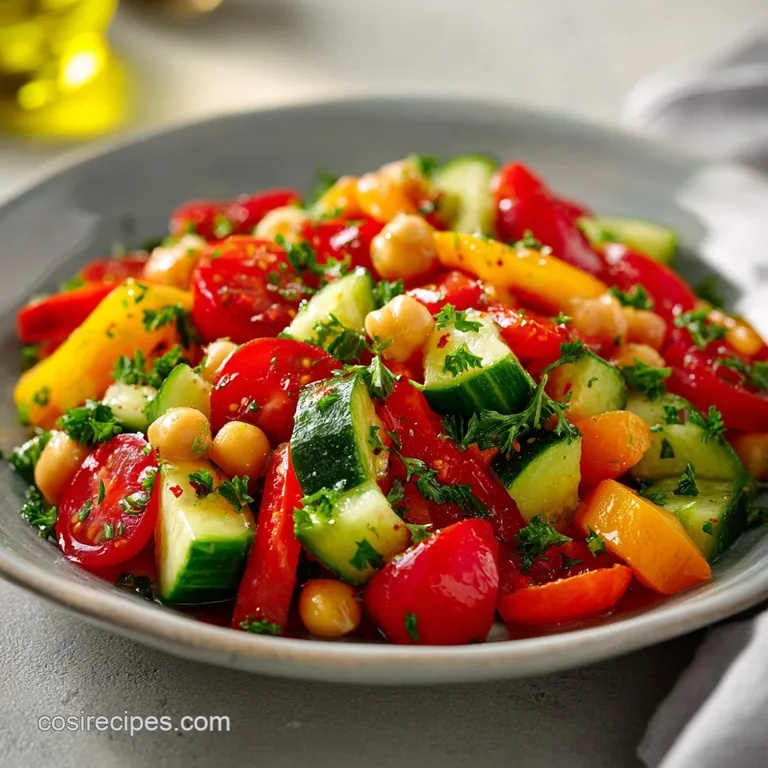
Even a simple salad can go wrong. Usually, it's a matter of moisture or balance. If your salad feels a bit "off," it's likely one of these three things.
Troubleshooting Common Issues
| Issue | Solution | ||
|---|---|---|---|
| Why Your Salad Gets Soggy | This usually happens when the cucumber releases too much water or the salt sits too long before serving. The salt draws moisture out of the vegetables, creating a pool of liquid at the bottom of the b | ||
| Why the Dressing Tastes Bitter | If you used too much lemon juice or the garlic was slightly burnt during mincing, the acidity can spike. A tiny pinch of sugar or a drizzle of honey can neutralize the bitterness without making the sa | ||
| Why the Flavor Feels Flat | Flatness usually means a lack of salt or acid. Before you add more oil, taste a piece of cucumber. If it doesn't "pop," add another squeeze of fresh lemon or a pinch of flaky salt. | Problem | Ro |
Adjusting the Batch Size
Changing the volume of this recipe isn't as simple as multiplying everything by two, especially when it comes to the seasoning.
Scaling Down (½ Batch): When making this for two, use a medium sized bowl. You can reduce the prep time to about 12 minutes. If you're using a recipe that calls for a half egg (not here, but for future reference), beat one egg and use half.
For this salad, simply halve everything.
Scaling Up (2x to 4x Batch): This is where people usually make mistakes. Do not double the salt and dried oregano. Start with 1.5x the spices and salt, then taste. Over salting a large batch is much harder to fix than under salting.
Also, work in batches if your bowl isn't huge overcrowding leads to bruised tomatoes and crushed feta.
Baking Variations: While this is a raw salad, if you decide to roast the chickpeas first for a crunchier version, lower your oven temperature by 25°F and extend the roasting time by 10 minutes to ensure they get crispy without burning the skins.
| Method | Time | Texture | Best For |
|---|---|---|---|
| Raw/Fresh | 20 min | Crisp & Juicy | Summer lunches |
| Roasted Chickpeas | 40 min | Nutty & Crunchy | Warm dinner side |
| Marinated (Overnight) | 12 hrs | Soft & Infused | Meal prep |
Whether you're making a small bowl for yourself or a giant platter for a party, the ratio of acid to fat should remain the same to keep that bright profile.
Debunking Salad Lore
You'll hear a lot of "rules" about salads, but some of them just don't hold up in a real kitchen.
"You must soak chickpeas to remove toxins." If you're using canned chickpeas, a thorough rinse under cold water is more than enough. The canning process already handles the softening and "toxin" removal. Just rinse until the bubbles stop.
"Fresh garlic is always better than powdered." In a cooked sauce, yes. But in a raw mediterranean salad recipe, powdered garlic can sometimes be more evenly distributed. However, fresh minced garlic provides a sharp, authentic bite that powder can't touch, so we stick with fresh here.
"Salads should be dressed hours in advance." For a leaf based salad, that's a crime. For this vegetable heavy version, a little marinating is fine, but the cucumbers will eventually lose their shatter crisp texture and become limp. Dress it 30 minutes before or right at the table.
Storage and Scrap Use
This salad is best eaten fresh, but it does hold up better than most.
Fridge Storage: Store in an airtight glass container for up to 3 days. Note that the cucumbers will release more water over time. Before eating the next day, give it a quick stir and drain any liquid that has pooled at the bottom.
Freezing: Do not freeze this. The high water content in the cucumbers and tomatoes will cause them to collapse into a mushy mess once thawed. The feta will also change texture and become grainy.
Zero Waste Tips: Don't throw away those lemon rinds! Zest them before juicing and freeze the zest in a small container for future pastas. If you have leftover parsley stems, toss them into a freezer bag with onion scraps and carrot peels to make a quick vegetable broth later.
The leftover brine from the feta block can also be used to quick pickle some red onions for your next sandwich.
Best Way to Serve
This salad is a powerhouse on its own, but it really shines when it's part of a larger spread.
The Protein Match: For a full dinner, I love pairing this with a Mediterranean Roasted Branzino. The charred skin of the fish and the bright, acidic crunch of the salad create a beautiful contrast. If you're keeping it vegetarian, a thick slice of toasted sourdough rubbed with a raw garlic clove is the way to go.
The Texture Addition: If you want to make it more of a meal, stir in some cooked quinoa or couscous. The grains soak up the leftover lemon oil dressing at the bottom of the bowl, making them incredibly flavorful.
Beverage Pairings: A crisp, chilled Sauvignon Blanc or a sparkling water with a slice of cucumber mirrors the flavors in the bowl. If you want something non alcoholic, a mint infused iced tea provides a cooling finish that complements the salty feta.
Presentation: Instead of a deep bowl, try serving this on a wide, flat platter. It allows the colors to pop and prevents the heavier chickpeas and olives from all sinking to the bottom, ensuring everyone gets a fair share of the good stuff.
Recipe FAQs
What are the ingredients in a Mediterranean salad?
Cucumber, cherry tomatoes, red bell pepper, red onion, parsley, chickpeas, Kalamata olives, and feta cheese. These are tossed in a dressing made from olive oil, lemon juice, garlic, oregano, salt, and pepper.
What are some common mistakes when making Mediterranean salad?
Adding salt too early or over mixing the feta. Salt draws moisture out of the vegetables which creates a pool of liquid, and tossing the cheese too vigorously causes it to break down and cloud the salad.
What is the difference between Mediterranean and Greek salad?
The addition of chickpeas. While both share similar flavor profiles, Mediterranean salads often incorporate beans for added protein, whereas traditional Greek salads typically omit them.
What is in the Jennifer Aniston salad?
Cucumber, red onion, chickpeas, parsley, and feta. This version focuses on these specific core ingredients dressed simply with lemon juice and olive oil.
How to store Mediterranean salad for later?
Store in an airtight glass container for up to 3 days. Give the salad a quick stir and drain any liquid that has pooled at the bottom before serving the next day.
Is it true this salad can be frozen to save time?
No, this is a common misconception. The high water content in the cucumbers and tomatoes causes them to collapse into a mushy mess upon thawing, and the feta becomes grainy.
Can I substitute the chickpeas for other beans?
Yes, canned cannellini beans are an excellent alternative. They offer a similar texture but are creamier and less nutty than chickpeas; this fresh side also pairs perfectly with pan seared branzino.
Mediterranean Salad Recipe