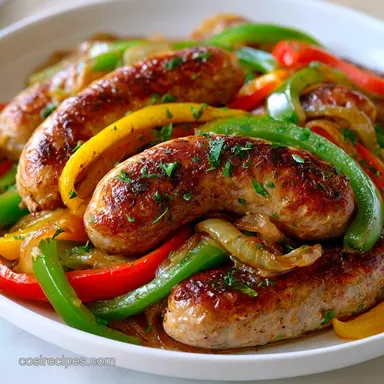
Sausage and Peppers: Charred and Juicy
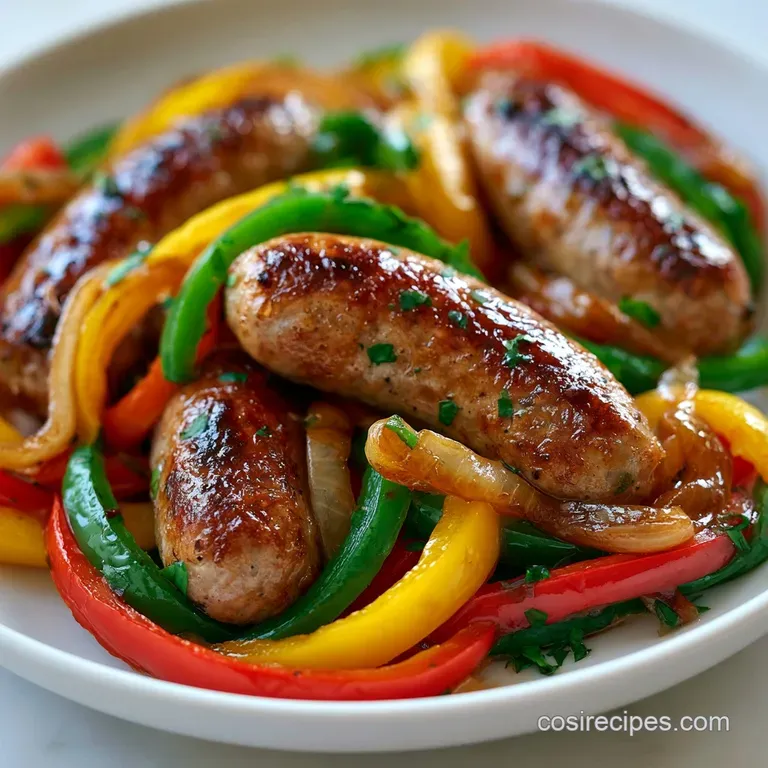
- Time: 10 min active + 30 min cooking = Total 40 minutes
- Flavor/Texture Hook: Sizzling, charred peppers with snappy, juicy sausages
- Perfect for: Weeknight dinners or casual game day hosting
- Sausage and Peppers: The Ultimate Pan Sear
- The Flavor Transformation
- Nailing the Texture
- Essential Recipe Specs
- Ingredient Deep Dive
- Must Have Equipment
- Detailed Key Steps
- Fix Common Problems
- Simple Dietary Adaptations
- Preservation and Waste
- Pro Presentation Tips
- Common Kitchen Myths
- High in Sodium
- Recipe FAQs
- 📝 Recipe Card
That sharp, salty scent of sizzling pork fat hitting a hot pan is enough to make anyone's mouth water. I remember the first time I tried to make this at a family get together, thinking I could just throw everything in a pot and let it stew.
What I ended up with was a grey, soggy mess that looked more like a soup than a meal. It was a total disaster, and my uncle, who takes his Italian American classics very seriously, just looked at it and asked if I was making "sausage porridge."
Ever since then, I've been obsessed with the contrast of textures. Why do some versions have peppers that literally melt into mush, while others have that gorgeous, blistered skin and a slight crunch? The secret isn't in a fancy ingredient, but in how you handle the heat.
You want that aggressive sizzle at the start and a precise finish to keep the flavors distinct.
In this guide, I'm sharing how to get that restaurant style char at home. We'll move through a tight timeline to make sure nothing overcooks. By the time we're done, you'll have a dish where the sweetness of the peppers and the tang of the vinegar perfectly balance the rich, savory pork. This is the definitive way to handle Sausage and Peppers without the guesswork.
Sausage and Peppers: The Ultimate Pan Sear
Right then, let's get into the flow. To make this work, we follow a specific sequence: the sear, the char, and the fusion. If you rush the sausages or crowd the pan with peppers too early, you lose the texture. The goal is a snappy casing and vegetables that are tender but still hold their shape.
When I first started decoding this dish, I realized that most people make the mistake of cooking the vegetables and meat together from the start. That's a recipe for steaming rather than searing.
By browning the meat first, we create a flavor base in the pan that the vegetables soak up, making every bite feel addictive and rich.
This isn't about being a professional chef, it's about using a bit of logic in the pan. We're using a cast iron skillet because it holds heat better than anything else, which is non negotiable for getting those mahogany edges on the pork.
Trust me, once you see that first batch of sausages brown, you'll never go back to the "stewing" method.
The Flavor Transformation
To understand why this works, you have to look at what's happening in the pan. It's not magic, just a few simple reactions that make the food taste better.
Fat Rendering: Cooking the sausages first releases pork fat, which acts as the primary cooking medium for the vegetables, adding a deep, savory layer.
Vegetable Blistering: High heat causes the water in the peppers to evaporate quickly from the surface, creating those charred spots that add a smoky sweetness.
Acid Balance: Adding red wine vinegar at the very end cuts through the heavy fats of the pork, brightening the whole dish and waking up your taste buds.
Aromatic Timing: Adding garlic in the last 60 seconds prevents it from burning, which would otherwise make the entire pan taste bitter.
| Method | Total Time | Texture | Best For |
|---|---|---|---|
| Fast Pan Sear | 40 minutes | Snappy & Blistered | Weeknight meals |
| Classic Oven Roast | 1 hour 15 mins | Soft & Integrated | Large crowds |
| Slow Cooker | 6 hours | Very Tender/Soft | Set and forget |
Nailing the Texture
The biggest hurdle most home cooks face is the "mush factor." If you stir your peppers every thirty seconds, you're just boiling them in their own juices. You need to leave them alone. Let them sit against the hot metal for a few minutes to get that dark, caramelized edge.
Another trick is the "space rule." If you crowd the pan, the temperature drops instantly. This turns your sear into a steam. I've learned the hard way that it's better to brown the sausages in two batches if your skillet is small. It takes an extra three minutes, but the difference in flavor is massive.
According to Serious Eats, the key to a great sear is ensuring the surface of the meat is as dry as possible and the pan is shimmering hot. This prevents the meat from sticking and ensures that deep, savory crust forms quickly.
Essential Recipe Specs
Before we dive into the ingredients, let's look at the logic of the build. We want a balance of sweet, salty, and acidic. The bell peppers provide the sweetness, the Italian sausages bring the salt and spice, and the vinegar provides the necessary zing.
I always suggest using a mix of red, yellow, and orange peppers. Not just because it looks better, but because different colored peppers have slightly different sweetness levels. The red ones are usually the sweetest, while the green ones (if you use them) add a more bitter, earthy note.
For the sausages, don't bother with the low-fat options. You need the fat to sauté the vegetables. If you use a lean sausage, you'll have to add more olive oil, but you'll miss out on that authentic pork flavor that makes this recipe so satisfying.
Ingredient Deep Dive
| Ingredient | Science Role | Pro Secret |
|---|---|---|
| Italian Pork Sausages | Protein & Fat Base | Use "hot" and "sweet" mix for complexity |
| Bell Peppers | Natural Sugars | Slice into uniform 1/2 inch strips |
| Red Wine Vinegar | PH Balancer | Add at the very end to keep the "zing" |
| Garlic | Aromatic Depth | Mince finely to distribute flavor evenly |
The Full List:
- 1 lb Italian Pork Sausages Why this? High fat content for searing veg
- 2 tbsp Extra Virgin Olive Oil Why this? High smoke point for initial sear
- 3 large bell peppers, sliced into strips Why this? Variety of colors for balanced sweetness
- 1 large yellow onion, thinly sliced Why this? Adds savory sweetness when caramelized
- 4 cloves garlic, minced Why this? Essential pungent base note
- 1 tsp dried oregano Why this? Classic earthy Italian herb profile
- 1/2 tsp red pepper flakes Why this? Subtle heat to cut through the fat
- 1 tbsp red wine vinegar Why this? Brightens the rich, heavy flavors
- salt to taste Why this? Enhances all other flavors
- black pepper to taste Why this? Adds a woody, spicy bite
- fresh parsley for garnish Why this? Freshness to contrast the cooked flavors
Must Have Equipment
You don't need a kitchen full of gadgets, but a few specific tools make this way easier. A 12 inch cast iron skillet is my top choice because it distributes heat evenly and creates a superior crust. If you don't have one, a heavy bottomed stainless steel pan works, but avoid non stick if you can.
Non stick pans can't handle the high heat needed for a proper blister on the peppers.
I also recommend a wide spatula. You'll be flipping sausages and moving large piles of peppers, and a small turner just gets in the way. Using a sharp chef's knife for the peppers is also key, as uniform slices ensure they all cook at the same rate.
Finally,, have a plate ready next to the stove. You'll need a spot to set the sausages aside while the vegetables cook. If you try to move them to a bowl, you'll lose some of those precious browned bits that should stay on the meat.
Detailed Key Steps
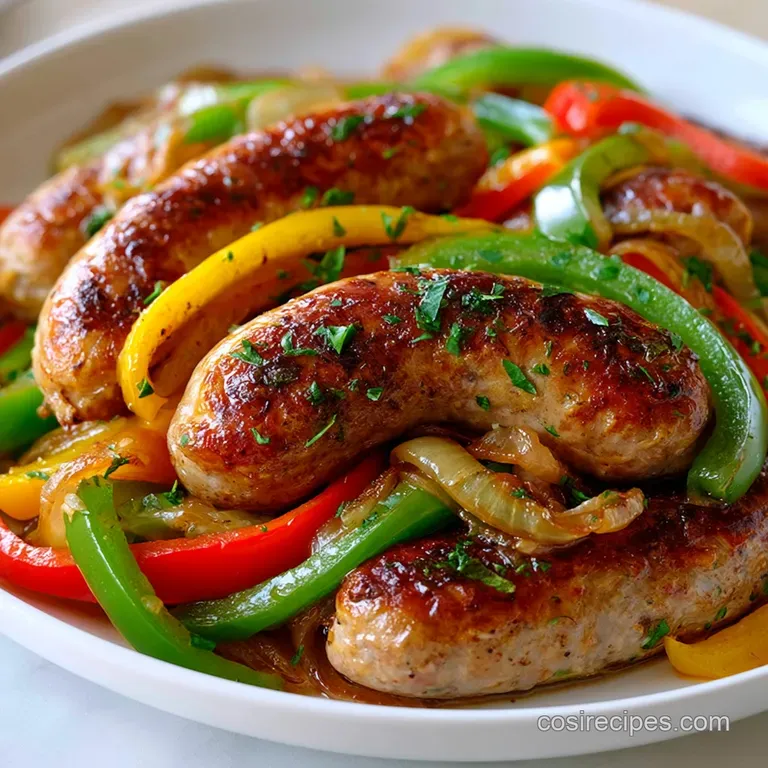
- Heat the olive oil in a 12 inch cast iron skillet over medium high heat until it starts shimmering. Note: Shimmering oil prevents sticking.
- Add the sausages to the pan, leaving space between them. Brown for 5–7 minutes per side until the skins are mahogany colored and crisp, then remove and set aside on a plate.
- In the same pan using the rendered sausage fat, add the sliced onions and peppers. Sauté for 8–10 minutes without stirring frequently to allow the vegetables to blister and char.
- Stir in the minced garlic and red pepper flakes during the last 60 seconds of sautéing until they smell fragrant.
- Return the browned sausages to the pan. Sprinkle with dried oregano, salt, and black pepper.
- Reduce heat to medium low and simmer for 5–7 minutes until the sausages are cooked through and vegetables have absorbed the meat juices.
- Stir in the red wine vinegar just before removing from heat to brighten the flavors.
- Garnish with fresh parsley.
Fix Common Problems
One of the most common complaints I hear is that the peppers turn into a mushy pile of sludge. This almost always happens because the heat was too low or the pan was too crowded. When the peppers release their moisture but the pan isn't hot enough to evaporate it, they boil instead of searing.
Another issue is the "bursting" sausage. If the heat is too aggressive or the sausages are frozen in the middle, the casing can split. While this doesn't ruin the taste, it does lose some of those internal juices that flavor the vegetables.
Why Your Peppers Are Mushy
This usually happens when you stir too much or use too many peppers for the size of your pan. The moisture traps the heat, creating a steam effect.
| Problem | Root Cause | Solution |
|---|---|---|
| Mushy Veggies | Too much stirring/Low heat | Sear undisturbed for 3-4 mins |
| Burst Skins | Heat too high/Frozen core | Ensure room temp; use medium high |
| Bland Taste | Lack of salt/acid | Add extra red wine vinegar at end |
Quick Quality Checklist:
- ✓ Sausages are deep brown, not pale.
- ✓ Peppers have visible charred edges.
- ✓ Garlic is golden, not dark brown or black.
- ✓ Sauce is a glaze, not a watery liquid.
Simple Dietary Adaptations
If you're looking for something different, this recipe is incredibly flexible. For those avoiding gluten, this is naturally GF as long as you check the sausage labels. If you want to lean into a low carb or keto version, simply omit any side grains and serve it as is, or over a bed of sautéed spinach.
For a different twist, you can turn this into an Easy Sausage Pasta by tossing the finished mixture with cooked penne or rigatoni and a splash of pasta water. The vegetable juices make a natural sauce that clings to the pasta beautifully.
If you prefer a slower approach, you can adapt this into an Easy Sausage and Peppers Crockpot Recipe. Just sauté the meat and veg first for 5 minutes to get some color, then let it simmer on low for 4-6 hours.
Note that you'll lose the blistered texture of the peppers, but you'll get a deeper, more integrated flavor.
Preservation and Waste
This dish actually tastes better the next day because the flavors have more time to meld. Store leftovers in an airtight container in the fridge for up to 4 days. When reheating, I recommend using a skillet over medium heat with a teaspoon of water or olive oil to bring back the sizzle, rather than using a microwave, which can make the peppers rubbery.
You can freeze this for up to 2 months. Just let it cool completely before bagging it. When you're ready to eat, thaw it overnight in the fridge and reheat in a pan.
To avoid waste, don't throw away the pepper stems and seeds! I toss them into a freezer bag with onion peels and carrot tops to make a rich vegetable stock later. Also, if you have one lonely sausage left over, chop it up and fry it with some eggs for a killer breakfast hash.
Pro Presentation Tips
Serving this in a big, rustic platter is the way to go. It feels communal and inviting. I like to pile the blistered peppers in the center and nestle the sausages around the edges, drizzling any remaining pan juices over the top.
If you're making an Easy Sausage and Peppers Sandwich Recipe, toast your hoagie rolls with a bit of garlic butter first. This prevents the bread from getting soggy from the juices. For a more complete meal, this pairs wonderfully with an Italian Sausage Potato Sheet Pan side of roasted spuds.
Finally, don't skip the fresh parsley. The bright green pop against the mahogany sausages and red peppers makes the dish look like it came from a high end bistro rather than a home kitchen. A final crack of black pepper over the top adds a professional touch.
Common Kitchen Myths
There's a common belief that searing meat "seals in the juices." Honestly, that's just not true. Moisture loss happens regardless of how you sear. The real reason we sear is for the flavor and the texture. The browning process creates complex flavor compounds that you just can't get from boiling or steaming.
Another myth is that you need to prick the sausage skins to prevent them from bursting. In reality, pricking the skins actually lets the juices escape, which means your sausages will be drier and you'll have less flavorful fat to cook your peppers in. Just keep your heat steady, and the skins will hold.
High in Sodium
840 mg 840 mg of sodium per serving (37% 37% of daily value)
The American Heart Association recommends a daily sodium limit of no more than 2,300 mg to reduce the risk of high blood pressure and heart disease.
Tips to Reduce Sodium
-
Swap the Sausages-25%
Replace standard Italian Pork Sausages with low-sodium alternatives or fresh ground pork seasoned with your own salt free herbs.
-
Skip Added Salt-25%
Completely omit the 'salt to taste'; the cured sausage and vinegar already provide a strong savory profile.
-
Use Fresh Citrus-10%
Add a squeeze of fresh lemon juice before serving to mimic the brightness of salt and enhance the vegetable flavors.
-
Amplify Aromatics
Increase the amount of dried oregano or add fresh basil and thyme to build flavor depth without adding sodium.
Recipe FAQs
Which sausage is best for sausage and peppers?
Italian Pork Sausages. Their high fat content and robust seasoning are designed to withstand high heat searing without drying out.
When cooking sausage and peppers, what do you cook first?
Brown the sausages first. Sear them for 5 7 minutes per side until mahogany colored and crisp, then remove them to clear the pan for the vegetables.
How to keep the bell peppers from becoming mushy?
Sauté for 8 10 minutes without stirring frequently. Allowing the vegetables to sit undisturbed helps them blister and char rather than steaming in their own moisture.
Is it true that I should simmer the sausages and vegetables together from the start?
No, this is a common misconception. Stewing everything together results in a soggy texture; you must sear the components separately to achieve a professional char.
What kind of sauce goes with sausage and peppers?
A splash of red wine vinegar or lemon juice. Instead of a heavy sauce, this recipe uses a small amount of acid added at the end to brighten the rich, savory pork.
How to get a mahogany crust on the sausages?
Heat olive oil over medium high heat until shimmering. Leave ample space between the sausages to ensure they fry in the fat rather than steaming.
What makes this a great lazy dinner option?
The one-pan cleanup. Everything is prepared in a single skillet in about 40 minutes. If you enjoy the efficiency of this one-pan approach, you can apply the same speed to our garlic chicken recipe.
Sausage And Peppers