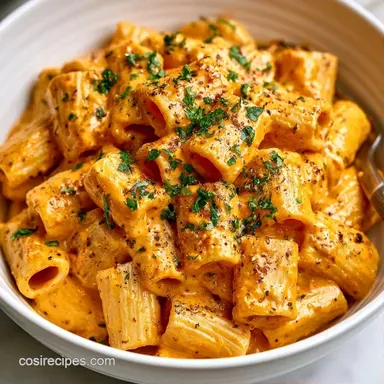
Thanksgiving Pumpkin Pasta with Brown Butter
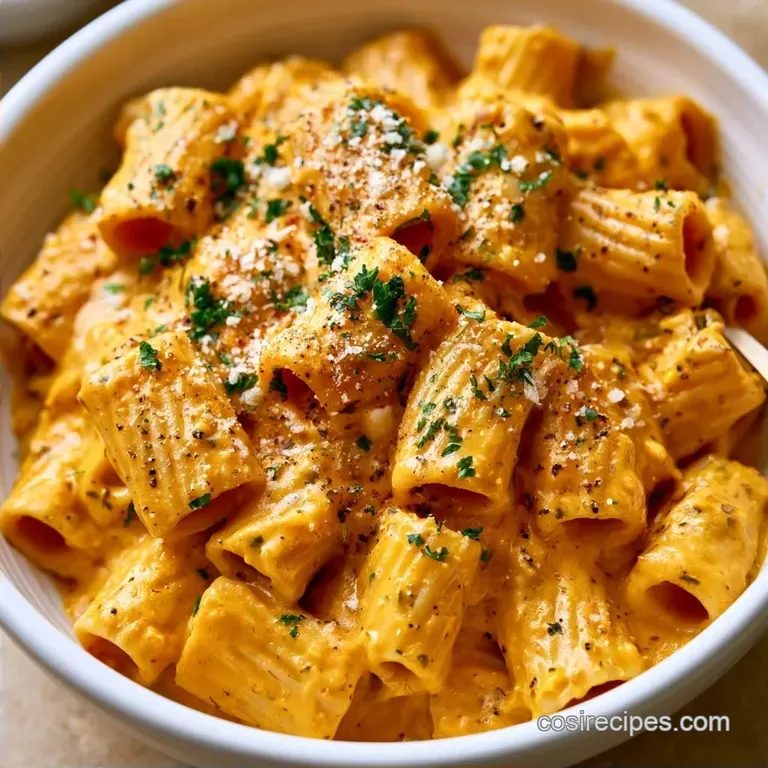
- Time: 10 min prep + 20 min cook
- Flavor/Texture Hook: Nutty brown butter with crispy sage
- Perfect for: A cozy autumn dinner or a festive side
Ever wonder why some pumpkin pastas taste like a bowl of dessert while others actually feel like a meal? I used to struggle with that balance. Most recipes just stir puree into noodles, which leaves you with a bland, orange mash that doesn't actually stick to the pasta.
The real shift happens when you treat the pumpkin like a savory base, toasting it in butter before adding the cream. This removes that "canned" sweetness and adds a deep, earthy layer. This Thanksgiving Pumpkin Pasta is all about those savory, autumnal notes.
It’s a fast process that feels fancy but takes very little effort. You get a rich, glossy sauce and a hit of aromatic sage that makes the whole kitchen smell like October.
Thanksgiving Pumpkin Pasta
- Starchy Water
- Saving the pasta water creates an emulsion that binds the fat and puree together.
- Toasting the Puree
- Cooking the pumpkin for two minutes before adding cream removes the raw, metallic taste.
- Brown Butter
- Frying sage in butter adds a nutty depth that cuts through the richness.
Recipe Specs
The goal here is a fast, high impact meal. We aren't doing a slow roast or a complex reduction. Instead, we use a plan based flow: boil the base, build the flavor, and emulsify the sauce.
| Goal | What to change |
|---|---|
| Lighter meal | Swap heavy cream for half and half |
| More bite | Add a pinch of red pepper flakes |
| Extra richness | Increase Parmesan by 2 tablespoons |
The Ingredient Breakdown
Don't bother with low-fat cheese here. You need the fat from the Parmesan and butter to keep the sauce from breaking.
| Ingredient | Role | If You Don't Have It |
|---|---|---|
| Pumpkin puree | Main body and color | Roasted butternut squash puree |
| Heavy cream | Texture and richness | Full fat coconut milk (adds nuttiness) |
| Parmesan | Salt and thickness | Pecorino Romano (saltier) |
| Fresh sage | Earthy aroma | Dried sage (use 1 tsp, add earlier) |
Shopping List
- 1 lb (450g) Rigatoni or Penne pasta
- 1 tbsp (15ml) Salt (for pasta water)
- 2 tbsp (28g) Unsalted butter
- 3 cloves (15g) Garlic, minced
- 1 cup (245g) Pumpkin puree Why this? Provides the thick, savory base
- 1/2 cup (120ml) Heavy cream
- 1/2 cup (50g) Freshly grated Parmesan cheese
- 1/4 tsp (0.5g) Ground nutmeg
- 1/2 tsp (3g) Salt
- 1/4 tsp (1g) Black pepper
- 10-12 (2g) Fresh sage leaves
- 1 tbsp (15ml) Extra virgin olive oil
Tools You Will Need
This recipe requires just a few essentials: a spacious pot to boil the pasta and a wide skillet for the sauce. I recommend stainless steel or cast iron, as these materials retain heat well when toasting the pumpkin. A whisk is also useful for keeping the sauce smooth.
Making The Pasta
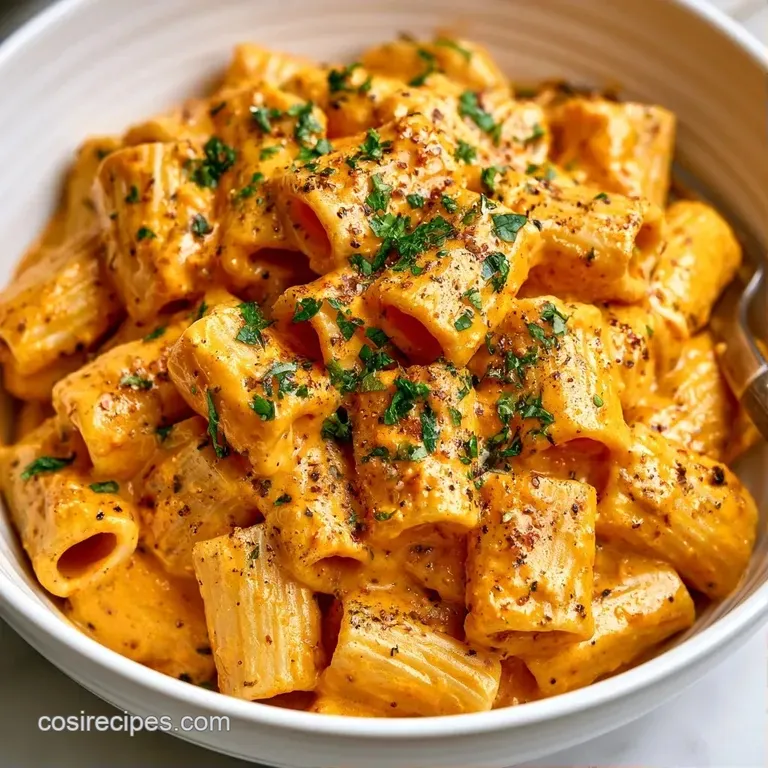
Follow this flow to ensure the sauce stays glossy and doesn't clump.
Phase 1: Boiling the Base
- Fill a large pot with water and add 1 tbsp salt. Bring to a rolling boil.
- Add pasta and cook until al dente. Check the timer 1-2 minutes before the package says so it stays firm.
- Scoop out 1 cup (240ml) of the cloudy pasta water. Note: This is the most important part for the sauce texture.
- Drain the pasta and set it aside.
Phase 2: Building the Flavor Base
- Heat olive oil and butter in a large skillet over medium heat until the butter foams.
- Add fresh sage leaves. Fry for about 1 minute until they are crisp. Remove leaves and set aside for garnish.
- Add minced garlic to the butter. Sauté for 30-60 seconds until it smells fragrant but hasn't turned brown.
Phase 3: Emulsifying the Sauce
- Stir in the pumpkin puree and ground nutmeg. Cook for 2 minutes, stirring constantly to toast the puree.
- Pour in the heavy cream. Whisk until the color is a uniform, creamy orange.
- Lower heat to medium low and stir in the Parmesan cheese until it melts completely.
- Gradually add the reserved pasta water, 1/4 cup at a time. Whisk until the sauce reaches a silky consistency.
Phase 4: The Final Toss
- Toss the cooked pasta into the skillet. Stir until every noodle is evenly coated.
- Garnish with the fried sage leaves.
Fixing Common Issues
If your sauce feels off, it's usually a matter of hydration or heat. Since Thanksgiving Pumpkin Pasta relies on an emulsion, too much heat can split the cream, while too little water makes it gummy.
Sauce is too thick
This often happens if the pasta sits for a few minutes before serving. The starch continues to absorb liquid. Just stir in a splash more warm water or a teaspoon of cream to loosen it up.
Taste is too sweet
Some pumpkin purees have a stronger sweetness than others. If the dish tastes like a pie, add an extra pinch of salt or a squeeze of lemon juice to cut through the sugar.
Garlic turned brown
If the garlic burns, it becomes bitter. If you see dark brown specks, it's better to wipe the pan and start the garlic step over.
| Problem | Fix |
|---|---|
| Gummy texture | Add more pasta water and whisk fast |
| Sauce separated | Lower heat and stir in a splash of cream |
| Bland flavor | Add more Parmesan or a pinch of salt |
Serving Suggestions
I prefer using shallow bowls to highlight the fried sage. While this works well as a main course, pairing it with a zesty arugula salad is the best way to balance the richness if you're serving it as a side.
For a more substantial meal, you might enjoy a Creamy Pumpkin Pasta Bake if you're looking for a cheesy crust. In any case, serve it promptly while the sauce is still glossy.
Storage and Reheating
Store this in an airtight container in the refrigerator for around 4 days.
Restoring the Texture
Because pasta soaks up sauce as it rests, leftovers often appear dry. Avoid microwaving them on high heat. Instead, warm the pasta in a pan over low heat with a tablespoon of milk or water, stirring gently until the creaminess returns.
Freezing Advice
I suggest avoiding the freezer for this particular Thanksgiving Pumpkin Pasta. The cream and Parmesan often split and become grainy upon thawing, which spoils the consistency.
Reducing Waste
Freeze any remaining pumpkin puree from the can in ice cube trays to drop into a future smoothie or soup. If you have extra sage, finely chop it and blend it into compound butter for steaks.
Easy Twist and Swaps
Feel free to adapt this based on what's in your kitchen. For a lighter version, my Healthy Pumpkin Pasta is a wonderful alternative that uses fewer heavy fats.
Adding Protein
Sautéed shrimp or sliced Italian sausage both pair well with this dish. Just brown the meat in the skillet before starting the butter and sage step, then remove it and stir it back in at the very end.
Plant Based Options
You can easily make this vegan by swapping in coconut cream and a plant-based butter. For a salty, cheesy flavor, use nutritional yeast or a vegan parmesan substitute.
For Extra Depth
Mix a teaspoon of miso paste into the pumpkin puree. While you won't taste the miso directly, it adds a fermented, salty complexity that makes the Thanksgiving Pumpkin Pasta taste as though it's been simmering for hours.
| Goal | What to change |
|---|---|
| Vegan | Use coconut cream and nutritional yeast |
| Spicy | Add 1/2 tsp red pepper flakes |
| Earthier | Add a pinch of ground cloves |
Recipe FAQs
Does pumpkin go with pasta?
Yes, the natural sweetness of pumpkin balances savory ingredients. Pairing it with saltier elements like Parmesan and aromatic sage creates a sophisticated flavor profile.
What is the Italian-style approach to pumpkin pasta?
Focusing on the pairing of pumpkin, butter, and fresh sage. This method emphasizes simple, high-quality fats and earthy herbs to enhance the squash without masking it.
How to achieve a glossy sauce texture?
Whisk in reserved pasta water gradually. Adding the starchy water a quarter cup at a time emulsifies the heavy cream and butter for a silky finish.
Is it true that pumpkin puree makes pasta too thick?
No, and here's why. The addition of heavy cream and starchy pasta water thins the puree into a smooth, pourable sauce that coats the pasta perfectly.
Can I use butternut squash instead of pumpkin?
Yes, both squash varieties work well. If you enjoy these autumn flavors, you can apply similar logic to our butternut squash pasta for another savory meal.
Should I use canned pumpkin pie filling instead of puree?
Surprisingly, no. Pie filling contains sugar and cinnamon, which would clash with the savory garlic and Parmesan in this recipe.
Which pasta shape works best here?
Rigatoni or Penne are ideal. These tubular shapes are designed to capture the thick, creamy pumpkin sauce inside every piece.
Thanksgiving Pumpkin Pasta in 30 Minutes