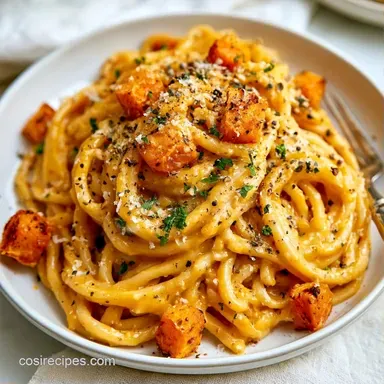
Thanksgiving Butternut Squash Pasta with Roasted Garlic
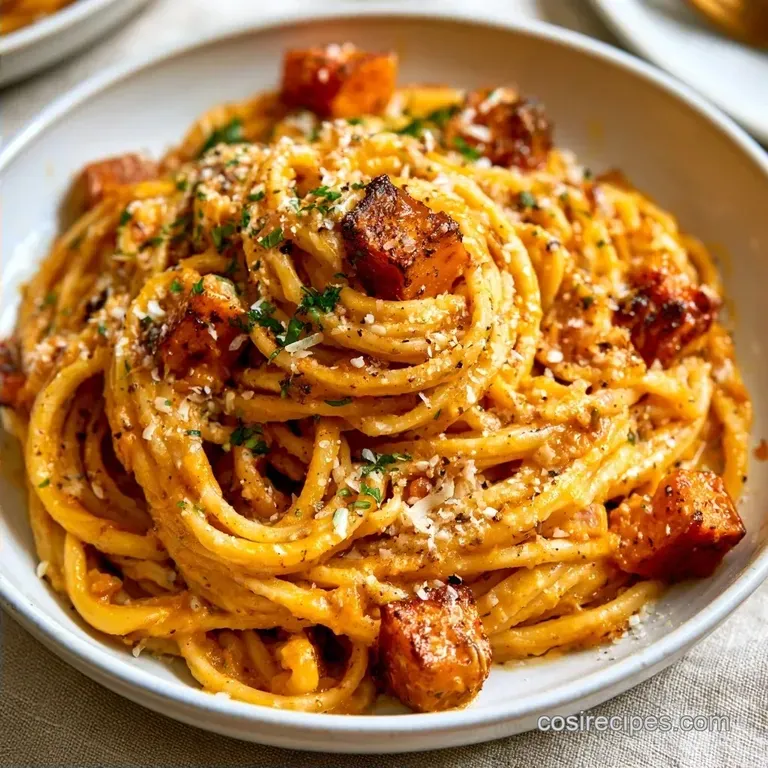
- Time: 10 min active + 40 min cook
- Flavor/Texture Hook: Nutty brown butter with a smooth, earthy base
- Perfect for: A vegetarian holiday main or a fancy weeknight dinner
Nothing captures the essence of autumn quite like the aroma of brown butter and crisping sage in a hot skillet. It instantly transforms the kitchen into a rustic getaway. I learned this the hard way; during my first attempt, I boiled the squash instead of roasting it.
It was a total failure, the resulting sauce was watery, colorless, and completely bland.
I discovered that the secret to that intense, concentrated taste is letting the oven handle the work. Moving to a high-heat roast made all the difference. The squash develops caramelized, mahogany edges that infuse the pasta with a deep, natural sweetness.
This butternut squash pasta is a study in contrast. The earthy vegetable base pairs perfectly with salty Parmesan and the crunch of toasted walnuts. It feels sophisticated enough for a Thanksgiving spread but stays light enough to avoid the dreaded food coma.
Why This Dish Works
Over High heat Roasting: Roasting the squash at 400°F browns the natural sugars. This creates a deep, savory base that makes a Healthy Butternut Squash Pasta recipe taste much richer than a boiled version.
Starchy Pasta Water: Using the reserved salty water binds the sauce to the noodles. It creates a glossy coating that sticks to the pasta instead of pooling at the bottom of the bowl.
Brown Butter: Cooking butter until it foams and browns adds a toasted, hazelnut quality. This cuts through the sweetness of the squash and adds a professional layer of flavor.
The Ingredients You Need
For this Thanksgiving Butternut Squash Pasta, I suggest using a heavy bottomed skillet to get the best sear on your sage.
| Component | Purpose | Substitute Notes |
|---|---|---|
| Butternut Squash | Main base and creaminess | Pumpkin: Similar flavor, slightly more watery |
| Whole grain Pasta | Hearty structure | gluten-free pasta: Works well, but don't overcook |
| Unsalted Butter | Nutty flavor and fat | Ghee: Very similar, actually browns faster |
| Parmesan Cheese | Salt and umami | Pecorino: Saltier and sharper punch |
The Full Shopping List
- 3 lb butternut squash, peeled and cubedWhy this? Provides the creamy bulk of the sauce
- 2 tbsp extra virgin olive oil
- 6 cloves garlic, peeled
- 1 tsp kosher salt
- 1/2 tsp cracked black pepper
- 3 tbsp unsalted butterWhy this? Creates the signature nutty brown butter
- 1/2 cup low sodium vegetable broth
- 1/4 cup grated Parmesan cheese
- 1/4 tsp ground nutmegWhy this? Adds a subtle warmth common in holiday dishes
- 1 tbsp fresh lemon juice
- 1 lb whole grain pastaWhy this? Holds up better to heavy sauces
- 12 leaves fresh sage
- 1/4 cup toasted walnuts, crushed
Substitution Guide
| Original Ingredient | Substitute | Why It Works |
|---|---|---|
| Vegetable Broth | Chicken Broth | Adds more depth. Note: Changes the dish to non vegetarian |
| Whole grain Pasta | Rigatoni | Large ridges hold the thick sauce better |
| Walnuts | Pecans | Similar crunch and buttery flavor |
| Fresh Sage | Dried Sage (1 tsp) | Works in a pinch. Note: Won't get "crispy" like fresh leaves |
Quick Recipe Specs
Here are the quick details for this dish, which is perfect for a family meal.
- Prep time: 10 minutes
- Cook time: 40 minutes
- Total time: 50 minutes
- Yield: 6 servings
- Oven Temp: 400°F (200°C)
- 1. The Roast
- Aim for a mahogany hue after about 25-30 minutes.
- 2. The Butter
- It is ready once the foaming stops and it smells like toasted nuts.
- 3. The Pasta
- Drain the noodles while they still have a firm, al dente bite.
Cooking Method Comparison
| Feature | Stovetop (Boiled) | Oven (Roasted) |
|---|---|---|
| Flavor | Mild, watery | Concentrated, sweet |
| Texture | Grainy | Smooth and rich |
| Effort | Low | Medium |
Essential Kitchen Tools
You don't need fancy gear, but a few things make the Thanksgiving Butternut Squash Pasta much easier.
- Large Baking Sheet: To avoid crowding the squash (crowding leads to steaming).
- High Speed Blender: To get the sauce completely smooth.
- Large Skillet: For browning the butter and tossing the pasta.
- Colander: For draining the pasta.
Step-by-step Cooking Flow
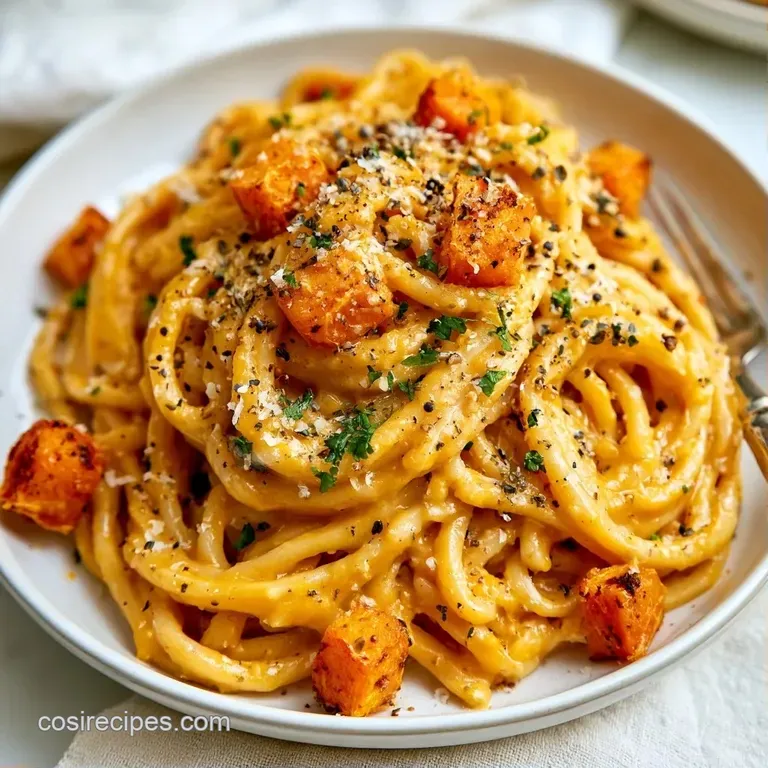
Time to start cooking. I've organized these steps to help you coordinate the roasting and boiling.
Roasting the Aromatics
Heat your oven to 400°F (200°C). Combine the cubed butternut squash and peeled garlic cloves on a baking tray with olive oil, salt, and pepper. Spread them in a single layer and roast for 25–30 minutes until the edges are mahogany colored and tender.
Blending the Base
Place the roasted squash and garlic in a blender. Add the vegetable broth, nutmeg, and lemon juice. Process on high until the mixture is completely smooth and velvety.
Cooking the Pasta
Start boiling a large pot of salted water. Add your whole grain pasta and cook until al dente. Before draining, scoop out 1 cup of the starchy pasta water and set it aside. Drain the rest.
Finishing the Sauce
Set a large skillet over medium heat. Melt the butter until it foams and turns a golden brown. Stir in the fresh sage leaves and fry for 1 minute until they are crisp and fragrant.
Assembling the Dish
Stir the blended squash sauce into the skillet with the browned butter. Fold in the cooked pasta and a splash of the reserved pasta water. Toss over medium heat until the sauce coats every noodle.
The Final Touch
Stir in the grated Parmesan cheese. Serve the pasta topped with crushed toasted walnuts and a pinch of red pepper flakes if you prefer some heat.
Chef's Note: If serving this as a side, you can roast the squash a day ahead. Just reheat the blended puree in the skillet before tossing with the pasta.
Fixing Common Problems
Even with a plan, things happen. The most common issue I see with Thanksgiving Butternut Squash Pasta is the sauce thickness. Since squash varies in moisture, you might end up with something too thick or too thin.
Thinning a Thick Sauce
If the sauce feels like a paste, it's usually because the squash was very dry. Slowly whisk in more of that reserved pasta water. The starch helps it stay creamy while loosening the texture.
Fixing Bland Flavors
Squash can be naturally sweet, which sometimes masks the salt. If it tastes "flat," add an extra squeeze of lemon juice or a pinch more salt. The acid from the lemon wakes up the earthy notes.
Preventing Pasta Clumping
If the noodles stick together, you likely didn't use enough pasta water. Adding a bit more liquid and tossing vigorously over heat will separate the strands.
| Problem | Fix |
|---|---|
| Sauce is too thick | Add reserved pasta water 1 tbsp at a time |
| Sauce tastes too sweet | Add a teaspoon of lemon juice or extra salt |
| Pasta is clumping | Increase heat and add more pasta water |
Adjusting the Serving Size
Whether you are preparing Thanksgiving Butternut Squash Pasta for a large gathering or a quiet night in, simple multiplication isn't always the best approach.
Scaling Down (Half Recipe) Opt for a smaller baking tray to prevent the squash from burning. Cut the roasting time by roughly 20%. If a recipe requires an odd number of eggs (though not applicable here), whisk one and use only half.
Scaling Up (Double or Triple) Avoid overcrowding your pans; roast the squash in batches or across two sheets. Start by increasing salt and spices by only 1.5x, then adjust to taste. When doubling, decrease liquids like broth by 10% to keep the sauce from becoming too thin.
Pro Tip: Use your biggest pot when doubling the recipe. Whole grain pasta needs ample space to move, otherwise the noodles may clump together.
Storing Your Leftovers
This Thanksgiving Butternut Squash Pasta keeps well, though the pasta will soak up the sauce over time.
Fridge and Freezer Store leftovers in a sealed container in the refrigerator for 3 to 4 days. If you want to freeze it, I recommend freezing the blended squash sauce separately. The pasta often gets mushy when frozen and reheated. The sauce stays good for up to 3 months in the freezer.
Zero Waste Tips Don't toss the squash peels! If you have a clean compost bin, go for it. Otherwise, you can roast the peels with a bit of oil and salt to make a crunchy snack.
Also, any leftover brown butter can be frozen in ice cube trays and dropped into a pan for sautéing greens later in the week.
Serving Suggestions
To turn this Thanksgiving Butternut Squash Pasta into a complete meal, you'll want some contrasting flavors. Because the pasta is so creamy and rich, a bright or acidic accompaniment is the perfect match.
- Fresh Greens: A peppery arugula salad tossed in a zesty lemon dressing offsets the richness of the butter.
- Added Protein: For a more filling option, top your bowl with sliced chicken breast or grilled shrimp.
- Bread Pairing: Serve alongside a toasted baguette rubbed with a raw garlic clove for scooping up the leftover sauce.
Decision Shortcut
- Want more tang? → fold in 1 tsp lemon zest
- Need more crunch? → add toasted pumpkin seeds
- Craving heat? → stir in 1/2 tsp red pepper flakes
Easy Dietary Changes
Depending on your guests' dietary preferences, you may want to adjust this Thanksgiving Butternut Squash Pasta.
Making it Vegan
Substitute the butter with olive oil or a premium vegan butter. For the cheese, use nutritional yeast or a vegan parmesan alternative. The natural creaminess of the squash ensures you won't miss the dairy.
Boosting Protein
To make this a heartier main dish, stir in some chickpeas or follow my Squash Pasta for 6 recipe approach. Adding a handful of spinach at the very end also provides a bit of iron and a vibrant pop of color.
Using Low Carb Noodles
Zucchini noodles or spaghetti squash are excellent swaps. Just be mindful of the extra moisture; since these alternatives release water, cut the vegetable broth by half so the sauce remains thick.
For further nutritional information on the ingredients, you can visit the USDA FoodData Central database.
Now you're all set. This Thanksgiving Butternut Squash Pasta is a wonderful way to bring those cozy autumn flavors to your table without spending all day in the kitchen. Trust me, once you experience the combination of roasted squash and brown butter, you'll never go back to boiling your vegetables. Happy cooking!
Recipe FAQs
Which sauce options pair best with butternut squash pasta?
A nutty brown butter and sage sauce works perfectly. The savoriness of the browned butter balances the natural sweetness of the roasted squash.
When should I stop cooking the butter for the sauce?
Stop when the butter foams and turns brown with a nutty aroma. This is the ideal moment to stir in the sage leaves.
What sides complement this autumn pasta dish?
A crisp arugula salad with a lemon vinaigrette cuts through the richness of the squash. Roasted Brussels sprouts are another great option for a complete Thanksgiving spread.
Can I substitute the whole-grain pasta with another variety?
Yes, any sturdy shape like rigatoni or penne works well. If you prefer a lighter option, see how we use a similar vegetable-base approach in our healthy pumpkin pasta.
Is it true that you must add heavy cream to make the sauce creamy?
No, this is a common misconception. Blending roasted squash with vegetable broth and emulsifying it with pasta water creates a velvety texture without any cream.
How to fix a sauce that feels too thick?
Stir in a splash of the reserved starchy pasta water. This thins the sauce while helping it adhere better to the noodles.
Should the leftover pasta be frozen for later?
It is better to freeze only the blended squash sauce. The pasta itself often becomes mushy when frozen and reheated.
Do I have to roast the garlic separately from the squash?
You can roast them on the same baking sheet. Just toss the peeled cloves with the squash cubes in olive oil to ensure they don't dry out.
Thanksgiving Butternut Squash Pasta for 6